Adipotide (CAS 859216-15-2) is a high-purity synthetic peptide designed for laboratory research use. Produced through solid-phase peptide synthesis and purified via high-performance chromatography, it is supplied as a lyophilized freeze-dried powder for stability and reproducibility. Ideal for in vitro receptor-binding studies, peptide-protein interactions, structural analyses, and analytical method development. Factory-direct bulk and OEM options are available.(For research use only. Not for human or veterinary use.)
Adipotide (CAS 859216-15-2) is a synthetic, high-purity peptide specifically designed for advanced laboratory research applications. It is supplied as a lyophilized, freeze-dried powder to ensure chemical stability, structural integrity, and reproducibility across experimental workflows. Adipotide serves as a model peptide for in vitro studies focusing on receptor-binding assays, peptide–protein interactions, structural and conformational analysis, and analytical method development.
The peptide is produced using solid-phase peptide synthesis and purified through high-performance chromatography, achieving a purity of ≥98%, as verified by HPLC and mass spectrometry. Its well-defined amino acid sequence allows researchers to study ligand-receptor interactions, molecular signaling pathways, and secondary messenger effects in controlled laboratory settings without human or veterinary application.
Adipotide’s stability and well-characterized sequence make it suitable for structural biology applications, including NMR, circular dichroism (CD) spectroscopy, FTIR, and computational modeling. Researchers can analyze peptide folding, conformational dynamics, and receptor interface interactions with high reproducibility. It also functions as a reliable analytical standard for HPLC, LC-MS, and spectroscopy, supporting method development, calibration, and assay validation.
In addition, Adipotide facilitates comparative peptide studies and structure–activity relationship (SAR) analyses. Laboratories can use it to benchmark peptide analogs, evaluate chemical modifications, and study interaction specificity with receptor models. Its predictable properties and chemical stability support high-throughput in vitro research, ensuring consistent outcomes across multiple experiments.
Supplied in bulk and with OEM options, Adipotide is ideal for institutional laboratories conducting large-scale experimental studies or high-throughput assays. The peptide’s freeze-dried form, combined with strict quality control, ensures that each batch maintains consistent purity and performance, providing a dependable reagent for advanced molecular, biochemical, and analytical research.
Adipotide Peptide is intended exclusively for research use only and is not for human or veterinary use. Researchers must follow all institutional safety and handling protocols to maintain integrity and reproducibility in experimental studies.
Product Specifications
Attribute
Specification
Notes
Product Name
Adipotide Peptide
Synthetic high-purity research peptide.
CAS Number
859216-15-2
Registered research chemical identifier.
Molecular Formula
CₓHₓNₓOₓ
Calculated from amino acid composition.
Molecular Weight
~Calculated MW
Verified by mass spectrometry.
Peptide Purity
≥99% (HPLC)
Ensures reproducibility and reliability.
Appearance
White to off-white lyophilized powder
Minor color variation may occur.
Form
Lyophilized powder
Stable and easy to handle.
Storage Conditions
-20°C, dry, protected from light
Minimizes degradation.
Reconstitution Solvent
Sterile water or compatible buffer
Prepare fresh; avoid repeated freeze-thaw cycles.
Recommended Working Concentration
0.1–5 mg/mL
Adjust according to assay requirements.
Stability (Lyophilized)
≥12 months
Store under recommended conditions.
Stability (Reconstituted)
24–48 hours at 4°C
Use aliquots to maintain stability.
Packaging Options
1 mg, 5 mg, 10 mg, 50 mg, bulk
OEM and bulk packaging available.
Analytical Validation
HPLC, MS
Batch-specific verification.
Endotoxin Level
<1 EU/mg
Suitable for sensitive laboratory assays.
Intended Use
Research only
Not for human or veterinary use.
Solubility and Concentration Recommendations
Reconstitute Adipotide in sterile water or compatible buffers.
Gently mix without vortexing to prevent aggregation.
Aliquot solutions to avoid repeated freeze-thaw cycles.
Mechanism of Action
Adipotide (CAS 859216-15-2) functions as a model research peptide that enables controlled studies of peptide-receptor interactions, molecular signaling, structural dynamics, and analytical method development in vitro. Its well-defined amino acid sequence and high purity allow researchers to study mechanistic effects with reproducible outcomes, providing a versatile tool for laboratory experimentation.
Receptor Binding and Ligand Modeling
Adipotide serves as a model ligand for peptide receptor analogs in in vitro assays. It allows researchers to investigate binding affinity, specificity, and kinetics in a controlled setting, making it useful for structure–activity relationship (SAR) studies, comparative peptide evaluation, and receptor-ligand interaction modeling.
Signal Transduction Exploration
In laboratory research, Adipotide can be applied to study secondary messenger pathways and biochemical signaling events mediated by peptide-receptor interactions. While strictly for research use, it enables mechanistic exploration of intracellular signaling cascades under controlled conditions, supporting predictive modeling and pathway analysis.
Structural and Conformational Analysis
The peptide’s stable structure and N-terminal modifications support structural biology studies, including:
NMR spectroscopy for three-dimensional conformation analysis
Circular Dichroism (CD) spectroscopy to monitor secondary structure
Fourier-Transform Infrared (FTIR) spectroscopy for molecular fingerprinting
Computational docking and modeling to simulate receptor interaction and peptide folding
These approaches allow detailed examination of peptide folding, stability, and receptor interface geometry, facilitating a deeper understanding of structure-function relationships.
Analytical Applications
Adipotide also serves as a reliable analytical reference standard. Its high purity enables accurate HPLC, LC-MS, and spectroscopic studies, including method development, calibration, and validation. Researchers can compare experimental results with standardized peptide behavior to ensure data reproducibility and reliability.
Summary
Overall, Adipotide’s mechanism of action in research centers on predictable receptor engagement, reproducible structural behavior, and reliable biochemical modeling. Its well-characterized sequence, chemical stability, and high purity make it a versatile tool for in vitro studies, structural investigations, analytical assay development, and computational modeling, while strictly adhering to research-use-only guidelines.
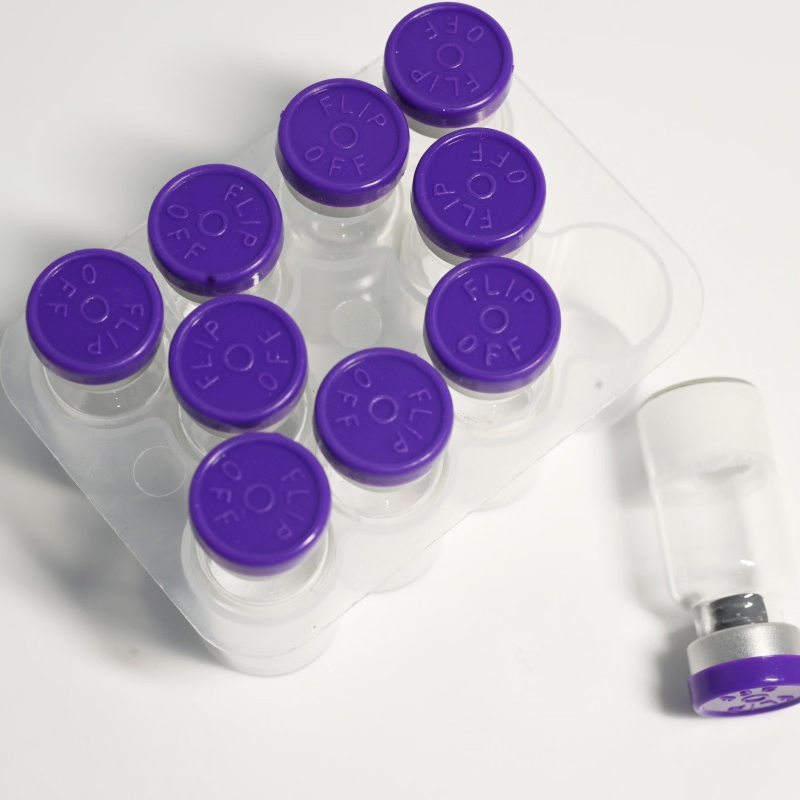
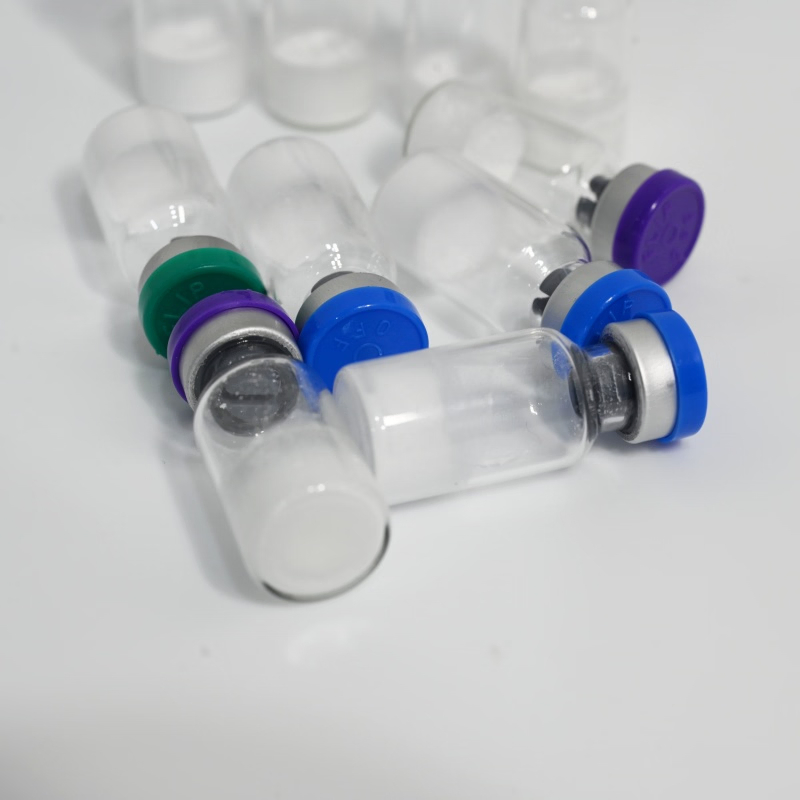
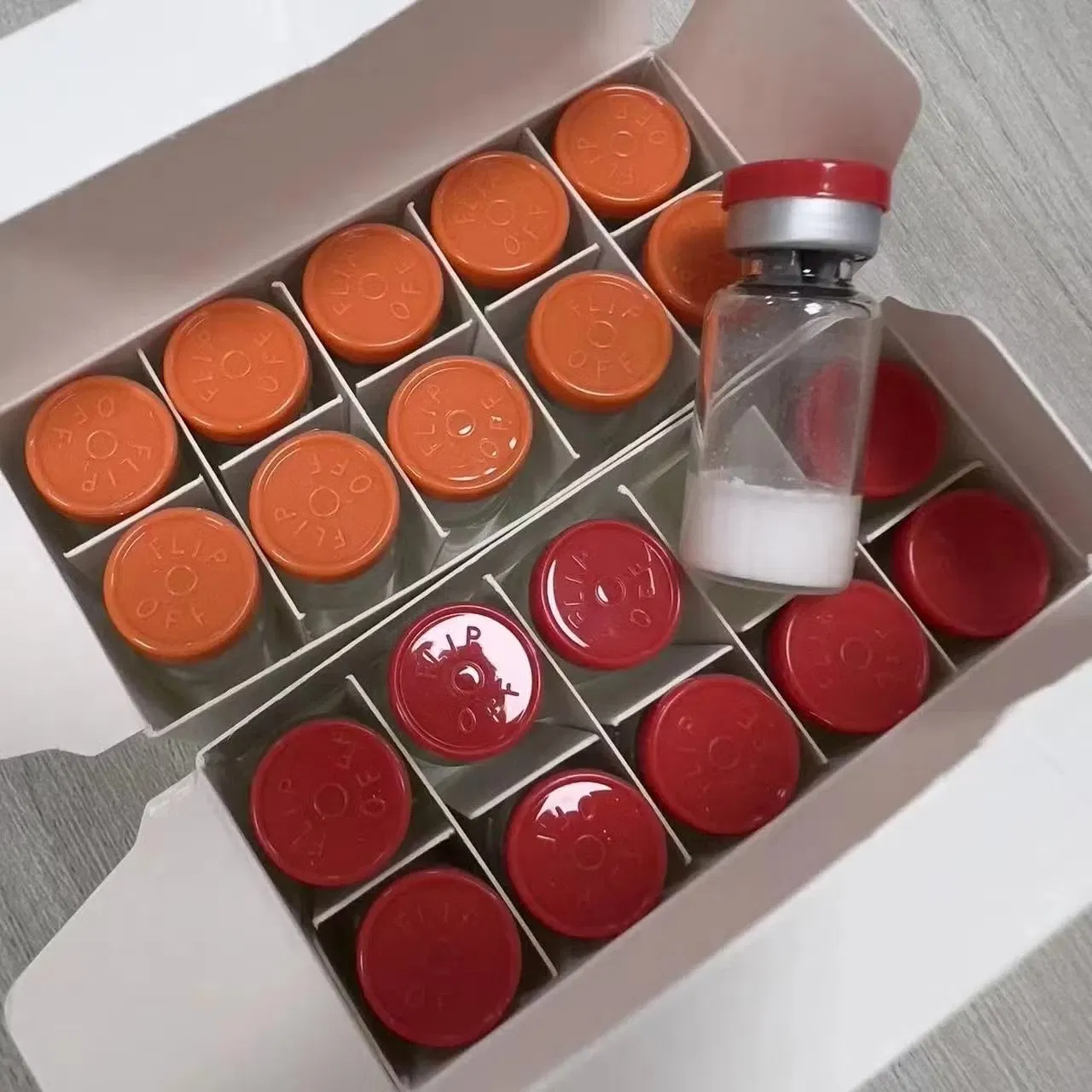
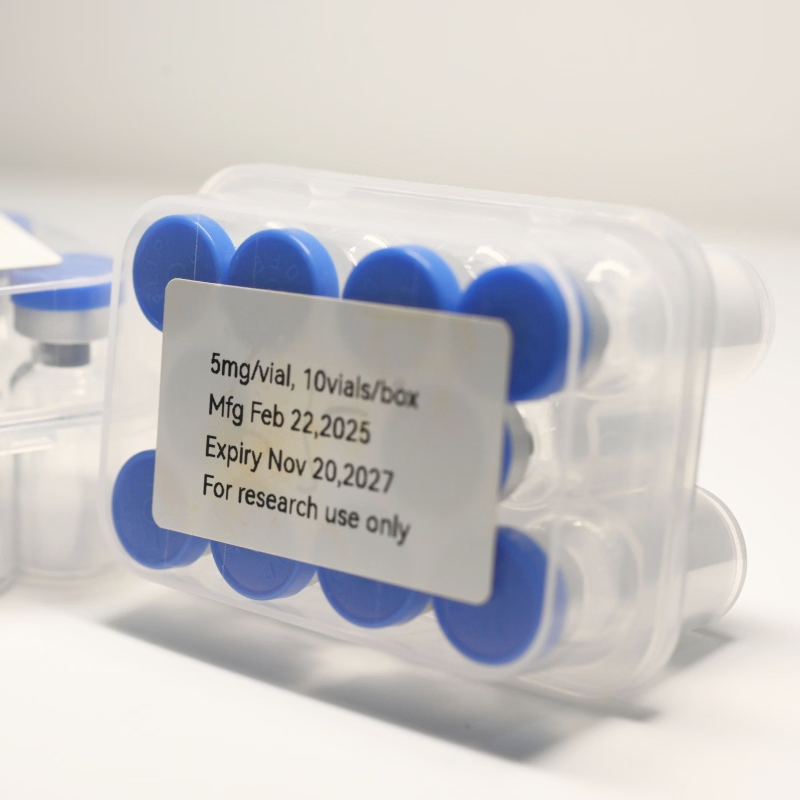
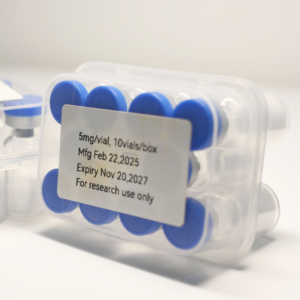
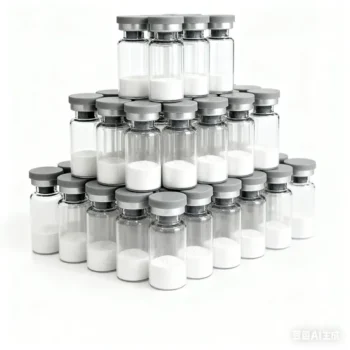
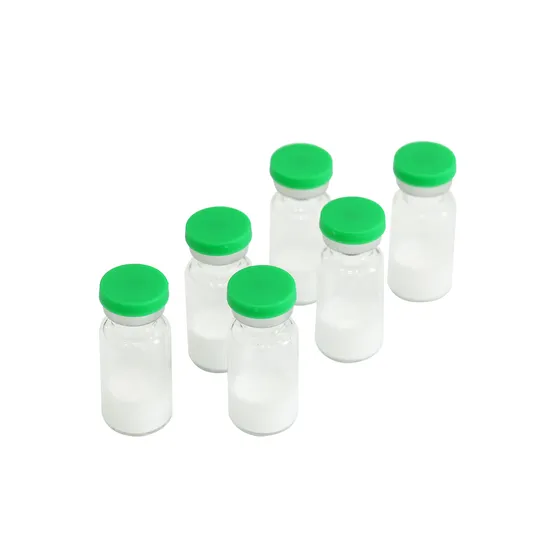
Adipotide vial-dried peptide powder
Applications
Adipotide (CAS 859216-15-2) is a high-purity research peptide designed for controlled laboratory studies. Its defined amino acid sequence and chemical stability allow it to be applied in a wide range of in vitro research, structural biology, analytical method development, and computational studies. The peptide is intended exclusively for research use and is not for human or veterinary applications.
1. Receptor-Binding and Molecular Studies
Serves as a model ligand for peptide receptor analogs in in vitro binding assays.
Facilitates the measurement of binding affinity, selectivity, and kinetics.
Supports structure–activity relationship (SAR) studies and comparative evaluation of peptide analogs.
2. Signal Transduction and Biochemical Research
Enables controlled exploration of secondary messenger dynamics and intracellular signaling pathways.
Useful for studying peptide-mediated molecular interactions and pathway modulation under laboratory conditions.
Provides reproducible data for mechanistic modeling of receptor-ligand interactions.
3. Structural and Conformational Applications
Compatible with NMR, circular dichroism (CD), FTIR, and computational modeling to study peptide folding, conformational stability, and receptor interface geometry.
Allows comparative analysis of peptide analogs to correlate structural changes with functional outcomes.
Supports structural characterization in high-throughput and analytical workflows.
4. Analytical Method Development
Functions as a high-purity reference standard for HPLC, LC-MS, and spectroscopic assays.
Facilitates calibration, method optimization, and validation.
Enables reproducible benchmarking in peptide quantification and analytical experiments.
5. Computational and Multi-Omic Integration
Compatible with molecular docking, receptor modeling, and SAR simulations.
Integrates into proteomic, transcriptomic, and systems biology workflows for mechanistic studies.
Provides a stable reference for correlating experimental observations with in silico predictions.
Summary: Adipotide supports a broad spectrum of research applications, including receptor-binding studies, signaling pathway analysis, structural and conformational research, analytical method development, and computational modeling. Its reproducibility, high purity, and chemical stability make it a reliable tool for laboratories conducting advanced molecular, biochemical, and analytical investigations.
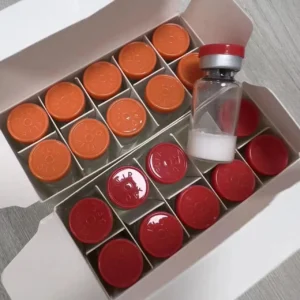
Adipotide vial-dried peptide powder
Research Models
Adipotide (CAS 859216-15-2) provides a versatile platform for a variety of in vitro research models, offering reproducible and controlled experimental conditions. Its high purity, well-defined sequence, and chemical stability make it suitable for laboratories exploring peptide-receptor interactions, signaling pathways, structural dynamics, and analytical method development.
1. Receptor-Ligand Binding Models
Acts as a model ligand for peptide receptor analogs in controlled in vitro binding assays.
Enables evaluation of binding affinity, specificity, and kinetics.
Supports comparative studies of peptide analogs and structure–activity relationship (SAR) analyses.
2. Signal Transduction and Biochemical Models
Facilitates exploration of secondary messenger signaling and intracellular biochemical pathways in vitro.
Allows researchers to model receptor-mediated interactions and mechanistic effects under controlled conditions.
Provides reproducible data for pathway modulation and mechanistic studies.
3. Structural and Conformational Models
Compatible with NMR, CD spectroscopy, FTIR, and computational simulations to study peptide folding, stability, and receptor interface geometry.
Serves as a reference peptide for evaluating analog modifications and their structural impacts.
4. Analytical and Biophysical Models
Functions as a high-purity reference for HPLC, LC-MS, and spectroscopic assays.
Supports method validation, calibration, and reproducibility studies.
Enables controlled evaluation of peptide-surface interactions and stability across experimental conditions.
5. Computational and Multi-Omic Models
Suitable for molecular docking, receptor modeling, and SAR simulations.
Integrates into proteomic, transcriptomic, and systems biology workflows for mechanistic analysis.
Serves as a stable reference for linking in vitro experimental data with computational predictions.
Summary: Adipotide provides a flexible, reproducible, and high-purity platform for multiple in vitro research models. Its chemical stability and well-characterized sequence enable reliable studies of receptor-binding, signaling pathways, structural behavior, analytical methods, and computational modeling, all under strict research-use-only conditions.
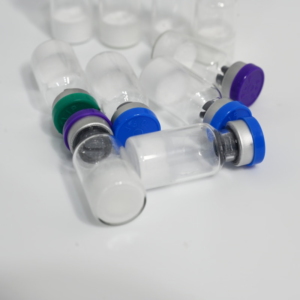
Adipotide vial-dried peptide powder
Experimental Design Considerations
When designing experiments using Adipotide (CAS 859216-15-2), careful planning ensures reproducibility, data accuracy, and optimal laboratory handling. Researchers should define clear objectives, such as receptor-binding analysis, signaling pathway exploration, structural studies, or analytical method validation, before selecting appropriate assay formats. Preliminary titration experiments are recommended to determine optimal working concentrations, typically ranging from 0.1–5 mg/mL depending on the assay type and detection sensitivity.
Including proper controls and replicates is essential. Negative controls (buffer-only) and benchmark positive controls (validated Adipotide peptide) help confirm assay reliability. Technical replicates (≥3) enhance precision, while repeating experiments under identical conditions ensures reproducibility. Low-binding consumables are recommended to minimize peptide loss, and solutions should be handled gently to prevent aggregation.
Buffer and solvent selection is critical. Use neutral pH buffers such as PBS or HEPES to maintain structural integrity, and verify compatibility with downstream analytical methods such as HPLC, LC-MS, or spectroscopy. Reconstituted solutions should be freshly prepared, aliquoted, and stored according to recommended conditions to preserve stability and activity.
Proper documentation and record-keeping are required. This includes lot numbers, COA references, peptide concentrations, buffer compositions, and detailed assay conditions. Maintaining digital or physical laboratory notebooks ensures reproducibility, traceability, and compliance with institutional protocols.
Finally, laboratories should follow established safety protocols, using appropriate personal protective equipment (PPE) and proper waste disposal procedures. Adipotide is strictly for research use and is not intended for human or veterinary applications. Following these guidelines maximizes data quality while ensuring safe and reproducible laboratory practice.
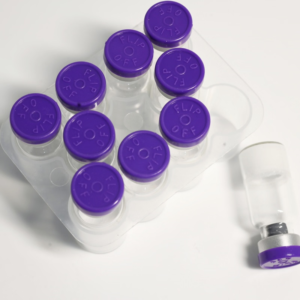
Adipotide vial-dried peptide powder
Laboratory Safety & Handling Guidelines
Adipotide (CAS 859216-15-2) should be handled exclusively in controlled laboratory environments using proper personal protective equipment (PPE), including gloves, lab coats, and safety goggles. Direct contact with skin or eyes must be avoided, and inhalation of the powder should be strictly prevented. Work should be performed in well-ventilated areas or under a fume hood where appropriate, following institutional chemical safety protocols.
The peptide should be stored as a lyophilized powder at -20°C, in a dry environment, and protected from light to maintain stability and structural integrity. Reconstituted solutions should be prepared using sterile water or compatible buffers and aliquoted into single-use portions to prevent repeated freeze-thaw cycles, which can compromise peptide performance. Low-binding consumables are recommended to reduce adsorption and loss during handling.
During experiments, solutions should be handled gently to avoid aggregation. Buffers such as PBS or HEPES are recommended to maintain peptide stability. Analytical assays—including HPLC, LC-MS, and spectroscopy—should follow validated laboratory protocols to ensure accuracy, reliability, and reproducibility.
All residues, used consumables, and reconstituted solutions should be disposed of according to institutional chemical waste regulations. Researchers must maintain meticulous records of lot numbers, COA references, buffer compositions, and experimental parameters for traceability and reproducibility.
Adipotide Peptide is strictly for research use only and is not intended for human or veterinary applications. Following these guidelines ensures safe handling, preserves peptide quality, and supports consistent, reproducible experimental outcomes.
Integration with Multi-Omic & Computational Studies
Adipotide (CAS 859216-15-2) is a highly versatile peptide suitable for integration into multi-omic and computational research workflows. Its defined amino acid sequence, chemical stability, and high purity allow it to function as a reliable model for in silico simulations, proteomic mapping, and systems biology analyses, supporting mechanistic exploration in controlled laboratory settings.
In proteomic research, Adipotide can serve as a reference peptide for mapping peptide–protein interactions, evaluating binding specificity, and analyzing molecular pathways. It enables researchers to generate reproducible in vitro data that can be integrated with transcriptomic or metabolomic datasets, facilitating comprehensive multi-omic analyses and mechanistic interpretations.
For computational modeling, Adipotide is compatible with molecular docking, receptor-ligand simulations, and structure–activity relationship (SAR) studies. Its well-characterized structure allows accurate predictions of binding affinities, conformational dynamics, and interaction hotspots, supporting validation of in silico peptide design and analog optimization.
Integration with multi-omic workflows also enables the correlation of experimental observations with computational predictions, providing mechanistic insights and predictive modeling capabilities. Researchers can use Adipotide as a reference in high-throughput screening, peptide library comparisons, and cross-platform data analysis to strengthen reproducibility and interpretability.
Overall, Adipotide provides a robust bridge between experimental and computational research, supporting the combination of in vitro assays, structural studies, and multi-omic datasets. Its reproducibility, high purity, and chemical stability make it a dependable reagent for advanced peptide-focused research.
Adipotide vial-dried peptide powder
Keywords
Adipotide peptide, high-purity peptide, CAS 859216-15-2, research peptide, freeze-dried peptide, peptide receptor study, analytical peptide standard, peptide structural research, in vitro peptide modeling, multi-omic peptide integration
Shipping Guarantee
Temperature-controlled delivery ensures stability: All shipments of Adipotide are maintained under strictly regulated temperature conditions, preventing degradation during transport. This ensures that the peptide retains its structural integrity and purity upon arrival. Researchers can confidently rely on consistent quality for their experiments.
Tamper-proof packaging secures integrity: Each package is sealed to prevent tampering or contamination. This protects the lyophilized peptide during handling and transport, maintaining reliability and safety.
Global logistics coverage supports reliable delivery: Adipotide can be shipped worldwide with established logistics partners. Tracking systems allow real-time monitoring to ensure timely delivery to laboratories anywhere in the world.
Bulk packaging available for institutional research: Larger quantities are packaged with added care for safe transport and storage. This supports high-throughput experiments and long-term research projects without compromising quality.
Trade Assurance
Factory-direct sourcing guarantees authenticity: All Adipotide batches are produced and verified at our manufacturing facilities, ensuring the product is genuine and traceable. This provides confidence in research reproducibility.
Verified COA documents accompany each batch: Certificates of analysis are provided for every lot, confirming purity, identity, and analytical validation. This enables researchers to document and verify reagent quality for experiments and publications.
Stable supply chain supports ongoing research needs: Consistent production and inventory management ensure uninterrupted supply. Researchers can plan long-term studies without risk of shortages.
OEM packaging and labeling available: Custom packaging and labeling options are offered to meet institutional requirements or branding needs. This facilitates integration into existing laboratory workflows.
Payment Support
Bank transfer, PayPal, and major credit cards accepted: Multiple payment methods are supported to simplify the procurement process for researchers and institutions worldwide.
Corporate procurement channels supported for bulk or recurring orders: Organizations can establish accounts for streamlined, repeated purchases with dedicated account management.
Flexible international payment options: Supports multi-currency transactions and international invoicing, ensuring a smooth and secure ordering experience for global customers.
Disclaimer
Adipotide Peptide is intended exclusively for laboratory research: It must only be used under controlled laboratory conditions and for experimental purposes.
It is not for human or veterinary use: Under no circumstances should it be administered to humans or animals.
Researchers must follow all institutional safety and handling protocols: Proper PPE, documentation, and disposal procedures should always be observed to ensure safety and maintain experimental integrity.
Adipotide (CAS 859216-15-2) is a high-purity synthetic peptide designed for laboratory research. It is supplied as a lyophilized powder and is intended exclusively for in vitro studies.
2. What are the primary research applications of Adipotide?
It is used for receptor-binding studies, peptide-protein interaction analysis, structural and conformational research, analytical method development, and computational modeling.
3. Can Adipotide be used in humans or animals?
No. Adipotide is strictly for research use only and is not intended for human or veterinary applications.
4. What purity is guaranteed?
Each batch is ≥98% pure, verified by HPLC and mass spectrometry.
5. Are certificates of analysis (COA) provided?
Yes. Every batch comes with a COA confirming identity, purity, and analytical validation.
6. In what form is Adipotide supplied?
It is supplied as a freeze-dried, lyophilized powder for stability and ease of handling.
7. How should Adipotide be stored?
Store at -20°C, dry, and protected from light to maintain stability.
8. How should it be reconstituted?
Use sterile water or compatible buffers. Prepare fresh solutions and aliquot to avoid repeated freeze-thaw cycles.
9. Can Adipotide be used for receptor-binding studies?
Yes. It serves as a model ligand for peptide receptor analogs in controlled in vitro assays.
10. Is Adipotide suitable for structural studies?
Yes. Compatible with NMR, circular dichroism (CD), FTIR, and computational modeling.
11. Can it be used for analytical method development?
Yes. Ideal for HPLC, LC-MS, and spectroscopy-based method validation.
12. What are the recommended working concentrations?
Typically 0.1–5 mg/mL depending on assay format and sensitivity.
Cagrisema is a high-purity research-grade compound supplied as lyophilized powder, suitable for in vitro and molecular mechanism studies. Factory-manufactured and available for low-price wholesale supply, it is ideal for experimental applications in biochemistry and cellular research.
$98.00Original price was: $98.00.$92.00Current price is: $92.00.
High-purity Tegafur solution, factory-manufactured, available for low-price wholesale supply. Suitable for preclinical laboratory research, strictly for experimental use only.
$108.00Original price was: $108.00.$96.00Current price is: $96.00.
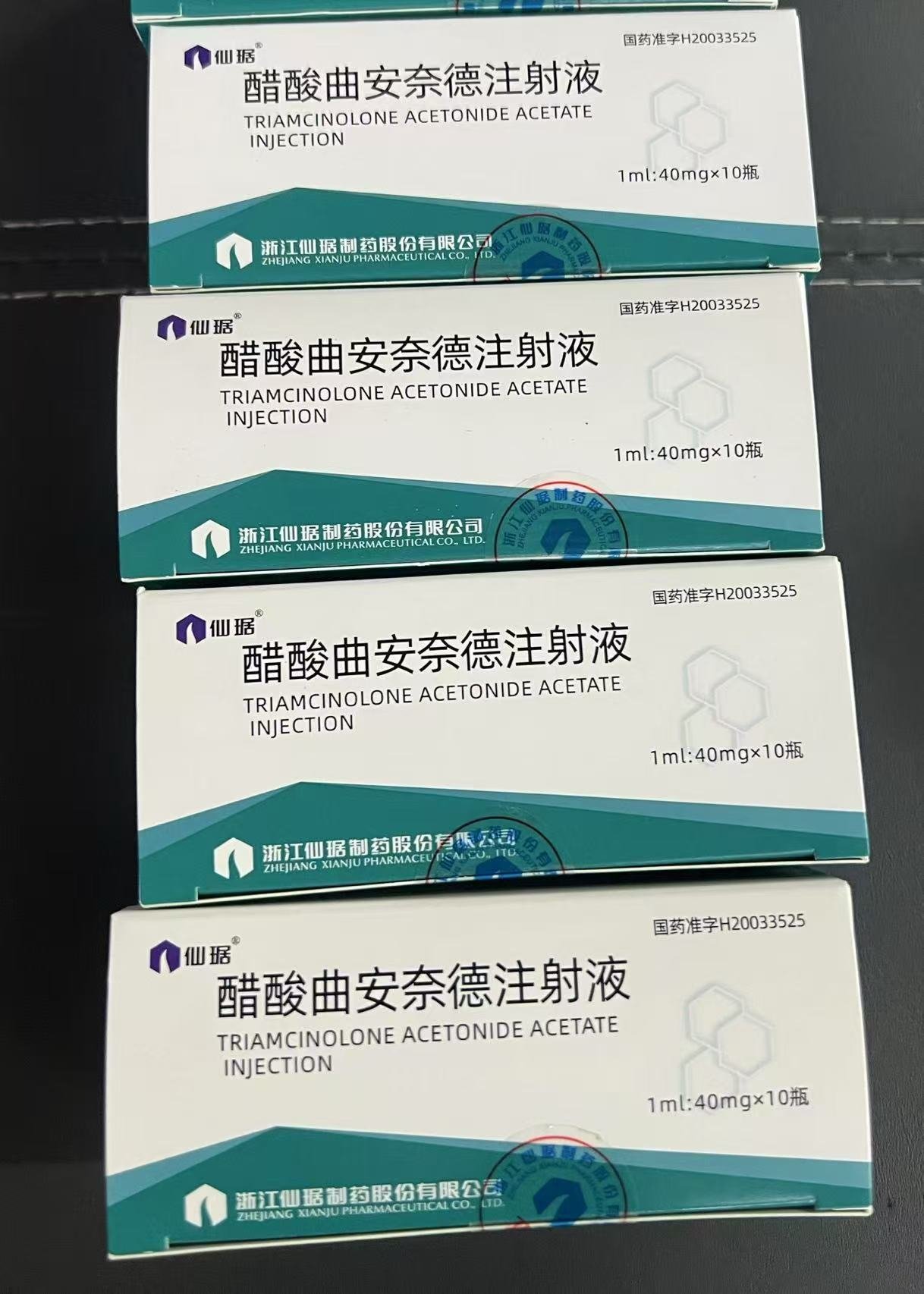
Triamcinolone Acetonide Acetate Injection (brand: Xianju) is supplied as a sterile 1?mL vial containing 40?mg of triamcinolone acetonide acetate in aqueous suspension. Manufactured by Zhejiang Xianju Pharmaceutical Co., Ltd., and approved under NMPA registration H20033525. This long-acting glucocorticoid is ideal for preclinical studies on anti-inflammatory, immunosuppressive, and anti-allergic models.?? Strictly for laboratory research use only.?Please consult staff for other specifications and uses?
Botulinum Toxin is a high-purity lyophilized peptide used exclusively for laboratory research. The peptide is designed for in vitro and preclinical studies investigating neurotoxicity, neurotransmitter release modulation, and synaptic vesicle biology. It is not for human or veterinary use.
$92.00Original price was: $92.00.$86.00Current price is: $86.00.






davismichelle –
Delivery time was reasonable.
drakoy –
Good communication from the seller.