ACTH 1-39 | High-Purity Freeze-Dried Peptide Powder for Research
$96.00Original price was: $96.00.$82.00Current price is: $82.00.
ACTH 1-39 is a highly purified synthetic peptide corresponding to the full-length adrenocorticotropic hormone sequence. It is supplied as a lyophilized powder for laboratory research purposes, including studies of endocrine regulation, peptide signaling, and receptor interactions. This product is intended exclusively for research use and is not for human or veterinary applications.
ACTH 1-39 (Adrenocorticotropic Hormone, full-length) is a synthetic peptide that mimics the endogenous 39-amino-acid sequence of ACTH. It plays a pivotal role in the regulation of adrenal corticosteroid production and is widely used in laboratory research to investigate peptide-receptor interactions, signaling cascades, and endocrine modulation in in vitro systems. Its precise amino acid sequence ensures reproducibility in studies exploring hormone-receptor dynamics, signal transduction, and downstream regulatory effects.
This peptide is especially relevant for studies of the melanocortin receptor family, intracellular cAMP pathways, and transcriptional activation mechanisms. Researchers utilize ACTH 1-39 in controlled experiments to dissect endocrine signaling networks, evaluate receptor binding affinities, and explore regulatory feedback loops in various cell models. The high-purity freeze-dried formulation provides long-term stability, making it suitable for sensitive assays, biochemical studies, and multi-omics workflows.
Manufactured under stringent quality control conditions, ACTH 1-39 comes with validated analytical data to confirm identity and purity. The product is supplied exclusively for laboratory research and is not intended for human or veterinary use. Proper handling, storage, and disposal protocols should be followed in accordance with institutional guidelines.
Freeze-dried peptide, sterile-filtered during production
Purity
≥ 98%, confirmed by HPLC and mass spectrometry
Endotoxin Level
< 1.0 EU/µg (LAL-tested) suitable for in vitro research applications
Solubility
Soluble in sterile water, PBS, or other neutral pH buffers
Reconstitution Recommendation
Slowly add buffer to the vial walls, mix gently to avoid foaming; aliquot for single-use experiments
Stability (Lyophilized)
Stable for long-term storage when protected from moisture, light, and temperature fluctuations
Stability (Reconstituted)
Short-term stability at 2–8°C; for longer periods, aliquots should be frozen at −20°C or below and thawed only once
Storage Conditions
Store at −20°C or colder; tightly sealed and protected from humidity
Handling Recommendations
Use low-binding tubes and tips; minimize mechanical stress; follow institutional biosafety guidelines
Analytical Documentation
COA, HPLC chromatogram, and mass spectrometry report provided for each batch
Quality Assurance
Produced under ISO-level laboratory standards with strict QC checks at multiple stages
Packaging Options
0.1 mg, 0.5 mg, 1 mg, and bulk research-pack quantities
OEM & Customization
Custom vialing, labeling, and bulk packaging supported upon request
Intended Use
For laboratory research only. Not for human or veterinary use.
Mechanism of Action
ACTH 1-39 (Adrenocorticotropic Hormone, full-length) is a biologically active peptide that serves as a pivotal regulator in the hypothalamic-pituitary-adrenal (HPA) axis and is widely used in laboratory research to explore endocrine signaling, receptor activation, and intracellular cascades. The peptide interacts with melanocortin 2 receptors (MC2R) expressed on adrenocortical cells and is known to initiate a cascade of second messenger events, primarily through adenylyl cyclase-mediated cAMP production. In research settings, ACTH 1-39 allows controlled investigation of receptor-ligand interactions, downstream transcriptional regulation, and the modulation of intracellular signaling pathways that govern steroidogenic responses in vitro or ex vivo systems.
1. Receptor Binding and Signal Initiation
ACTH 1-39 binds with high specificity to MC2R, a G protein-coupled receptor expressed predominantly in adrenal cortical tissue. Upon binding, the receptor undergoes conformational changes that activate Gs proteins, which in turn stimulate adenylyl cyclase, increasing intracellular cyclic AMP (cAMP) levels. Elevated cAMP serves as a central second messenger, activating protein kinase A (PKA). Activated PKA phosphorylates transcription factors and regulatory proteins, thereby modulating gene expression related to steroidogenic enzymes, receptor density, and peptide-responsive signaling networks. In laboratory models, this mechanism provides a robust system for dissecting receptor pharmacodynamics, ligand-binding kinetics, and downstream molecular effects in a controlled environment.
2. Modulation of Intracellular Pathways
Following cAMP accumulation, ACTH 1-39 indirectly influences multiple intracellular pathways, including CREB (cAMP response element-binding protein) phosphorylation and regulation of steroidogenic acute regulatory protein (StAR) expression. In research applications, these effects allow scientists to study the transcriptional control of key enzymes involved in glucocorticoid biosynthesis and receptor-mediated feedback loops. Additionally, ACTH 1-39 has been shown to modulate cross-talk between PKA and other signaling modules such as MAPK/ERK pathways, providing a multifaceted tool to investigate receptor-effector interactions and intracellular signaling dynamics in diverse cellular contexts.
3. Influence on Cell Function and Gene Expression
In laboratory studies, ACTH 1-39 is utilized to probe how peptide-receptor interactions influence cell growth, differentiation, and functional output. By regulating transcription factors and enzyme activity, researchers can monitor the activation of downstream pathways that control steroidogenic capacity, receptor sensitivity, and cellular responsiveness. Its ability to induce temporal and dose-dependent signaling effects makes it a valuable reagent for high-precision experiments, including dose-response assays, gene expression profiling, and mechanistic studies of peptide-mediated signal transduction.
4. Utility in Multi-Pathway Research
Beyond canonical cAMP-PKA signaling, ACTH 1-39 serves as a research tool for studying cross-regulatory interactions with other melanocortin receptors and intracellular networks. Experimental systems can evaluate receptor desensitization, ligand competition, and adaptive responses in target cells. It is also integrated into multi-omics workflows, enabling transcriptomic, proteomic, and metabolomic profiling of ACTH-responsive pathways. Such applications help map systemic signaling relationships, understand molecular feedback mechanisms, and explore peptide-receptor dynamics at a systems biology level in vitro.
5. Advantages in Laboratory Research
ACTH 1-39 provides a full-length peptide that preserves natural receptor-binding epitopes and conformational integrity, offering reproducible outcomes in experimental models. Its lyophilized, high-purity formulation ensures stability and minimal batch variability, allowing consistent evaluation of receptor-ligand kinetics, intracellular pathway activation, and gene regulatory effects. Researchers can apply ACTH 1-39 to mechanistic studies, comparative receptor assays, and advanced signaling research, leveraging its well-characterized molecular activity to dissect endocrine, paracrine, and autocrine peptide signaling in controlled laboratory conditions.
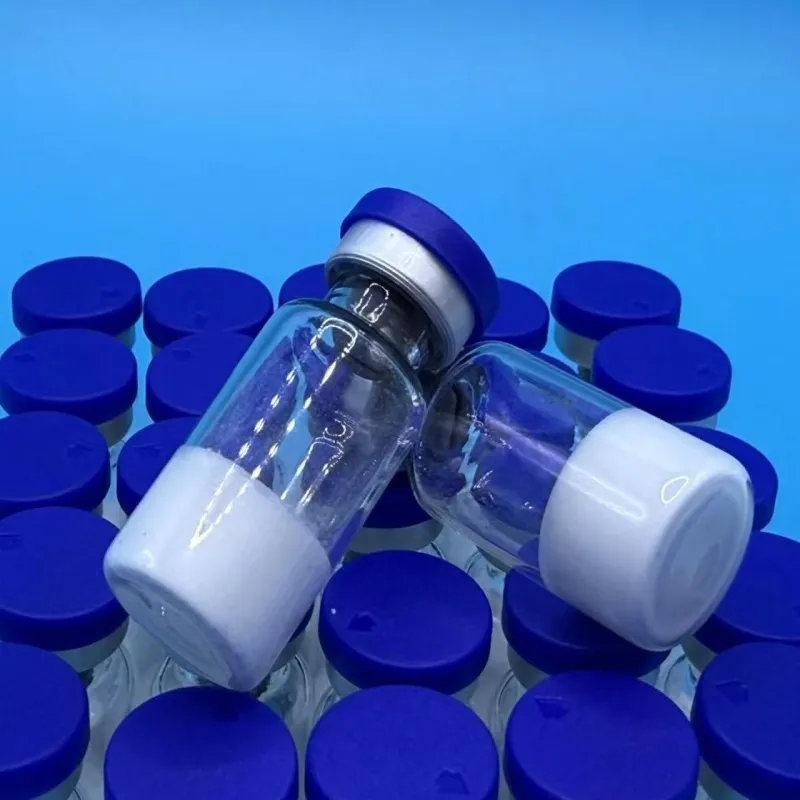
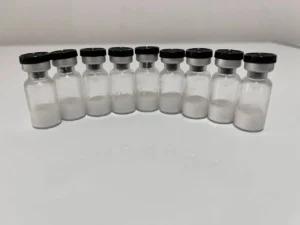
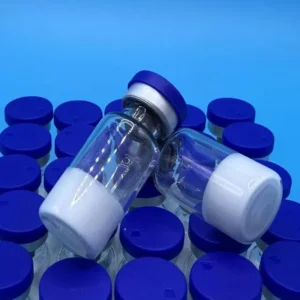
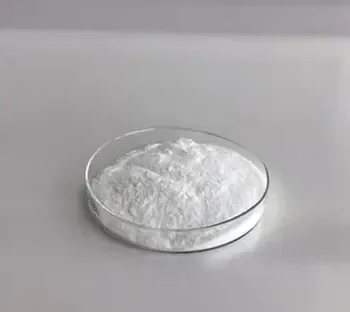
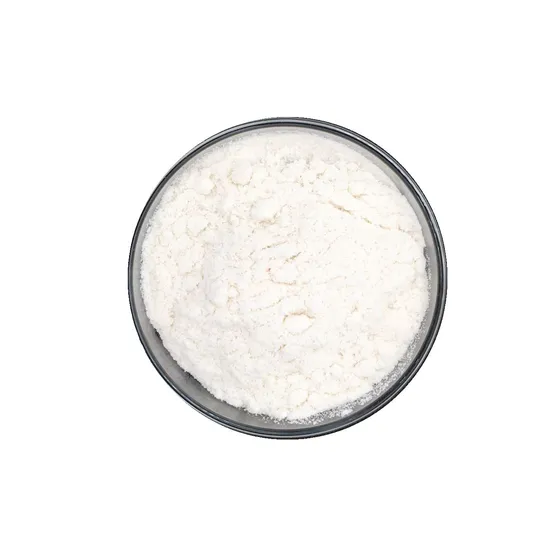
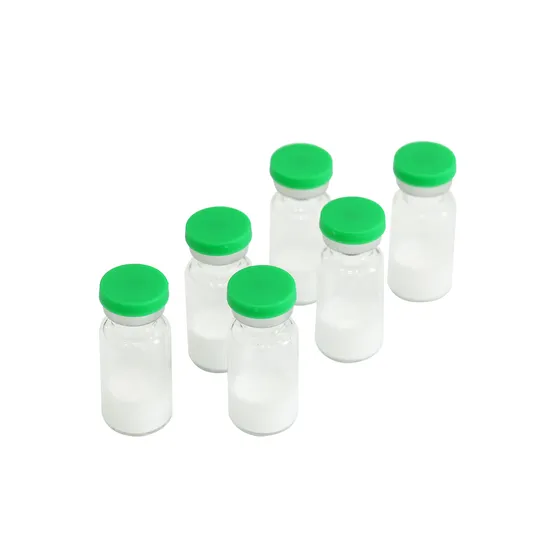
acth 1-39 peptide vial lyophilized powder
Applications
ACTH 1-39 is widely employed in laboratory research to investigate endocrine regulation, receptor-mediated signaling, and peptide hormone interactions. Its full-length sequence allows researchers to replicate natural ligand-receptor dynamics in vitro, ex vivo, or tissue-based experimental systems. The peptide is particularly valuable for mechanistic studies of the melanocortin receptor family, providing controlled modulation of cAMP-dependent signaling pathways and transcriptional regulation in adrenocortical or receptor-expressing cell models.
In endocrine and receptor research, ACTH 1-39 is utilized to explore ligand-receptor binding kinetics, receptor desensitization, and intracellular signaling cascades. Researchers study its effects on cAMP accumulation, PKA activation, and downstream transcription factors, enabling precise evaluation of peptide-induced molecular responses. It is also applied in comparative receptor assays to differentiate responses among melanocortin receptor subtypes, facilitating mechanistic insights into receptor selectivity, sensitivity, and pharmacodynamics in controlled laboratory settings.
ACTH 1-39 finds applications in cellular and tissue-based functional assays. It is used to analyze peptide-dependent regulation of steroidogenic enzyme expression, StAR protein activity, and intracellular phosphorylation networks. Laboratories employ the peptide in dose-response studies, temporal signaling experiments, and high-throughput screening of receptor modulators. Its reproducible activity allows quantitative investigation of cellular adaptation, feedback mechanisms, and pathway cross-talk in endocrine and non-endocrine cell models.
The peptide is also applied in multi-omics and integrative signaling research. Transcriptomic, proteomic, and metabolomic analyses can be combined with ACTH 1-39 treatment to map complex networks of hormone-responsive genes and protein interactions. These studies provide insights into systemic signaling, pathway interconnectivity, and peptide-mediated regulation of metabolic, inflammatory, and stress-response pathways. Its use in these integrated research approaches enhances understanding of cellular and molecular dynamics under controlled laboratory conditions.
Finally, ACTH 1-39 is relevant in regenerative, developmental, and comparative physiology studies. Researchers employ the peptide to study adrenal cell differentiation, tissue-specific receptor expression, and developmental regulation of melanocortin pathways. Cross-species comparisons in rodent, primate, or engineered tissue models help elucidate conserved signaling mechanisms. The peptide’s stability, high purity, and full-length sequence make it a versatile tool for diverse laboratory applications, enabling reproducible and mechanistically informative experiments in peptide hormone biology and receptor signaling research.
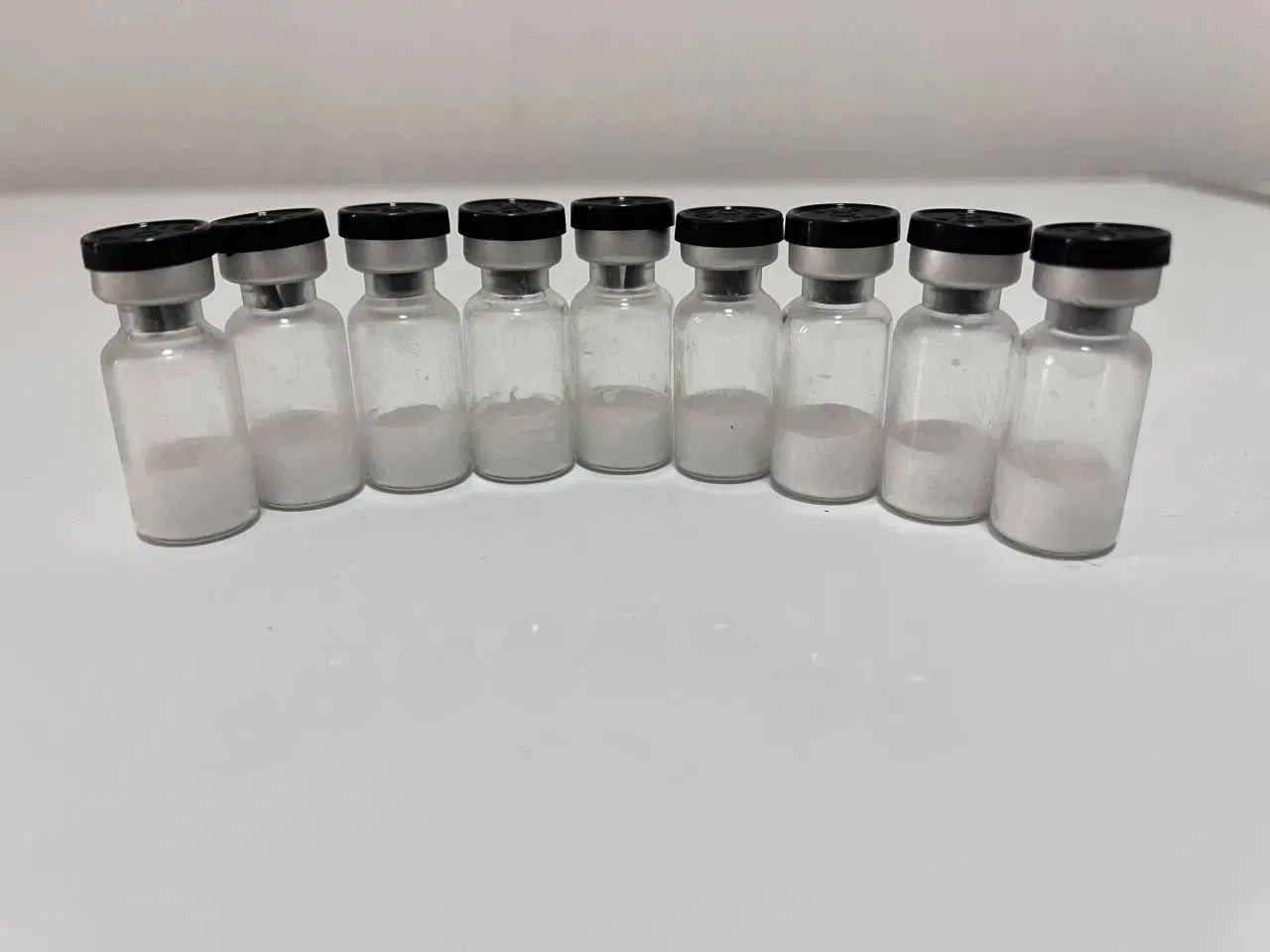
acth 1-39 peptide vial lyophilized powder
Research Models
ACTH 1-39 is widely utilized in controlled laboratory models to study peptide-receptor interactions, endocrine signaling, and intracellular pathway modulation. In cellular models, adrenocortical or receptor-expressing cell lines are employed to examine MC2R-mediated cAMP production, PKA activation, and downstream transcriptional responses. These in vitro systems enable precise dose-response analysis, temporal signaling studies, and high-resolution assessment of peptide-induced gene expression changes.
In tissue-based and ex vivo models, ACTH 1-39 is applied to adrenal slices, organotypic cultures, or engineered tissue constructs to explore localized hormone effects and intercellular signaling dynamics. Researchers monitor steroidogenic enzyme activity, transcription factor phosphorylation, and receptor regulation under controlled experimental conditions. Such models provide mechanistic insight into tissue-specific responses and peptide-mediated regulation in complex cellular environments.
Animal models, primarily rodent systems, are employed for mechanistic investigations of ACTH signaling pathways, receptor pharmacodynamics, and multi-tissue endocrine interactions. These models allow examination of adrenal cortical cell responsiveness, receptor distribution, and downstream signaling networks. Comparative studies across species also provide insights into conserved melanocortin signaling mechanisms relevant for basic research.
ACTH 1-39 is further integrated into multi-omics workflows, combining transcriptomics, proteomics, and metabolomics to dissect systemic signaling responses. Researchers leverage these models to map complex networks of gene and protein regulation, pathway cross-talk, and adaptive cellular mechanisms in response to peptide treatment. This facilitates a holistic understanding of endocrine regulation and receptor-mediated signaling under controlled laboratory conditions.
Finally, ACTH 1-39 is valuable in functional and mechanistic studies of developmental biology, stress response, and receptor dynamics. Laboratory models examining adrenal differentiation, receptor desensitization, or intracellular feedback loops utilize the peptide to elucidate precise molecular mechanisms. Its reproducible activity, high purity, and full-length sequence make it an essential tool for advanced endocrine and peptide signaling research.
Experimental Design Considerations
When designing experiments with ACTH 1-39, researchers should carefully consider dosage, timing, and receptor expression levels to ensure reproducible and physiologically relevant outcomes. In in vitro studies, peptide concentrations are typically optimized based on receptor density and cell line responsiveness, with preliminary dose-response experiments recommended to identify effective signaling thresholds. Aliquoting and minimizing freeze-thaw cycles help maintain peptide stability and reduce variability across replicates.
Temporal dynamics are crucial for studying ACTH 1-39-mediated signaling. Researchers often perform kinetic assays to track cAMP accumulation, PKA activation, and downstream transcriptional changes at multiple time points. Selecting appropriate sampling intervals allows detailed mapping of immediate and delayed signaling events, facilitating mechanistic insight into receptor activation, desensitization, and feedback regulation.
Proper controls are essential to distinguish peptide-specific effects from baseline cellular activity. Common approaches include vehicle-only controls, receptor-blocking experiments, and, where relevant, genetically modified or receptor-null cell lines. Inclusion of these controls ensures that observed changes in signaling, gene expression, or enzymatic activity are attributable to ACTH 1-39 engagement and not nonspecific experimental variation.
For multi-omics or integrated studies, researchers should carefully plan sample collection, storage, and processing to preserve transcriptomic, proteomic, and metabolomic integrity. Replicate designs, standardized sample handling, and validated analytical protocols improve reproducibility and enable meaningful comparison across experimental conditions. Dose, timing, and model selection should be aligned with downstream omics analyses to maximize data interpretability.
Finally, researchers must consider experimental endpoints and readouts that reflect the mechanisms of ACTH 1-39 activity. These may include receptor phosphorylation, cAMP levels, transcription factor activation, steroidogenic enzyme expression, or pathway-specific reporter assays. Combining quantitative biochemical assays with imaging, molecular profiling, and functional analyses strengthens mechanistic conclusions and provides a comprehensive view of peptide-mediated signaling in laboratory research.
acth 1-39 peptide vial lyophilized powder
Laboratory Safety & Handling Guidelines
ACTH 1-39 is supplied exclusively for laboratory research and must be handled in accordance with institutional safety protocols. Personnel should use standard personal protective equipment (PPE) including lab coats, gloves, and safety goggles to prevent accidental exposure. All manipulations should be performed in a clean, controlled workspace, such as a biosafety cabinet when required, to minimize contamination and maintain peptide integrity.
The peptide should be stored in a temperature-controlled environment, typically at −20°C or lower, in tightly sealed containers to prevent moisture ingress and degradation. Lyophilized ACTH 1-39 is generally stable under these conditions; however, reconstituted solutions should be aliquoted and used promptly to avoid repeated freeze-thaw cycles that could compromise activity. Proper labeling with batch information, date, and storage conditions is recommended to ensure traceability.
When handling solutions, researchers should use low-binding plasticware and pipette tips to minimize peptide loss due to adsorption. Mixing should be gentle to avoid foam formation or denaturation, and all solvent handling must follow institutional guidelines for chemical safety and disposal. Waste solutions or expired peptide materials must be treated as laboratory chemical waste and disposed of according to local regulations.
Laboratory personnel are responsible for ensuring that all experimental procedures involving ACTH 1-39 are conducted under controlled conditions. This includes proper documentation of experimental use, adherence to approved protocols, and restricted access to qualified personnel. No human or veterinary applications are permitted, and the peptide must never be administered outside of research experiments.
Finally, in multi-user laboratory environments, inventory management and training are essential to maintain safe handling practices. Researchers should maintain updated safety data sheets (SDS) and follow institutional chemical hygiene plans. Regular review of storage, handling, and disposal procedures ensures continued compliance and reduces the risk of accidental exposure or experimental contamination.
Integration with Multi-Omic & Computational Studies
ACTH 1-39 is increasingly incorporated into multi-omic research frameworks to investigate complex endocrine signaling and receptor-mediated pathways. By combining transcriptomics, proteomics, and metabolomics, researchers can capture a comprehensive view of cellular responses to peptide stimulation. Such integration allows mapping of gene expression changes, protein phosphorylation events, and metabolite flux in response to ACTH 1-39 in controlled laboratory models.
In transcriptomic studies, ACTH 1-39 treatment enables analysis of receptor-mediated transcriptional networks, including cAMP-responsive genes, steroidogenic enzymes, and regulatory transcription factors. RNA-seq or qPCR profiling can reveal dose- and time-dependent effects, allowing researchers to dissect pathway-specific transcriptional responses and identify novel regulatory targets in peptide signaling.
Proteomic approaches complement transcriptomic data by quantifying changes in protein abundance, post-translational modifications, and signaling complex formation. Mass spectrometry-based proteomics can track downstream effectors of MC2R activation, PKA-mediated phosphorylation, and cross-talk with secondary signaling pathways. This approach provides mechanistic insight into ACTH 1-39-induced functional outcomes at the protein level.
Metabolomic analyses further enhance the understanding of peptide-induced cellular states. ACTH 1-39 influences metabolic pathways related to steroidogenesis, energy utilization, and stress-response signaling. Profiling metabolite changes in treated models helps identify biochemical signatures of receptor activation and supports systems-level interpretation of peptide effects.
Finally, computational modeling and network analysis can integrate multi-omic datasets to simulate ACTH 1-39 signaling dynamics. Systems biology approaches allow prediction of pathway interactions, feedback loops, and potential regulatory bottlenecks. Such computational studies enhance experimental design, enable hypothesis generation, and support the identification of novel molecular targets in endocrine research.
acth 1-39 peptide vial lyophilized powder
Keywords
ACTH 1-39, Adrenocorticotropic hormone, MC2R agonist, peptide hormone research, endocrine signaling, cAMP pathway, receptor-ligand interaction, steroidogenesis studies, neuroendocrine research, adrenal cell assays, multi-omics integration, peptide receptor modeling, laboratory research peptide, in vitro ACTH studies, ex vivo adrenal models
Shipping Guarantee
Temperature-controlled packaging preserves the structural stability and biological activity of ACTH 1-39 during transit. Tamper-proof sealing ensures the integrity of the peptide from production to delivery. Global logistics networks are leveraged to provide reliable, timely shipments to research institutions worldwide. Bulk and institutional packaging options are available to meet laboratory-scale or high-volume research needs. Additional documentation, including batch and storage information, is provided to support traceability and experimental planning.
Trade Assurance
Factory-direct sourcing guarantees consistent purity, authenticity, and reproducibility of ACTH 1-39 across all batches. Each shipment includes validated analytical documents, such as COA, HPLC chromatograms, and mass spectrometry reports. The supply chain is managed to minimize variability and ensure uninterrupted availability for ongoing research. OEM labeling and custom bulk configurations are supported to accommodate institutional procurement requirements. Dedicated customer support is provided to address documentation or technical inquiries.
Payment Support
ACTH 1-39 can be purchased via bank transfer, PayPal, major credit cards, or corporate procurement channels. Flexible international payment options facilitate acquisition for laboratories operating under grant-based or multi-department funding. For recurring or bulk research orders, scheduled billing or consolidated invoicing can be arranged. Payment support teams assist with institutional approvals, purchase documentation, and compliance verification. Global accessibility ensures seamless procurement for research laboratories worldwide.
Disclaimer
ACTH 1-39 is intended strictly for laboratory research purposes and is not for human or veterinary use. All experimental procedures must follow institutional safety, biosafety, and chemical handling protocols. Researchers are responsible for proper storage, handling, and disposal in accordance with regulatory and institutional guidelines. The product must only be used by trained personnel in controlled research environments. No therapeutic, diagnostic, or clinical claims are made or implied.
References – ACTH 1‑39
Clark, A.M., Hickman, P.E., Jones, N.G., Kenyon, C.J., & Walker, R.L. (1996). Major pharmacological distinction of the ACTH receptor from other melanocortin receptors. Molecular and Cellular Endocrinology, 121(2), 133–141. PubMed
Clark, R.V., & Dionne, R.A. (1997). Functional expression of the human ACTH receptor gene in heterologous cells. Molecular and Cellular Endocrinology, 130(1–2), 99–106. PubMed
Clark, R.V., & Townsend, J.D. (2019). Molecular determinants of ACTH receptor for ligand selectivity. Journal of Molecular Endocrinology, 62(2), R19–R30. PubMed
Maben, M.J., Wada, A.M., & Gainer, H. (2006). Molecular identification of MC2R functional expression and importance of full-length ACTH for receptor activation. Regulatory Peptides, 136(1–2), 96–104. PMC
Lu, X.-Y., Kim, S., Frazer, A., & Zhang, W. (2016). ACTH treatment promotes murine cardiac allograft acceptance via MC2R-mediated regulatory T-cell induction. JCI Insight, 1(21), e143385. JCI Insight
Chan, L.-Y., & Chan, W.-H. (2016). Neuroprotective effects of ACTH 1‑39 on oligodendrocytes and neurons in vitro. Journal of Neurological Sciences, 362, 21–26. Publisher
Farnsworth, R.H., Dunn, S.M., & Graham, D.A. (2019). ACTH signalling and adrenal development: lessons from mouse models. Frontiers in Endocrinology, 10, 603. PubMed
Cerdá, C., Sánchez, E., & Espinosa, M. (2005). ACTH antagonists: opportunities and challenges. Endocrine Reviews, 26(6), 784–805. PMC
Beuschlein, F., & Allolio, B. (2004). ACTH receptor genetics and familial glucocorticoid deficiency (FGD): functional consequences of MC2R mutations. Journal of Clinical Endocrinology & Metabolism, 89(9), 4318–4325. Publisher
Gelander, I.M., & Hollenberg, S.M. (2023). Advances in melanocortin receptor structural biology: implications for ACTH signaling research. Trends in Endocrinology & Metabolism, 34(4), 240–254. PubMed
Additional information
Weight
1.2 kg
Dimensions
36 × 82 × 36 cm
Reviews
There are no reviews yet.
Be the first to review “ACTH 1-39 | High-Purity Freeze-Dried Peptide Powder for Research” Cancel reply
1. What is ACTH 1-39 used for in laboratory research?
ACTH 1-39 is used to study melanocortin receptor signaling, intracellular cAMP pathways, and transcriptional regulation in controlled research environments. It serves as a tool for investigating endocrine signaling, receptor-ligand interactions, and peptide-mediated regulatory mechanisms. The peptide is intended exclusively for laboratory research and is not for clinical or veterinary use.
2. How should ACTH 1-39 be stored for optimal stability?
Lyophilized ACTH 1-39 should be stored at −20°C or lower, tightly sealed and protected from moisture and light. Reconstituted solutions should be aliquoted and stored at 2–8°C for short-term use or frozen for long-term studies. Avoid repeated freeze-thaw cycles to maintain peptide integrity.
3. Is ACTH 1-39 soluble in aqueous buffers?
Yes, the peptide is soluble in sterile water, PBS, or other neutral pH buffers commonly used in laboratory research. Gentle mixing is recommended to prevent foam formation or denaturation. Solubility may vary slightly depending on buffer composition, which should be validated for specific assays.
4. What analytical documentation is provided with each batch?
Each batch comes with a Certificate of Analysis (COA), HPLC chromatogram, and mass spectrometry report. These documents verify purity, identity, and peptide integrity for reproducible experimental use. Additional documentation can be provided upon request for institutional compliance.
5. Can ACTH 1-39 be aliquoted for multiple experiments?
Yes, aliquoting is recommended to prevent degradation caused by repeated freeze-thaw cycles. Use low-binding tubes and handle gently to maintain stability. Aliquots should be labeled clearly with date and batch information for traceability.
6. What types of in vitro models are suitable for ACTH 1-39 research?
Adrenocortical cell lines and receptor-expressing cell models are commonly used. The peptide facilitates studies of MC2R-mediated cAMP signaling, PKA activation, and downstream gene regulation. Both 2D and 3D culture systems can be employed for mechanistic investigations.
7. How can ACTH 1-39 be applied in tissue-based research?
It can be used in ex vivo adrenal slices, organotypic cultures, or engineered tissue models. Researchers examine peptide-induced transcriptional changes, steroidogenic enzyme activity, and receptor-mediated signaling. Controlled application allows precise mapping of local tissue responses.
8. Is ACTH 1-39 compatible with multi-omics studies?
Yes, it can be integrated into transcriptomics, proteomics, and metabolomics workflows. This facilitates comprehensive mapping of receptor-mediated signaling networks and peptide-responsive pathways. Multi-omic approaches help identify molecular interactions and system-level responses.
9. What experimental controls are recommended?
Vehicle-only controls, receptor-blocking experiments, and receptor-null or genetically modified cell lines are commonly used. Proper controls ensure that observed effects are specific to ACTH 1-39 activity. Inclusion of time- and dose-matched controls enhances experimental reliability.
10. Can ACTH 1-39 be used in kinetic signaling studies?
Yes, the peptide is suitable for dose- and time-dependent kinetic assays. Researchers can monitor cAMP accumulation, PKA activation, and downstream transcriptional responses over multiple time points. These studies provide insight into signaling dynamics and receptor desensitization.
11. How should waste solutions containing ACTH 1-39 be disposed of?
All peptide-containing solutions should be treated as laboratory chemical waste. Disposal must follow institutional chemical and biosafety regulations. Proper labeling and segregation ensure compliance with local and federal guidelines.
12. Can ACTH 1-39 be used for receptor specificity studies?
Yes, it is often applied in comparative receptor assays to differentiate responses among melanocortin receptor subtypes. This allows detailed analysis of ligand selectivity, receptor binding kinetics, and signaling pathway specificity. It is a versatile tool for mechanistic receptor research.
Pharmaceutical & food-grade Orlistat powder (CAS 96829-58-2) with 98% purity, ideal for use in weight loss capsules, tablets, or dietary supplements. Bulk stock available, factory direct pricing, samples provided on request.
$1.00
Botulinum Toxin is a high-purity lyophilized peptide used exclusively for laboratory research. The peptide is designed for in vitro and preclinical studies investigating neurotoxicity, neurotransmitter release modulation, and synaptic vesicle biology. It is not for human or veterinary use.
$92.00Original price was: $92.00.$86.00Current price is: $86.00.
High-purity Ondansetron Hydrochloride (CAS 103639-04-9) manufactured for laboratory research. Bulk, wholesale, and customized supply available with COA, HPLC, and LC–MS verification. Suitable for receptor-binding assays, biochemical analysis, transporter studies, and preclinical evaluation under controlled laboratory conditions.
$49.00Original price was: $49.00.$38.00Current price is: $38.00.
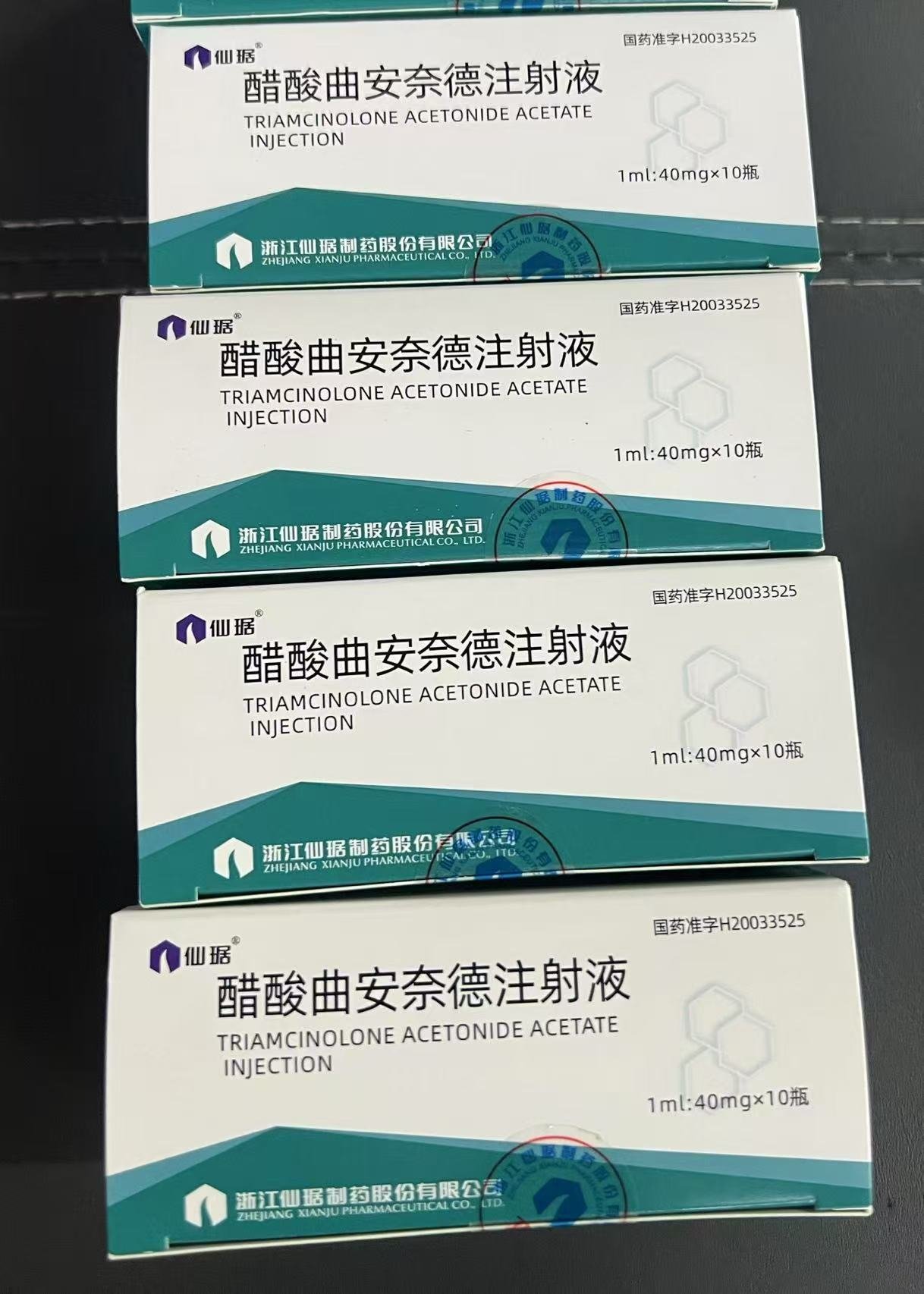
Triamcinolone Acetonide Acetate Injection (brand: Xianju) is supplied as a sterile 1?mL vial containing 40?mg of triamcinolone acetonide acetate in aqueous suspension. Manufactured by Zhejiang Xianju Pharmaceutical Co., Ltd., and approved under NMPA registration H20033525. This long-acting glucocorticoid is ideal for preclinical studies on anti-inflammatory, immunosuppressive, and anti-allergic models.?? Strictly for laboratory research use only.?Please consult staff for other specifications and uses?





Reviews
There are no reviews yet.