
No products in the cart.
Sale
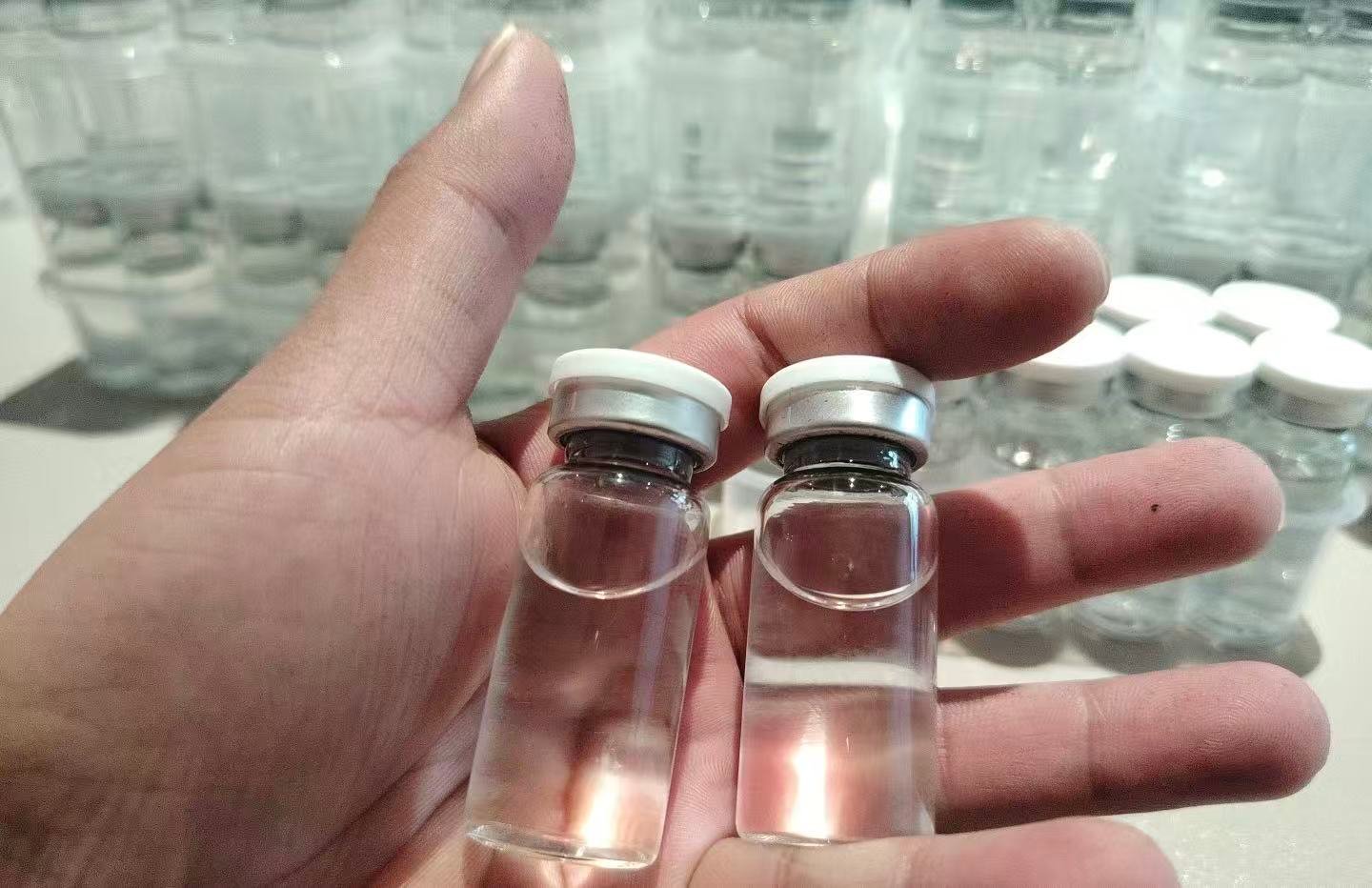
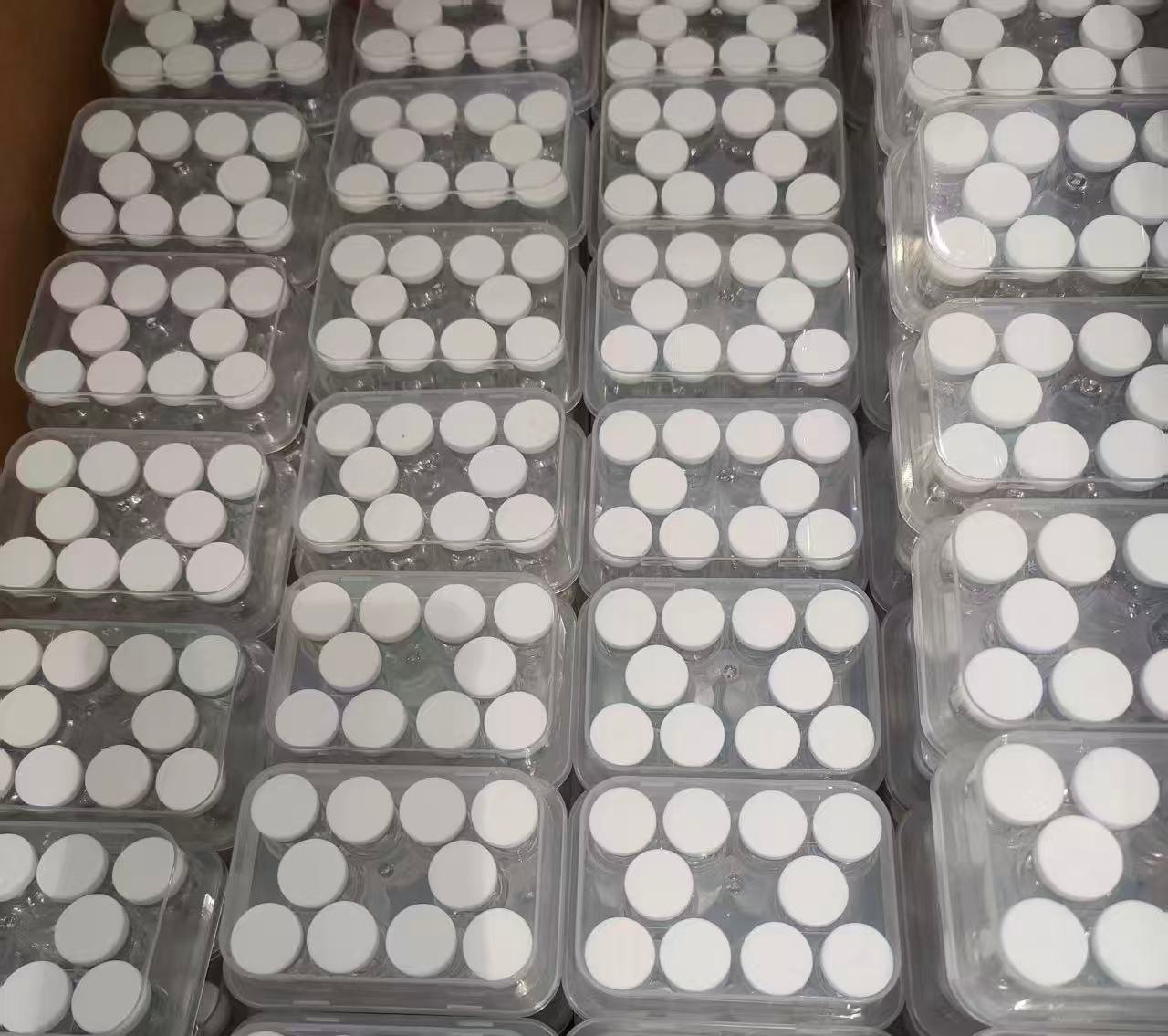
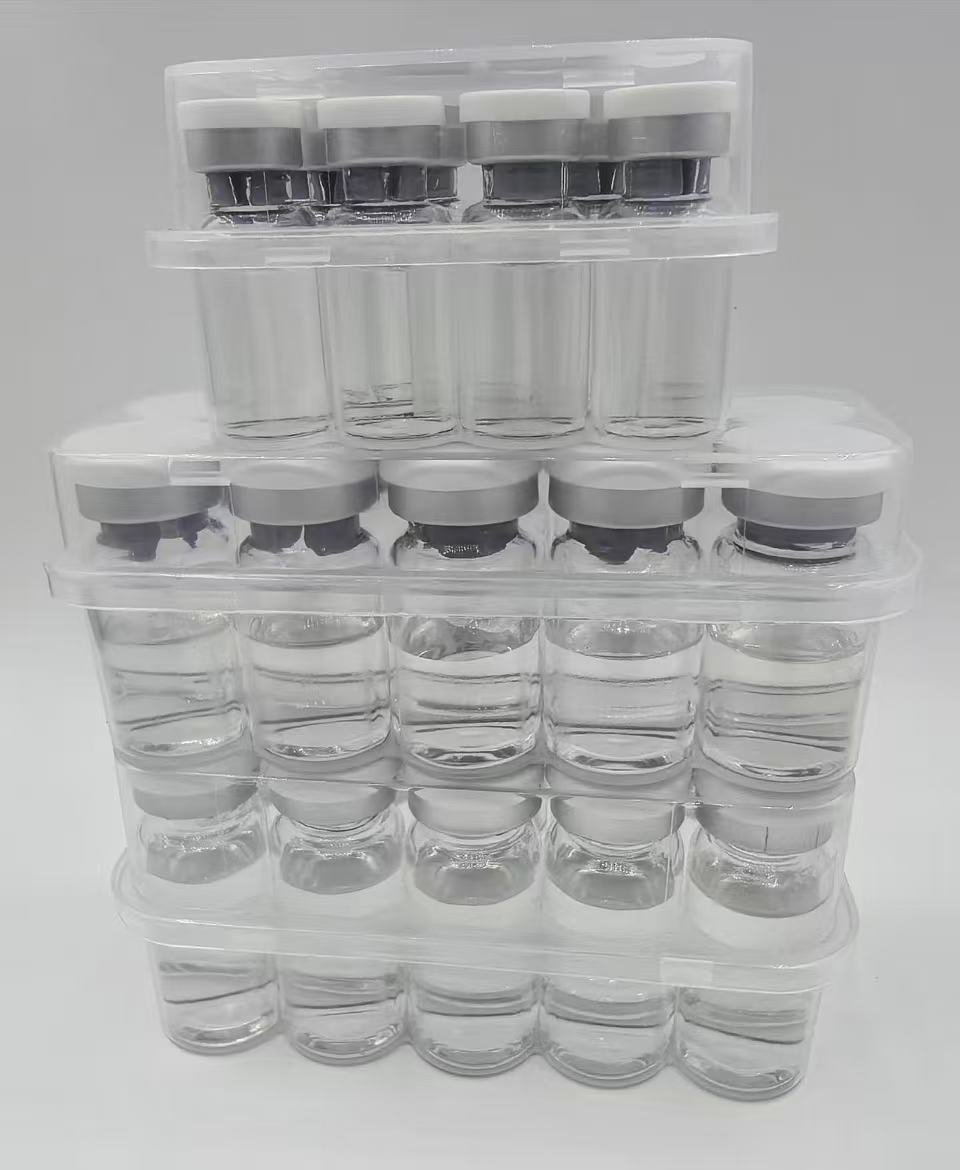
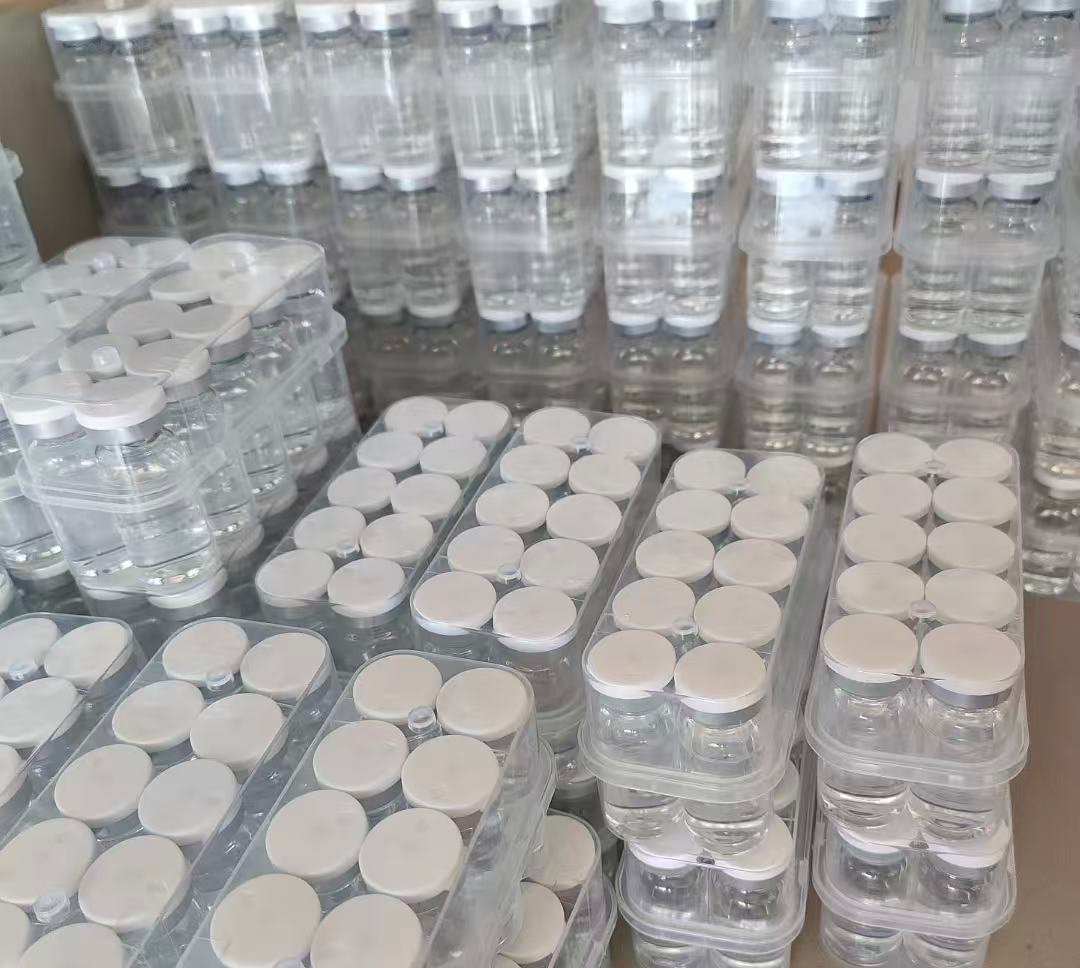
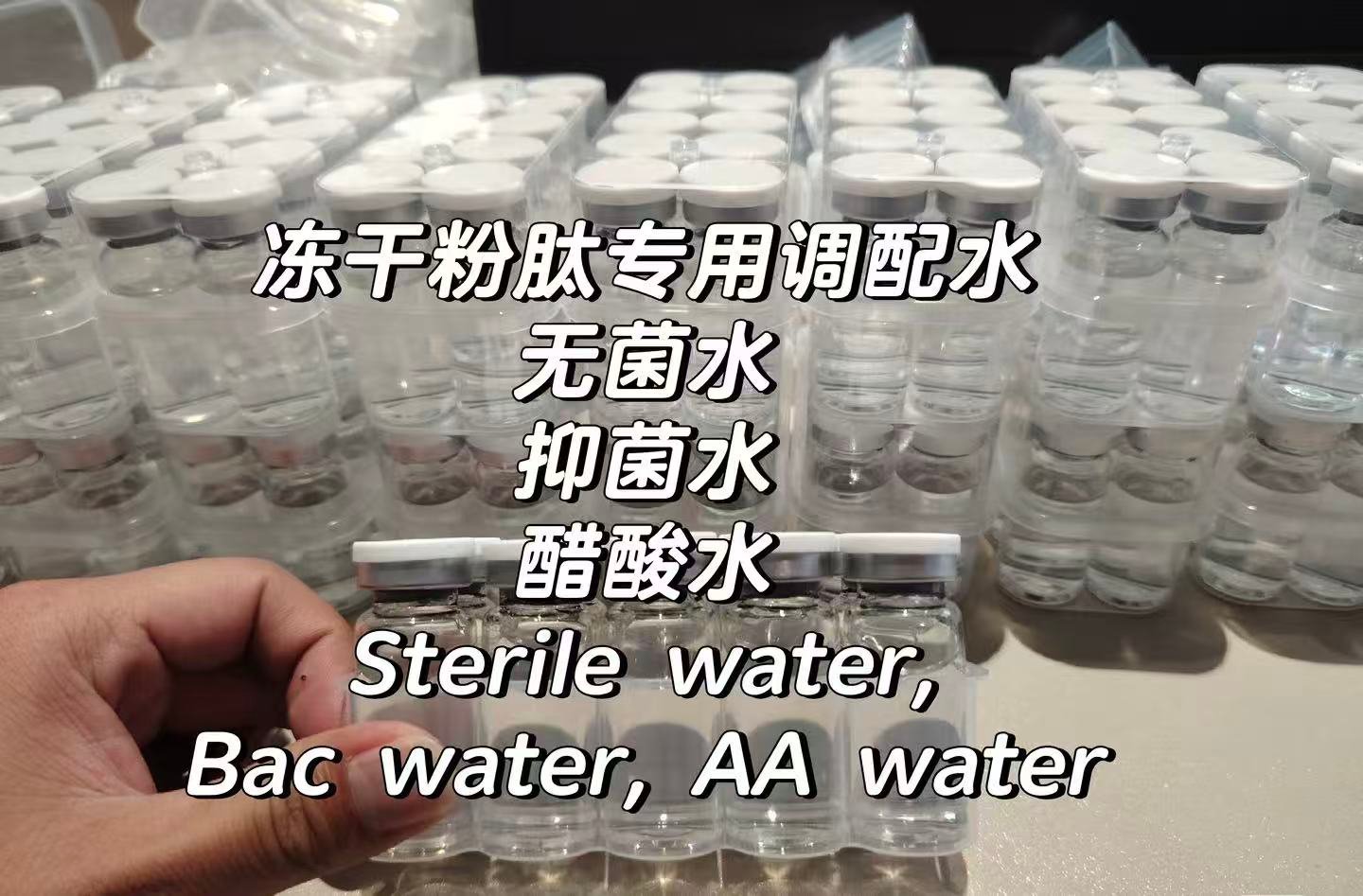
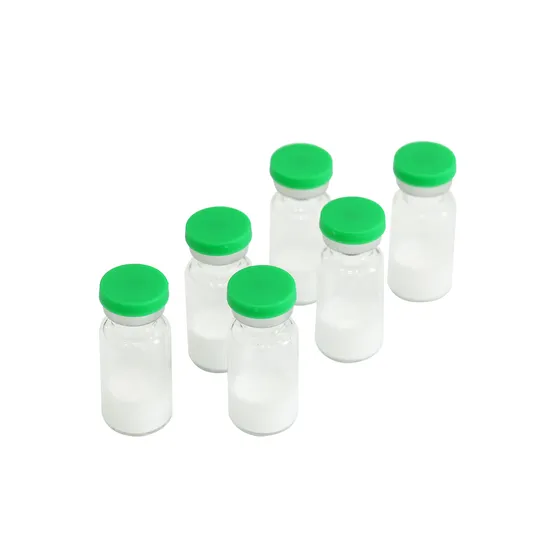
Bacteriostatic Water (BAC. Water) Factory manufactured – low-price wholesale supply
Original price was: $10.00.$8.00Current price is: $8.00.
High-purity bacteriostatic water supplied in research-grade format. Factory-manufactured for reproducible laboratory use, with bulk, wholesale, and OEM packaging options available. Provided exclusively for research purposes.

Description
Bacteriostatic Water Product Description
Bacteriostatic Water (BAC. Water) is a sterile, high-purity aqueous solution containing a low concentration of bacteriostatic agent, most commonly 0.9% benzyl alcohol. This specially formulated research-grade water is designed to provide a contaminant-free medium for laboratory applications where sterility, chemical stability, and reproducibility are essential. The bacteriostatic agent inhibits microbial growth, allowing multiple withdrawals from a single container without compromising solution integrity, making it particularly valuable for experiments requiring repeated access to sterile solutions.
This product is widely used in research laboratories for preparing, diluting, and reconstituting peptides, proteins, nucleic acids, and other laboratory reagents. Its chemical inertness ensures that dissolved compounds retain their physicochemical properties, supporting accurate and reliable experimental outcomes. BAC. Water is suitable for a broad range of laboratory applications, including molecular biology assays, biochemistry studies, cell culture experiments, and high-throughput automated workflows. Its use helps maintain sterility and consistency across experimental replicates, reducing variability caused by microbial contamination or solution degradation.
Manufactured under strict quality control, each batch of BAC. Water undergoes rigorous sterility verification, pH monitoring, and chemical analysis. The pH is maintained within a neutral range of 4.5–7.0 to ensure compatibility with most laboratory reagents, and endotoxin levels are kept below 0.25 EU/mL, meeting research-grade standards. These quality measures guarantee reproducibility across experiments and consistency across different batches, enabling researchers to conduct multi-step or longitudinal studies with confidence.
BAC. Water supports diverse laboratory workflows, including in vitro cell-based studies, peptide and protein reconstitution, enzymatic assays, and multi-step solution preparation for analytical chemistry applications. Its stability in solution allows for repeated withdrawals without significant risk of contamination, supporting long-term experimental setups and high-throughput screening applications. Researchers can rely on BAC. Water to maintain the integrity of sensitive reagents, particularly in studies requiring precise concentration control and minimal introduction of extraneous variables.
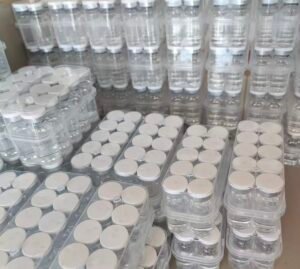
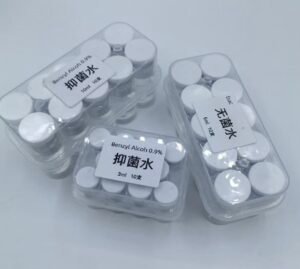
The product is offered in various packaging formats, including small vials, bulk bottles, and OEM configurations, making it suitable for individual researchers, institutional laboratories, and large-scale research facilities. Its robust quality assurance and consistent performance make it an indispensable component of laboratory reagent inventories, ensuring that experiments are conducted with reliable and sterile aqueous solutions.
Bacteriostatic Water is intended exclusively for laboratory research use. It is not intended for human, clinical, or veterinary use. Researchers must adhere to all institutional safety guidelines, use appropriate aseptic techniques when handling the product, and follow recommended storage conditions to maintain sterility and chemical stability. Proper labeling, storage at 2–8°C, and minimized repeated exposure to ambient air are recommended to preserve the product’s bacteriostatic properties.
By providing a reliable, sterile, and chemically inert aqueous medium, BAC. Water facilitates accurate experimental preparation, supports reproducible laboratory workflows, and ensures the integrity of sensitive reagents in research environments. Its high purity, validated sterility, and multi-use capability make it a cornerstone reagent for laboratories engaged in molecular, biochemical, and cell-based studies.
Bacteriostatic Water Product Specifications
| Parameter | Details |
|---|---|
| Product Name | Bacteriostatic Water (BAC. Water) |
| Form | Sterile aqueous solution |
| Bacteriostatic Agent | 0.9% Benzyl Alcohol (research-grade) |
| Purity | ≥99.9% water content |
| Appearance | Clear, colorless solution |
| pH Range | 4.5–7.0 (batch verified) |
| Sterility | Certified sterile via standard microbiological testing |
| Endotoxin Level | <0.25 EU/mL (meets research-grade standard) |
| Storage Conditions | Store at 2–8°C; protect from light and contamination |
| Shelf Life | 24 months under recommended storage conditions |
| Analytical Documentation | Certificate of Analysis (COA) and sterility certificate included |
| Packaging Options | Vials, bulk bottles, and OEM/custom configurations available |
| Compatibility | Suitable for peptides, proteins, molecular biology reagents, and cell culture solutions |
| Handling Notes | Use aseptic techniques; minimize repeated opening to maintain sterility |
| Batch Verification | Lot-specific sterility, pH, and chemical composition verified |
| Research Applications | Solution preparation, reagent dilution, and contamination-free experimental setups |
Additional Notes
Bulk and high-volume laboratory supply options are available for institutional orders.
OEM packaging and labeling are supported for research-specific requirements.
Each batch undergoes rigorous sterility testing and chemical verification to ensure reproducibility in experimental workflows.
Bacteriostatic Water Mechanism of Action
Bacteriostatic Water (BAC. Water) functions primarily as a sterile aqueous medium containing a low concentration of bacteriostatic agent, typically 0.9% benzyl alcohol. The bacteriostatic agent works by inhibiting microbial growth, preventing bacterial replication, and maintaining solution sterility during repeated withdrawals. This property ensures that Bacteriostatic Water (BAC. Water) remains contaminant-free, making it suitable for repeated use in laboratory workflows that require high levels of sterility.
The chemical composition of Bacteriostatic Water (BAC. Water) is designed to be inert, meaning it does not react with peptides, proteins, nucleic acids, or other laboratory reagents dissolved in the solution. This inertness preserves the physicochemical properties of experimental compounds, allowing researchers to maintain reproducibility and accuracy across multiple experiments. By providing a stable aqueous environment, Bacteriostatic Water (BAC. Water) supports sensitive assays and high-precision laboratory procedures without introducing additional variables.
In practice, Bacteriostatic Water (BAC. Water) is commonly used for peptide and protein reconstitution, preparation of molecular biology solutions, and maintenance of sterile conditions in multi-step experimental setups. Its bacteriostatic effect ensures that solutions can be accessed multiple times without compromising sterility, which is especially important in high-throughput studies or experiments requiring repeated reagent handling.
The mechanism of action of Bacteriostatic Water (BAC. Water) is preventive rather than curative. It does not sterilize contaminated solutions but maintains sterility by inhibiting microbial growth. This property makes it an essential laboratory reagent for maintaining consistent solution quality over time. By combining sterility, chemical stability, and bacteriostatic activity, Bacteriostatic Water (BAC. Water) provides researchers with a reliable medium for experimental preparation, contributing to reproducible results in a wide range of research applications, including biochemical assays, cell culture studies, and analytical workflows.

Applications
Bacteriostatic Water (BAC. Water) is a versatile reagent used across numerous laboratory applications that require a sterile, contaminant-free aqueous medium. Its primary function is to provide a stable and chemically inert solution for the preparation, dilution, and reconstitution of peptides, proteins, nucleic acids, and other sensitive laboratory compounds. The inclusion of a bacteriostatic agent ensures that the solution maintains sterility even after multiple withdrawals, supporting reproducibility and experimental reliability.
In molecular biology and biochemistry research, this water is commonly used to prepare enzyme assay reagents, dilute stock solutions, or reconstitute lyophilized compounds. Its stability ensures that the functional integrity of dissolved molecules is preserved, allowing researchers to obtain consistent and accurate experimental outcomes. The ability to use the same container for multiple experiments reduces waste and enhances efficiency in laboratory workflows.
Cell culture and in vitro studies benefit from its sterile properties. The water provides a contaminant-free environment when preparing or diluting reagents, minimizing the risk of microbial interference that could compromise cell viability or experimental results. It is particularly valuable in studies requiring repeated solution handling, where maintaining sterility is essential for reproducibility.
In high-throughput and automated laboratory workflows, the solution serves as a reliable medium for multi-well plate experiments, robotic liquid handling systems, and multi-step experimental procedures. Its chemical inertness prevents interference with sensitive assays, making it suitable for complex experimental designs that demand consistency and precision.
Additionally, it is applied in analytical chemistry and protein research, providing a stable aqueous medium for biochemical measurements, peptide reconstitution, and solution preparation. Using a sterile solution ensures that enzymatic activities and molecular interactions are accurately captured without contamination affecting the results.
Overall, the applications of this sterile water span a wide range of laboratory environments, from basic molecular biology to advanced high-throughput screening. Its combination of sterility, chemical stability, and multi-use capability makes it an essential reagent for laboratories seeking reproducible, reliable, and contamination-free solutions. By supporting controlled experimental conditions, it allows researchers to maintain high standards in solution preparation, reagent handling, and assay consistency.
Research Models
Bacteriostatic Water (BAC. Water) is utilized in various laboratory research models that require sterile aqueous solutions to ensure reproducibility and accuracy. Its bacteriostatic properties help maintain contamination-free conditions, making it ideal for experiments where multiple withdrawals from the same solution are needed.
In cell-based in vitro studies, it is often used to dilute or prepare peptides, proteins, and other reagents. The solution’s chemical inertness ensures that experimental compounds retain stability and functionality, which is critical for assays measuring enzyme activity, cellular responses, or signaling pathways. Researchers benefit from the ability to access the same solution multiple times without compromising sterility, supporting long-term studies and dose-dependent experiments.
Bacteriostatic Water is also applied in biochemical and molecular biology experiments, including protein reconstitution, enzyme assays, and nucleic acid handling. Using a sterile, stable aqueous medium helps prevent microbial contamination and ensures consistent results across repeated experiments. This contributes to higher data quality and reliability in laboratory workflows.
For high-throughput or automated systems, it provides a reliable solution for multi-well plates, robotic liquid handling setups, and multi-step experimental designs. Its stability allows repeated use while minimizing the risk of introducing variability or errors.
Overall, Bacteriostatic Water (BAC. Water) serves as a foundational reagent for research models requiring precise, sterile aqueous solutions. By maintaining contaminant-free conditions and chemical stability, it supports reproducibility, accuracy, and reliable outcomes in a wide range of laboratory applications, including peptide studies, protein assays, and cellular experiments.
Experimental Design Considerations
When using Bacteriostatic Water (BAC. Water) in research, careful planning and protocol design are essential to maintain solution integrity and ensure reproducible results.
1. Aseptic Technique and Handling
All withdrawals should be performed using sterile equipment and proper aseptic techniques to prevent accidental contamination. Minimizing repeated opening of vials helps preserve sterility throughout the experimental workflow.
2. Solution Preparation and Compatibility
BAC. Water provides a neutral and chemically inert medium suitable for dissolving or diluting peptides, proteins, and other laboratory reagents. Researchers should verify solubility and pH compatibility with each experimental compound to avoid precipitation or degradation.
3. Storage and Stability Management
Prepared solutions should be stored according to recommended conditions (2–8°C, protected from light). Lyophilized reagents reconstituted in BAC. Water should be used promptly or aliquoted to minimize repeated freeze-thaw cycles.
4. Documentation and Traceability
Maintaining accurate records of batch numbers, preparation dates, and solution volumes ensures reproducibility and traceability in laboratory studies. Documenting experimental conditions and deviations helps maintain high-quality research outcomes.
5. Application-Specific Considerations
Depending on the experimental model—cell culture, peptide reconstitution, or high-throughput assays—researchers should adjust volume, concentration, and handling protocols to ensure compatibility with downstream analyses and prevent unintended interference with experimental endpoints.
Laboratory Safety & Handling Guidelines
Working with Bacteriostatic Water (BAC. Water) in research laboratories requires standard laboratory precautions to ensure safety and maintain solution sterility.
1. Personal Protective Equipment (PPE)
Researchers should wear gloves, lab coats, and eye protection when handling BAC. Water to prevent accidental contact with skin or mucous membranes.
2. Aseptic Handling Practices
Use sterile equipment and minimize direct exposure to the environment to prevent contamination. Work surfaces should be clean and disinfected before and after use.
3. Storage and Handling
Store BAC. Water at 2–8°C in tightly sealed containers, protected from light and heat. Avoid repeated opening to maintain sterility and bacteriostatic efficacy.
4. Waste Disposal
Dispose of any unused solution or contaminated materials according to institutional chemical and biological waste protocols. Never pour into general waste streams.
5. Documentation and Compliance
Maintain proper logs of batch numbers, storage conditions, and experimental usage. Ensure that all handling practices comply with institutional biosafety and chemical safety guidelines to maintain a safe research environment.
Integration with Multi-Omic & Computational Studies
Bacteriostatic Water (BAC. Water) provides a reliable and sterile medium that can be seamlessly integrated into multi-omic research workflows and computational studies. Its high purity and chemical inertness make it suitable for preparing reagents, diluting biomolecules, and maintaining consistent solution conditions across experiments, which is essential for generating reproducible datasets in genomics, proteomics, metabolomics, and other omics platforms.
In genomic and transcriptomic studies, this sterile water can be used to prepare nucleic acid solutions or dilute reagents while minimizing the risk of microbial contamination. Consistent solution quality ensures accurate sequencing, qPCR, or microarray analyses, which form the basis of reliable computational modeling and downstream bioinformatic analyses. By providing a controlled environment for sensitive molecules, Bacteriostatic Water supports high-quality data acquisition and reduces experimental variability.
For proteomics and metabolomics workflows, the water provides a stable solvent for protein, peptide, or metabolite preparations. Its inert nature prevents chemical interference, ensuring that molecular structures and functional activities are preserved for mass spectrometry, chromatography, or enzymatic assays. Researchers can confidently integrate these solutions into high-throughput workflows, maintaining reproducibility across multiple experimental batches.
In computational modeling and systems biology, reliable preparation of reagents using sterile water is critical. Consistent solubility and stability of peptides, proteins, or metabolites allow accurate simulation of biochemical networks, molecular dynamics, and interaction studies. Multi-step workflows and repeated experimental sampling benefit from the water’s bacteriostatic properties, supporting robust data input for computational algorithms and predictive modeling.
Overall, integrating Bacteriostatic Water into multi-omic and computational research ensures that sample integrity is maintained, contamination is minimized, and experimental reproducibility is enhanced. Its role as a sterile, stable, and chemically inert aqueous medium provides researchers with the confidence needed for advanced omics studies and data-driven computational analyses, making it an essential reagent for modern laboratory research workflows.

Keywords
Bacteriostatic water, sterile research water, BAC water, laboratory-grade water, peptide dilution water, molecular biology water, sterile aqueous solution, research-grade solvent, multi-use sterile water, high-purity laboratory water, solution preparation water, protein handling water, cell culture water, aqueous vehicle for research, laboratory reagent water
Shipping Guarantee
Bacteriostatic Water (BAC. Water) is shipped under strict temperature-controlled conditions to ensure sterility and chemical integrity. Packaging is tamper-proof and designed to prevent contamination during transit. Bulk packaging options are available for institutional or multi-unit research requirements.
Global logistics coverage ensures reliable delivery to research laboratories worldwide. Real-time tracking, coordinated dispatch schedules, and verified documentation provide confidence in product stability and timely arrival. Special handling instructions for temperature-sensitive shipments are adhered to, minimizing the risk of compromise during transport.
Trade Assurance
Factory-direct sourcing guarantees consistent quality, sterility, and high purity for every batch of BAC. Water. Each lot is accompanied by verified analytical documentation, including Certificates of Analysis (COA) and sterility verification, supporting reproducible research outcomes.
OEM and bulk packaging options are available to meet specific institutional requirements. The stable supply chain ensures uninterrupted availability for laboratories conducting repeated or long-term experiments. Verified quality control processes and audits reinforce supplier reliability and compliance with research-grade standards.
Payment Support
Bacteriostatic Water can be purchased via multiple secure payment methods, including bank transfer, PayPal, and major international credit cards. Corporate procurement channels are supported for bulk orders or recurring laboratory purchases.
Flexible payment arrangements accommodate institutional budgets, international currency options, and structured purchasing workflows. All transactions follow encrypted protocols to ensure security and compliance with organizational purchasing standards.
Disclaimer
Bacteriostatic Water (BAC. Water) is intended exclusively for research use only. It is not for human, clinical, or veterinary use. All handling and experimental procedures must comply with institutional laboratory safety protocols.
Researchers should follow standard laboratory practices when preparing solutions or conducting experiments. This product is not a drug, supplement, or therapeutic agent, and no claims of clinical benefit, administration, or human use are implied or permitted.
References
National Center for Biotechnology Information (NCBI). Bacteriostatic Water Information. PubChem
U.S. Pharmacopeia (USP). Bacteriostatic Water for Injection – Standards and Guidelines. USP
U.S. Food and Drug Administration (FDA). Guidance on Sterile Water and Bacteriostatic Water Use. FDA
Martindale: The Complete Drug Reference – Bacteriostatic Water. PharmacologyReference
FDA. Sterile Water for Injection, USP – Labeling and Use in Research Settings. FDA
Bowers, C. M., et al. Sterility and Bacteriostatic Considerations in Laboratory Solutions. Journal of Pharmaceutical Sciences, 2016. PubMed
European Pharmacopoeia. Sterile Water and Bacteriostatic Preparations – Monographs. EP
Additional information
| Weight | 1.2 kg |
|---|---|
| Dimensions | 53 × 28 × 53 cm |
What is bacteriostatic water?
Bacteriostatic water is sterile water containing a small concentration of a bacteriostatic agent, commonly used in research laboratories to prevent microbial growth in aqueous solutions.
Can bacteriostatic water be used for human or veterinary applications?
No. This product is strictly for laboratory research use only and is not intended for clinical, human, or veterinary purposes.
What is the bacteriostatic agent in BAC. Water?
Most batches contain 0.9% benzyl alcohol as the bacteriostatic agent; always confirm with the Certificate of Analysis (COA).
What form is bacteriostatic water supplied in?
It is supplied as a sterile, clear, colorless aqueous solution in vials or bulk containers.
How should bacteriostatic water be stored?
Store at 2–8°C in a dry, dark place. Avoid prolonged exposure to light or repeated opening that may compromise sterility.
Is bacteriostatic water compatible with peptides and proteins?
Yes, it is suitable for reconstitution and dilution of peptides, proteins, or other laboratory reagents.
Does bacteriostatic water come with analytical documentation?
Yes, each batch is supplied with a COA verifying sterility, pH, and chemical composition.
Can bacteriostatic water be used multiple times from the same vial?
Yes, the bacteriostatic agent allows for multiple withdrawals while maintaining sterility, provided aseptic technique is used.
Is bacteriostatic water suitable for cell culture experiments?
Yes, it can be used in experiments requiring sterile aqueous solutions, including some in vitro assays.
Can bacteriostatic water be shipped internationally?
Yes, it is shipped using temperature-controlled, tamper-proof packaging to ensure integrity.
Does bacteriostatic water have a defined pH range?
Yes, the typical pH is between 4.5 and 7.0, depending on the batch and manufacturer verification.
Can bacteriostatic water be used in high-throughput laboratory workflows?
Yes, it is suitable for multi-well or automated systems requiring sterile, contaminant-free water.
What precautions should be taken when handling bacteriostatic water?
Use standard laboratory PPE, maintain aseptic technique, and avoid contaminating the solution or work area.
Is bacteriostatic water suitable for analytical chemistry studies?
Yes, it provides a stable, sterile solvent for preparing solutions for molecular, protein, or peptide assays.
How should used bacteriostatic water be disposed of?
Follow institutional chemical and biological waste disposal protocols. Do not pour into general water systems.
Related products
ACE-031 (CAS 1621169-52-5) High purity peptide Factory manufactured
ACE-031 is a recombinant research-grade fusion protein designed for laboratory studies involving myostatin pathway inhibition, muscle-related signaling, and ligand-binding interactions. Manufactured under high-purity conditions, it supports mechanistic, biochemical, and multi-omic research workflows. For research use only. Original price was: $48.00.$42.00Current price is: $42.00.Tegafur (CAS 17902-23-7) | High purity | For research use only
High-purity Tegafur solution, factory-manufactured, available for low-price wholesale supply. Suitable for preclinical laboratory research, strictly for experimental use only. Original price was: $108.00.$96.00Current price is: $96.00.Botulinum Toxin 99% High Purity Lyophilized Powder for scientific research
Botulinum Toxin is a high-purity lyophilized peptide used exclusively for laboratory research. The peptide is designed for in vitro and preclinical studies investigating neurotoxicity, neurotransmitter release modulation, and synaptic vesicle biology. It is not for human or veterinary use. Original price was: $92.00.$86.00Current price is: $86.00.Venetoclax(ABT-199)CAS 1257044-40-8 | Low-price wholesale supply
Venetoclax CAS 1257044-40-8 is a potent, selective, bioavailable BCL-2 inhibitor widely used in hematologic malignancy research. Offered in high-purity laboratory grade, it supports mechanistic, translational, and multi-omic studies exploring apoptosis induction, combination regimens, drug-resistance pathways, and targeted therapy development. $2.00




Reviews
There are no reviews yet.