
No products in the cart.
Peptide Functionality: Discovery, Classification, and Biological Significance in Human Physiology
Disclaimer: This article is intended solely for academic research and educational purposes. It does not constitute medical advice, diagnosis, or treatment.
Peptide Functionality Introduction
Peptide functionality has emerged as a central concept in understanding human biology at the molecular level. Peptides are short chains of amino acids that act as bioactive molecules, influencing a wide range of physiological processes. Unlike large proteins, peptides are small enough to be absorbed efficiently and interact with cells in highly specific ways. Over the past century, scientists have discovered that peptides play critical roles in regulating cellular activity, metabolism, immune responses, and intercellular communication.
The discovery of peptides began in the early 20th century, with pioneering research identifying naturally occurring peptide chains that could stimulate various biological responses. Over time, the study of peptide functionality expanded to include their roles as signaling molecules, modulators of enzymatic activity, and contributors to systemic homeostasis. Today, molecular peptides are recognized not only for their biological importance but also for their potential applications in nutrition, health maintenance, and biomedical research.
Research into peptide functionality has revealed that the human body contains thousands of diver
se peptides, each with specific roles in regulating growth, development, immune function, and tissue repair. This diversity enables peptides to modulate numerous physiological pathways simultaneously. As a result, peptides are now studied as essential agents for understanding cellular mechanisms and promoting human health.
In the context of modern scientific inquiry, peptide functionality represents a bridge between molecular biology, nutrition science, and therapeutic research. Their ability to influence multiple biological systems makes them a powerful tool for academic exploration, highlighting the complex interplay between diet, molecular biochemistry, and physiological regulation. This article aims to provide a comprehensive overview of peptide functionality, their classification, structural characteristics, roles in human systems, and their applications in both daily health and research.
Peptide Functionality Definition and Structural Characteristics
Peptide functionality refers to the specific biological and physiological activities exhibited by peptides. Structurally, peptides are chains of amino acids connected by peptide bonds, forming linear or cyclic arrangements. The sequence, length, and chemical properties of amino acids determine the functional properties of a peptide. Peptides are generally shorter than proteins, typically ranging from 2 to 50 amino acids, allowing them to interact efficiently with cellular receptors and enzymes.
Structural diversity is a key factor in peptide functionality. Linear peptides have a straightforward amino acid sequence that determines their binding affinity to target molecules, while cyclic peptides offer enhanced stability against enzymatic degradation. Modifications such as phosphorylation, acetylation, or glycosylation can further influence a peptide’s stability, solubility, and biological activity.
Molecular peptides can be classified based on their chemical properties, such as hydrophobicity, charge, or polarity. Hydrophilic peptides often function in aqueous environments such as the bloodstream, while hydrophobic peptides may interact with lipid membranes or intracellular organelles. Additionally, peptides can adopt secondary structures, including alpha-helices, beta-sheets, and random coils, which contribute to their biological activity.
The functional capabilities of peptides stem from their ability to interact specifically with cellular targets. For example, certain peptides bind to receptors on immune cells, modulating inflammatory responses, while others may regulate enzymatic pathways that control metabolic processes. Peptide functionality also encompasses their capacity to cross cell membranes, deliver molecular signals, and participate in intracellular communication.
Understanding the structure-function relationship of peptides is crucial for their application in health, research, and biotechnology. By analyzing amino acid sequences, modifications, and three-dimensional structures, researchers can predict or design peptides with targeted bioactivity. These principles underpin the development of peptide-based nutritional supplements, research tools, and functional biomolecules for experimental studies.
Classification of Peptide Functionality
Peptides can be categorized according to their biological activity, origin, or structural properties. Major classifications include:
1. Endogenous Peptides
These peptides are synthesized naturally within the human body and regulate physiological processes. Examples include:
Hormonal peptides that influence growth, metabolism, and reproduction.
Neurotransmitter peptides that modulate neural activity.
Regulatory peptides that support immune and inflammatory responses.
2. Exogenous Peptides
Peptides obtained from external sources, including dietary proteins and biotechnological synthesis. Examples include:
Peptides derived from plant proteins (e.g., soy, wheat, or nuts).
Peptides extracted from animal proteins with compatible amino acid sequences.
Synthetic peptides designed for research or nutritional purposes.
3. Functional Peptides
These peptides exhibit specific biological actions, such as:
Antimicrobial activity for infection control.
Antioxidant properties for cellular protection.
Enzyme modulation for metabolic regulation.
By classification, peptide functionality emphasizes their role as active molecular participants rather than passive structural components. This distinction is critical for understanding their application in research, nutrition, and experimental therapeutics.
Nutritional and Functional Roles of Peptides
Peptides are recognized as essential nutritional and functional molecules that support human physiological integrity. As small, bioactive compounds, they contribute to metabolic regulation, tissue repair, immune enhancement, and cellular signaling. Due to their compact structure, peptides are absorbed more efficiently than intact proteins, allowing them to reach target tissues rapidly.
Bioactive molecules derived from peptides can act as signaling agents, influencing hormonal balance, enzyme activity, and intercellular communication. They provide substrates for the synthesis of structural proteins such as collagen, supporting skin, bone, and connective tissue health. Peptides also participate in antioxidant defense, scavenging reactive oxygen species and protecting cells from oxidative stress.
In nutrition, peptides support growth, repair, and maintenance of bodily tissues. They provide essential amino acids in bioavailable forms, promoting muscle protein synthesis, joint health, and energy metabolism. Functional peptides have been studied for their ability to enhance immune responses, modulate inflammation, and regulate blood pressure and lipid profiles.
The functional roles of peptides extend beyond nutrition into research applications. Molecular peptides are utilized as experimental probes to investigate cellular mechanisms, signal transduction, and metabolic pathways. Their predictable activity and specificity make them valuable tools for academic studies, drug development, and nutritional science.
By integrating peptides into dietary and research frameworks, scientists and educators can explore their multifaceted roles in health, highlighting the interconnection between molecular structure and biological function.
Applications in Daily Health and Research
Peptides are increasingly recognized for their applications in daily health and experimental research. Peptide functionality supports cellular metabolism, tissue regeneration, immune modulation, and physiological maintenance. Nutritionally, peptides provide bioavailable amino acids that promote muscle health, connective tissue support, and organ function. Their small size and high bioactivity allow peptides to be absorbed efficiently and exert systemic effects.
In research, molecular peptides are indispensable as tools for investigating cellular pathways. Scientists utilize peptides to study receptor-ligand interactions, enzymatic regulation, and intracellular signaling. Functional peptides can mimic natural bioactive molecules, enabling controlled experiments on metabolism, immunity, and developmental processes.
Peptides also support educational and laboratory applications. By understanding peptide functionality, students and researchers can explore structure-function relationships, experimental design, and translational research approaches. Nutritional studies use peptides to assess bioavailability, metabolic impact, and systemic effects on organ systems.
Furthermore, peptide functionality has practical relevance in public health research. Studies show that dietary peptides contribute to antioxidant defense, modulate inflammatory pathways, and support cardiovascular and metabolic health. Their incorporation into functional foods, nutraceuticals, and research protocols demonstrates their dual role as both bioactive molecules and investigative tools.
By bridging daily health and scientific research, peptides exemplify the integration of molecular biology, nutrition science, and physiology, providing insights into cellular regulation, systemic homeostasis, and functional nutrition.
Peptide-System Relationships
Digestive System
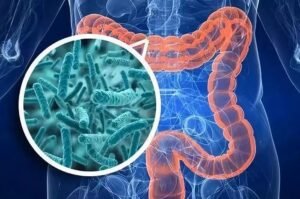
Peptides support digestion by regulating gut microbiota, protecting mucosal surfaces, and promoting nutrient absorption. Molecular peptides may assist in modulating inflammatory responses and supporting liver function, contributing to overall gastrointestinal health.
Skeletal System
Peptides provide substrates for collagen synthesis, facilitate mineral deposition, and regulate bone-forming cells. These activities support bone strength, joint health, and recovery from skeletal stress or micro-injuries.
Immune System
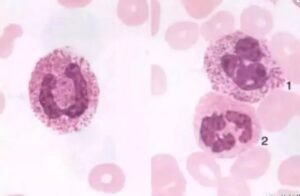
Antimicrobial and immunomodulatory peptides enhance immune surveillance, activate immune cells, and support defense against pathogens. They play a critical role in maintaining immune balance and responding to environmental stressors.
Respiratory System
Peptides contribute to lung function by regulating inflammation, promoting clearance of cellular debris, and enhancing immune defense in respiratory tissues.
Circulatory System
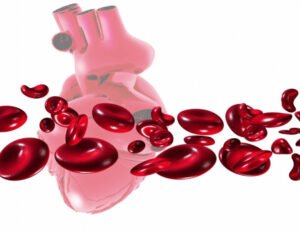
Peptides regulate vascular tone, improve circulation, and support cardiovascular resilience. Antioxidant peptides may protect vascular endothelium and modulate lipid metabolism.
Endocrine System
Peptides influence hormonal signaling, metabolic regulation, and tissue homeostasis. Molecular peptides participate in energy balance, glucose regulation, and cellular metabolism.
Nervous System
Neuropeptides mediate neurotransmission, support cognitive function, and regulate sleep and mood. They provide neuroprotection and modulate neural plasticity.
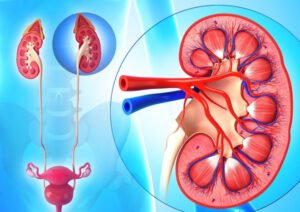
Reproductive and Urinary Systems
Peptides assist in endocrine regulation, reproductive cell function, and tissue maintenance in urinary organs. They contribute to cellular repair, reproductive health, and tissue homeostasis.
Selected References
Hancock, R.E.W., & Sahl, H.G. (2006). Antimicrobial and host-defense peptides as new anti-infective therapeutic strategies. Nature Biotechnology, 24(12), 1551–1557. https://www.nature.com/articles/nbt1267
Hartmann, R., & Meisel, H. (2007). Food-derived peptides with biological activity: From research to food applications. Current Opinion in Biotechnology, 18(2), 163–169. https://www.sciencedirect.com/science/article/pii/S0958166907000105
Moreno, F.J., & Fitzgerald, R.J. (2000). Structural characteristics of bioactive peptides derived from food proteins. Current Pharmaceutical Design, 6(11), 1031–1045. https://pubmed.ncbi.nlm.nih.gov/10837474/
Erdmann, K., Cheung, B.W.Y., & Schröder, H. (2008). The possible roles of food-derived bioactive peptides in reducing the risk of cardiovascular disease. Journal of Nutritional Biochemistry, 19(10), 643–654. https://pubmed.ncbi.nlm.nih.gov/18206450/
Udenigwe, C.C., & Aluko, R.E. (2012). Food protein-derived bioactive peptides: Production, processing, and potential health benefits. Journal of Food Science, 77(1), R11–R24. https://onlinelibrary.wiley.com/doi/10.1111/j.1750-3841.2011.02592.x
Sarmadi, B.H., & Ismail, A. (2010). Antioxidative peptides from food proteins: A review. Peptides, 31(10), 1949–1956. https://www.sciencedirect.com/science/article/pii/S0196978110002991
Hartmann, R., & Meisel, H. (1993). Food-derived peptides with biological activity: From research to industrial application. Current Opinion in Biotechnology, 4(5), 320–328. https://pubmed.ncbi.nlm.nih.gov/10148251/
Li, G.H., Le, G.W., Shi, Y.H., & Shrestha, S. (2004). Angiotensin I–converting enzyme inhibitory peptides derived from food proteins and their physiological and pharmacological effects. Nutrition Research, 24(6), 469–486. https://www.sciencedirect.com/science/article/pii/S0271531704000413
Korhonen, H., & Pihlanto, A. (2006). Bioactive peptides: Production and functionality. International Dairy Journal, 16(9), 945–960. https://www.sciencedirect.com/science/article/pii/S0958694606000385
Utrera, M., & Morán, J. (2009). Functional properties of peptides derived from food proteins. Food Research International, 42(9), 1033–1041. https://www.sciencedirect.com/science/article/pii/S0963996909001383
Frequently Asked Questions (FAQ)
Q1: What are peptides?
A1: Peptides are short chains of amino acids that perform specific biological functions in the human body. They act as signaling molecules, modulating cellular processes and supporting tissue repair.
Q2: How do peptides differ from proteins?
A2: Peptides are smaller than proteins, usually containing 2–50 amino acids. This size allows them to be absorbed more efficiently and interact with cellular targets more effectively than larger proteins.
Q3: Are all peptides naturally produced?
A3: No. Peptides can be endogenous, synthesized by the body, or exogenous, obtained from food or laboratory synthesis. Both types exhibit functional biological activities.
Q4: What are bioactive molecules?
A4: Bioactive molecules include peptides that can influence physiological processes. They interact with receptors, enzymes, or cells to regulate metabolism, immune responses, and tissue function.
Q5: Can peptides support immune function?
A5: Yes. Certain peptides have immunomodulatory and antimicrobial properties, helping to enhance immune surveillance and maintain overall immune health.
Q6: Are peptides safe for general use?
A6: For educational and research purposes, peptides are considered safe to study. This article does not provide medical guidance or suggest any therapeutic use.
Q7: How are peptides used in research?
A7: Researchers use peptides as experimental tools to study cellular signaling, enzymatic regulation, and metabolic pathways, due to their predictable and specific activities.
Q8: Can dietary peptides improve health?
A8: Nutritionally, peptides provide bioavailable amino acids and support tissue maintenance, metabolism, and antioxidant defenses. They contribute to overall physiological well-being.
Q9: Do peptides have side effects?
A9: When used in controlled research or dietary studies, peptides generally have minimal side effects. Any responses depend on dosage, individual sensitivity, and experimental conditions.
Q10: What is the future of peptide research?
A10: Peptide research continues to expand, focusing on understanding molecular mechanisms, developing functional foods, and exploring potential applications in health and biotechnology.

