
No products in the cart.
Sale
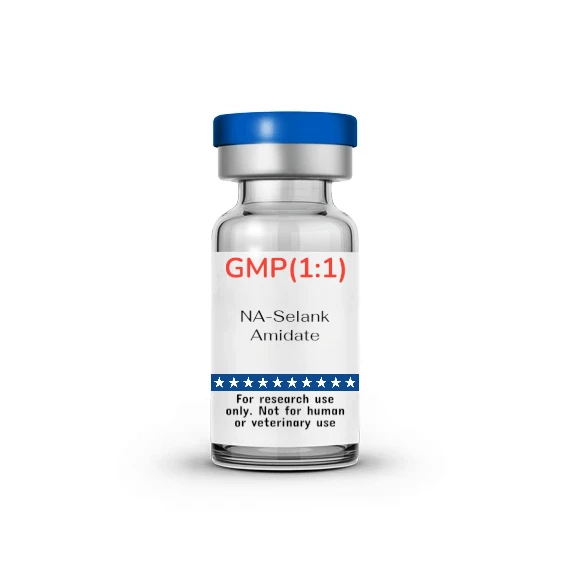
NA-Selank Amidate Lyophilized Powder 30 mg
Original price was: $28.00.$23.00Current price is: $23.00.
NA-Selank Amidate is a chemically modified Selank analogue designed for in vitro mechanistic and molecular signaling studies. Supplied as 30 mg lyophilized powder, it offers enhanced structural stability and reproducibility for laboratory research. Factory-manufactured in China with high purity and low-cost wholesale availability.

Description
Contents
hide
Product Description
NA-Selank Amidate is a terminally modified synthetic heptapeptide developed for high-precision in vitro mechanistic and molecular signaling research. It is derived from the Selank peptide scaffold and incorporates N-terminal acetylation and C-terminal amidation, structural modifications specifically designed to enhance chemical stability, resistance to enzymatic degradation, and experimental reproducibility under controlled laboratory conditions. These properties make NA-Selank Amidate a valuable research tool for laboratories conducting advanced peptide-based signaling studies.
The defined amino acid sequence of NA-Selank Amidate enables systematic investigation of peptide–receptor interactions, intracellular signaling cascades, and downstream molecular regulation. Compared with unmodified peptide analogues, the terminal modifications allow the molecule to maintain structural integrity during extended experimental timelines, supporting time-course studies, comparative pathway analysis, and signal persistence evaluation. This stability is particularly advantageous for mechanistic studies requiring consistent molecular exposure across multiple assay points.
NA-Selank Amidate is well suited for use in in vitro cellular systems, including 2D monolayer cultures, co-culture configurations, and 3D spheroids or organoid-based platforms. These models allow researchers to examine both temporal and spatial signaling dynamics, offering insight into receptor pathway integration and intracellular communication networks. The peptide can be applied in reporter-based assays, fluorescence and confocal imaging workflows, and biochemical signaling analyses, enabling high-resolution monitoring of intracellular events.
From a systems biology perspective, NA-Selank Amidate serves as a controlled molecular perturbation for multi-omic research strategies. Its application can generate reproducible datasets for proteomic profiling, transcriptomic analysis, and metabolomic characterization, supporting integrative studies of signaling network behavior. These datasets are suitable for computational modeling, pathway simulation, and network-level interpretation, allowing researchers to move beyond single-pathway observations toward holistic molecular understanding.
The enhanced stability of NA-Selank Amidate also facilitates comparative mechanistic studies between modified and unmodified peptide structures. Researchers can evaluate differences in signaling duration, pathway selectivity, and molecular feedback behavior under identical experimental conditions. This makes the peptide particularly useful for structure–function investigations and optimization of peptide-based signaling probes in vitro.
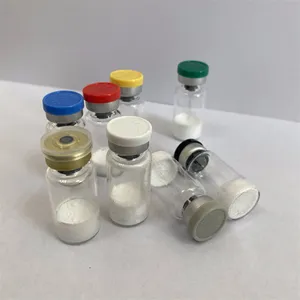
Manufactured under standardized quality control systems in China, NA-Selank Amidate is supplied as 30 mg lyophilized powder, ensuring long-term stability during storage and transport. Each batch undergoes HPLC and mass spectrometry verification to confirm purity and structural consistency. Factory-direct production enables low-cost wholesale and bulk supply, supporting laboratories that require scalable access to high-purity research materials.
Overall, NA-Selank Amidate represents a reliable and reproducible peptide tool for in vitro studies focused on molecular signaling mechanisms, receptor pathway dynamics, and intracellular network regulation. Its structural modifications, compatibility with diverse experimental platforms, and suitability for multi-omic and computational integration make it an effective reagent for advanced mechanistic research.
Product Specifications
| Specification Item | Description |
|---|---|
| Product Name | NA-Selank Amidate |
| CAS Number | Not officially assigned (synthetic research peptide) |
| Molecular Type | Terminally modified synthetic heptapeptide |
| Chemical Modifications | N-terminal acetylation and C-terminal amidation |
| Molecular Function | Research-grade peptide for in vitro mechanistic and molecular signaling studies |
| Appearance | White to off-white lyophilized powder |
| Net Content | 30 mg per vial |
| Purity | ≥99% (verified by HPLC) |
| Identity Confirmation | Mass spectrometry (MS) analysis |
| Sequence Integrity | Verified for terminal modification accuracy and sequence consistency |
| Solubility | Soluble in laboratory-grade aqueous buffers |
| Stability | Enhanced chemical and structural stability due to amidation |
| Recommended Storage | −20 °C, dry environment, protected from light |
| Shelf Stability | Long-term stability under recommended storage conditions |
| Batch Consistency | Controlled manufacturing with batch-to-batch reproducibility |
| Quality Control | HPLC purity profiling and MS validation for every batch |
| Manufacturing Origin | Factory-manufactured in China |
| Supply Capability | Bulk, wholesale, and custom quantity supply available |
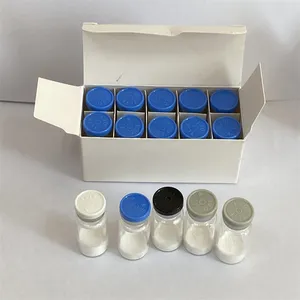
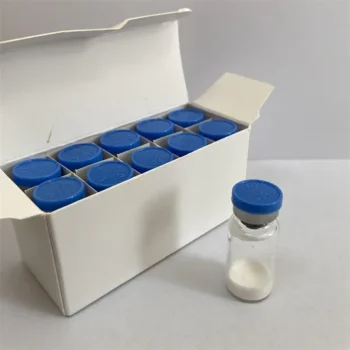
| Packaging Format | Sterile glass vial, vacuum-sealed, moisture-protected |
| Intended Use | In vitro molecular mechanism and signaling pathway research only |
| Regulatory Status | Research use only (RUO); not for clinical, human, or veterinary use |
Mechanism of Action
NA-Selank Amidate functions as a structurally stabilized neuropeptide analog designed for detailed investigation of peptide-mediated signaling mechanisms in vitro. Its molecular activity is defined not by a single pathway, but by its capacity to serve as a controlled signaling modulator within complex intracellular communication networks. The incorporation of N-terminal acetylation and C-terminal amidation plays a central role in shaping its mechanistic behavior during laboratory-based studies.
At the molecular level, NA-Selank Amidate interacts with cell-surface and intracellular recognition systems involved in neuropeptide signal transduction. These interactions initiate receptor-associated conformational changes, which propagate signals through downstream intracellular cascades. The stabilized peptide backbone allows researchers to examine signal initiation, amplification, and attenuation with reduced variability, enabling high-resolution mechanistic comparisons across experimental conditions.
One of the defining mechanistic features of NA-Selank Amidate is its enhanced resistance to enzymatic degradation in extracellular and intracellular environments. This property supports sustained molecular availability within in vitro systems, making it possible to analyze temporal signaling dynamics, such as delayed pathway activation, feedback regulation, and signaling persistence. As a result, NA-Selank Amidate is particularly useful for dissecting time-dependent phosphorylation events, second messenger modulation, and transcription factor engagement.
Within intracellular signaling frameworks, NA-Selank Amidate has been shown to influence kinase-driven pathways, including those associated with protein phosphorylation and dephosphorylation cycles. These effects can be quantified using reporter assays, proteomic profiling, and imaging-based analyses, allowing researchers to map pathway branching, cross-talk, and hierarchical signal integration. The molecule’s stability ensures that observed effects reflect intrinsic signaling responses rather than rapid molecular breakdown.
NA-Selank Amidate also supports investigation into gene regulatory mechanisms by modulating signaling nodes that converge on transcriptional control systems. In vitro transcriptomic analyses can reveal downstream changes in gene expression patterns following controlled peptide exposure, facilitating pathway enrichment and regulatory network reconstruction. These data are well suited for integration into systems biology and computational modeling pipelines.
Importantly, the terminal modifications of NA-Selank Amidate allow for structure–function relationship studies. By comparing amidated and non-amidated peptide forms under identical experimental setups, researchers can evaluate how terminal chemistry influences receptor affinity, signaling duration, and intracellular distribution. This makes NA-Selank Amidate a powerful reference molecule for optimizing peptide design in mechanistic research.
Overall, the mechanism of action of NA-Selank Amidate is best understood as a stability-enhanced signaling probe that enables reproducible exploration of neuropeptide-driven molecular pathways. Its controlled behavior, compatibility with diverse analytical platforms, and suitability for integrative multi-omic analysis make it a valuable tool for advanced in vitro mechanistic studies.
Applications
NA-Selank Amidate is widely applied in in vitro laboratory research where precise control of peptide stability and signaling behavior is required. Its terminally modified structure enables consistent performance across experimental platforms, making it suitable for a broad range of molecular mechanism investigations focused on neuropeptide-mediated communication, intracellular signaling integration, and regulatory network analysis.
One primary application of NA-Selank Amidate is in cell-based signaling pathway studies. Using well-characterized cell lines or engineered reporter systems, researchers can examine how peptide-driven signals propagate through kinase cascades, second-messenger systems, and transcriptional regulators. The enhanced stability provided by amidation allows for clearer interpretation of signaling kinetics, supporting experiments that assess pathway initiation, signal duration, and attenuation under defined laboratory conditions.
NA-Selank Amidate is also frequently used in receptor interaction and selectivity research. In vitro binding assays and receptor-expression models enable the evaluation of peptide–receptor recognition patterns and downstream pathway bias. These studies help clarify how subtle structural modifications influence signal specificity and receptor-associated conformational changes, contributing to a deeper understanding of peptide structure–function relationships.
In comparative peptide research, NA-Selank Amidate serves as a reference molecule for evaluating modified versus unmodified peptide analogs. Researchers can systematically compare signaling strength, temporal response profiles, and intracellular distribution using identical assay conditions. This application is particularly valuable for laboratories engaged in peptide optimization, mechanistic benchmarking, or exploratory signaling research.
The peptide is also well suited for omics-driven applications, including transcriptomic, proteomic, and metabolomic analyses conducted entirely in vitro. By introducing NA-Selank Amidate as a controlled molecular stimulus, researchers can generate high-quality datasets that reveal pathway-level responses and regulatory patterns. These datasets can be further analyzed using bioinformatic pipelines to identify enriched signaling modules, molecular hubs, and feedback loops.
In high-content and high-throughput screening environments, NA-Selank Amidate supports scalable experimentation due to its reproducible behavior and batch consistency. Multi-well plate assays, automated imaging systems, and quantitative readouts can be employed to assess signaling outcomes across large experimental matrices. This makes the peptide useful for exploratory screening of intracellular responses without introducing variability related to molecular instability.
NA-Selank Amidate also plays a role in computational and systems biology workflows. Data derived from in vitro experiments can be integrated into network models, pathway simulations, and predictive algorithms to explore emergent signaling behaviors. The peptide’s consistent mechanistic profile allows researchers to validate computational predictions against experimental observations, strengthening model accuracy and interpretability.
Overall, the applications of NA-Selank Amidate span cellular signaling analysis, receptor studies, comparative peptide research, multi-omic integration, and computational modeling, all conducted within controlled laboratory environments. Its stability-enhanced design and compatibility with diverse experimental platforms make it a versatile research tool for advanced in vitro molecular investigations.
Research Models
NA-Selank Amidate is compatible with a wide spectrum of in vitro research models designed to investigate peptide-mediated signaling mechanisms, receptor interactions, and intracellular network regulation. Its terminal acetylation and amidation provide enhanced molecular stability, enabling consistent behavior across diverse experimental systems and supporting reproducible mechanistic analysis.
2D monolayer cell culture models represent a primary research platform for NA-Selank Amidate studies. These systems allow precise control of experimental variables and are well suited for evaluating signaling pathway activation, kinase cascades, and transcriptional responses. Using standardized cell lines or engineered reporter cells, researchers can quantify downstream molecular events with high temporal resolution, making NA-Selank Amidate useful for pathway mapping and signal kinetics analysis.
For studies requiring increased physiological complexity, co-culture systems provide an effective model. By maintaining two or more cell populations in controlled in vitro environments, researchers can examine intercellular communication and pathway modulation triggered by peptide-based signaling probes. NA-Selank Amidate performs reliably in these models due to its chemical stability, supporting investigations into signaling crosstalk and network-level responses without rapid molecular degradation.
Three-dimensional (3D) culture models, including spheroids and organoid-like assemblies, offer additional structural and spatial relevance. These systems enable the study of signal diffusion, gradient formation, and spatially regulated intracellular responses. NA-Selank Amidate can be applied in such models to evaluate how stabilized peptides influence signaling dynamics within organized cellular architectures, supporting advanced mechanistic exploration beyond flat culture systems.
NA-Selank Amidate is also suitable for receptor-expression and reporter-based models, where specific signaling nodes are selectively amplified or visualized. Cells engineered to express defined receptors or pathway reporters allow direct assessment of receptor recognition, pathway selectivity, and downstream signal propagation. These models are particularly valuable for structure–function studies comparing modified and unmodified peptide analogs under identical experimental conditions.
In omics-enabled research models, NA-Selank Amidate serves as a controlled molecular perturbation. Transcriptomic, proteomic, and metabolomic analyses conducted in vitro can capture system-wide responses to peptide exposure, generating datasets suitable for pathway enrichment analysis and regulatory network reconstruction. Such models support integration with computational biology approaches, including network modeling and predictive simulations.
Overall, NA-Selank Amidate integrates seamlessly into 2D, co-culture, 3D, receptor-specific, and omics-driven in vitro models, providing researchers with a stable and reproducible peptide tool. These research models collectively enable comprehensive exploration of molecular signaling mechanisms while maintaining strict experimental control and analytical precision.
Experimental Design Considerations
When incorporating NA-Selank Amidate into in vitro experimental workflows, careful experimental design is essential to ensure reproducibility, interpretability, and mechanistic clarity. The peptide’s terminal acetylation and amidation provide enhanced stability, but standardized planning remains critical for obtaining high-quality molecular data.
Reagent preparation and handling should be performed under controlled laboratory conditions. NA-Selank Amidate should be dissolved using high-purity, laboratory-grade buffers, and solutions should be prepared fresh or aliquoted to minimize degradation. Consistent preparation protocols across experimental replicates help reduce variability and support accurate comparison of signaling outcomes.
Model selection is a key consideration. Researchers should select in vitro systems that align with their mechanistic objectives, such as 2D monolayers for pathway kinetics or 3D culture models for spatial signaling analysis. Matching the model complexity to the research question allows clearer interpretation of how NA-Selank Amidate influences intracellular signaling networks.
Temporal experimental design is particularly important when studying stabilized peptides. Time-course experiments should include multiple observation points to capture early signaling events, sustained pathway activation, and delayed feedback mechanisms. The enhanced stability of NA-Selank Amidate enables extended observation windows, but consistent timing across replicates is necessary for meaningful comparisons.
Control selection plays a critical role in mechanistic studies. Negative controls, buffer-only conditions, and structurally related peptide analogs can help distinguish specific signaling effects from background responses. Comparative controls are especially valuable for assessing the contribution of terminal modifications to signaling behavior and pathway persistence.
Analytical method alignment should be planned in advance. Techniques such as reporter assays, proteomic profiling, transcriptomic analysis, and imaging-based readouts should be selected based on the signaling nodes of interest. Integrating multiple analytical approaches can provide complementary perspectives on molecular responses, enhancing mechanistic insight.
Finally, data normalization and reproducibility strategies must be incorporated into the experimental design. Replicate experiments, standardized data processing pipelines, and transparent documentation of experimental parameters are essential for robust interpretation. When combined with thoughtful planning, NA-Selank Amidate enables precise and reproducible exploration of peptide-mediated signaling mechanisms in controlled in vitro environments.
Laboratory Safety & Handling Guidelines
NA-Selank Amidate is intended exclusively for in vitro laboratory research, and all handling procedures should comply with established institutional safety standards for research-grade peptides. Although the material is supplied as a high-purity lyophilized powder, appropriate precautions are necessary to maintain both researcher safety and experimental integrity.
Personal protective equipment (PPE) should be worn at all times when handling NA-Selank Amidate. This includes laboratory gloves, protective eyewear, and a lab coat to minimize direct contact and accidental exposure. Handling should be performed in well-ventilated laboratory areas, preferably within a biosafety cabinet or designated clean workspace, to reduce the risk of aerosolization during reconstitution.
Reconstitution and aliquoting procedures should follow aseptic techniques. Use sterile, laboratory-grade solvents and containers to prevent contamination. Preparing single-use aliquots is recommended to avoid repeated freeze–thaw cycles, which may compromise peptide stability and affect experimental consistency. All containers should be clearly labeled with compound name, concentration, and preparation date.
Storage conditions are critical for maintaining product quality. NA-Selank Amidate should be stored at −20 °C in a dry, light-protected environment. The lyophilized form provides enhanced shelf stability, but exposure to moisture or elevated temperatures should be avoided. Proper storage ensures consistent performance across extended research timelines.
Spill and waste management procedures should be established prior to use. In the event of accidental spills, absorb the material using appropriate laboratory absorbents and clean the area according to institutional chemical hygiene protocols. Dispose of unused material, contaminated consumables, and waste solutions in accordance with local regulations governing peptide and chemical research materials.
Training and documentation are essential components of safe laboratory practice. Personnel handling NA-Selank Amidate should be trained in peptide safety, proper handling techniques, and emergency procedures. Maintaining detailed records of storage conditions, handling steps, and disposal actions supports compliance and traceability.
By following these laboratory safety and handling guidelines, researchers can ensure that NA-Selank Amidate is managed responsibly, preserving both experimental reliability and a safe working environment throughout in vitro mechanistic studies.

Integration with Multi-Omic & Computational Studies
NA-Selank Amidate is well suited for integration into multi-omic and computational research frameworks that aim to characterize peptide-mediated signaling mechanisms at a systems level using in vitro experimental data. Its enhanced chemical stability and reproducible behavior make it a reliable molecular input for generating high-quality datasets across multiple analytical platforms.
In transcriptomic studies, NA-Selank Amidate can be used as a controlled signaling perturbation to examine changes in gene expression profiles within defined cell models. RNA-based analyses conducted under standardized laboratory conditions allow researchers to identify transcriptional programs associated with peptide-triggered signaling pathways. These datasets support downstream pathway enrichment, regulatory motif analysis, and gene network reconstruction.
Proteomic integration represents another key application. Mass spectrometry–based workflows can quantify changes in protein abundance, post-translational modifications, and signaling complex assembly following controlled exposure in vitro. The stability of NA-Selank Amidate reduces variability related to rapid peptide degradation, enabling clearer interpretation of phosphorylation events, protein–protein interactions, and pathway activation states.
NA-Selank Amidate also supports metabolomic profiling by enabling examination of downstream metabolic responses linked to intracellular signaling modulation. Metabolite-level data provide complementary insights into pathway flux and cellular adaptation, contributing to a more comprehensive understanding of system-wide molecular responses.
From a computational perspective, datasets generated using NA-Selank Amidate can be incorporated into network modeling, pathway simulation, and predictive analytics. Systems biology approaches such as graph-based network analysis and dynamic modeling benefit from the consistency of the peptide’s mechanistic profile, improving model calibration and validation. Experimental data can be used to test hypotheses, refine signaling models, and explore emergent behaviors within complex molecular systems.
Finally, the integration of multi-omic datasets enables cross-layer analysis, linking transcriptomic, proteomic, and metabolomic changes into unified regulatory frameworks. NA-Selank Amidate functions as a stable experimental variable within these workflows, supporting reproducible data generation and meaningful computational interpretation. This integrative capability makes it a valuable tool for advanced in vitro research focused on molecular signaling systems and computational biology.
Shipping Guarantee
All shipments of NA-Selank Amidate are carefully packaged using materials designed to protect against temperature fluctuations, moisture, and light exposure, ensuring the peptide maintains its structural integrity during transit. Each package includes batch-specific documentation and Certificates of Analysis (COA) to allow researchers to verify compound identity and purity upon receipt. Tracking information is provided for all shipments, allowing laboratories to monitor delivery progress and anticipate arrival times. Special care is taken to minimize handling disruptions, preventing inadvertent degradation of the lyophilized peptide. For international shipments, temperature-controlled packaging and rapid transit options are employed where necessary. These measures collectively ensure reliable and safe delivery for laboratory research continuity.
Trade Assurance
NA-Selank Amidate is supplied directly from factory-manufactured sources, guaranteeing consistent chemical purity, verified structural integrity, and reproducible batch quality. Certificates of Analysis are provided with every order to support quality control, regulatory documentation, and research reproducibility. Bulk and customized supply options are available to accommodate diverse laboratory needs, from small-scale mechanistic studies to large in vitro experimental programs. Pricing is transparent and optimized for cost-efficient procurement without compromising quality. All batches are produced under strict quality control measures, minimizing variability between lots. This ensures that laboratories receive a reliable and standardized research-grade peptide every time.
Payment Support
Laboratories can complete transactions for NA-Selank Amidate using multiple secure payment methods, including credit cards, bank transfers (TT), and major cryptocurrencies such as BTC, ETH, and USDT. All payment channels are encrypted and verified to protect sensitive financial information. International laboratory procurement is fully supported, with clear invoicing and transaction documentation for compliance purposes. Flexible payment options allow research groups to plan bulk or repeat purchases efficiently. Transactions are processed promptly to ensure rapid order fulfillment. These measures provide a secure, convenient, and reliable purchasing experience for global researchers.
NA-Selank Amidate Disclaimer
NA-Selank Amidate is intended exclusively for in vitro mechanistic and molecular signaling research. It is not approved for human, veterinary, or clinical use under any circumstances. Laboratories must follow all relevant institutional and governmental regulations when handling, storing, or disposing of the peptide. Use should be restricted to qualified personnel trained in peptide handling and laboratory safety protocols. All experimental applications should remain within the scope of basic research and mechanistic investigation. The manufacturer and supplier disclaim any liability for off-label, clinical, or unauthorized use of the product.
References
PubChem – Peptide Structure and Properties
https://pubchem.ncbi.nlm.nih.govNCBI – Neuropeptide Signaling Research
https://www.ncbi.nlm.nih.gov/pmc/?term=SelankJournal of Peptide Science – Stability of Modified Peptides
https://onlinelibrary.wiley.com/journal/10991308Frontiers in Molecular Biosciences – Peptide Signaling Networks
https://www.frontiersin.org/journals/molecular-biosciencesNature Reviews Molecular Cell Biology – Systems-Level Signaling Analysis
https://www.nature.com/nrm/
Additional information
| Weight | 1.6 kg |
|---|---|
| Dimensions | 53 × 46 × 53 cm |
What is NA-Selank Amidate used for?
NA-Selank Amidate is used exclusively for in vitro mechanistic and molecular signaling research, providing a stable peptide probe for exploring intracellular pathways.
Is NA-Selank Amidate suitable for clinical use?
No. It is strictly for laboratory research and not approved for human or veterinary applications.
What structural modifications does NA-Selank Amidate have?
The peptide features N-terminal acetylation and C-terminal amidation, which improve stability, resistance to enzymatic degradation, and experimental reproducibility.
Which research models are compatible?
NA-Selank Amidate can be applied in 2D monolayer cultures, co-culture systems, 3D spheroids/organoids, and receptor-specific reporter models.
Can it be integrated into multi-omic studies?
Yes. The peptide is compatible with transcriptomic, proteomic, and metabolomic analyses and supports computational modeling workflows.
What is the purity of NA-Selank Amidate?
Purity is ≥99%, verified by HPLC and mass spectrometry, ensuring consistent performance across experiments.
How should NA-Selank Amidate be stored?
Store at −20 °C in a dry, light-protected environment. Avoid repeated freeze–thaw cycles to preserve stability.
How should the peptide be reconstituted?
Use sterile laboratory-grade buffers and prepare single-use aliquots to minimize degradation and maintain reproducibility.
Is NA-Selank Amidate stable for long-term experiments?
Yes. The amidation and acetylation modifications enhance stability, allowing extended observation windows in in vitro studies.
Are batch Certificates of Analysis provided?
Yes. Each order includes COA documentation, verifying purity, identity, and modification consistency.
Can NA-Selank Amidate be used in high-content or high-throughput assays?
Yes. Its stability and batch consistency support multi-well assays, imaging-based readouts, and quantitative mechanistic studies.
Does the peptide support comparative signaling studies?
Yes. It allows side-by-side comparison with unmodified Selank or other analogues to evaluate structure–function relationships.
Is NA-Selank Amidate safe to handle?
When following standard laboratory PPE protocols, it is safe for handling in controlled in vitro environments.
What quantities are available for purchase?
The peptide is supplied as 30 mg vials with options for bulk, wholesale, and custom packaging.
Which payment methods are accepted?
Supported payments include Credit Card, Bank Transfer (TT), and Cryptocurrency (BTC, ETH, USDT). All transactions are encrypted for secure international procurement.
Related products
Retatrutide Raw Material Factory: Low-Price Wholesale for High-Purity Peptides
Retatrutide MOQ 1 Box Source Dry Powder Original price was: $38.00.$22.00Current price is: $22.00.Semaglutide finished product (lyophilized powder) wholesale Supplier
Semaglutide finished product (lyophilized powder) wholesale $1.0099.9% Effective Weight Loss Shaping Peptide – Beauty Peptide Factory Direct Low Price Wholesale
Peptide Purity 99% Specification 5mg/vial, 10mg/vial, 15mg/vial Original price was: $38.00.$23.00Current price is: $23.00.Wholesales Weight Loss Peptides Raw Powder CAS 129954-34-3 with Safe Delivery
$2.00Function Weight Loss Peptides Color White Purity 99%Over


Reviews
There are no reviews yet.