$8.00Original price was: $8.00.$6.00Current price is: $6.00.
Epithalon is a synthetic tetrapeptide designed for advanced in vitro mechanistic studies focusing on molecular signaling, gene regulation, and cellular aging pathways. Supplied as 10–50 mg lyophilized powder, it offers high purity for laboratory research. Factory-manufactured in China with bulk, low-cost wholesale availability, suitable for mechanistic and multi-omic studies.
Epithalon (Ala-Glu-Asp-Gly) is a synthetic tetrapeptide widely used in in vitro studies investigating molecular mechanisms of cellular signaling, gene expression, and regulatory pathways. Its defined amino acid sequence allows researchers to examine peptide–receptor interactions, transcriptional modulation, and intracellular signaling cascades under controlled laboratory conditions.
The peptide’s structure provides enhanced chemical stability and solubility, ensuring reproducible outcomes during mechanistic experiments. Epithalon has been applied in studies exploring signal transduction pathways, transcription factor activation, and molecular network integration. Its stability allows extended observation in time-course experiments, making it suitable for dissecting pathway dynamics and comparative peptide studies.
Epithalon is compatible with a range of in vitro systems, including 2D monolayer cultures, co-culture models, and 3D spheroids or organoids. Researchers can utilize it in reporter assays, imaging-based analyses, and proteomic or transcriptomic workflows, facilitating high-resolution study of intracellular molecular events.
The peptide also supports multi-omic integration, providing high-quality datasets for transcriptomics, proteomics, and metabolomics, which can be leveraged in computational modeling, pathway simulations, and systems biology analyses.
Factory-manufactured in China, Epithalon is supplied as 10–50 mg lyophilized powder, ensuring consistent quality and reproducibility. Wholesale and bulk options provide laboratories with cost-effective access to high-purity research materials.
Epithalon is intended exclusively for in vitro mechanistic research and molecular signaling studies. It is not for human, veterinary, or clinical use.
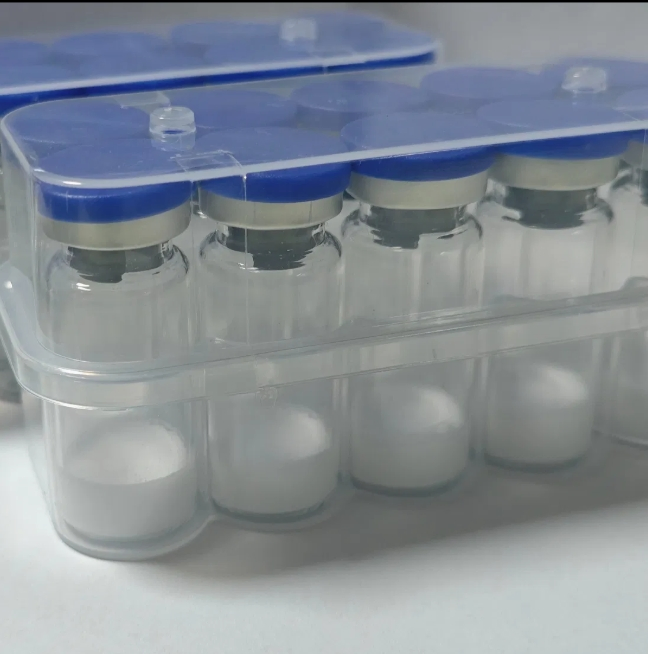
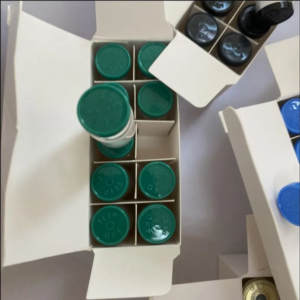
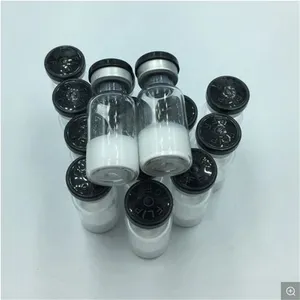
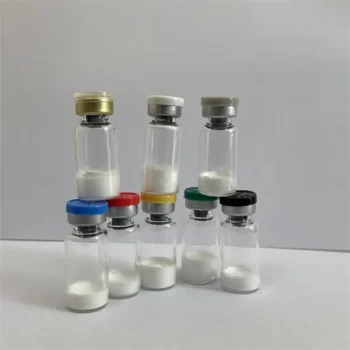
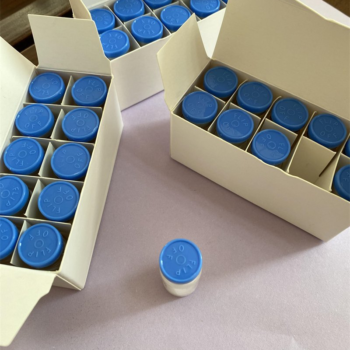
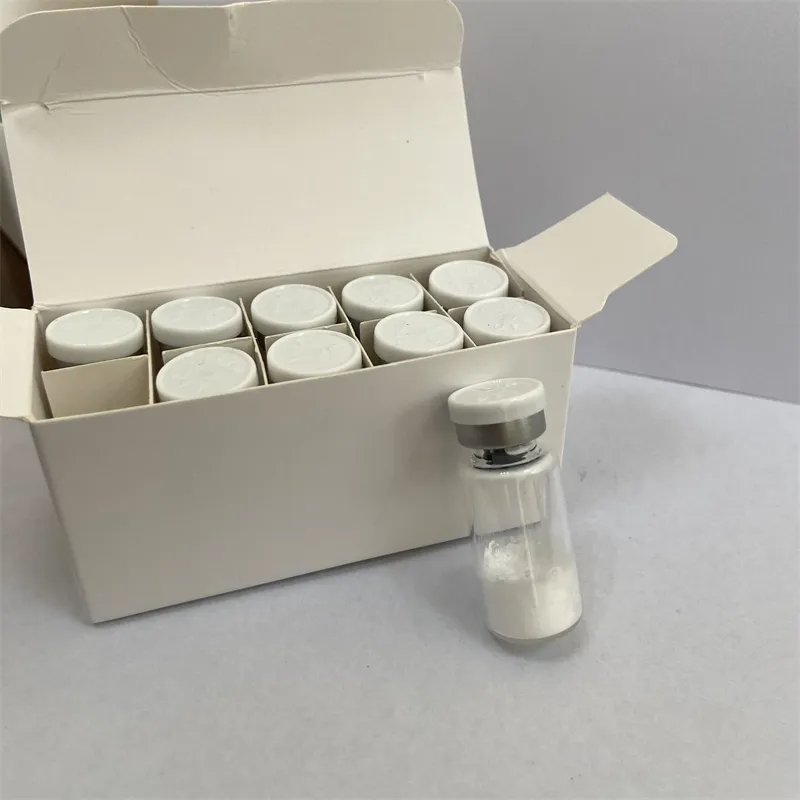
Epithalon peptide vial
Product Specifications
Specification
Details
Product Name
Epithalon
Synonyms
Epithalone, Ala-Glu-Asp-Gly peptide
Molecular Type
Synthetic tetrapeptide
Sequence
Ala-Glu-Asp-Gly
Appearance
White to off-white lyophilized powder
Purity
≥99% (HPLC/MS verified)
Quantity
10–50 mg per vial
Solubility
Soluble in sterile laboratory buffers
Stability
Chemically stable under recommended storage
Storage
−20 °C, dry, light-protected
Batch Consistency
Factory-manufactured with verified COA
Quality Control
HPLC, MS, sequence verification
Supply Options
Bulk, wholesale, custom packaging
Intended Use
In vitro mechanistic research only
Regulatory Status
Research Use Only (RUO)
Mechanism of Action
Epithalon functions as a synthetic tetrapeptide probe for in vitro research, enabling precise investigation of cellular signaling, transcriptional regulation, and molecular network interactions. Its defined amino acid sequence (Ala-Glu-Asp-Gly) provides a reproducible molecular scaffold for examining peptide–receptor interactions, downstream signaling cascades, and regulatory pathway modulation under controlled laboratory conditions.
The peptide acts primarily at the molecular signaling level, influencing intracellular pathways associated with gene expression and transcription factor activation. Epithalon has been shown in in vitro studies to modulate cellular regulatory nodes, affecting key molecular processes that govern transcriptional and epigenetic activity. This mechanistic action enables researchers to analyze signal initiation, propagation, and attenuation with high temporal resolution.
A defining feature of Epithalon is its chemical stability, which allows sustained presence in experimental systems. This property ensures that the peptide retains its structural integrity during time-course assays, facilitating studies of delayed signaling responses, feedback regulation, and pathway persistence. Consequently, researchers can investigate the kinetics of molecular events without confounding effects from rapid peptide degradation.
Within signaling networks, Epithalon can influence kinase-mediated phosphorylation cascades, secondary messenger modulation, and transcription factor engagement. These effects can be quantitatively assessed using reporter-based assays, proteomic profiling, and imaging approaches, allowing detailed mapping of pathway hierarchies and cross-talk. The peptide’s reproducibility enhances comparative studies between experimental conditions, making it ideal for evaluating subtle variations in molecular responses.
Epithalon also supports research into gene regulatory mechanisms. Its controlled application in vitro enables observation of downstream transcriptional changes and network-level responses. By integrating data from transcriptomic, proteomic, and metabolomic analyses, researchers can construct comprehensive models of cellular signaling and regulatory dynamics.
Furthermore, the peptide is suitable for structure–function analyses by comparing the tetrapeptide with modified or unmodified analogs under identical experimental conditions. This enables investigation of how sequence or chemical modifications influence signaling efficiency, receptor engagement, and downstream molecular effects.
Overall, the mechanism of action of Epithalon positions it as a stable and reliable research tool for exploring intracellular molecular pathways, transcriptional regulation, and signaling networks. Its controlled activity, structural integrity, and compatibility with multi-omic integration make it a versatile peptide for advanced mechanistic in vitro research.
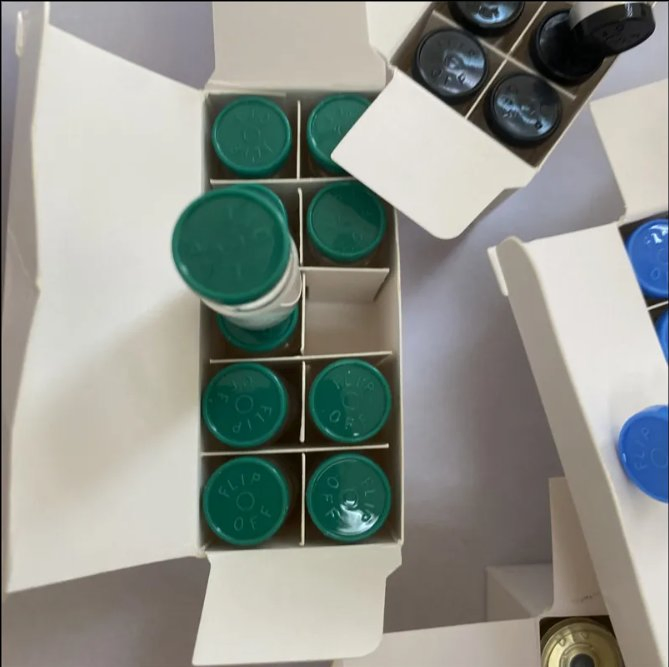
Epithalon peptide vial
Applications
Epithalon is primarily applied in in vitro mechanistic research where stable, reproducible peptide probes are required for molecular signaling and transcriptional studies. Its defined tetrapeptide sequence allows researchers to investigate intracellular pathways, gene regulatory mechanisms, and network-level responses under controlled laboratory conditions.
One major application is in cellular signaling pathway analysis. Researchers can utilize Epithalon in 2D monolayer cultures, co-culture systems, and organoid or 3D spheroid models to monitor pathway activation, intracellular phosphorylation events, and transcription factor engagement. Its enhanced stability supports time-course experiments, enabling precise measurement of signal initiation, propagation, and attenuation.
Epithalon is also valuable for receptor interaction studies. By applying the peptide in receptor-expressing in vitro models, researchers can evaluate binding specificity, pathway selectivity, and downstream molecular effects. Comparative studies with analogs or modified peptides can help elucidate structure–function relationships and receptor-mediated signaling dynamics.
Another application is in multi-omic research workflows. Epithalon can be used to generate datasets for transcriptomics, proteomics, and metabolomics, providing a molecular perturbation for integrative analysis of cellular responses. These datasets are suitable for network modeling, pathway enrichment analysis, and computational simulation, allowing researchers to explore complex intracellular mechanisms and emergent behaviors.
High-throughput and high-content screening applications also benefit from Epithalon’s reproducible activity and batch consistency. Automated imaging, reporter-based assays, and quantitative biochemical analyses can be conducted with minimal variability, supporting large-scale mechanistic studies.
Finally, Epithalon serves as a reliable tool for comparative peptide research. By examining differences between tetrapeptide sequences or chemical modifications, researchers can assess the influence of molecular structure on signaling dynamics, intracellular distribution, and transcriptional regulation.
Overall, the applications of Epithalon span cellular signaling analysis, receptor studies, multi-omic integration, high-throughput screening, and structure–function research, making it a versatile reagent for advanced in vitro mechanistic investigations.
Research Models
Epithalon is compatible with a variety of in vitro research models designed to investigate peptide-mediated signaling, transcriptional regulation, and molecular network dynamics. Its chemical stability and defined tetrapeptide sequence allow for reproducible results across multiple experimental platforms, making it suitable for mechanistic research at the cellular and molecular level.
2D monolayer cell cultures provide a foundational research model for Epithalon. These systems offer a controlled environment for studying signal transduction pathways, transcription factor activation, and gene regulatory responses. Researchers can use standardized cell lines to quantify molecular changes with high temporal resolution, ensuring consistent results across experimental replicates.
For exploring cellular interactions and pathway cross-talk, co-culture systems are highly effective. These models allow two or more cell types to communicate in a controlled in vitro environment. Epithalon’s enhanced stability ensures that peptide-mediated signaling can be monitored accurately over time, enabling detailed analysis of intercellular communication and pathway modulation.
3D culture models, including spheroids and organoids, provide a spatially relevant system for investigating signal propagation, diffusion gradients, and tissue-like cellular organization. Epithalon can be applied in these models to study how stabilized peptides influence intracellular signaling networks in a three-dimensional context, offering insights that complement traditional 2D cultures.
Epithalon is also compatible with receptor-specific reporter models, where cells are engineered to express particular signaling nodes or fluorescent reporters. These models enable precise evaluation of receptor binding, pathway selectivity, and downstream molecular effects, supporting mechanistic studies and comparative analysis of peptide structure–function relationships.
In omics-driven research models, Epithalon can serve as a molecular perturbation to generate datasets for transcriptomic, proteomic, and metabolomic profiling. These datasets allow reconstruction of signaling networks and identification of regulatory hubs. Integration of multi-omic data with computational models enables researchers to explore system-level molecular behaviors and validate predictive simulations.
Overall, Epithalon integrates seamlessly into 2D monolayer, co-culture, 3D, receptor-specific, and multi-omic in vitro models, providing a stable, reproducible peptide tool. These research models collectively enable comprehensive exploration of intracellular signaling mechanisms, gene regulation, and molecular network dynamics while maintaining rigorous experimental control.
Experimental Design Considerations
When designing experiments with Epithalon, careful planning is essential to ensure reproducibility, interpretability, and mechanistic clarity. Its chemical stability and defined tetrapeptide sequence provide a reliable foundation, but standardized experimental approaches are critical for obtaining meaningful in vitro data.
Reagent preparation and handling should follow strict laboratory protocols. Epithalon should be reconstituted in sterile, laboratory-grade buffers, and single-use aliquots are recommended to avoid repeated freeze–thaw cycles that could compromise peptide integrity. Consistency in preparation across replicates ensures reproducible experimental outcomes.
Model selection is a key consideration. Researchers should match the complexity of the in vitro system to the study’s objectives. Simple 2D monolayers are suitable for pathway kinetics, co-culture systems allow examination of intercellular signaling, and 3D organoids or spheroids provide insights into spatial network dynamics. Choosing an appropriate model ensures accurate mechanistic interpretation.
Temporal experimental design is particularly important for peptide-mediated signaling studies. Epithalon’s stability allows for extended time-course experiments, capturing early signaling events, sustained responses, and delayed feedback mechanisms. Consistent timing and well-defined observation intervals are essential for quantifying signal propagation and regulatory dynamics.
Controls are necessary to distinguish specific peptide effects from background responses. Negative controls, buffer-only conditions, and comparative peptide analogs help isolate Epithalon-specific signaling events. These controls are critical for evaluating structure–function relationships and pathway selectivity.
Analytical method alignment should be determined before experimentation. Reporter assays, imaging-based analyses, and multi-omic profiling (transcriptomic, proteomic, metabolomic) can provide complementary insights into peptide-mediated effects. Integration of multiple analytical techniques enhances the resolution and mechanistic depth of the study.
Finally, data normalization, replication, and documentation are crucial for rigorous research. Standardized data processing, replicate experiments, and detailed protocol records ensure reproducibility and allow meaningful comparisons across experimental conditions. By combining thoughtful experimental design with the inherent stability of Epithalon, researchers can achieve highly reliable and interpretable in vitro mechanistic results.
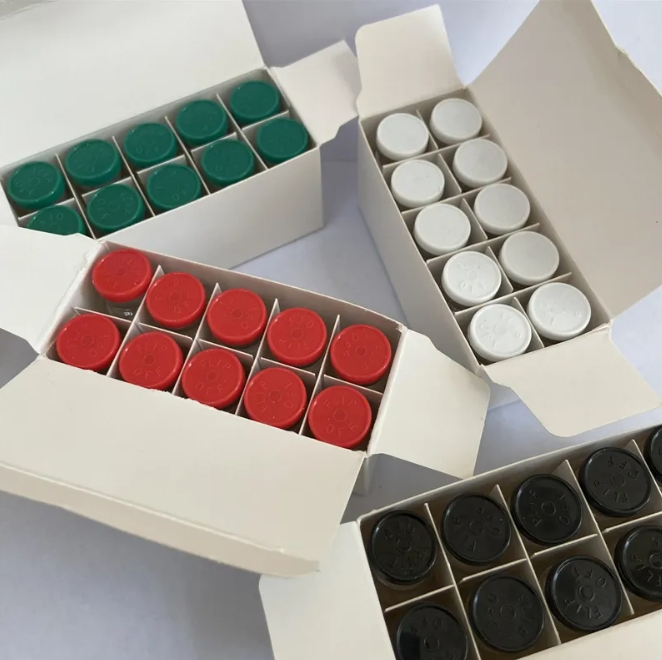
Epithalon peptide vial
Laboratory Safety & Handling Guidelines
Epithalon is intended exclusively for in vitro mechanistic and molecular signaling research, and proper laboratory safety practices are essential to maintain both researcher safety and experimental integrity. Although supplied as a high-purity lyophilized powder, the peptide should be handled with caution following standard laboratory protocols.
Personal protective equipment (PPE) is required at all times when working with Epithalon. This includes laboratory gloves, protective eyewear, and a lab coat to prevent direct contact and accidental exposure. Handling should be performed in a well-ventilated workspace, ideally within a biosafety cabinet or designated clean area, to reduce the risk of aerosolization during reconstitution or pipetting.
Reconstitution procedures should employ sterile, laboratory-grade buffers. Researchers are advised to prepare single-use aliquots to minimize repeated freeze–thaw cycles, which may compromise peptide integrity and affect reproducibility. Containers should be clearly labeled with the peptide name, concentration, and preparation date for easy identification and traceability.
Storage conditions are critical for maintaining product stability. Epithalon should be kept at −20 °C in a dry, light-protected environment. Lyophilized powder is chemically stable under these conditions, but exposure to moisture or elevated temperatures should be avoided. Proper storage preserves structural integrity and experimental reliability for extended research timelines.
Spill and waste management procedures must be established in advance. Accidental spills should be absorbed using laboratory-approved materials, and contaminated surfaces should be cleaned according to institutional chemical hygiene protocols. Dispose of unused peptide, contaminated consumables, and waste solutions according to local regulatory requirements for research chemicals.
Training and documentation are essential components of safe laboratory practice. Personnel must be trained in peptide handling, laboratory safety, and emergency procedures. Keeping detailed records of storage, handling, and disposal steps enhances compliance and reproducibility, ensuring the integrity of research outcomes.
Cross-contamination prevention should also be emphasized. Work surfaces, pipettes, and equipment should be cleaned and designated for peptide use when possible. Adopting these practices reduces experimental variability and maintains the reliability of signaling and molecular studies.
By adhering to these laboratory safety and handling guidelines, researchers can ensure that Epithalon is managed responsibly, supporting reproducible, high-quality in vitro mechanistic research while maintaining a safe laboratory environment.
Integration with Multi-Omic & Computational Studies
Epithalon is highly suitable for integration into multi-omic and computational research workflows, providing a stable peptide probe to investigate intracellular signaling and gene regulatory networks in vitro. Its chemical stability and defined tetrapeptide sequence ensure reproducible experimental outcomes, which are essential for generating high-quality datasets across multiple omic platforms.
In transcriptomic applications, Epithalon can serve as a controlled perturbation to study gene expression profiles in cell models. Researchers can identify transcriptional programs influenced by peptide-mediated signaling, facilitating pathway enrichment and regulatory network reconstruction. These datasets support mechanistic understanding of molecular responses at the gene level.
Proteomic studies benefit from Epithalon’s stability, allowing quantitative analysis of protein abundance, post-translational modifications, and protein–protein interactions. High reproducibility ensures that observed changes reflect true molecular signaling responses rather than variability from peptide degradation.
Epithalon is also compatible with metabolomic profiling, enabling assessment of downstream metabolic responses linked to intracellular signaling. This allows researchers to examine cellular adaptation and pathway flux in response to peptide perturbation.
From a computational biology perspective, multi-omic datasets generated using Epithalon can be integrated into network models, pathway simulations, and predictive algorithms. The peptide’s consistent mechanistic behavior improves the reliability of model calibration and validation, supporting systems-level analyses.
Overall, Epithalon facilitates cross-layer data integration, linking transcriptomic, proteomic, and metabolomic insights to construct comprehensive models of molecular signaling. Its stability, reproducibility, and versatility make it a valuable tool for advanced in vitro mechanistic studies and computational biology research.
Epithalon peptide vial
Shipping Guarantee
All shipments of Epithalon are securely packaged to protect against temperature fluctuations, moisture, and light exposure, ensuring peptide integrity during transit. Each package includes batch-specific documentation and Certificates of Analysis (COA) to allow researchers to verify identity and purity upon receipt. Tracking information is provided to monitor delivery progress, supporting timely laboratory planning. For international shipments, temperature-controlled packaging and rapid transit options are available when necessary. Special care is taken to minimize handling disruptions that could compromise the lyophilized powder. These measures collectively ensure safe, reliable delivery for research continuity.
Epithalon peptide: Fast global shipping available.
Trade Assurance
Epithalon is supplied directly from factory-manufactured sources, guaranteeing consistent purity, verified structural integrity, and reproducible batch quality. Certificates of Analysis are provided with each order to support quality control and research reproducibility. Bulk, wholesale, and customized supply options are available to accommodate different laboratory needs. Pricing is transparent and optimized for cost-effective procurement without compromising quality. All batches are produced under strict quality control protocols, minimizing variability between lots. This ensures that laboratories receive a reliable, research-grade peptide every time.
Payment Support
Laboratories can complete transactions for Epithalon using multiple secure payment methods, including credit cards, bank transfers (TT), and major cryptocurrencies (BTC, ETH, USDT). All payment channels are encrypted and verified to protect sensitive financial information. International procurement is fully supported with clear invoicing and transaction documentation. Flexible payment options allow research groups to plan bulk or repeat purchases efficiently. Transactions are processed promptly to ensure rapid order fulfillment. These measures provide a secure, convenient, and reliable purchasing experience for global researchers.
Disclaimer
Epithalon is intended exclusively for in vitro mechanistic and molecular signaling research. It is not approved for human, veterinary, or clinical use. Laboratories must follow all relevant institutional and governmental regulations when handling, storing, or disposing of the peptide. Use should be restricted to qualified personnel trained in peptide handling and laboratory safety protocols. Experimental applications must remain within the scope of basic research and mechanistic investigation. The manufacturer and supplier disclaim any liability for off-label, clinical, or unauthorized use of the product.
Be the first to review “Epithalon 10–50 mg High-Purity Lyophilized Powder” Cancel reply
What is Epithalon used for?
Epithalon is a synthetic tetrapeptide used exclusively for in vitro mechanistic research, including molecular signaling, transcriptional regulation, and pathway analysis.
Is Epithalon suitable for clinical or human use?
No. Epithalon is strictly for laboratory research and is not approved for human, veterinary, or clinical applications.
What is the amino acid sequence of Epithalon?
Epithalon consists of the tetrapeptide Ala-Glu-Asp-Gly, providing a defined structure for reproducible mechanistic studies.
Which research models are compatible with Epithalon?
Epithalon can be applied in 2D monolayer cultures, co-culture systems, 3D spheroids/organoids, and receptor-specific reporter models.
Can Epithalon be used for multi-omic studies?
Yes. It is compatible with transcriptomic, proteomic, and metabolomic analyses and supports computational modeling of intracellular signaling networks.
What is the purity of Epithalon?
Purity is ≥99%, verified by HPLC and mass spectrometry, ensuring consistent experimental performance.
How should Epithalon be stored?
Store at −20 °C in a dry, light-protected environment. Avoid repeated freeze–thaw cycles to maintain peptide stability.
How should the peptide be reconstituted?
Use sterile, laboratory-grade buffers and prepare single-use aliquots to prevent degradation and maintain reproducibility.
Is Epithalon stable for extended experiments?
Yes. The peptide’s chemical stability allows extended observation periods in in vitro mechanistic studies without loss of integrity.
Are batch Certificates of Analysis provided?
Yes. Every order includes a COA, confirming purity, sequence, and quality for reliable research use.
Can Epithalon be used in high-throughput or high-content assays?
Yes. Its stability and batch consistency support multi-well assays, imaging-based analyses, and quantitative mechanistic studies.
Does Epithalon allow comparative studies with other peptides?
Yes. Researchers can compare Epithalon with other peptide analogs to evaluate structure–function relationships and signaling efficiency.
Is it safe to handle Epithalon?
Yes, when following standard laboratory PPE and handling protocols, it is safe for in vitro research environments.
What quantities are available for purchase?
Epithalon is supplied as 10–50 mg vials, with bulk, wholesale, and custom packaging options.













Reviews
There are no reviews yet.