
No products in the cart.
Bioactive Peptides: Discovery, Classification, and Their Roles in Human Physiology
Disclaimer :
This content is intended solely for academic and educational purposes. It is not medical advice and should not be used as a substitute for professional consultation.
Contents
hide
Introduction
Bioactive peptides are short sequences of amino acids that play a pivotal role in regulating numerous physiological processes within the human body. Unlike larger proteins, bioactive peptides possess a compact structure that enables them to interact efficiently with cellular receptors, modulate enzyme activities, and influence a variety of metabolic pathways. These molecules are not merely structural components; they function as biochemical messengers, transmitting signals between cells and coordinating complex physiological activities.
Present in nearly every tissue and organ system, bioactive peptides are involved in a wide spectrum of biological functions. They contribute to the regulation of hormonal signaling, support neuronal communication, and facilitate cellular growth and differentiation. Additionally, they play critical roles in reproduction, immune modulation, and metabolic balance. By acting at the molecular and cellular levels, these peptides ensure that essential biological processes proceed in a coordinated and efficient manner.
From an evolutionary perspective, the presence of bioactive peptides across diverse species underscores their fundamental importance in maintaining life. Early studies have demonstrated that these molecules can influence organ development, tissue repair, and systemic homeostasis. For example, specific peptides regulate enzymatic activity in metabolic pathways, while others act as signaling molecules that activate or inhibit cellular responses based on environmental or physiological cues.
Furthermore, bioactive peptides exhibit a remarkable capacity for functional versatility. Depending on their amino acid composition, sequence length, and three-dimensional conformation, they can participate in processes ranging from cellular repair and regeneration to modulation of immune responses. Their ability to function in multiple contexts makes them indispensable for the maintenance of overall physiological health.
In recent decades, scientific research has increasingly focused on understanding the structure, function, and application of bioactive peptides. Advances in molecular biology and biotechnology have allowed researchers to isolate, characterize, and study these peptides in detail, revealing their potential roles in nutrition science, aging research, and cellular physiology. As a result, bioactive peptides are now recognized not only as fundamental components of human biology but also as promising subjects for ongoing academic study and educational exploration.

Historical Discovery of Bioactive Peptides
Early Observations
In 1838, Dutch scientist Gerard observed that life could not be sustained without proteins, highlighting their critical role in cellular structure and function. By the early 20th century, researchers detected short peptide chains in animal digestive systems capable of influencing pancreatic secretions, marking the first recognition of bioactive peptides in biological studies.
Scientific Recognition
Dr. Z. Li, Nobel laureate: “Modern biotechnology studies proteins, and by extension, bioactive peptides.”
Dr. D. Ho: “Synthetic peptide chains can influence cellular mechanisms and support immune function.”
Prof. K. Craven (Canada): “Bioactive peptides improve liver health and tissue regeneration.”
Dr. N. Perricone (UK): “Peptides and neuropeptides enhance skin and hair vitality, supporting systemic health.”
Definition and Structural Characteristics
Bioactive peptides are defined as short chains of amino acids, typically ranging from two to fifty residues, connected by peptide bonds. Unlike full-length proteins, their smaller size allows for rapid interaction with cellular components, facilitating precise modulation of biological processes. These molecules are not simply fragments of proteins; they are highly specialized entities with distinct structural and functional properties that determine their physiological effects.
Structurally, bioactive peptides exhibit a diverse array of conformations, including linear sequences, alpha-helices, beta-sheets, and more complex tertiary arrangements. This structural variability is closely associated with their biological activity. For instance, the folding pattern and side-chain orientation of amino acids in a peptide influence receptor binding, enzymatic recognition, and resistance to degradation by proteases. As such, understanding the structural characteristics of bioactive peptides is crucial for elucidating their roles in human physiology.
Functionally, bioactive peptides serve as molecular messengers and modulators. They can act as hormones, neurotransmitters, or signaling molecules that regulate cellular activity, metabolic pathways, and intercellular communication. The versatility of these peptides stems from their ability to interact selectively with specific receptors or enzymes, triggering cascades of biochemical responses. Their high specificity allows for targeted effects, making them integral to maintaining homeostasis.
In addition, bioactive peptides are characterized by their solubility, stability, and bioavailability. Many small peptides are water-soluble, facilitating transport through bodily fluids and interaction with target cells. Structural modifications, such as cyclization or incorporation of non-natural amino acids, can enhance stability and extend functional duration. These properties make bioactive peptides not only essential biological regulators but also attractive candidates for research in nutrition science, biotechnology, and cellular physiology.
Overall, bioactive peptides bridge the gap between simple amino acids and complex proteins, combining the advantages of small size with potent biological activity. Their structural features directly influence function, allowing them to participate in critical physiological processes such as immune modulation, cellular repair, and metabolic regulation. Consequently, studying their definition and structural characteristics provides essential insights into their multifaceted roles in human health and biological research.
Classification of Bioactive Peptides
Bioactive peptides can be classified based on their source, biological origin, and functional properties. One primary distinction is between endogenous peptides and exogenous peptides. Endogenous peptides are naturally synthesized within the human body, including neuropeptides, thymosin, and insulin fragments. These peptides play critical roles in regulating cellular communication, metabolic pathways, and immune responses. Exogenous peptides, on the other hand, are obtained from dietary sources, supplements, or biotechnological production, and they can complement physiological processes by providing additional functional support.
Another classification approach considers the biological origin of peptides. Animal-derived peptides, such as collagen or marine peptides, closely mimic human peptide sequences and can support tissue repair, nutrient utilization, and overall physiological balance. Plant-derived peptides, including those from soy, wheat, or nuts, offer dietary amino acids with functional benefits such as antioxidant activity and metabolic modulation. Additionally, synthetic peptides are engineered for targeted research or experimental applications, allowing precise modulation of specific biological pathways.
Functionally, bioactive peptides may act as signaling molecules, enzyme modulators, or receptor ligands, depending on their amino acid sequence and structural configuration. This versatility enables them to participate in processes ranging from immune regulation to cellular regeneration. The classification of bioactive peptides provides a framework for understanding their diverse roles in human physiology and for guiding research into their potential applications in nutrition, biotechnology, and cellular biology.
Physiological Roles
Bioactive peptides regulate numerous systems:
Immune Function
Enhance immune signaling pathways
Support cellular repair and renewal
Regulate inflammation and oxidative stress
Metabolic Regulation
Promote enzymatic efficiency
Facilitate nutrient transport
Modulate energy balance
Neurological Function
Influence neurotransmission
Support cognitive processes and neural development
Contribute to neuroprotective mechanisms
Global Expert Opinions
International Scientists
Dr. Zhu Li (USA, Nobel laureate): “Peptides are central to 21st-century biotechnology.”
Dr. Da-i Ho: “Synthetic peptides can modulate viral interactions at the cellular level.”
Dr. Powell Krude (Germany): “Peptides represent a novel approach to tissue regeneration and age-related support.”
Domestic Experts (China)
Prof. Zou Yuandong: “Bioactive peptides have superior activity and versatility compared to conventional nutrition compounds.”
Prof. Meng Zhaohui: “Peptides represent a major frontier in nutritional science.”
Prof. Yu Ruomu: “Supplementing bioactive peptides enhances immune resilience.”

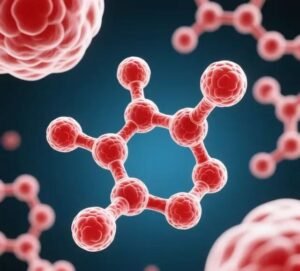
Chemical structure diagram of bioactive peptides
Applications in Daily Health and Research
Bioactive peptides have gained substantial attention in both scientific research and practical health applications due to their unique biological properties. These short chains of amino acids interact with cellular mechanisms, enabling multiple physiological functions that support human health. In nutrition science, bioactive peptides are recognized for their potential to enhance metabolic processes, modulate immune function, and promote cellular repair and regeneration. Dietary sources include milk, soy, fish, and other protein-rich foods, which naturally contain these functional peptides. Through proper processing, such as enzymatic hydrolysis, these peptides can be isolated, concentrated, and incorporated into dietary supplements or functional foods to optimize their bioactivity and bioavailability.
In the realm of preventive health, bioactive peptides play a significant role in supporting cardiovascular health, maintaining healthy blood pressure, and reducing oxidative stress. Studies have shown that specific peptides can influence enzyme activity, such as angiotensin-converting enzyme (ACE) inhibitors, which help regulate vascular function. Furthermore, peptides with antioxidant properties contribute to the neutralization of free radicals, protecting cellular components from oxidative damage and supporting overall well-being. By interacting with multiple metabolic pathways, these peptides provide subtle yet meaningful support for physiological homeostasis.
From a research perspective, bioactive peptides serve as critical tools for understanding cellular communication, receptor interactions, and enzyme regulation. Laboratory studies often employ synthetic or purified peptides to investigate their molecular mechanisms, including modulation of immune responses, enhancement of tissue repair, and regulation of cell signaling pathways. These studies provide insight into the potential health benefits of peptides and guide the development of functional food products and nutraceuticals. Additionally, researchers are exploring the use of peptides as templates for designing new molecules that mimic their biological activity, expanding potential applications in biotechnology and pharmacology.
Moreover, bioactive peptides are being integrated into functional foods and nutraceutical formulations aimed at improving quality of life and supporting long-term health. Consumers can benefit from products fortified with peptides that support digestive health, improve nutrient absorption, and enhance energy metabolism. As research advances, new peptide-based interventions are being developed to target specific health concerns, including age-related declines in metabolic efficiency, immune function, and tissue regeneration.
In summary, the applications of bioactive peptides span both daily health and scientific research. Their dual role as functional nutrients and experimental tools underscores their importance in understanding human physiology and promoting well-being. Continued investigation into their mechanisms, bioavailability, and potential synergistic effects with other nutrients will likely broaden their practical applications. By incorporating bioactive peptides into dietary strategies and functional food design, researchers and health practitioners can leverage their natural physiological functions to support health maintenance, disease prevention, and cellular resilience across the lifespan.
Nutritional and Functional Roles of Peptides
Bioactive peptides play a vital role in human nutrition and overall physiological function, serving as fundamental units for maintaining cellular activity and systemic balance. Unlike standard proteins, these short chains of amino acids possess highly specific biological functions, allowing them to interact efficiently with metabolic pathways and cellular receptors. Their nutritional significance lies in their ability to provide bioavailable amino acids that support tissue growth, repair, and regeneration. As a result, bioactive peptides are increasingly recognized not only as nutritional supplements but also as functional food components with direct physiological impact.
From a nutritional perspective, bioactive peptides serve as efficient building blocks for protein synthesis and cellular maintenance. Because of their small molecular size, they are rapidly absorbed in the digestive tract, bypassing the slower hydrolysis required for larger proteins. This enhanced bioavailability allows for a quicker supply of essential amino acids to the bloodstream and tissues, which can support muscle maintenance, enzymatic activity, and overall metabolic efficiency. Moreover, peptides derived from food sources such as milk, soy, fish, and other protein-rich foods provide diverse amino acid profiles, offering additional nutritional value that can complement dietary intake.
Functionally, bioactive peptides exhibit a range of physiological activities beyond basic nutrition. They can act as enzyme modulators, receptor ligands, or signaling molecules that influence cellular communication and systemic regulation. For instance, specific peptides have been shown to support cardiovascular health by modulating blood pressure, reducing oxidative stress, and promoting endothelial function. Others demonstrate antioxidant properties, neutralizing free radicals and mitigating cellular damage caused by oxidative stress. These properties highlight the dual role of bioactive peptides as both nutrient providers and functional regulators within the body.
In addition to general health support, bioactive peptides are involved in immune modulation and inflammatory response regulation. By interacting with immune cells, they can enhance the body’s natural defense mechanisms and promote balanced inflammatory activity. This functional property is particularly important in maintaining long-term health and resilience against environmental stressors or age-related physiological decline. The integration of peptides into dietary strategies provides a natural approach to maintaining homeostasis and supporting healthy aging.
Research into bioactive peptides has also revealed their potential in cognitive function and neurological health. Certain peptides can influence neurotransmitter activity and receptor signaling, contributing to improved neural communication and cognitive resilience. This evidence supports the concept that dietary peptides can extend their functional role beyond physical health into mental and neurological well-being.
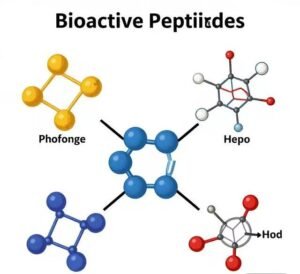
In summary, the nutritional and functional roles of bioactive peptides make them essential contributors to human health. Their capacity to provide bioavailable amino acids, modulate enzymatic activity, support metabolic processes, and influence cellular communication highlights their multifaceted benefits. By incorporating peptides into functional foods and nutraceuticals, researchers and health practitioners can leverage these naturally occurring molecules to enhance overall health, support metabolic and immune functions, and promote long-term physiological balance. Understanding these roles underscores the importance of bioactive peptides in both nutritional science and practical health applications.
FAQ
1. What are bioactive peptides?
Bioactive peptides are short chains of amino acids that exert specific biological effects in the human body. Unlike complete proteins, they have a small structure that allows rapid interaction with cellular receptors. They are involved in regulating metabolic pathways, immune responses, and cellular communication.
2. How do bioactive peptides function in the body?
These peptides act as signaling molecules, enzyme modulators, or receptor ligands. Bioactive peptides can influence immune regulation, cellular repair, and metabolic processes. Their structural specificity enables precise interactions with target cells.
3. Are bioactive peptides naturally present in humans?
Yes, humans naturally produce bioactive peptides in various tissues and organs. Endogenous peptides such as neuropeptides and thymosins regulate cellular communication and maintain physiological balance. They are essential for homeostasis and overall health.
4. Can bioactive peptides be obtained from food sources?
Absolutely. Bioactive peptides can be derived from animal products like milk and fish or plant sources such as soy and wheat. These dietary peptides provide functional amino acids that support metabolism and cellular regeneration.
5. Do bioactive peptides have any known side effects?
Generally, bioactive peptides are considered safe and well-tolerated. Due to their natural origin and small size, they rarely produce toxicity or adverse reactions. However, individual sensitivity may vary depending on dosage and health conditions.
6. What is the difference between bioactive peptides and amino acids?
Amino acids are single building blocks, while bioactive peptides are short chains of amino acids. Peptides possess distinct biological functions beyond simple nutrition. They can regulate cellular processes and support metabolic pathways more efficiently than free amino acids.
7. How are bioactive peptides used in research?
In research, bioactive peptides are used to study enzyme regulation, receptor interactions, and cellular signaling pathways. Synthetic peptides allow scientists to explore specific mechanisms and potential therapeutic applications.
8. Can bioactive peptides be used in daily health routines?
Yes, dietary peptides can be incorporated into functional foods and nutraceuticals. Bioactive peptides help maintain immune function, support metabolism, and promote tissue repair, making them valuable for preventive health strategies.
9. Are bioactive peptides effective for all age groups?
Bioactive peptides can benefit individuals across different age groups. Children, adults, and older adults can all utilize these peptides to support cellular health, metabolism, and physiological balance. Age-related declines may increase the need for dietary supplementation.
10. Do bioactive peptides replace medical treatment?
No, bioactive peptides are not a substitute for medical care or clinical interventions. They serve as nutritional and functional support to maintain health and optimize cellular activity. Medical diagnosis and treatment remain essential for disease management.
Selected References
Hartmann, R., & Meisel, H. (2007). Food-derived peptides with biological activity: From research to food applications. Current Opinion in Biotechnology, 18(2), 163–169. https://doi.org/10.1016/j.copbio.2007.01.013
Korhonen, H., & Pihlanto, A. (2006). Bioactive peptides: Production and functionality. International Dairy Journal, 16(9), 945–960. https://doi.org/10.1016/j.idairyj.2005.10.012
Lacroix, I. M. E., & Li-Chan, E. C. Y. (2012). Food-derived bioactive peptides: Production, functionality, and health benefits. Journal of Food Science, 77(3), R57–R66. https://doi.org/10.1111/j.1750-3841.2012.02636.x
Udenigwe, C. C., & Aluko, R. E. (2012). Food protein-derived bioactive peptides: Production, processing, and potential health benefits. Journal of Food Science, 77(1), R11–R24. https://doi.org/10.1111/j.1750-3841.2011.02425.x
Möller, N. P., Scholz-Ahrens, K. E., Roos, N., & Schrezenmeir, J. (2008). Bioactive peptides and proteins from foods: Indication for health effects. European Journal of Nutrition, 47(4), 171–182. https://doi.org/10.1007/s00394-008-0701-9
Gobbetti, M., & Smacchi, E. (2015). Bioactive peptides in human nutrition and health. Critical Reviews in Food Science and Nutrition, 55(2), 152–168. https://doi.org/10.1080/10408398.2011.559810
Pihlanto, A. (2006). Antioxidative peptides derived from milk proteins. International Dairy Journal, 16(11), 1306–1314. https://doi.org/10.1016/j.idairyj.2006.06.009
Nongonierma, A. B., & FitzGerald, R. J. (2015). Bioactive properties of milk proteins in humans: A review. Peptides, 73, 20–34. https://doi.org/10.1016/j.peptides.2015.05.001
Zhang, L., & Wu, Z. (2015). Advances in research on bioactive peptides and their functional applications. Journal of Agricultural and Food Chemistry, 63(23), 5491–5503. https://doi.org/10.1021/acs.jafc.5b01754
Li, G. H., Le, G. W., Shi, Y. H., & Shrestha, S. (2004). Angiotensin I-converting enzyme inhibitory peptides derived from food proteins and their physiological and pharmacological effects. Nutrition Research, 24(7), 469–486. https://doi.org/10.1016/j.nutres.2004.05.002

