
No products in the cart.
Peptide Stability: Factors That Affect Peptide Degradation
Introduction
Peptide stability is an important factor in biochemical research. Many peptides used in laboratory environments must be carefully stored and handled to prevent degradation.
Peptides such as BPC-157 and CJC-1295 are commonly studied in experimental settings, making stability considerations an essential part of peptide research.
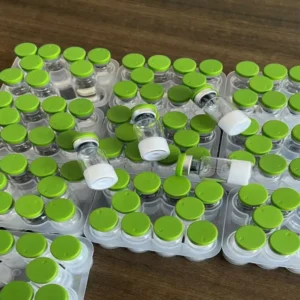
What Is Peptide Stability?
Peptide stability refers to the ability of a peptide molecule to maintain its chemical structure over time. Several environmental factors can influence how quickly a peptide degrades.
Understanding these factors helps researchers maintain peptide integrity during experiments.
Temperature
Temperature is one of the most important variables affecting peptide stability. High temperatures can accelerate chemical reactions that break down peptide bonds.
For this reason, many peptides are stored at low temperatures in laboratory environments.
pH Conditions
Peptides can also be sensitive to pH changes. Extreme acidic or basic environments may alter peptide structures or lead to degradation.
Researchers often use buffered solutions to maintain stable conditions during experiments.
Moisture and Oxidation
Exposure to moisture can affect peptide stability, particularly when peptides are stored in powder form. Oxidation reactions may also occur when peptides are exposed to air.
To minimize these risks, peptides are often stored in lyophilized (freeze-dried) form.
Conclusion
Maintaining peptide stability is essential for reliable laboratory research. Factors such as temperature, pH levels, and environmental exposure can significantly influence peptide degradation.
By understanding these variables, researchers can ensure consistent results in peptide-related experiments.
FAQ
Why are peptides often freeze-dried?
Freeze-drying removes moisture and helps maintain peptide stability during long-term storage.
What temperature should peptides be stored at?
Many research peptides are stored at low temperatures to slow degradation.

