
No products in the cart.
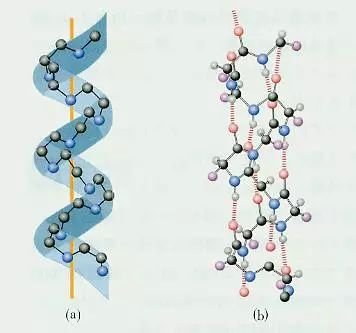
Overview, Discovery, and Applications of Peptides
Peptides are compounds made up of two or more amino acids linked by peptide bonds, acting as a bridge between large protein molecules and small amino acids. They play an indispensable role in life activities and are involved in cell regulation, information transmission, and nutrient transport.
Discovery and Development of Peptides
In the early 19th century, scientists gradually discovered proteins as essential components of living organisms. In 1838, Dutch scientist Grant first proposed the concept of proteins, recognizing their vital role in cells and life. Further research revealed that proteins cannot be directly absorbed by the human body, but need to be broken down into amino acids or peptides before they can be utilized.
Peptides were first discovered in 1902 by British scientists Bayliss and Starling, who identified them within the human body. Due to their significant biological impact, they were awarded the Nobel Prize in Physiology. Peptides serve as a “bridge” between proteins and amino acids, playing a crucial role in living organisms.
Physiological Functions of Peptides
Peptides not only serve as the building blocks of proteins, but also have numerous unique physiological functions. These include:
- Cell Synthesis and Regulation: Peptides are involved in cell synthesis and the regulation of metabolic functions.
- Information Transmission: As neurotransmitters, peptides transmit information within the nervous system.
- Nutrient Transport: Peptides help transport vital nutrients like vitamins and minerals into cells and tissues.
- Physiological Regulation: Peptides regulate immune functions, hormone levels, and metabolism.
- Promoting Physiological Activity: Peptides are essential for regulating physiological functions, enhancing cell activity, and promoting regeneration.

Peptides are superior to both high-protein diets and individual amino acids in terms of biological activity and healthcare benefits. High-protein foods must undergo complex metabolic processes to be converted into peptides, whereas peptides are directly available for use by the body, providing substantial advantages in nutrition and healthcare.
Types and Applications of Peptides
Peptides can be categorized into different types based on their source and nature:
- Animal-derived Peptides: Such as collagen peptides, thymus peptides, etc.
- Plant-derived Peptides: Such as soybean peptides, walnut peptides, etc.
- Synthetic Peptides and Pharmaceutical Peptides: Such as oxytocin, gastric peptides, etc.
Examples of common peptides include:
- Small Molecule Peptides (Oligopeptides): Penicillin (2 peptides), Thymosin (5 peptides), Oxytocin (8 peptides), etc.
- Large Molecule Peptides: Osteonectin (32 peptides), Insulin (51 peptides), etc.
The applications of peptides span several industries, including medicine, food, and cosmetics. Bioactive peptides, in particular, have significant potential in health management and disease prevention. Famous scientists like Zhu Diwen and Marios Keralazai have highlighted the powerful effects of peptides in anti-aging, antioxidant, and immune enhancement.
Top Ten Physiological Functions of Peptides
- Carrier Function: Peptides carry nutrients such as calcium, zinc, and vitamins into cells.
- Chelating Function: Peptides can chelate with trace elements like iron and zinc, facilitating their absorption.
- Adsorption Function: Peptides absorb other nutrients in the body, ensuring their effective use.
- Transport Function: Peptides transport nutrients to the required areas of the body.
- Energy Function: Peptides provide energy for life activities through their physiological activity.
- Neurotransmitter Function: Peptides act as neurotransmitters, helping systems transmit information.
- Police Function: Peptides act as “police,” identifying and eliminating defective proteins in the body.
- Balance Function: Peptides help maintain nutritional and metabolic balance in the body
