
No products in the cart.
Sale
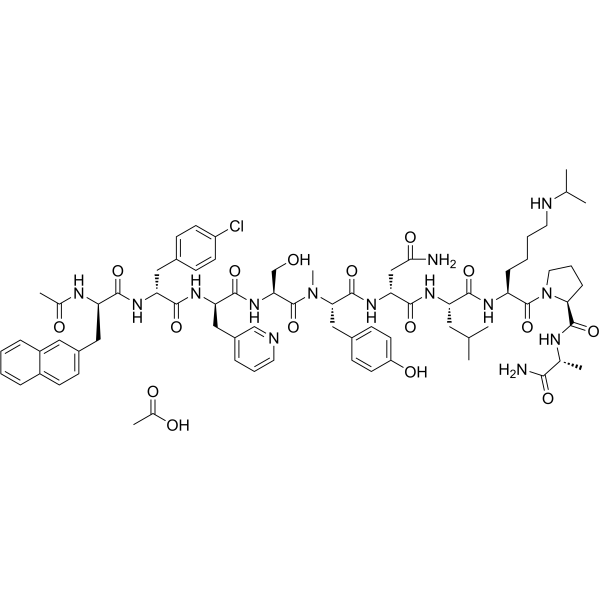
Abarelix Acetate (PPI 149 Acetate) – Ultra-High Purity GnRH Antagonist for Prostate Cancer Research
Original price was: $18.00.$16.00Current price is: $16.00.
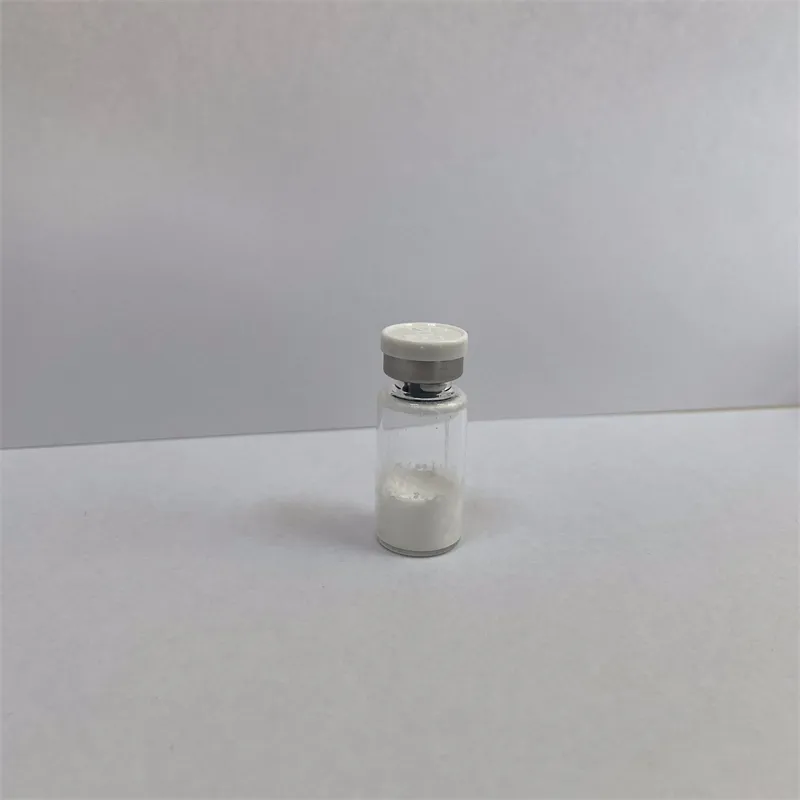
Abarelix Acetate is a potent gonadotropin-releasing hormone (GnRH) antagonist with ultra-high purity (99.89%), manufactured under GMP conditions. Widely used in prostate cancer and endocrine signaling research. Available for both wholesale and retail supply. For laboratory research use only.
?If you need to place an order or inquire about wholesale product prices, specifications and uses, please contact our staff?
Description
Abarelix Acetate (PPI 149 Acetate; R 3827 Acetate; CAS 547741-72-0) is a synthetic decapeptide GnRH receptor antagonist that competes with endogenous GnRH for receptor binding, thereby suppressing gonadotropin release (LH, FSH) and reducing testosterone synthesis. This mechanism avoids the initial hormone “flare” commonly seen with GnRH agonists—a critical advantage in prostate cancer models where hormone surges can exacerbate disease .
Manufactured under GMP standards with a verified purity of 99.89%, Abarelix Acetate ensures reproducibility and high-quality results in preclinical and mechanistic studies. Its receptor-binding affinity (Kd ~ 0.8 nM) and capacity for rapid testosterone suppression make it ideal for studies exploring androgen deprivation, hormone-dependent tumor suppression, and endocrine signaling pathways.
Though discontinued clinically in the U.S., Abarelix remains an invaluable tool in research, particularly for modeling symptomatic advanced prostate cancer and novel GnRH antagonist effects without flare. Wholesale and retail quantities are available with comprehensive quality documentation. For laboratory research use only. Not for human or veterinary applications.
Product Specifications
| Parameter | Details |
|---|---|
| Product Name | Abarelix Acetate (PPI 149 Acetate; R 3827 Acetate) |
| CAS Number | 547741-72-0 |
| Synonyms | Plenaxis analog, GnRH antagonist decapeptide |
| Molecular Formula | C74H99ClN14O16 (peptide core) |
| Purity | 99.89% (HPLC, GMP-grade) |
| Mechanism | Competitive GnRH receptor antagonist (Kd ~ 0.8 nM) |
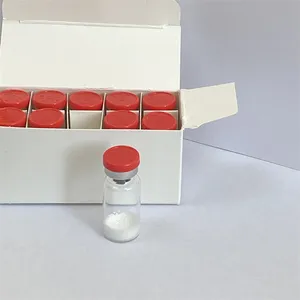
| Form | Lyophilized peptide powder |
| Storage | –20 °C, protect from moisture and light |
| Solubility | Soluble in DMSO, aqueous buffers |
| Applications | Prostate cancer models, endocrine regulation, testosterone suppression |
| Manufacturer | GMP-certified peptide producer |
Mechanism of Action & Research Applications
Abarelix Acetate functions as a competitive antagonist at GnRH receptors, inhibiting GnRH-stimulated secretion of LH and FSH. This leads to a rapid and sustained drop in testosterone levels—critical for investigating androgen-dependent cellular processes. Unlike agonists, Abarelix avoids the initial surge in testosterone (“flare”) that can worsen prostate cancer symptoms—a key advantage for experimental modeling .
Research Applications:
Prostate Cancer Models – Evaluating effects of androgen deprivation without initial hormone flare.
Hormonal Regulation Studies – Peptide control of LH/FSH secretion.
Endocrine Feedback Mechanisms – Exploring downstream pituitary and gonadal responses.
Comparative GnRH Antagonist Studies – Benchmarking Abarelix versus current agents (e.g., degarelix, relugolix).
Animal Model Development – Investigating castration-resistant pathways and hormone-independent growth.
Development & Research Background
Abarelix was one of the first GnRH antagonists developed to bypass limitations of agonist therapy. Early clinical use provided rapid testosterone suppression without a surge, but infrequent allergic reactions led to its limited approval and eventual withdrawal in certain markets .
However, its pharmacodynamic profile—rapid onset, potent suppression, peptide-based mechanistic clarity—makes it a gold standard research comparator. It helped define the benefits of receptor antagonism, catalyzed the development of newer agents, and remains important for investigating GnRH pathway modulation in endocrine and cancer research models.
Side Effects
(Note: Listed for experimental reference only.)
In preclinical and clinical data:
Possible allergic reactions—reported in rare patients after injection (not applicable to research use) .
Hypogonadism signature effects—decrease in testosterone-related physiology in animal models.
Liver enzyme elevations and prolonged QT interval observed—dose-dependent and model-specific—should be monitored in long-term in vivo studies .
Disclaimer
Abarelix Acetate is provided for laboratory research use only, not for human or veterinary use. It must be handled and disposed of according to institutional safety protocols. Researchers are responsible for ensuring compliance with applicable laws and guidelines.
Keywords
Abarelix Acetate
GnRH antagonist peptide
Abarelix GMP peptide supplier
Prostate cancer research analog
No-hormone-flare GnRH antagonist
Wholesale Abarelix research chemical
GnRH receptor antagonist decapeptide
Additional information
| Weight | 0.8 kg |
|---|---|
| Dimensions | 86 × 85 × 86 cm |
1 review for Abarelix Acetate (PPI 149 Acetate) – Ultra-High Purity GnRH Antagonist for Prostate Cancer Research
What is Abarelix Acetate?
Abarelix Acetate is a GnRH receptor antagonist peptide used to suppress testosterone without causing an initial hormonal flare.
What is the CAS number of Abarelix Acetate?
It is 547741-72-0.
What purity does your Abarelix Acetate have?
Manufactured at 99.89% purity under GMP conditions.
How does Abarelix Acetate work?
It competitively blocks GnRH receptors, reducing LH/FSH and testosterone levels without an initial surge.
What are its research applications?
Used in prostate cancer models, hormonal regulation studies, and as a comparator for novel GnRH antagonists.
Is it manufactured under GMP standards?
Yes, Abarelix Acetate is produced by a GMP-certified manufacturer.
Can it be used in human treatments?
No, it is strictly for laboratory research use only.
How should it be stored?
Store at –20°C, protected from light and moisture.
Does it cause allergic reactions?
Rare allergic reactions have been reported clinically, but this is not applicable to controlled research settings.
Is Abarelix Acetate available in bulk?
Yes, both wholesale and retail quantities are available.
Is Abarelix still used clinically?
It was withdrawn in some countries due to allergic reaction risk but remains valuable in research.
Related products
Factory Supply Peptide Healthcare 99% with Safe Delivery
Peptide Healthcare Usage Delta-Sleep Inducing Peptides Purity 99%Over Dose 2mg 5mg 10mg 15mg 20mg Highe Original price was: $28.00.$23.00Current price is: $23.00.Wholesale Cibinetide Peptide Sterile Solution
Cibinetide Sterile Solution is a synthetic, tissue-protective erythropoietin-derived peptide engineered for research use in inflammation, neuroprotection, and cellular stress-response models. Its high purity, GMP-compliant preparation, and ready-to-use sterile formulation make it ideal for laboratories requiring consistent, reproducible peptide performance in advanced mechanistic studies.(For research use only. Not for human or veterinary use) Original price was: $38.00.$22.00Current price is: $22.00.Cosmetic Peptide Raw Material Factory – Low Price Wholesale Direct from China
Cosmetic Peptide Appearance: Lyophilized powder Dose 2mg 5mg 10mg 15mg 20mg Higher Original price was: $42.00.$22.00Current price is: $22.00.Best Price with Peptides 10mg Vials – High-Purity Weight Loss Peptide in Stock with Safe Delivery
Weight Loss Peptide Moq: 10 vials per box Package: plastic or paper box Purity:99% Original price was: $36.00.$24.00Current price is: $24.00.

edzololbg –
The packaging was solid and appropriate for international shipping. Product quality is consistent across batches.