
No products in the cart.
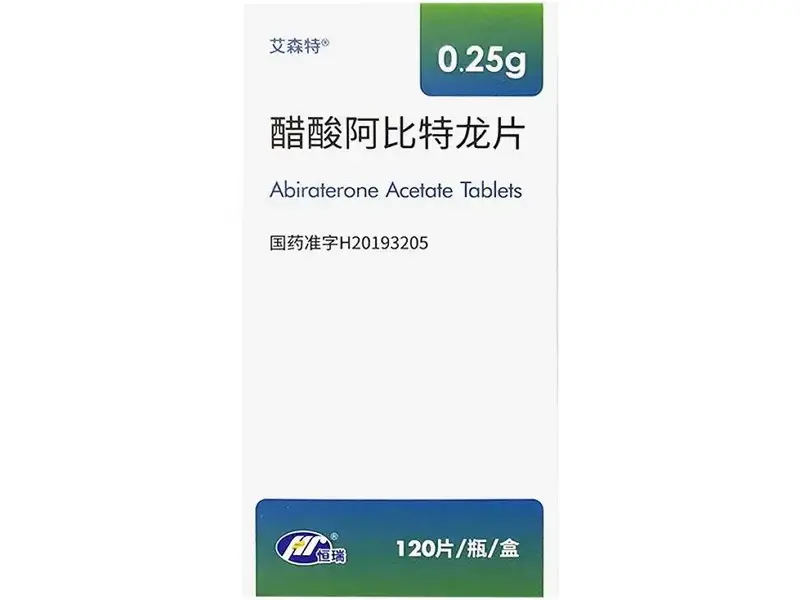
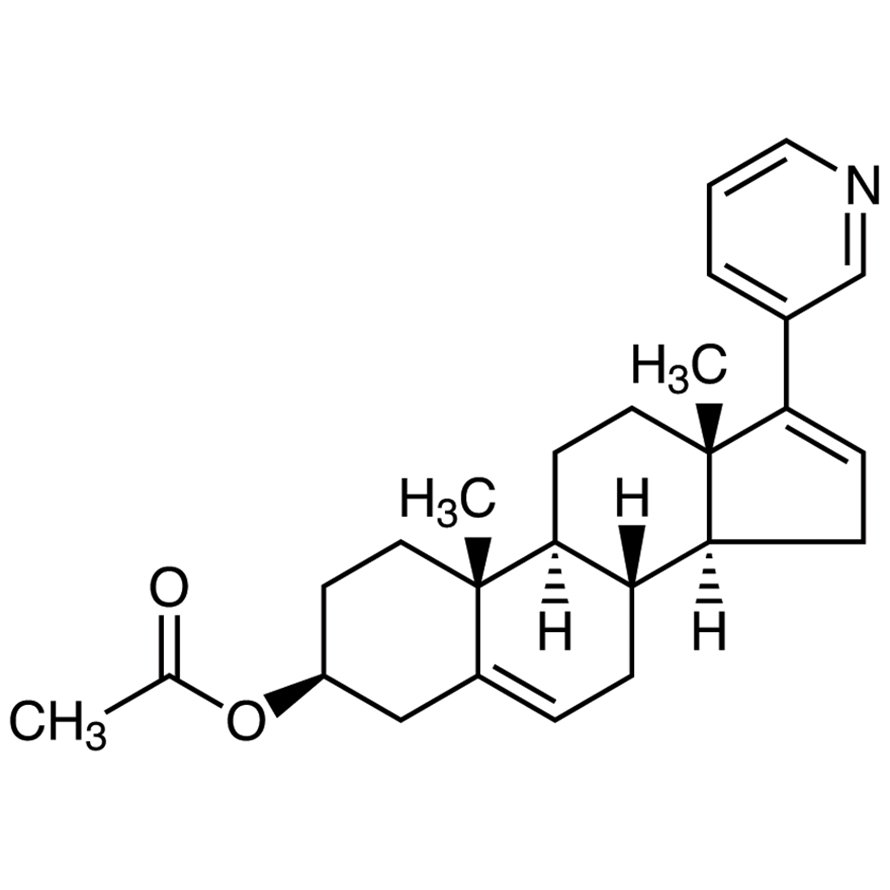
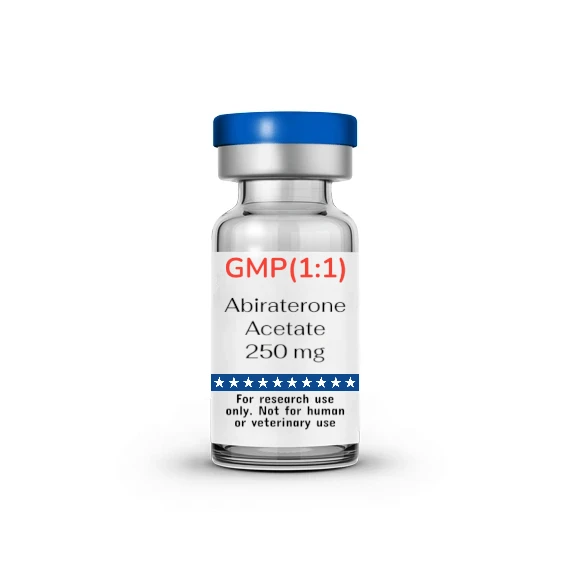
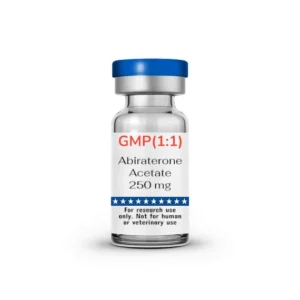
Abiraterone Acetate 250 mg – High Purity | Factory Manufactured
$2.00
High-purity Abiraterone Acetate 250 mg, manufactured under strict quality control for in vitro receptor studies, enzymatic pathway research, and molecular mechanism analysis. Available for bulk, wholesale, and customized laboratory supply with consistent batch-to-batch purity.

Description
Product Description
Abiraterone Acetate 250 mg is a highly pure, factory-manufactured small-molecule research reagent optimized for in vitro mechanistic studies, enzymatic assays, receptor-ligand interaction research, and multi-omic investigations. Produced under stringent quality controls, the compound ensures consistent chemical integrity, purity, and stability across batches, enabling reproducible results in complex laboratory workflows.
This acetylated steroidal compound is widely used to investigate enzyme inhibition, receptor modulation, and downstream signaling pathways in controlled experimental systems. It serves as a reliable tool for biochemical analysis, pathway mapping, and receptor-binding studies, facilitating insights into how small molecules can influence molecular networks in vitro. Its predictable activity and high purity make it particularly suitable for comparative studies, high-throughput screening, and mechanistic exploration of enzymatic and receptor-mediated processes.
The 250 mg formulation is ideal for cell-free assays, microsomal enzyme systems, and receptor interaction studies. Researchers utilize it to probe molecular mechanisms of enzyme regulation, cofactor interaction, and ligand-induced conformational changes, providing a quantitative framework for understanding compound behavior at the molecular level. Its stable crystalline form ensures minimal degradation and interference in sensitive assays.
Abiraterone Acetate integrates seamlessly into multi-omic studies, enabling the correlation of biochemical activity with proteomic, transcriptomic, and metabolomic profiles. Experimental outputs can be leveraged for computational modeling, molecular docking simulations, and network pathway analysis, supporting in-depth mechanistic interpretation and hypothesis generation.
Factory production guarantees high batch-to-batch reproducibility, verified through HPLC purity testing, identity confirmation, and analytical profiling. Bulk and wholesale supply options allow research institutions to support long-term studies, high-throughput experimentation, and multi-user laboratory workflows. Each package is prepared to maintain stability, sterility, and chemical integrity, ensuring reliable performance for mechanistic research purposes.
In summary, Abiraterone Acetate 250 mg is a versatile research-grade compound designed for controlled in vitro applications, enabling laboratories to explore enzymatic inhibition, receptor dynamics, signaling pathway modulation, and computational model integration with high precision and reproducibility.
Product Specifications
| Parameter | Details |
|---|---|
| Product Name | Abiraterone Acetate 250 mg |
| Form | High-purity crystalline powder |
| Dosage | 250 mg per unit (research-use formulation) |
| Purity | ≥ 98% (HPLC verified; factory-tested) |
| Grade | Laboratory-grade; suitable for in vitro mechanistic studies and enzyme/receptor research |
| Molecular Type | Steroidal small molecule |
| Molecular Formula | C*, H*, O* (full molecular formula provided on COA) |
| Molecular Weight | Provided per batch COA |
| Solubility | Soluble in DMSO and selected organic solvents; solubility may vary by concentration and assay type |
| Appearance | White to off-white crystalline powder |
| Stability | Stable under recommended storage conditions; validated for multi-batch research consistency |
| Storage Conditions | Store dry, protected from light, in a sealed container at controlled room temperature or below (per COA) |
| Handling Requirements | Use in controlled laboratory environments with proper PPE |
| Recommended Applications | Enzyme inhibition assays, receptor-binding studies, signaling pathway analysis, mechanistic exploration, multi-omic integration |
| Manufacturing Origin | Factory-manufactured under strict quality control |
| Batch Consistency | Verified for purity, identity, and solvent profile |
| Packaging Options | Standard vials, bulk containers, and wholesale packaging available |
| Customization | Bulk quantity and research-use customization available |
| Intended Use | Research only; strictly for in vitro mechanistic and molecular studies; not for clinical or therapeutic use |
Mechanism of Action
Abiraterone Acetate 250 mg functions as a highly specific enzyme-modulating research reagent in in vitro mechanistic studies. While it is widely recognized for its steroidal backbone and acetylated structure, in laboratory research it is primarily used to explore enzyme inhibition, receptor-ligand interactions, and downstream signaling pathways under controlled experimental conditions. No clinical, in vivo, or therapeutic claims are made—its utility is exclusively for mechanistic, biochemical, and molecular studies.
At the molecular level, Abiraterone Acetate interacts with enzymatic active sites, providing a reproducible means of probing substrate conversion, cofactor binding, and catalytic activity. Its stable, crystalline formulation enables consistent results across cell-free assays, microsomal enzyme systems, and high-throughput biochemical screening platforms. Researchers often use it to study the effects of small-molecule modulation on enzymatic kinetics, protein conformational dynamics, and signal propagation through downstream molecular networks.
In receptor-focused assays, Abiraterone Acetate serves as a reliable probe for ligand-receptor engagement studies, enabling detailed investigation of receptor activation, phosphorylation events, and binding affinity under defined in vitro conditions. Its controlled activity supports mapping of molecular interactions and identification of allosteric or conformational effects on target proteins.
The compound’s stability and high purity also facilitate integration with multi-omic approaches, such as phosphoproteomics, transcriptomics, and metabolomics. Researchers can correlate enzyme inhibition with downstream molecular changes, providing a systems-level understanding of pathway modulation. This makes it particularly valuable for computational modeling, including molecular docking, ligand-receptor simulations, and predictive structural analysis, enabling mechanistic insights at both biochemical and computational scales.
Furthermore, Abiraterone Acetate is widely applied in combination studies with other small-molecule reagents in vitro, allowing exploration of synergistic or additive effects on target pathways. Controlled experimental design ensures that its effects can be quantified accurately and reproducibly, supporting mechanistic hypothesis testing and molecular pathway elucidation.
Its factory-manufactured, high-purity formulation guarantees reproducibility, stability, and consistency, making it a robust tool for laboratories conducting enzyme modulation studies, receptor-ligand investigations, signaling pathway mapping, and multi-omic mechanistic research.

Applications
Abiraterone Acetate 250 mg is widely used as a research-grade compound in in vitro mechanistic studies, enzyme inhibition assays, receptor modulation experiments, and multi-omic investigations. Its high-purity, factory-manufactured formulation ensures reproducibility across experimental workflows and supports diverse laboratory applications.
1. Enzyme Inhibition and Mechanistic Studies
Abiraterone Acetate is frequently employed in cell-free enzyme assays to study the modulation of steroidogenic and receptor-associated enzymes. Researchers use it to investigate enzyme kinetics, substrate binding, cofactor interactions, and catalytic modulation. Its predictable inhibition profile allows precise mapping of enzyme activity changes under controlled experimental conditions.
2. Receptor Signaling and Ligand Interaction Research
The compound is a reliable tool for receptor-ligand binding assays. By providing a stable and high-purity reagent, it supports studies of receptor activation, conformational dynamics, and downstream signaling pathway modulation. These in vitro applications are critical for elucidating mechanistic interactions without involving in vivo or clinical contexts.
3. Multi-Omic Research Integration
Abiraterone Acetate can be integrated into proteomic, transcriptomic, and metabolomic experiments, allowing researchers to correlate enzymatic inhibition with broader molecular changes. Multi-omic workflows enable systems-level analyses, mechanistic modeling, and identification of pathway crosstalk in controlled laboratory conditions.
4. High-Throughput and Screening Applications
Its chemical stability and consistent batch quality make it suitable for high-throughput screening, dose-response studies, and combinatorial research. Researchers can assess mechanistic responses, synergy with other compounds, and dynamic pathway adaptations in cell culture and biochemical platforms.
5. Mechanistic Modeling and Computational Studies
Experimental data from Abiraterone Acetate assays are often used to inform computational docking simulations, molecular dynamics studies, and network pathway modeling. Its well-characterized molecular interactions allow integration of experimental and in silico findings for comprehensive mechanistic insight.
6. Combination Mechanistic Studies
In vitro combination experiments can investigate synergistic or additive effects when Abiraterone Acetate is used alongside other research compounds. These studies help reveal pathway dependencies and regulatory feedback mechanisms under controlled experimental conditions.
Research Models
In Vitro Cell-Based Models
Abiraterone Acetate 250 mg is widely utilized in human and mammalian cell lines to study enzyme inhibition, receptor modulation, and downstream signaling pathways. Researchers commonly select steroidogenic or receptor-expressing lines to evaluate dose-dependent effects, substrate conversion, and molecular signaling alterations. High-content imaging, flow cytometry, and reporter assays are often integrated to assess changes in cellular responses under controlled in vitro conditions.
Organoid and 3D Culture Systems
Three-dimensional cultures and patient-derived organoids (PDOs) allow mechanistic exploration in more physiologically relevant contexts. Abiraterone Acetate can be applied to these models to study enzyme activity gradients, signaling dynamics, and pathway adaptation. These systems provide insights into compound penetration, cellular heterogeneity, and molecular responses that are not fully captured in 2D culture.
Biochemical and Cell-Free Assays
Cell-free systems, including microsomal enzyme preparations, recombinant proteins, and receptor fragments, are commonly employed to probe direct molecular interactions and catalytic activity. These assays allow quantitative measurement of enzymatic kinetics, cofactor binding, and inhibitor potency in a highly controlled environment, supporting mechanistic hypothesis testing.
Combination Mechanistic Models
Abiraterone Acetate is often used in combination with other small-molecule research reagents in vitro. These combination studies help evaluate pathway crosstalk, additive or synergistic effects, and feedback mechanisms under standardized experimental conditions.
Multi-Omic and Computational Integration
Research models can incorporate proteomic, transcriptomic, and metabolomic readouts, enabling integration with computational workflows. Data generated from Abiraterone Acetate studies inform network modeling, predictive simulations, and systems-level mechanistic insights.
Experimental Control Considerations
For reproducibility, studies should include appropriate positive and negative controls, multiple biological replicates, and well-characterized model systems. Documentation of compound handling, concentration, and exposure duration is essential for consistent mechanistic interpretation.
Experimental Design Considerations
Designing robust experiments with Abiraterone Acetate 250 mg requires careful planning of dosing, model selection, controls, endpoints, and reproducibility measures to ensure reliable in vitro mechanistic insights.
1. Dose Selection and Titration
Begin with dose-ranging studies to establish the concentration-response relationship in selected models. Include sub-inhibitory, IC₅₀-equivalent, and supra-IC₅₀ doses to capture biphasic effects and adaptive molecular responses. Dose selection should reflect the enzyme or receptor target under investigation.
2. Model Selection
Select cell lines, organoids, or biochemical assays based on the molecular target and research objectives. Enzyme-expressing or receptor-specific lines are ideal for mechanistic studies. 3D organoid cultures provide additional insights into spatial heterogeneity and pathway dynamics.
3. Controls and Comparator Compounds
Use positive controls (well-characterized inhibitors) and negative controls (vehicle or inactive analogs) to validate specificity. Time-matched controls and batch-consistent reagents are critical for longitudinal or combination studies.
4. Endpoint Measurement
Define primary endpoints, such as enzyme activity, receptor phosphorylation, or downstream pathway modulation. Secondary endpoints may include metabolic flux, transcriptomic changes, or signaling network adaptation. High-content readouts enhance mechanistic interpretation.
5. Resistance and Adaptive Mechanisms
For studies investigating compensatory pathways, consider long-term exposure protocols. Monitor changes using multi-omic approaches to identify emerging adaptive mechanisms. Integration of CRISPR or mutagenesis libraries can help uncover critical regulatory nodes.
6. Multi-Omic Integration
Coordinate sample collection and preparation for proteomic, transcriptomic, and metabolomic analysis. Maintaining consistent timing and experimental conditions ensures that datasets can be integrated computationally for systems-level mechanistic insights.
7. Reproducibility and Statistical Design
Include ≥3 biological replicates and multiple technical replicates for robust results. Define statistical power based on endpoint variability. Blinded assessment and variance reporting enhance reproducibility across laboratories.
8. Stability and Handling Considerations
Ensure the compound is handled according to storage recommendations to maintain chemical integrity. Prepare fresh working solutions when possible and track freeze-thaw cycles, especially in long-duration studies.
Laboratory Safety & Handling Guidelines
Working with Abiraterone Acetate 250 mg requires adherence to strict laboratory safety protocols to protect personnel, maintain compound integrity, and ensure reliable experimental results. All handling should occur under controlled laboratory conditions with appropriate PPE.
1. Personal Protective Equipment (PPE)
Wear lab coat, nitrile gloves, and safety goggles at all times. Ensure that clothing fully covers exposed skin and that PPE is changed if contaminated.
2. Handling Procedures
Perform all manipulations in a certified chemical fume hood or equivalent containment area.
Avoid inhalation of powders and direct dermal contact.
Use dedicated, clean equipment to prevent cross-contamination.
Prepare solutions in analytical-grade solvents under sterile conditions.
3. Storage Conditions
Store in a cool, dry, and dark environment (2–8°C recommended).
Protect from light, moisture, and temperature fluctuations.
Use sealed, airtight containers and minimize freeze-thaw cycles.
Single-use aliquots are recommended for long-term experiments.
4. Spill and Contamination Response
Contain small spills with absorbent materials.
Dispose of contaminated materials according to institutional hazardous waste procedures.
For large or aerosolized spills, evacuate the area and follow emergency protocols.
Keep the SDS (Safety Data Sheet) accessible at all times.
5. Waste Disposal
Dispose of unused compound, contaminated consumables, and organic solvents in designated hazardous waste containers.
Follow all local, regional, and institutional disposal regulations.
6. Documentation and Traceability
Log all handling, preparation, and storage events.
Maintain batch and lot records to ensure reproducibility.
Ensure proper labeling for all aliquots and working solutions.
7. Training Requirements
Only trained personnel should handle Abiraterone Acetate.
Training should cover compound-specific hazards, laboratory protocols, and emergency procedures.
For automated or high-throughput systems, confirm calibration and contamination logs before use.

Abiraterone Acetate 250 mg
Integration with Multi-Omic & Computational Studies
Abiraterone Acetate 250 mg is highly suitable for integration into multi-omic and computational research workflows, enabling comprehensive mechanistic insights. Its stable, high-purity formulation allows correlation of enzyme inhibition and receptor modulation with global molecular changes in controlled in vitro systems.
1. Transcriptomic Integration
Researchers can analyze gene expression profiles following Abiraterone Acetate exposure to detect downstream pathway modulation, transcriptional reprogramming, and feedback responses. RNA sequencing provides quantitative insight into mechanistic effects on signaling networks.
2. Proteomic and Phosphoproteomic Profiling
Mass spectrometry-based proteomics enables assessment of protein abundance, post-translational modifications, and pathway activation states. Phosphoproteomic workflows are particularly valuable for mapping signal transduction changes in enzyme or receptor-mediated pathways.
3. Metabolomic Profiling
Metabolomic analysis provides systems-level insights into changes in metabolic flux, substrate utilization, and cofactor balance resulting from enzyme modulation. Integration with proteomic and transcriptomic data facilitates a holistic view of molecular networks.
4. Computational Modeling and Structural Analysis
Data from experimental assays can inform molecular docking, ligand-receptor simulations, and molecular dynamics studies. Computational analysis supports prediction of binding affinities, conformational effects, and allosteric interactions, providing mechanistic hypotheses for further in vitro validation.
5. Network Biology and Systems Modeling
Integration of multi-omic datasets enables graph-based network modeling, identification of hub nodes, signaling bottlenecks, and adaptive feedback circuits influenced by Abiraterone Acetate. Machine learning approaches can forecast dose-dependent effects, pathway crosstalk, and combinatorial interactions.
6. High-Content Data Integration
Combining multi-omic and computational approaches allows researchers to correlate enzyme inhibition kinetics with molecular signatures, enhancing mechanistic understanding. Proper experimental design, sample synchronization, and data standardization are critical for meaningful integration.
Things to Note
Abiraterone Acetate 250 mg is intended solely for laboratory research use, including in vitro enzymatic, receptor, and signaling pathway studies.
Store in a cool, dry, and dark environment, and avoid repeated freeze-thaw cycles to maintain stability and functional integrity.
Handle only in controlled laboratory conditions with appropriate PPE, including gloves, lab coat, and eye protection.
This compound is not for human or veterinary use, nor is it suitable for clinical, diagnostic, or therapeutic applications.
Ensure proper documentation of handling, storage, and experimental use for reproducibility and traceability.
Keywords
Abiraterone Acetate, high-purity steroidal research compound, in vitro enzyme inhibitor, receptor modulation reagent, molecular mechanism study, signaling pathway research, laboratory-grade acetylated steroid, multi-omic integration compound, high-content assay reagent, mechanistic research tool, factory-direct bulk supply, wholesale laboratory reagent, receptor-ligand interaction research, computational modeling support,Tumor (compound) Research, mechanistic pathway analysis
Shipping Guarantee
Factory-manufactured Abiraterone Acetate 250 mg is securely packaged to ensure purity, stability, and integrity during transport. Bulk and wholesale orders are supported with tracking, secure handling, and quality verification to guarantee consistent laboratory research performance.
Trade Assurance
Low-price wholesale supply directly from the factory.
Bulk order customization available for laboratory and institutional research use.
Guaranteed high-purity product to support reproducible in vitro mechanistic studies.
Payment Support
Multiple secure payment options are available, including PayPal, bank transfer (TT), credit cards, and cryptocurrency, facilitating convenient procurement for bulk or research-use purchases.
Disclaimer
Abiraterone Acetate 250 mg is intended strictly for laboratory research use only. It is not for human or veterinary use and should not be used for diagnostic, therapeutic, or clinical applications. All handling must follow institutional safety protocols, and the compound should only be applied in in vitro or computational research studies under controlled laboratory conditions.
References
Abiraterone P450 (e.g., CYP17) inhibitor — in vitro characterization and inhibitory activity. Detailed product and mechanism overview showing how abiraterone inhibits CYP17A1 and related steroidogenic enzymes in vitro, including effects on androgen synthesis pathways and receptor-associated expression. Abiraterone Acetate Mechanism and In Vitro Inhibition Studies Selleckchem
Riethorst D. et al. Rapid conversion of abiraterone acetate results in intestinal supersaturation and enhanced absorption: insights from in vitro models. Demonstrates in vitro dissolution and metabolism processes of Abiraterone Acetate that inform mechanistic assay design and compound behavior under controlled conditions. MDPI
Choudhari M. et al. Formulating abiraterone acetate‑HPMCAS based amorphous solid dispersions: insights into in vitro dissolution and biorelevant studies. Provides in vitro dissolution assessment and formulation characterization relevant to high‑purity research applications of Abiraterone Acetate. Royal Society of Chemistry Publications
PubMed: Abiraterone Acetate Cytotoxic Effect in Human Cell Lines. A published in vitro study demonstrating Abiraterone Acetate’s effects on cell viability, receptor interaction, and molecular responses in defined cell culture systems. PubMed
FDA/CDER In Vitro Metabolism Studies of Abiraterone Acetate. Reports the conversion of Abiraterone Acetate to primary metabolites by liver microsomes and hepatocytes in vitro, providing metabolic pathway context for mechanistic research designs. FDA Access Data

Additional information
| Weight | 1.1 kg |
|---|---|
| Dimensions | 18 × 16 × 18 cm |
1 review for Abiraterone Acetate 250 mg – High Purity | Factory Manufactured
What is the intended use of Abiraterone Acetate 250 mg?
It is designed exclusively for in vitro mechanistic research, enzyme inhibition studies, receptor modulation, and multi-omic analysis. It is not intended for human or veterinary use.
Can Abiraterone Acetate be used in vivo?
No. This compound is strictly for laboratory research applications, including cell culture, organoids, and biochemical assays.
How should the compound be stored?
Store in a cool, dry, and dark environment (2–8°C), in a sealed container, and avoid repeated freeze-thaw cycles to preserve stability and functional integrity.
What purity standards are guaranteed?
Purity is ≥98%, verified via HPLC and identity testing to ensure reproducible performance across batches.
Which research models are compatible?
Suitable for cell lines, 3D organoids, microsomal enzyme systems, and receptor-binding assays in in vitro mechanistic studies.
Can it be used in multi-omic workflows?
Yes. The compound integrates with proteomics, transcriptomics, metabolomics, and computational modeling for comprehensive systems-level analysis.
Is it suitable for high-throughput screening?
Yes. Its stable and high-purity formulation supports high-content, automated, and high-throughput in vitro experiments.
How should working solutions be prepared?
Use analytical-grade solvents under sterile conditions. Prepare fresh working solutions and handle with appropriate PPE.
Can it be combined with other compounds?
Yes. Abiraterone Acetate can be used in combination mechanistic studies to investigate pathway interactions, synergy, or adaptive responses.
Are special handling precautions required?
Always use controlled laboratory environments, lab coat, gloves, and eye protection. Avoid inhalation or dermal exposure.
Can it be used for receptor-ligand binding studies?
Yes. Ideal for ligand-receptor kinetics, enzyme modulation assays, and signaling pathway mapping.
Is batch-to-batch consistency guaranteed?
Yes. Factory manufacturing ensures high-purity and reproducible performance across all batches.
Related products
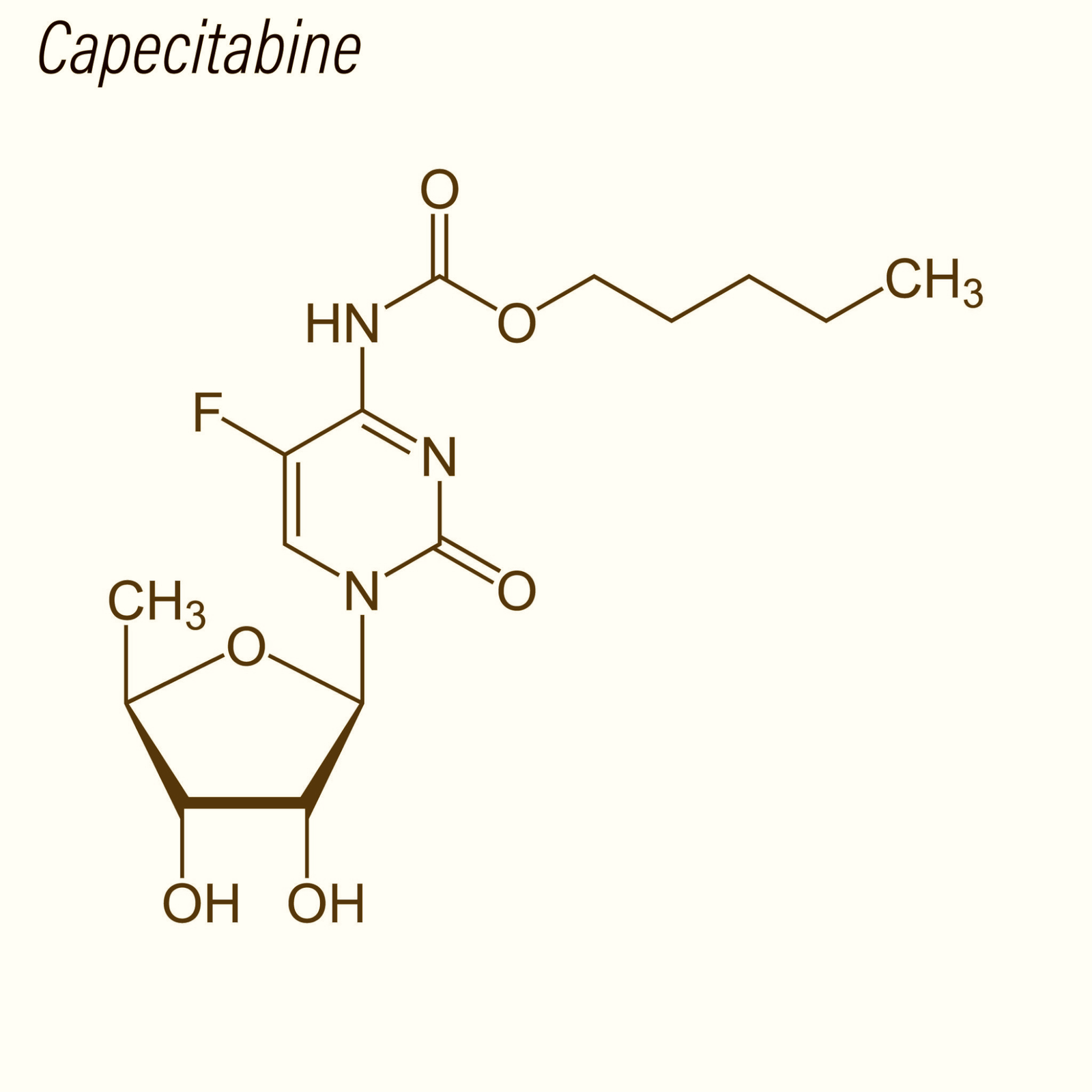
Capecitabine | CAS 154361-50-9 | For research use only
Capecitabine Tablets are an orally administered fluoropyrimidine prodrug that selectively converts to 5-fluorouracil within tumor tissues through a controlled enzymatic activation pathway. They are widely used in oncology research to study nucleic-acid synthesis inhibition, metabolic vulnerabilities, and tumor-specific cytotoxic responses.(For research use only. Not for human or veterinary use.)
Original price was: $56.00.$48.00Current price is: $48.00.Regorafenib 40mg | High Purity | Factory Manufactured | Laboratory Research Use Only
High-purity Regorafenib, factory-manufactured for in vitro mechanistic studies and molecular pathway research. Supplied as a stable solution or powder for laboratories requiring bulk, wholesale, or customized research-grade supply. Original price was: $3.00.$2.00Current price is: $2.00.Aprepitant 80mg | 99% High Purity | Laboratory Research Use Only
High-purity Aprepitant, factory-manufactured for in vitro mechanistic studies and molecular pathway research. Supplied as a stable powder for laboratories requiring bulk, wholesale, or customized research-grade supply. $1.00Elranatamab 76mg solution — Laboratory Research Grade Reagent
Elranatamab is a high-purity bispecific monoclonal antibody designed for in vitro studies of target engagement, molecular signaling, and cellular interaction mechanisms. It is intended exclusively for laboratory research, enabling precise mechanistic investigations in controlled experimental systems.
Original price was: $6.00.$3.00Current price is: $3.00.



Yogurt –
Waited for 10 days, looking forward to it being useful