
No products in the cart.
Sale
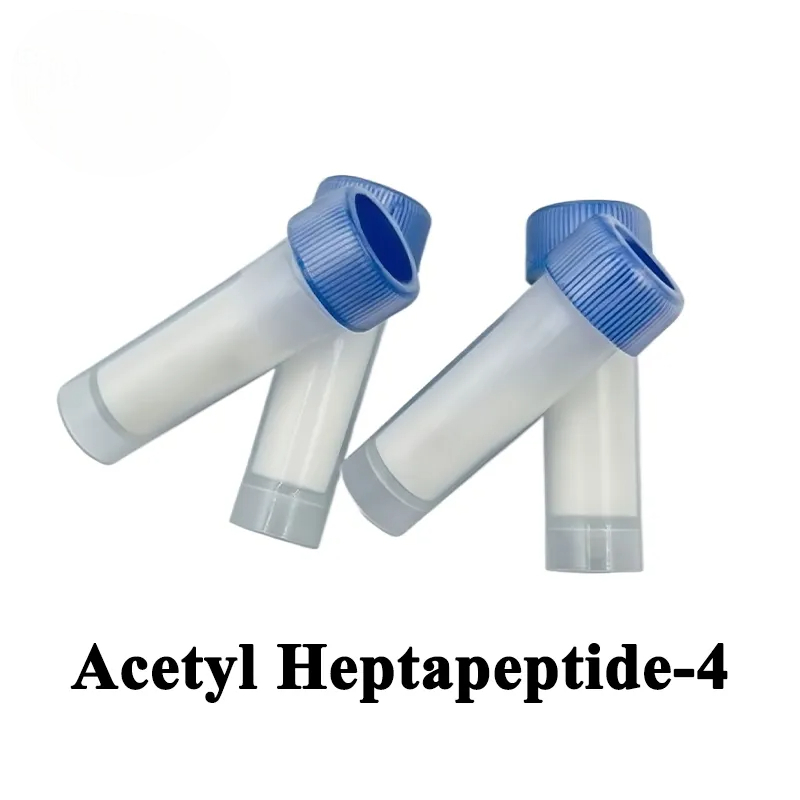
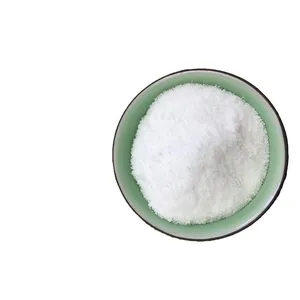
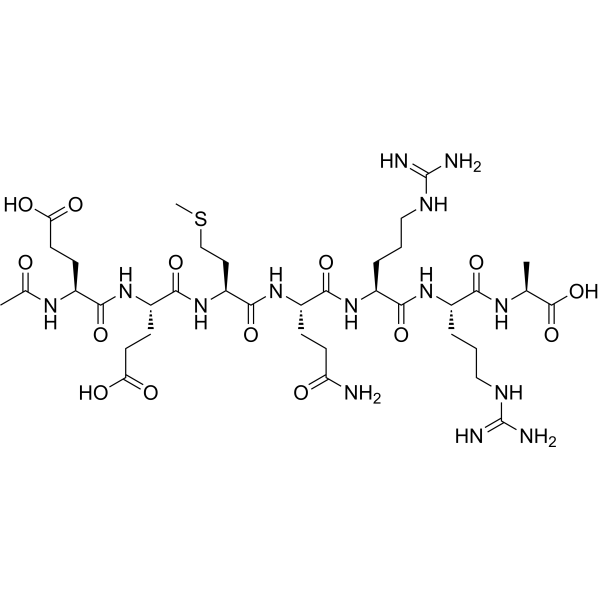
Acetyl heptapeptide-4 | CAS 1459206-66-6 | Anti-Allergic Peptide for Skin Barrier and Sensitivity
Original price was: $3.00.$2.00Current price is: $2.00.
Acetyl heptapeptide-4 is a bioactive cosmetic peptide known for its anti-allergic and skin-soothing functions. It strengthens the skin barrier, reduces inflammatory responses, and promotes dermal homeostasis, making it ideal for sensitive-skin and barrier-repair research applications.
Description
Contents
hide
Product Description
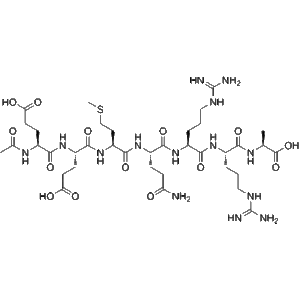
Acetyl heptapeptide-4 is a synthetic bioactive peptide developed for advanced cosmetic and dermatological research focusing on sensitive skin, allergy-prone skin, and barrier dysfunction. This seven-amino-acid sequence is acetylated to enhance its molecular stability and improve transdermal penetration. It has demonstrated strong anti-allergic and anti-inflammatory activity in in vitro studies, making it a valuable ingredient in modern cosmetic peptide research.
The peptide primarily functions as a neuromodulatory and immunomodulatory signaling molecule, influencing the communication between epidermal keratinocytes, dermal fibroblasts, and immune cells such as mast cells and Langerhans cells. By regulating these interactions, Acetyl heptapeptide-4 helps minimize the excessive inflammatory reactions that often cause skin redness, irritation, and hypersensitivity.
From a biochemical perspective, Acetyl heptapeptide-4 works by downregulating key mediators of neurogenic inflammation, including Substance P (SP), Calcitonin Gene-Related Peptide (CGRP), and Prostaglandin E2 (PGE2). It further inhibits the overproduction of pro-inflammatory cytokines such as IL-1α, IL-6, and TNF-α while enhancing the synthesis of epidermal lipids and tight junction proteins critical for maintaining barrier integrity.
Research has shown that topical formulations containing Acetyl heptapeptide-4 can help restore normal barrier function and reduce the stinging or itching sensations associated with environmental stress or product overuse. These properties make it particularly relevant for sensitive-skin models, post-procedure recovery formulations, and barrier-repair cosmetic studies.
Acetyl heptapeptide-4’s acetyl modification enhances its lipophilicity, allowing better skin penetration and prolonged bioavailability compared to non-acetylated analogs. The heptapeptide sequence itself is engineered to mimic natural skin defense peptides, thus supporting the skin’s innate immune balance. Through this dual mechanism — strengthening the barrier and modulating inflammatory response — Acetyl heptapeptide-4 stands out as an innovative tool in cosmetic peptide research.
Researchers have also explored its role in reducing allergic-type responses triggered by irritants and allergens. In controlled cell culture experiments, Acetyl heptapeptide-4 was shown to inhibit mast cell degranulation and histamine release, indicating its capacity to minimize redness and discomfort associated with allergic reactions. Moreover, its low cytotoxicity profile makes it a safe and reliable candidate for topical peptide formulation studies.
With the rising prevalence of sensitive skin conditions due to pollution, lifestyle stress, and cosmetic overexposure, Acetyl heptapeptide-4 provides a scientifically validated solution for soothing irritation and restoring barrier function. As part of ongoing cosmetic peptide innovation, it continues to serve as an essential molecule in research dedicated to skin homeostasis, inflammation control, and dermal resilience.
Product Specifications
| Property | Specification |
|---|---|
| Product Name | Acetyl heptapeptide-4 |
| CAS Number | 1459206-66-6 |
| Synonyms | N-Acetyl-Heptapeptide-4 |
| Molecular Formula | C₃₅H₅₇N₁₁O₉ |
| Molecular Weight | 771.91 g/mol |
| Purity | ≥99% |
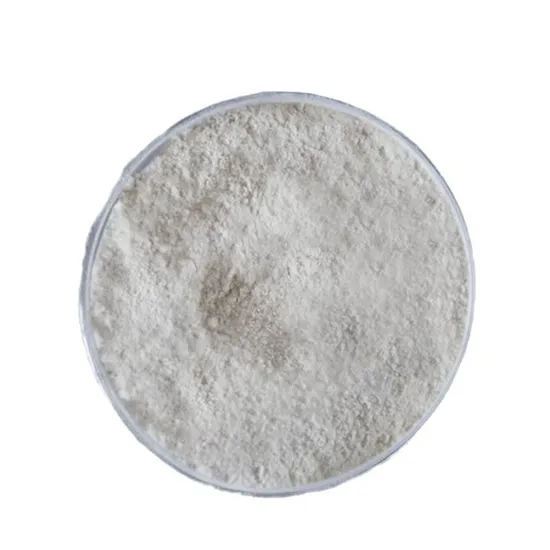
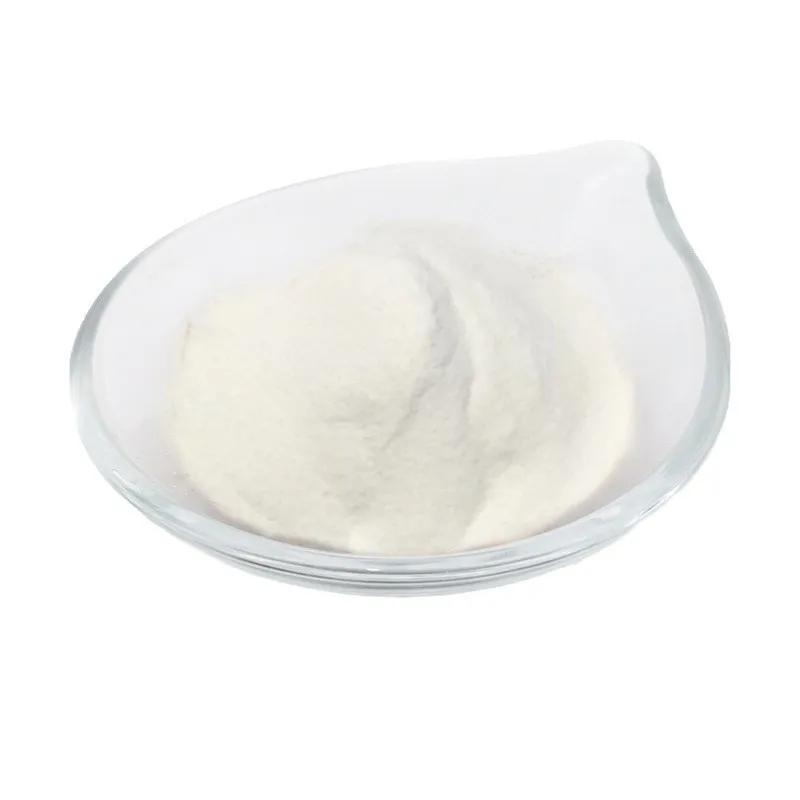
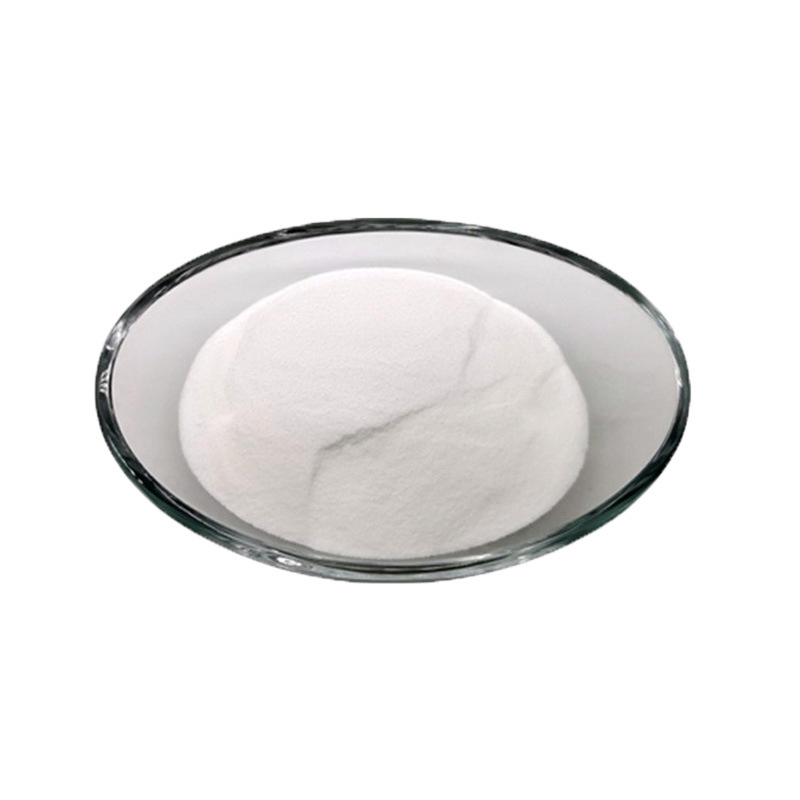
| Appearance | White to off-white lyophilized powder |
| Solubility | Soluble in water and aqueous buffers |
| Storage Temperature | 2–8 °C |
| Category | Cosmetic peptide |
| Applications | Anti-allergic research, skin barrier recovery, redness reduction, skin-calming and sensitivity studies |
| Formulation | Suitable for topical serum, cream, or emulsion research formulations |
| Stability | Stable under recommended storage conditions for ≥24 months |
| Analytical Verification | HPLC, MS, and NMR confirmed |
| Supplier Type | Factory peptide supplier |
| Intended Use | For laboratory research use only |
| Batch Analysis | Each batch supplied with a Certificate of Analysis (CoA) |
| Handling Notes | Avoid exposure to high temperature, UV light, and moisture; reconstitute using sterile water under aseptic conditions |
Mechanism of Action
Acetyl heptapeptide-4 exerts its biological effects through a multifactorial mechanism involving both immune and neural pathways. Its activity in modulating inflammatory responses and promoting skin homeostasis has been well characterized in cosmetic and dermatological research.
1. Inhibition of Neurogenic Inflammation
The peptide modulates the release of neuropeptides such as Substance P and CGRP from sensory nerve endings. These neuropeptides are key mediators of neurogenic inflammation, which is responsible for sensations of stinging, redness, and discomfort in sensitive skin. By suppressing these mediators, Acetyl heptapeptide-4 helps restore normal skin sensitivity thresholds and reduces inflammation-related erythema.
2. Suppression of Pro-Inflammatory Cytokines
Through cellular signaling pathways involving NF-κB and AP-1, Acetyl heptapeptide-4 inhibits the production of inflammatory cytokines like IL-1α, IL-6, and TNF-α. This action prevents the amplification of inflammatory cascades that contribute to skin irritation and allergic responses. The result is a visible reduction in redness and swelling, as demonstrated in laboratory keratinocyte and fibroblast co-culture models.
3. Mast Cell Stabilization
Acetyl heptapeptide-4 helps prevent mast cell degranulation, a process that releases histamine and other inflammatory mediators responsible for itching and allergic reactions. Stabilizing mast cells is critical in maintaining skin comfort and preventing overreaction to environmental stimuli, fragrances, or harsh surfactants.
4. Enhancement of Skin Barrier Function
The peptide increases the expression of key structural proteins such as filaggrin, involucrin, and occludin, which are integral components of the epidermal barrier. It also promotes the synthesis of ceramides and fatty acids, essential for maintaining hydration and reducing trans-epidermal water loss (TEWL). This leads to more resilient skin capable of defending itself against irritants and allergens.
5. Immune Balance and Homeostasis
By modulating the crosstalk between keratinocytes and immune cells, Acetyl heptapeptide-4 promotes a balanced immune response. It encourages the release of anti-inflammatory cytokines like IL-10, reducing hypersensitivity reactions while preserving the skin’s natural defense capabilities.
6. Cellular Antioxidant Defense
The peptide indirectly enhances the skin’s antioxidant response by upregulating genes associated with detoxification and reactive oxygen species (ROS) neutralization. These effects contribute to the prevention of oxidative stress-induced inflammation, further protecting sensitive skin.
7. Synergistic Use with Barrier-Repair Actives
In research formulations, Acetyl heptapeptide-4 has been shown to complement ingredients such as panthenol, niacinamide, and ceramides. This synergy promotes accelerated recovery in barrier-compromised skin and enhances comfort in individuals prone to sensitivity or redness.
Side Effects
Acetyl heptapeptide-4 has demonstrated excellent biocompatibility and safety in vitro and in reconstructed human epidermal models. No cytotoxicity, irritation, or sensitization was observed within typical experimental concentration ranges.
The peptide should, however, be handled under controlled laboratory conditions to maintain stability and prevent contamination. It is recommended to perform patch compatibility and concentration-dependent cytotoxicity studies when developing new formulations.
Overexposure to light or elevated temperatures may reduce its stability; therefore, proper storage (2–8 °C) is crucial. The peptide is strictly intended for laboratory research use and not for direct application to human subjects or therapeutic use.
Keywords
Acetyl heptapeptide-4, anti-allergic peptide, skin barrier peptide, soothing peptide, cosmetic peptide, sensitive skin research, peptide supplier China, OEM peptide production, high-purity cosmetic peptides, bulk peptide manufacturer
Shipping Guarantee
All shipments are handled using validated cold-chain logistics to preserve peptide integrity. Each package is sealed in moisture-proof containers with secondary protective wrapping and continuous temperature monitoring. Products are shipped via express international couriers with full tracking and insurance coverage.

Trade Assurance
We ensure product authenticity, verified ≥99% purity, and compliance with analytical standards (HPLC, MS, and NMR). Each batch is supplied with a Certificate of Analysis (CoA). Our trade assurance policy guarantees replacement or refund for any deviation from listed specifications.
Payment Support
We provide flexible and secure global payment options to support international research transactions. Accepted payment methods include PayPal, major credit cards (Visa, MasterCard, American Express), telegraphic transfer (T/T), and cryptocurrencies (USDT, Bitcoin, Ethereum). All transactions are protected by industry-standard encryption and verified payment gateways to ensure confidentiality and fund security.
Disclaimer
All products listed are intended for laboratory research use only and not for human or veterinary use. They are not drugs, medical devices, or diagnostics and should not be administered to humans or animals. Researchers must handle all materials in accordance with institutional biosafety and chemical safety guidelines. The information provided is for scientific reference only and does not imply therapeutic efficacy, safety, or regulatory approval.

Additional information
| Weight | 1.5 kg |
|---|---|
| Dimensions | 62 × 53 × 62 cm |
What is Acetyl heptapeptide-4 primarily used for?
It is used in cosmetic peptide research focused on skin barrier recovery, anti-allergic mechanisms, and sensitivity reduction.
Is this peptide synthesized to high purity?
Yes, it is synthesized to a verified purity of ≥99%, confirmed by HPLC, MS, and NMR testing.
What are the main applications of Acetyl heptapeptide-4?
It is mainly used in studies targeting skin sensitivity, redness control, inflammation reduction, and barrier repair.
How should this peptide be stored?
Store under refrigerated conditions between 2–8 °C and protect from light and moisture.
Is it suitable for formulation research?
Yes, it can be incorporated into creams, serums, or emulsions in research settings studying soothing or barrier-enhancing properties.
Does it have any cytotoxicity concerns?
No, studies show Acetyl heptapeptide-4 is non-cytotoxic within typical experimental concentrations.
What makes it effective for sensitive skin research?
Its dual function in modulating inflammatory cytokines and strengthening barrier proteins makes it ideal for sensitive-skin models.
Do you provide OEM or bulk peptide production services?
Yes, we offer OEM and bulk peptide synthesis for global cosmetic research institutions.
Where is your factory located?
Our manufacturing base is in China, operating under GMP-equivalent peptide synthesis standards.
What documentation accompanies the product?
Each batch includes a Certificate of Analysis (CoA) verifying ≥99% purity and analytical data.
Can it be combined with other cosmetic ingredients?
Yes, it works synergistically with soothing actives like niacinamide, ceramides, and panthenol in research applications.
Do you provide international shipping?
Yes, we provide global express delivery with validated cold-chain logistics and full tracking.
What type of peptide supplier are you?
We are a professional factory peptide supplier specializing in high-purity cosmetic peptide research materials.
Can international buyers purchase directly from your China peptide factory?
Yes, we support direct international orders and provide peptide wholesale services globally.
How do you ensure high purity and quality assurance?
All peptides undergo HPLC and MS verification to confirm high purity, and each batch is issued with complete analytical data.
Related products
Toremifene Citrate 60mg for scientific research
High-purity Toremifene Citrate Tablets designed exclusively for in vitro molecular mechanism research, receptor-binding analysis, and biochemical pathway modulation studies. Factory-manufactured with consistent batch quality, suitable for bulk and wholesale supply.(For research use only. Not for human or veterinary use.) $1.00Elranatamab 76mg solution — Laboratory Research Grade Reagent
Elranatamab is a high-purity bispecific monoclonal antibody designed for in vitro studies of target engagement, molecular signaling, and cellular interaction mechanisms. It is intended exclusively for laboratory research, enabling precise mechanistic investigations in controlled experimental systems.
Original price was: $6.00.$3.00Current price is: $3.00.Doxorubicin Liposome Solution for scientific research
High-purity Doxorubicin Liposome Solution, factory-manufactured for in vitro molecular mechanism studies and biochemical pathway research. Supplied as a stable liposomal solution, ideal for laboratories requiring bulk, wholesale, or customized research-grade supply. Original price was: $10.00.$8.00Current price is: $8.00.Pamidronate Disodium solution 15mg — Laboratory Research Grade Reagent
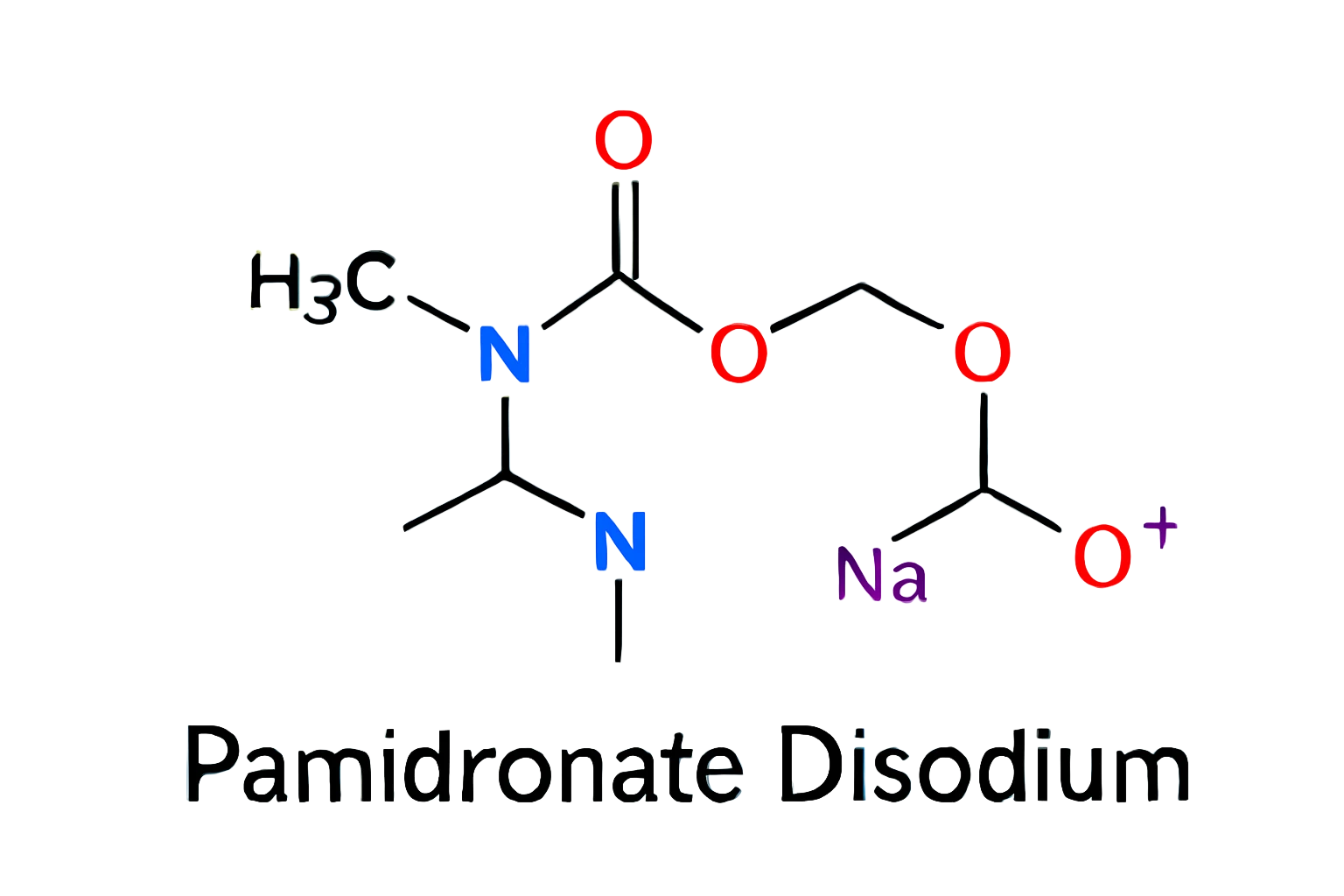
Pamidronate Disodium is a high-purity bisphosphonate reagent designed for in vitro mechanistic studies. It enables research into bone-related biochemical pathways, protein-ligand interactions, and molecular signaling mechanisms under controlled laboratory conditions. Supplied in a laboratory-ready format, it is ideal for mechanistic assays and protein interaction studies. Original price was: $6.00.$2.00Current price is: $2.00.


Reviews
There are no reviews yet.