
No products in the cart.
Sale
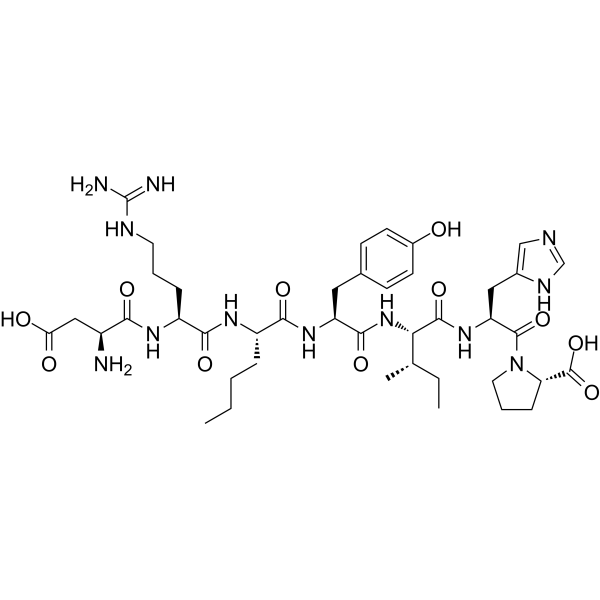
Aclerastide (DSC-127) – Angiotensin II Analog Peptide for Laboratory Research
Original price was: $23.00.$18.00Current price is: $18.00.
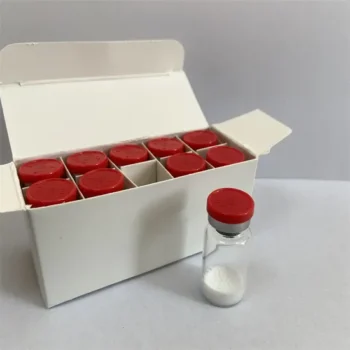
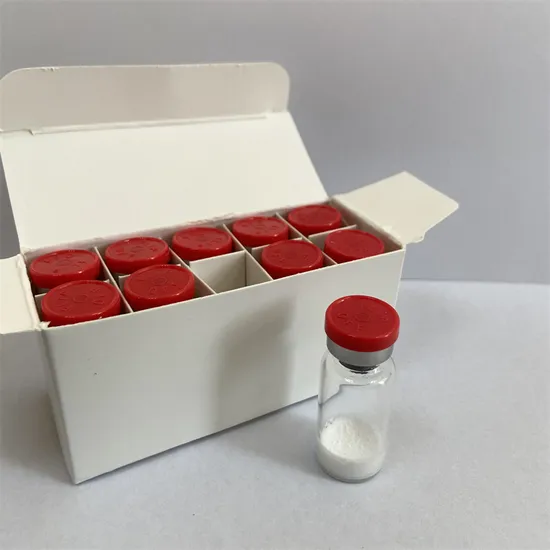
Aclerastide is a high-purity (99.85%) angiotensin II analog peptide produced under GMP standards. It is investigated for tissue regeneration and wound healing research in diabetic ulcers. Laboratory research use only, available in wholesale and retail quantities.?If you need to place an order or inquire about wholesale product prices, specifications and uses, please contact our staff?
Description
Aclerastide (CAS No. 227803-63-6), also known as DSC-127, is a synthetic peptide and angiotensin receptor agonist that acts as an analog of angiotensin II. This peptide has gained significant attention in preclinical research for its potential to promote tissue regeneration and accelerate wound healing, particularly in diabetic ulcer models.
Mechanistically, Aclerastide binds to angiotensin II receptors, activating signaling pathways that promote cellular proliferation, angiogenesis, and extracellular matrix remodeling. These pathways are essential in tissue repair and regeneration, making Aclerastide a valuable tool for laboratory studies focused on diabetic wound healing.
In diabetic ulcer models, Aclerastide has been shown to improve tissue regeneration, enhance vascularization, and stimulate growth factor expression, including vascular endothelial growth factor (VEGF) and transforming growth factor-beta (TGF-?). These effects contribute to accelerated wound closure and improved tissue architecture in preclinical research.
Produced under GMP standards, Aclerastide is supplied with a purity of 99.85%, ensuring reliability and reproducibility in laboratory experiments. It is provided as a lyophilized powder suitable for in vitro and in vivo studies. This peptide is available in both wholesale and retail quantities, supporting research institutions, academic labs, and pharmaceutical research teams.
Laboratory research use only. Not for human or veterinary use.
Product Specifications
| Parameter | Details |
|---|---|
| Product Name | Aclerastide |
| Synonyms | DSC-127, Angiotensin II analog peptide |
| CAS Number | 227803-63-6 |
| Purity | 99.85% |
| Molecular Formula | Proprietary peptide sequence |
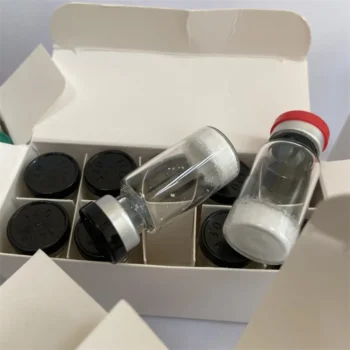
| Appearance | White to off-white lyophilized powder |
| Form | Lyophilized peptide powder |
| Storage | -20°C, protect from light and moisture |
| Applications | Tissue regeneration, wound healing, diabetic ulcer research |
| Manufacturer | GMP Certified Supplier |
Mechanism of Action & Research Applications
Aclerastide functions as an angiotensin receptor agonist, specifically targeting angiotensin II receptors involved in tissue repair and regeneration. Upon receptor binding, Aclerastide activates intracellular signaling cascades that regulate angiogenesis, extracellular matrix remodeling, and cellular proliferation.
Key research applications include:
Diabetic Ulcer Research – Enhancing tissue regeneration and wound closure in diabetic preclinical models.
Angiogenesis Studies – Stimulating vascular formation and VEGF expression in experimental systems.
Wound Healing Mechanisms – Investigating the molecular pathways of TGF-? and other growth factors in tissue repair.
Fibroblast & Keratinocyte Research – Examining cellular proliferation and migration in vitro.
Preclinical Pharmacology – Evaluating therapeutic potential of angiotensin analogs for regenerative medicine.
By modulating the angiotensin receptor pathways, Aclerastide provides researchers with a robust model to study tissue repair and explore innovative approaches to regenerative therapy.
Development & Research Background
Aclerastide was developed as a synthetic angiotensin II analog to selectively promote tissue repair while avoiding systemic vasoactive effects typically associated with angiotensin II. PEGylation or chemical modification strategies have been employed in related analogs to improve stability, bioavailability, and duration of action in preclinical models.
Preclinical studies using Aclerastide have demonstrated:
Accelerated closure of chronic diabetic wounds.
Increased neovascularization and microvascular density in regenerating tissue.
Upregulation of growth factors such as VEGF and TGF-?.
Modulation of inflammatory responses at the wound site, facilitating effective tissue remodeling.
These findings have positioned Aclerastide as a valuable research tool for studying diabetic ulcers, chronic wounds, and other tissue repair mechanisms in laboratory and preclinical settings.
Side Effects (For Reference in Research Models Only)
Potential local tissue irritation depending on administration method.
Context-dependent modulation of cellular proliferation pathways.
Systemic vasoactive effects are generally minimal in localized experimental use.
Effects should be carefully monitored in in vivo studies.
Disclaimer
Aclerastide is supplied exclusively for laboratory research use. It is not intended for human or veterinary consumption, diagnosis, or therapeutic applications.
Keywords
DSC-127 peptide
Angiotensin II analog peptide
Tissue regeneration research peptide
Diabetic ulcer research chemical
GMP Aclerastide supplier
Laboratory research peptide
Preclinical wound healing peptide
Wholesale Aclerastide peptide
Additional information
| Weight | 0.8 kg |
|---|---|
| Dimensions | 56 × 62 × 56 cm |
1 review for Aclerastide (DSC-127) – Angiotensin II Analog Peptide for Laboratory Research
What is Aclerastide?
Aclerastide (DSC-127) is an angiotensin II analog peptide used for laboratory research, primarily in tissue regeneration and diabetic ulcer studies.
What is the CAS number of Aclerastide?
The CAS number is 227803-63-6.
What is the purity of Aclerastide supplied?
Aclerastide is supplied at 99.85% purity under GMP standards.
What are the main research applications of Aclerastide?
It is mainly used for tissue regeneration, diabetic ulcer research, angiogenesis studies, and preclinical wound healing investigations.
How does Aclerastide work?
Aclerastide binds to angiotensin II receptors, activating signaling pathways that promote cell proliferation, angiogenesis, and extracellular matrix remodeling.
Is Aclerastide available for wholesale supply?
Yes, it is available for both wholesale and retail laboratory research use.
Can Aclerastide be used in humans?
No, Aclerastide is strictly for laboratory research use only.
How should Aclerastide be stored?
Store at -20°C and protect from light and moisture to preserve peptide integrity.
What form is Aclerastide supplied in?
It is provided as a lyophilized peptide powder suitable for experimental preparation.
Does Aclerastide have systemic effects in preclinical models?
In localized laboratory applications, systemic vasoactive effects are minimal, but effects should be monitored depending on the experimental setup.
Is Aclerastide GMP-certified?
Yes, it is manufactured by a GMP-certified supplier to ensure research-grade quality and reproducibility.
Can Aclerastide be used for angiogenesis research?
Yes, Aclerastide is widely applied in preclinical models to study angiogenesis, vascular remodeling, and wound healing mechanisms.
Related products
GLP-1/GIP/glucagon combination therapy The Future of Metabolic Treatment (Wholesale Supplier Guide)
GLP-1/GIP/glucagon combination therapy Original price was: $38.00.$23.00Current price is: $23.00.Wholesale 99% Purity Epitalon Peptide Raw Powder for Skin Repair
Epitalon Peptide Raw Powder for Skin Repair Original price was: $33.00.$22.00Current price is: $22.00.99% Pure Peptide Reta Trutide Epitalon in Stock Factory wholesale
Peptide Reta Purity 99%Over Original price was: $39.00.$26.00Current price is: $26.00.High Purity Weight Loss Peptide Reta, Trutide, GHK-Cu, Epitalon Peptide – The Ultimate Solution for Effective Weight Loss and Anti-Aging
Weight Loss Peptide Function Dose 2mg 5mg 10mg 15mg 20mg Higher Original price was: $36.00.$25.00Current price is: $25.00.


Mic –
Shipping was faster than expected.