
No products in the cart.
Sale
AGPV | CAS 154485-78-6 | Freeze-dried powder raw material supply
Original price was: $54.00.$28.00Current price is: $28.00.
AGPV (CAS 154485-78-6) is a bioactive tetrapeptide with potential for schistosome infection prevention research. It exhibits immunomodulatory and anti-parasitic properties, helping elucidate the molecular mechanisms of host–parasite interactions.
Description
Contents
hide
Product Description
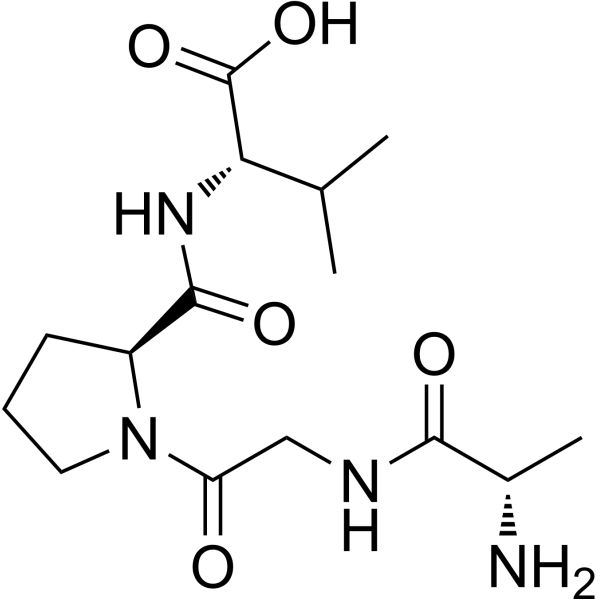
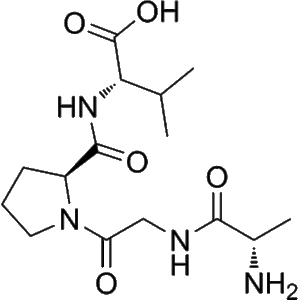
AGPV (CAS 154485-78-6) is a synthetic tetrapeptide composed of four amino acid residues arranged in a bioactive sequence that enables modulation of host–parasite interactions. This compound has attracted attention in parasitology research for its potential role in the prevention of schistosome parasite infection, a major parasitic disease affecting millions of people worldwide.
Schistosomiasis, caused by blood flukes of the genus Schistosoma, remains a significant public health concern in tropical and subtropical regions. Peptide-based agents such as AGPV offer a novel strategy for interrupting parasite life cycles and infection establishment, especially in the early stages of host invasion.
may act by interfering with surface protein recognition, blocking parasite adhesion to host cells, or modulating immune responses that facilitate parasite survival. Its small size and stability make it suitable for structural and biochemical studies exploring anti-parasitic mechanisms at the molecular level.
Preliminary studies suggest that tetrapeptides like AGPV can modulate protease activity, oxidative stress responses, and immune signaling cascades, thereby reducing the success of parasite colonization. Such mechanisms can be leveraged in designing vaccines or therapeutic leads against parasitic diseases.
Overall, serves as a promising research compound for schistosome infection prevention, representing a bridge between peptide chemistry, immunology, and parasitology.
Product Specifications
| Parameter | Details |
|---|---|
| Product Name | AGPV |
| Synonyms | AGPV peptide; Tetrapeptide AGPV |
| CAS Number | 154485-78-6 |
| Chemical Formula | Not disclosed |
| Molecular Weight | Not disclosed |
| Sequence | Ala-Gly-Pro-Val |
| Compound Type | Synthetic tetrapeptide |
| Biological Activity | Anti-parasitic, immunomodulatory |
| Mechanism of Action | Disruption of schistosome-host interactions; immune modulation |
| Target Pathways | Protease inhibition, oxidative stress response, cytokine signaling |
| Purity | ≥98% (HPLC) |
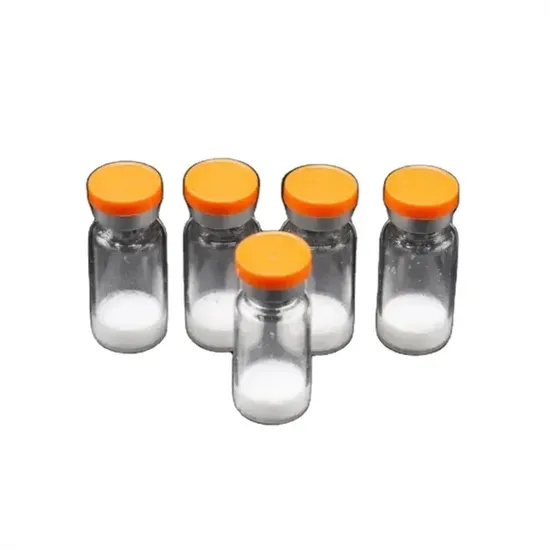
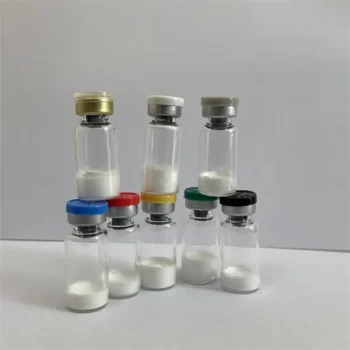
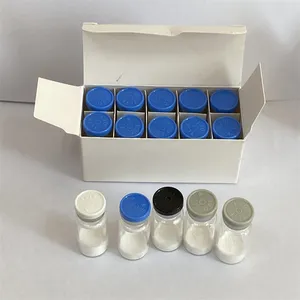
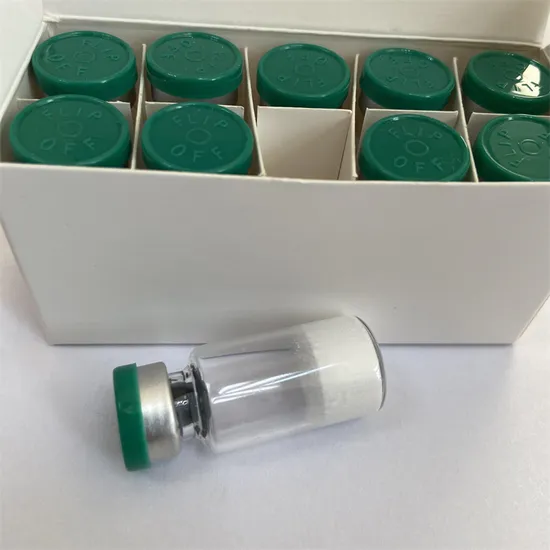
| Appearance | White to off-white lyophilized powder |
| Solubility | Soluble in water, PBS, and DMSO |
| Storage Conditions | -20°C, protect from light and moisture |
| Stability | Stable for ≥24 months under proper storage conditions |
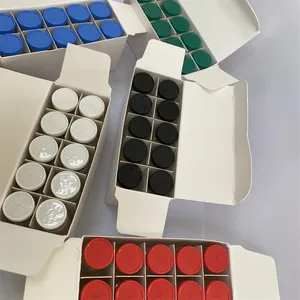
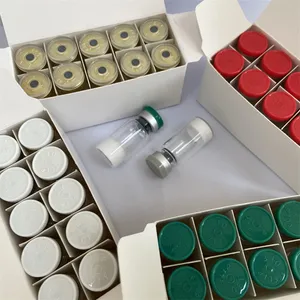
| Formulation | Supplied as lyophilized powder |
| Applications | Schistosome infection research, parasitic disease prevention, host–parasite interaction studies |
Mechanism of Action
AGPV exerts its anti-parasitic and immunomodulatory effects by interacting with key molecular and cellular pathways involved in schistosome infection. As a small peptide, AGPV’s activity is based on specific amino acid motifs capable of interfering with parasite attachment and signaling.
1. Interference with Host–Parasite Binding
The early stages of schistosome infection involve complex molecular recognition events between parasite surface proteins and host cell receptors. may act as a competitive inhibitor, blocking these recognition sites and preventing successful parasite attachment and penetration.
2. Inhibition of Proteolytic Enzymes
Schistosomes secrete proteases to degrade host tissue barriers during invasion. AGPV has the potential to inhibit parasite protease activity, reducing tissue penetration and infection efficiency.
3. Immune System Modulation
AGPV may influence host immune signaling by modulating cytokine profiles or enhancing macrophage and T-cell responses. By reprogramming the immune system to recognize and attack invading parasites, AGPV helps to establish protective immunity in experimental models.
4. Reduction of Oxidative Stress
Parasitic infections often induce oxidative stress in host tissues. AGPV appears to enhance antioxidant defense mechanisms, protecting host cells from damage while simultaneously impairing parasite viability.
5. Potential Vaccine Adjuvant Role
Due to its immunomodulatory activity and low toxicity, AGPV could serve as a vaccine adjuvant or peptide component in schistosomiasis vaccine development. It may help induce memory immune responses that provide lasting protection against reinfection.
Collectively, represents a multi-target peptide tool for studying host–parasite dynamics and identifying novel therapeutic strategies against schistosomiasis and related parasitic diseases.
Side Effects
Although AGPV is a research-use compound, and detailed toxicological studies are limited, general data from peptide-based analogs suggest the following possible effects:
Low cytotoxicity at experimental concentrations.
Potential immunogenic response upon repeated exposure in animal models.
Mild local irritation possible in high-dose in vivo tests.
Stable and biocompatible under physiological conditions, minimizing systemic toxicity.
Researchers are advised to adhere to proper laboratory safety practices and handle under standard peptide handling protocols.
Disclaimer
This product is for research use only (RUO). Not intended for human or veterinary use. Laboratory-grade compound supplied for controlled research applications.
Keywords
CAS 154485-78-6, tetrapeptide, schistosome infection prevention, antiparasitic peptide, host–parasite interaction, protease inhibitor peptide, immunomodulatory peptide, oxidative stress modulation, parasitology research compound, peptide for tropical disease research, peptide drug discovery.
Shipping Guarantee
All peptide compounds are shipped under validated temperature-controlled conditions with full traceability and insurance coverage to ensure product integrity and quality.
Transaction Guarantee
We guarantee secure international transactions, authenticity verification, and availability of batch-specific analytical data (HPLC, MS) for all peptide compounds.

Additional information
| Weight | 0.8 kg |
|---|---|
| Dimensions | 63 × 28 × 63 cm |
1 review for AGPV | CAS 154485-78-6 | Freeze-dried powder raw material supply
What is AGPV?
AGPV is a synthetic tetrapeptide with potential applications in schistosome parasite infection prevention research.
What is its CAS number?
CAS No. 154485-78-6.
What type of compound is AGPV?
It is a synthetic bioactive tetrapeptide.
What are its main research applications?
Schistosome infection prevention, parasitic disease research, and immune response studies.
How does AGPV work?
It interferes with parasite adhesion, modulates immune responses, and inhibits proteolytic enzymes.
Is AGPV safe to use in research?
Yes, it exhibits low cytotoxicity and high stability in experimental conditions.
Is AGPV suitable for vaccine studies?
Yes, it has potential as a peptide adjuvant for schistosomiasis vaccine development.
What is its purity?
≥98% (HPLC verified).
How should AGPV be stored?
Store at -20°C, protected from light and moisture.
Is AGPV available in bulk quantities?
Yes, bulk and custom synthesis are available upon request.
Related products
Tesamorelin Raw Material Factory: Low-Price Wholesale for High-Purity Peptides
Tesamorelin Egrifta; Tesamorelin; 218949-48-5; 804475-66-9; TH9507; ... Compound CID: 16137828 MF: C221H366N72O67S Original price was: $38.00.$23.00Current price is: $23.00.Factory Supply Peptide Healthcare 99% with Safe Delivery
Peptide Healthcare Usage Delta-Sleep Inducing Peptides Purity 99%Over Dose 2mg 5mg 10mg 15mg 20mg Highe Original price was: $28.00.$23.00Current price is: $23.00.Semaglutide finished product (lyophilized powder) wholesale Supplier
Semaglutide finished product (lyophilized powder) wholesale $1.00Retatrutide Raw Material Factory: Low-Price Wholesale for High-Purity Peptides
Retatrutide MOQ 1 Box Source Dry Powder Original price was: $38.00.$22.00Current price is: $22.00.

Susaan –
the logistics efficiency is very high