
No products in the cart.
Sale
AGPV TFA | Tetrapeptide raw material supply
Original price was: $43.00.$32.00Current price is: $32.00.
AGPV TFA is the trifluoroacetate salt form of the AGPV tetrapeptide, known for its potential in schistosome infection prevention research. It exhibits anti-parasitic and immunomodulatory properties, making it a useful compound for parasitology and host–pathogen interaction studies.
Description
Contents
hide
Product Description
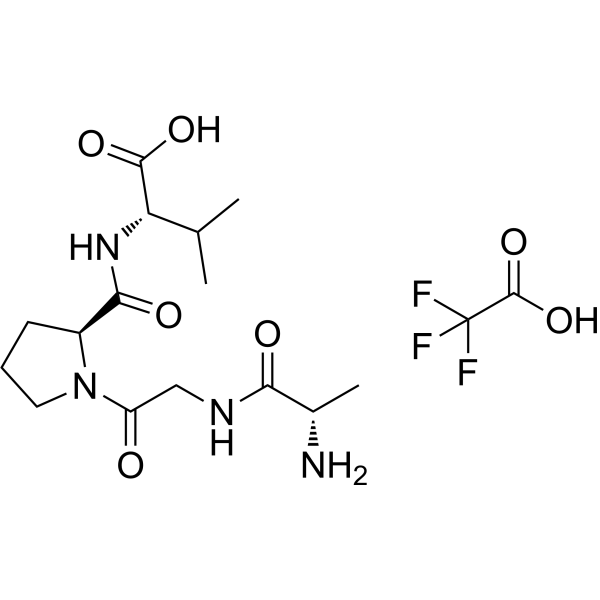
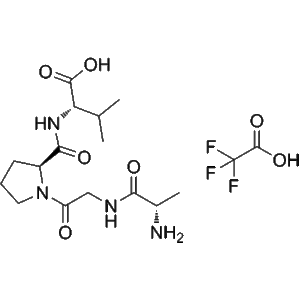
AGPV TFA is a synthetic tetrapeptide in trifluoroacetate salt form, designed for research on schistosome parasite infection prevention and host–parasite molecular interactions. This bioactive peptide consists of the amino acid sequence Ala-Gly-Pro-Val, representing a compact yet functionally rich molecular structure that enables selective modulation of parasitic mechanisms and immune responses in experimental systems.
Schistosomiasis, caused by Schistosoma spp., is a neglected tropical disease affecting over 200 million people globally. The complex life cycle and immune evasion strategies of these parasites make prevention particularly challenging. Peptide-based agents such as AGPV TFA are gaining attention as innovative bio-tools for interrupting parasite adhesion, invasion, and host immune modulation.
AGPV TFA functions through several potential mechanisms, including interfering with parasite proteases, blocking receptor-mediated attachment, and enhancing innate and adaptive immune activity. Its trifluoroacetate salt form enhances stability, solubility, and peptide handling, making it suitable for in vitro assays, animal infection models, and mechanistic immunology studies.
Research Applications
Anti-parasitic agent — potential to prevent Schistosoma infection by disrupting parasite–host adhesion mechanisms.
Immunomodulatory peptide — enhances host defense mechanisms and balances cytokine responses.
Vaccine development — candidate adjuvant or peptide component for experimental anti-schistosomal vaccines.
Host–pathogen interaction model — useful in studying parasite penetration and immune evasion pathways.
Overall, AGPV TFA represents a novel peptide-based research compound bridging immunology, parasitology, and peptide chemistry, offering a foundation for developing new therapeutic and prophylactic strategies against schistosomiasis and similar parasitic infections.
Product Specifications
| Parameter | Details |
|---|---|
| Product Name | AGPV TFA |
| Synonyms | AGPV trifluoroacetate; AGPV peptide TFA salt |
| CAS Number | — |
| Chemical Formula | C₁₅H₂₄N₄O₆·xCF₃COOH (approx.) |
| Molecular Weight | Variable (depending on TFA stoichiometry) |
| Sequence | Ala-Gly-Pro-Val |
| Compound Type | Synthetic tetrapeptide (TFA salt) |
| Form | Trifluoroacetate salt |
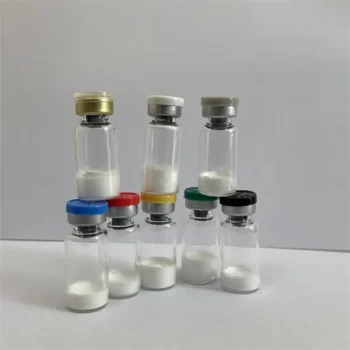
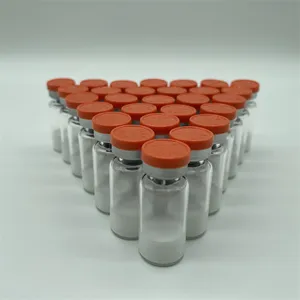
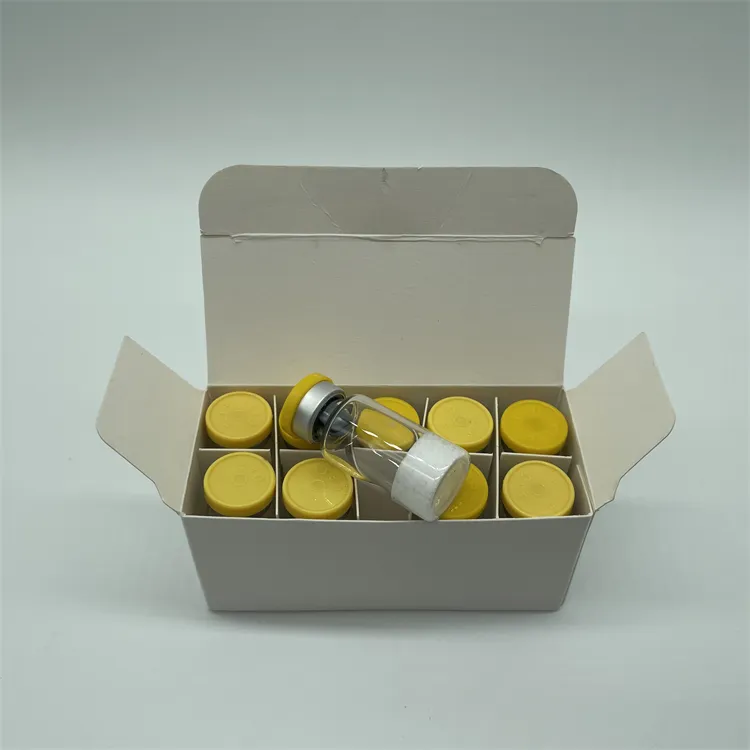
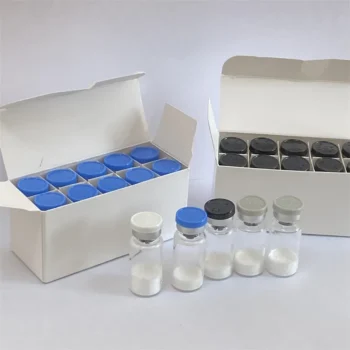
| Appearance | White to off-white lyophilized powder |
| Purity | ≥98% (HPLC) |
| Solubility | Soluble in water, PBS, and DMSO |
| Storage Conditions | -20°C, protected from light and moisture |
| Stability | Stable for ≥24 months under proper storage conditions |
| Applications | Schistosome infection research, immunology, parasitic prevention, host–parasite modeling |
Mechanism of Action
AGPV TFA operates through multi-pathway modulation of host–parasite biological interactions, reflecting the multifunctional nature of short peptides in biological systems.
1. Interference with Parasite–Host Adhesion
During infection, schistosome larvae (cercariae) utilize specific adhesion molecules to bind to host skin or epithelial tissues. AGPV TFA may act as a competitive inhibitor, mimicking host peptide motifs and disrupting parasite receptor binding, thereby reducing infection efficiency.
2. Protease Inhibition and Barrier Protection
The parasite releases proteolytic enzymes to degrade host tissue barriers. AGPV TFA is believed to interfere with cysteine or serine protease activity, thereby preserving tissue integrity and blocking parasite penetration.
3. Immunomodulation
AGPV TFA can modulate the immune microenvironment by enhancing Th1/Th2 balance, promoting macrophage activation, and supporting antigen presentation. This helps the host’s immune system recognize and respond more effectively to invading parasites.
4. Oxidative Stress and Inflammatory Regulation
Parasitic infection often leads to local oxidative stress. AGPV TFA has potential antioxidant effects, reducing cellular damage and supporting controlled inflammatory responses that limit parasite survival.
5. Vaccine Adjuvant Potential
Due to its immunogenicity and low cytotoxicity, AGPV TFA may serve as an adjuvant or component in multi-epitope vaccines, providing dual benefits—immune enhancement and parasite recognition modulation.
Through these combined mechanisms, AGPV TFA serves as a multifunctional peptide scaffold in parasitology and immunology research, supporting the development of next-generation anti-parasitic strategies.
Side Effects
AGPV TFA is intended for laboratory research use only, and its safety in humans or animals has not been fully evaluated. However, based on related short peptide analogs, expected properties include:
Low cytotoxicity at standard in vitro concentrations.
Mild immunogenicity possible with repeated exposure in animal models.
Non-irritating and biocompatible when handled appropriately.
Potential transient peptide sensitivity reactions in cell culture experiments.
Researchers should apply standard safety protocols when handling bioactive peptides and avoid direct human or veterinary exposure.
Disclaimer
AGPV TFA is supplied for research use only (RUO). Not for diagnostic, therapeutic, or clinical use. All data provided are for scientific reference and experimental planning purposes.
Keywords
AGPV TFA, AGPV trifluoroacetate, tetrapeptide TFA, antiparasitic peptide, schistosome infection prevention, host–parasite interaction, peptide immunomodulator, peptide vaccine adjuvant, protease inhibitor peptide, peptide drug research, parasitology research compound.
Shipping Guarantee
All peptide compounds are shipped under validated temperature-controlled conditions with full traceability and batch certification to maintain product integrity and stability during transit.
Transaction Guarantee
We provide verified analytical data (HPLC, MS), authenticity documentation, and global shipping assurance for all peptide products. Secure and compliant international transactions guaranteed.

Additional information
| Weight | 0.8 kg |
|---|---|
| Dimensions | 56 × 28 × 56 cm |
1 review for AGPV TFA | Tetrapeptide raw material supply
What is AGPV TFA?
AGPV TFA is the trifluoroacetate salt form of the AGPV tetrapeptide used for schistosome infection prevention research.
How does AGPV TFA differ from AGPV?
The TFA form provides improved stability and solubility while maintaining the same biological sequence and activity profile.
What are its research applications?
It’s used in parasitic infection models, host–parasite interaction studies, and vaccine adjuvant research.
Is AGPV TFA active against schistosomes?
Yes, it shows potential for preventing Schistosoma infection by interfering with parasite adhesion and protease activity.
Can AGPV TFA be used in humans?
No. It is for laboratory research use only, not for medical or veterinary applications.
How should AGPV TFA be stored?
Store at -20°C, protected from moisture and light.
Is AGPV TFA soluble in water?
Yes, it is soluble in aqueous buffers such as PBS or distilled water.
What purity is provided?
≥98% purity confirmed by HPLC analysis.
Does AGPV TFA have immunomodulatory properties?
Yes, it can modulate immune responses relevant to parasite infection studies.
Can AGPV TFA be used as a vaccine component?
It is suitable for preclinical studies as an adjuvant or peptide antigen component.
Related products
99.9% Effective Weight Loss Shaping Peptide – Beauty Peptide Factory Direct Low Price Wholesale
Peptide Purity 99% Specification 5mg/vial, 10mg/vial, 15mg/vial Original price was: $38.00.$23.00Current price is: $23.00.Factory Supply Peptide Healthcare 99% with Safe Delivery
Peptide Healthcare Usage Delta-Sleep Inducing Peptides Purity 99%Over Dose 2mg 5mg 10mg 15mg 20mg Highe Original price was: $28.00.$23.00Current price is: $23.00.GLP-1 Retatrutide Weight Loss Slimming low price wholesale
GLP-1 peptide slimming product, 5mg 10mg 15mg vials, metabolic health- Application: Health Care Supplement
- Form: Disposable vials
- Dosages: 5mg, 10mg, 15mg
- Purity: >99%
High Purity Weight Loss Peptide Reta, Trutide, GHK-Cu, Epitalon Peptide – The Ultimate Solution for Effective Weight Loss and Anti-Aging
Weight Loss Peptide Function Dose 2mg 5mg 10mg 15mg 20mg Higher Original price was: $36.00.$25.00Current price is: $25.00.


Joece –
very high purity!I will back