
No products in the cart.
Sale
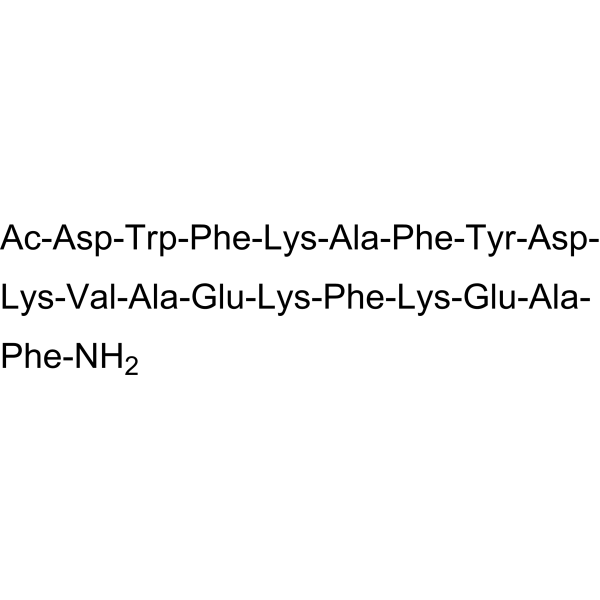
APL180 | CAS 388566-97-0 | Apolipoprotein A-I Mimic Peptide for Cardiovascular Research
Original price was: $23.00.$18.00Current price is: $18.00.
APL180 (L-4F) is an apolipoprotein A-I mimic peptide that enhances high-density lipoprotein (HDL) function. It exhibits strong anti-inflammatory and antioxidant properties and is widely used in cardiovascular and atherosclerosis research.
Description
Product Description
APL180 (also known as L-4F) is a synthetic apolipoprotein A-I mimetic peptide developed to emulate the structural and functional features of natural high-density lipoprotein (HDL) particles. This peptide plays a pivotal role in the modulation of lipid transport, cholesterol efflux, and vascular inflammation. Unlike natural ApoA-I, APL180 offers superior chemical stability and resistance to enzymatic degradation, making it an ideal candidate for biomedical and preclinical studies focused on cardiovascular and metabolic disorders.
The biological relevance of APL180 lies in its ability to replicate the atheroprotective actions of ApoA-I, the main protein constituent of HDL. By binding to lipid molecules and promoting cholesterol efflux from macrophages, APL180 supports reverse cholesterol transport — a crucial process in maintaining lipid balance and preventing arterial plaque accumulation. Moreover, APL180 modulates inflammatory pathways by suppressing cytokine release and reducing oxidative stress markers within endothelial cells.
In addition to its effects on lipid metabolism, APL180 exerts antioxidant and anti-inflammatory effects through the inhibition of lipid peroxidation and the neutralization of reactive oxygen species (ROS). These combined actions make it a valuable research tool for understanding the interplay between lipid regulation, vascular function, and inflammation.
Studies have also demonstrated APL180’s influence on endothelial nitric oxide synthase (eNOS) activity, improving endothelial-dependent vasodilation and vascular homeostasis. Furthermore, the peptide has shown promise in models of atherosclerosis, hyperlipidemia, and metabolic syndrome, where it mitigates plaque formation, improves HDL function, and enhances antioxidant defense mechanisms.
Overall, APL180 provides researchers with a reliable, chemically defined model of ApoA-I function, suitable for exploring new therapeutic strategies in cardiovascular diseases, inflammation, and lipid metabolism.
Product Specifications
| Property | Description |
|---|---|
| Product Name | APL180 |
| Synonyms | L-4F; Apolipoprotein A-I Mimetic Peptide |
| CAS Number | 388566-97-0 |
| Molecular Formula | C₈₇H₁₂₃N₂₁O₂₁ |
| Molecular Weight | 1796.05 g/mol |
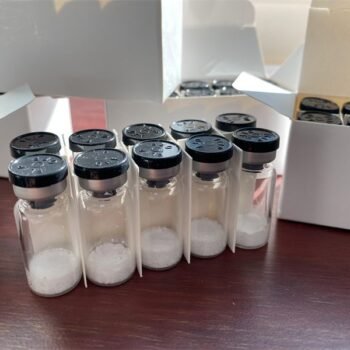
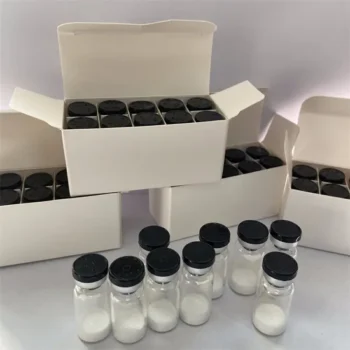
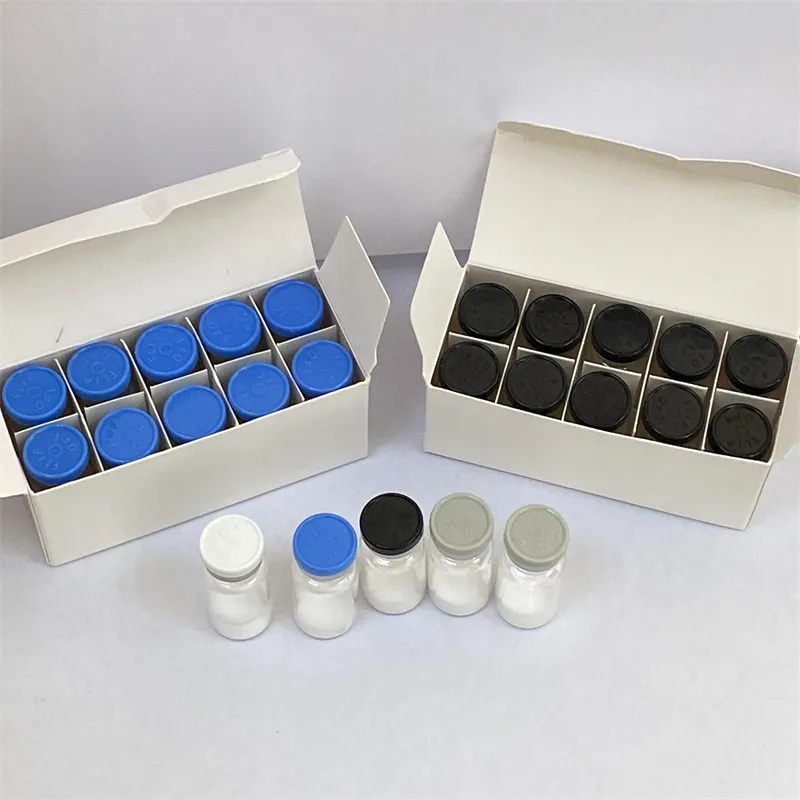
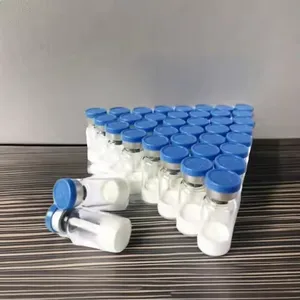
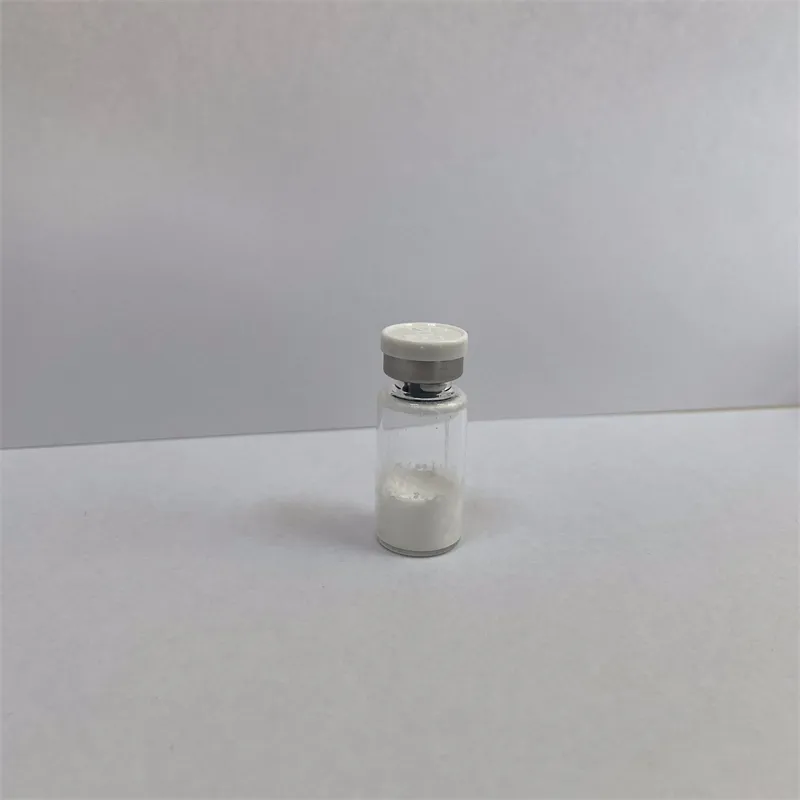
| Appearance | White to off-white lyophilized powder |
| Purity | ≥99% (HPLC) |
| Solubility | Soluble in water, PBS, and DMSO |
| Storage Conditions | Store at -20°C, protected from light and moisture |
| Stability | Stable for long-term storage under recommended conditions |
| Formulation | Supplied as lyophilized powder |
| Intended Use | For laboratory research use only |
Mechanism of Action
APL180 exerts its biological functions through molecular mimicry of apolipoprotein A-I (ApoA-I), a critical component of HDL responsible for reverse cholesterol transport and vascular protection. The amphipathic helical structure of APL180 allows it to associate with lipids and phospholipids, forming HDL-like complexes that facilitate cholesterol efflux from macrophages via the ATP-binding cassette transporters ABCA1 and ABCG1.
This cholesterol efflux is a key mechanism in reducing lipid accumulation within arterial walls and preventing the formation of foam cells — one of the earliest events in atherosclerotic plaque development. In addition, APL180 stimulates lecithin-cholesterol acyltransferase (LCAT) activity, enhancing the maturation of HDL particles and promoting efficient lipid transport.
At the vascular level, APL180 suppresses the expression of pro-inflammatory cytokines such as TNF-α, IL-1β, and IL-6 while upregulating anti-inflammatory mediators like IL-10. It also reduces the expression of adhesion molecules (VCAM-1, ICAM-1) on endothelial cells, limiting monocyte adhesion and vascular inflammation.
Another important mechanism involves oxidative stress modulation. APL180 scavenges reactive oxygen and nitrogen species, inhibits lipid oxidation, and restores endothelial nitric oxide synthase (eNOS) activity. By improving nitric oxide (NO) bioavailability, it promotes vasodilation and maintains vascular homeostasis.
Recent studies have shown that APL180 influences macrophage polarization, promoting an anti-inflammatory M2 phenotype, which contributes to plaque stabilization. Collectively, these mechanisms make APL180 a potent model compound for studying cardiovascular protection, anti-inflammatory signaling, and HDL functionality.
Side Effects
As a research peptide, APL180 has demonstrated excellent tolerability in preclinical studies. No cytotoxicity or immunogenicity has been reported at standard experimental concentrations. However, in vitro and in vivo data indicate that excessively high doses could potentially lead to cellular lipid depletion or altered membrane fluidity due to enhanced cholesterol efflux.
In experimental animals, transient hypotension or mild vascular relaxation may occur due to increased nitric oxide release. Additionally, metabolic alterations in lipid pathways can occasionally be observed, particularly under prolonged exposure or high-concentration assays.
Researchers are advised to use appropriate dosing and experimental controls to ensure accurate interpretation of results. All applications should be strictly limited to non-clinical, laboratory-based studies.
Disclaimer
All products provided are intended for laboratory research use only and are not for human or veterinary use. No claims are made regarding therapeutic or diagnostic applications. Proper laboratory safety and handling procedures should always be followed.
Keywords
APL180, L-4F, Apolipoprotein A-I Mimetic Peptide, HDL Function, Cholesterol Efflux, Atherosclerosis, Cardiovascular Research, Anti-inflammatory Peptide, Lipid Metabolism, Reverse Cholesterol Transport
Shipping Guarantee
We ensure global shipment with cold-chain packaging and full protection against temperature and moisture damage. Orders are dispatched within 48 hours, and each package includes documentation for quality verification and traceability.
Trade Assurance
Our trade system provides secure payment processing, verified supplier status, and transparent logistics. Certificates of Analysis (CoA) and HPLC/MS data are available upon request for all peptide batches.

Additional information
| Weight | 1.2 kg |
|---|---|
| Dimensions | 56 × 28 × 56 cm |
1 review for APL180 | CAS 388566-97-0 | Apolipoprotein A-I Mimic Peptide for Cardiovascular Research
1. What is APL180 used for?
APL180 is used in cardiovascular research to study HDL function, lipid metabolism, and anti-inflammatory pathways.
2. How does APL180 differ from natural ApoA-I?
APL180 mimics ApoA-I’s structure and function but offers greater stability, solubility, and resistance to degradation.
3. Is APL180 suitable for in vivo use?
It can be used in animal research under controlled experimental protocols but is not approved for clinical use.
4. What solvents are recommended for dissolving APL180?
Water, PBS, or DMSO can be used depending on experimental requirements.
5. What purity level does APL180 have?
APL180 is supplied with ≥99% purity confirmed by HPLC and MS analysis.
6. Can APL180 be stored long-term?
Yes. It remains stable for over 24 months when stored at -20°C, protected from light and moisture.
7. Is APL180 cytotoxic?
No cytotoxic effects have been observed under typical laboratory conditions.
8. Does APL180 affect oxidative stress?
Yes. It reduces lipid peroxidation and enhances antioxidant enzyme activity.
9. How can APL180 be used in cholesterol efflux studies?
APL180 facilitates HDL-like particle formation and stimulates cholesterol efflux via ABCA1 and ABCG1 transporters.
10. Can APL180 be combined with other peptides or compounds?
Yes, APL180 can be co-administered with complementary lipid-modulating or anti-inflammatory compounds for synergistic studies.
Related products
Best-Selling Weight Loss Peptide: Slimming Peptide Reta with Safe Delivery
Weight Loss Peptide Lab-Tested Purity (99%+) – Ensures maximum effectiveness Original price was: $56.00.$23.00Current price is: $23.00.Anti-Aging Peptide Raw Powder CAS 307297-39-8 Epitalon – Low Price Wholesale
Anti-Aging Moq:10 vials per box Appearance:Lyophilized powder Purity:99% Original price was: $29.00.$23.00Current price is: $23.00.USA-Peptide-Janoshik Lyophilized Peptide Raw Powder for Muscle Building & Weight Loss
Lyophilized peptide raw powder Moq:10 vials per box Appearance:Lyophilized powder Original price was: $32.00.$24.00Current price is: $24.00.Wholesale Cibinetide Peptide Sterile Solution
Cibinetide Sterile Solution is a synthetic, tissue-protective erythropoietin-derived peptide engineered for research use in inflammation, neuroprotection, and cellular stress-response models. Its high purity, GMP-compliant preparation, and ready-to-use sterile formulation make it ideal for laboratories requiring consistent, reproducible peptide performance in advanced mechanistic studies.(For research use only. Not for human or veterinary use) Original price was: $38.00.$22.00Current price is: $22.00.
FICHTELCHRIS –
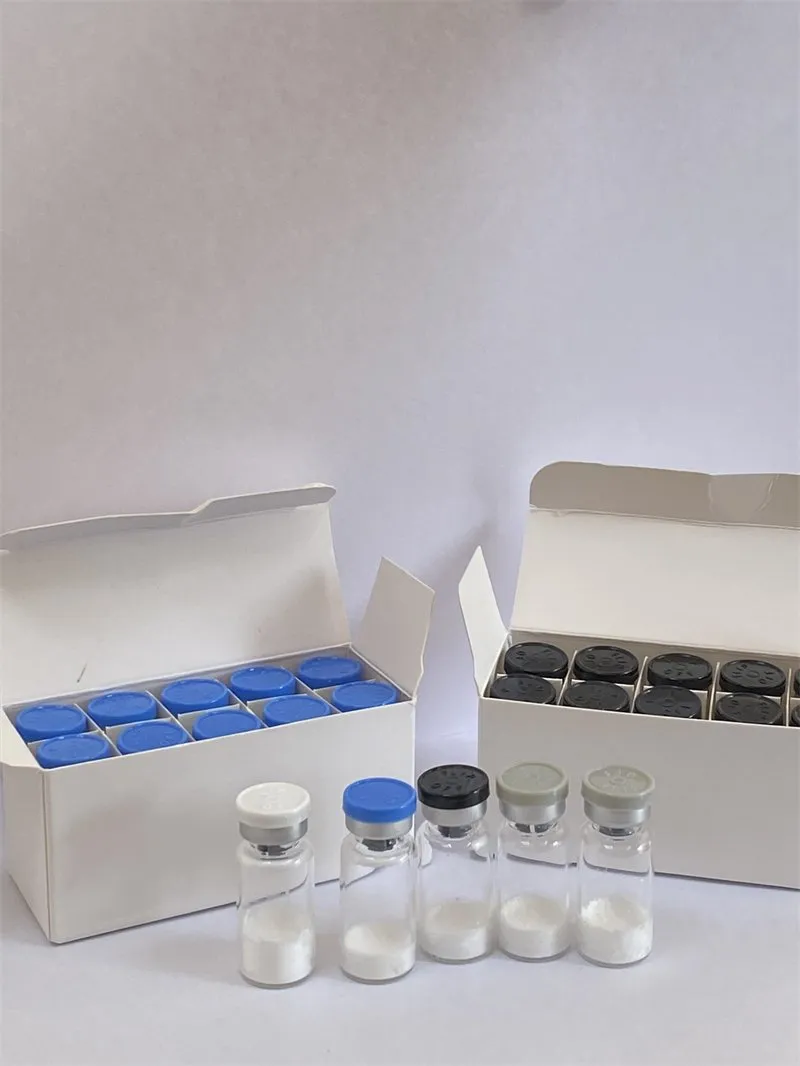
Product quality has remained stable across different order volumes. Delivery timelines were respected as agreed.