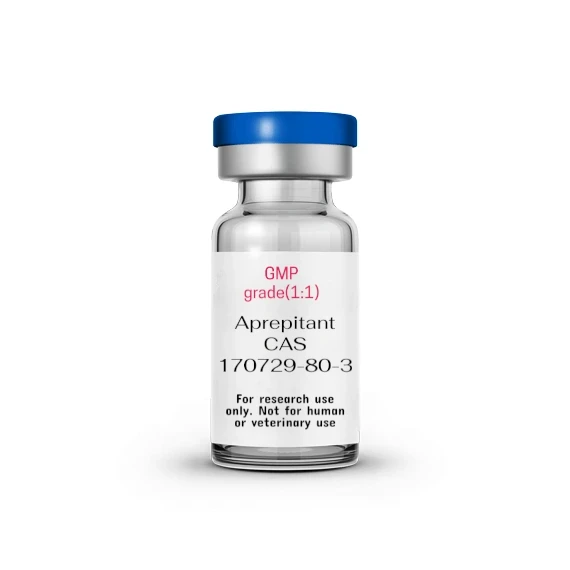
Aprepitant | CAS 170729-80-3 | High-Purity Bulk Research-Grade Solution for NK-1 Receptor Studies

Sale

Aprepitant | CAS 170729-80-3 | High-Purity Bulk Research-Grade Solution for NK-1 Receptor Studies

Original price was: $3.00.Current price is: $2.00.

Aprepitant solution (CAS 170729-80-3) is a high-purity NK-1 receptor antagonist suitable for research on substance P signaling, antiemetic pathways, and central nervous system studies. Ideal for mechanistic and pharmacological investigations in vitro and in vivo models.

EMI starting from $0.00/month - View Plans
Compare

Description

Product Description

Aprepitant is a potent, selective neurokinin-1 (NK-1) receptor antagonist, widely studied for its role in blocking substance P-mediated signaling in the central nervous system and peripheral tissues. Its high-purity solution form provides consistent bioavailability and pharmacological activity suitable for research purposes in both cell-based assays and animal models.

The NK-1 receptor, a G protein-coupled receptor (GPCR), is a key mediator of emesis, pain modulation, inflammation, and stress responses. By competitively binding to NK-1 receptors, Aprepitant prevents substance P from initiating downstream signaling pathways, including PLC-IP3-Ca²⁺ mobilization, MAPK/ERK activation, and NF-κB translocation, which regulate transcription of pro-inflammatory and neurogenic genes.

Laboratory applications of Aprepitant solution include:

  • Neuropharmacology studies to explore substance P-mediated neuronal signaling

  • Antiemetic mechanism research in models of chemotherapy-induced nausea and vomiting (CINV)

  • Pain modulation studies examining substance P and neurogenic inflammation

  • GPCR pathway mapping and ligand-binding assays

  • Combination studies with other CNS-active compounds to explore synergistic effects

The solution form ensures rapid dissolution and homogenous dosing, enabling accurate in vitro concentration-response curves, receptor-binding kinetics, and pharmacodynamic assessments. Quality control includes HPLC purity verification, NMR structural confirmation, and MS characterization, ensuring reproducible results for mechanistic pharmacology studies.

Aprepitant’s high affinity for the NK-1 receptor (Ki ~0.08 nM) makes it a reliable tool for preclinical CNS research, pharmacological modeling, and translational studies. The solution can be used in neuronal cultures, organotypic brain slices, and in vivo rodent models, supporting broad experimental flexibility.
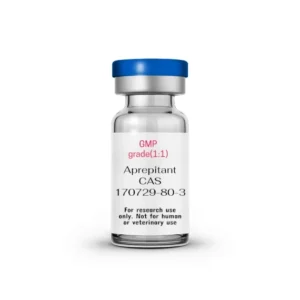
Aprepitant
Aprepitant

Product Specifications

ParameterDetails
Product Name / SynonymsAprepitant; MK-869; Emend research compound
CAS Number170729-80-3
Molecular FormulaC23H21F7N4O3
Molecular Weight534.44 Da
Purity≥99% (HPLC verified)
AppearanceClear, colorless solution
Dosage FormSolution
SolubilitySoluble in DMSO, ethanol, and aqueous buffers
ConcentrationCustomizable based on experimental requirements
Storage Temperature2–8°C (short-term), –20°C (long-term)
Stability≥12 months under recommended storage
Analytical MethodsHPLC, NMR, MS, UV spectroscopy
Mechanistic TargetNK-1 receptor (neurokinin-1 receptor)
Structural CategorySmall-molecule selective NK-1 antagonist
ApplicationsEmesis studies, substance P signaling, CNS pharmacology, pain research, GPCR pathway analysis
Batch ConsistencyGMP-controlled, high-purity verified
Regulatory NotesFor laboratory research use only; not for human or veterinary use
OriginSynthesized in GMP-compliant chemical manufacturing facility
Additional DataCertificate of Analysis (CoA) available

Mechanism of Action

Aprepitant is a highly selective NK-1 receptor antagonist that competitively inhibits the binding of substance P (SP), a key tachykinin neuropeptide. The NK-1 receptor is a G protein-coupled receptor (GPCR) expressed in the central nervous system, including the area postrema, nucleus tractus solitarius, and dorsal vagal complex, as well as in peripheral tissues involved in inflammation and nociception.

Upon substance P binding, NK-1 receptor activation triggers Gq-mediated signaling, which leads to:

  • Phospholipase C (PLC) activation, resulting in inositol-1,4,5-triphosphate (IP3) production

  • Intracellular Ca²⁺ mobilization, promoting neuronal excitation

  • Activation of MAPK/ERK pathways, regulating gene transcription related to pain and inflammation

  • NF-κB translocation, which stimulates pro-inflammatory cytokine expression

Aprepitant effectively blocks these pathways, preventing substance P-mediated neurotransmission and downstream physiological effects. This blockade is critical in research on chemotherapy-induced nausea and vomiting (CINV), as NK-1 receptor antagonism reduces the emetic signaling in the CNS and gut.

Pharmacological Significance in Research

  • Emesis Models: Aprepitant is used to study NK-1-dependent pathways in both rodent and non-rodent models, allowing detailed mapping of antiemetic mechanisms.

  • Pain and Inflammation: Substance P is implicated in neurogenic inflammation; Aprepitant’s blockade provides a tool to study nociceptive signaling and potential anti-inflammatory effects.

  • GPCR Signaling Studies: NK-1 receptor serves as a model GPCR; Aprepitant is used to dissect ligand-receptor interactions, signaling kinetics, and downstream transcriptional responses.

  • CNS Neuropharmacology: Studies with neuronal cultures or organotypic brain slices allow investigation of neurotransmitter release, synaptic plasticity, and neuronal excitability under NK-1 inhibition.

Experimental Applications

  • In vitro receptor-binding assays to quantify NK-1 receptor occupancy and antagonist potency

  • Calcium flux assays in neuronal and glial cultures

  • Electrophysiology studies to assess substance P-mediated currents

  • Gene expression analyses of NF-κB and MAPK/ERK targets following NK-1 blockade

  • Combination pharmacology to explore interactions with 5-HT3 antagonists, corticosteroids, and other CNS-active compounds

The solution format ensures homogenous dosing, rapid bioavailability, and accurate modeling in in vitro and in vivo experimental setups, enabling reproducible and translational research outcomes.

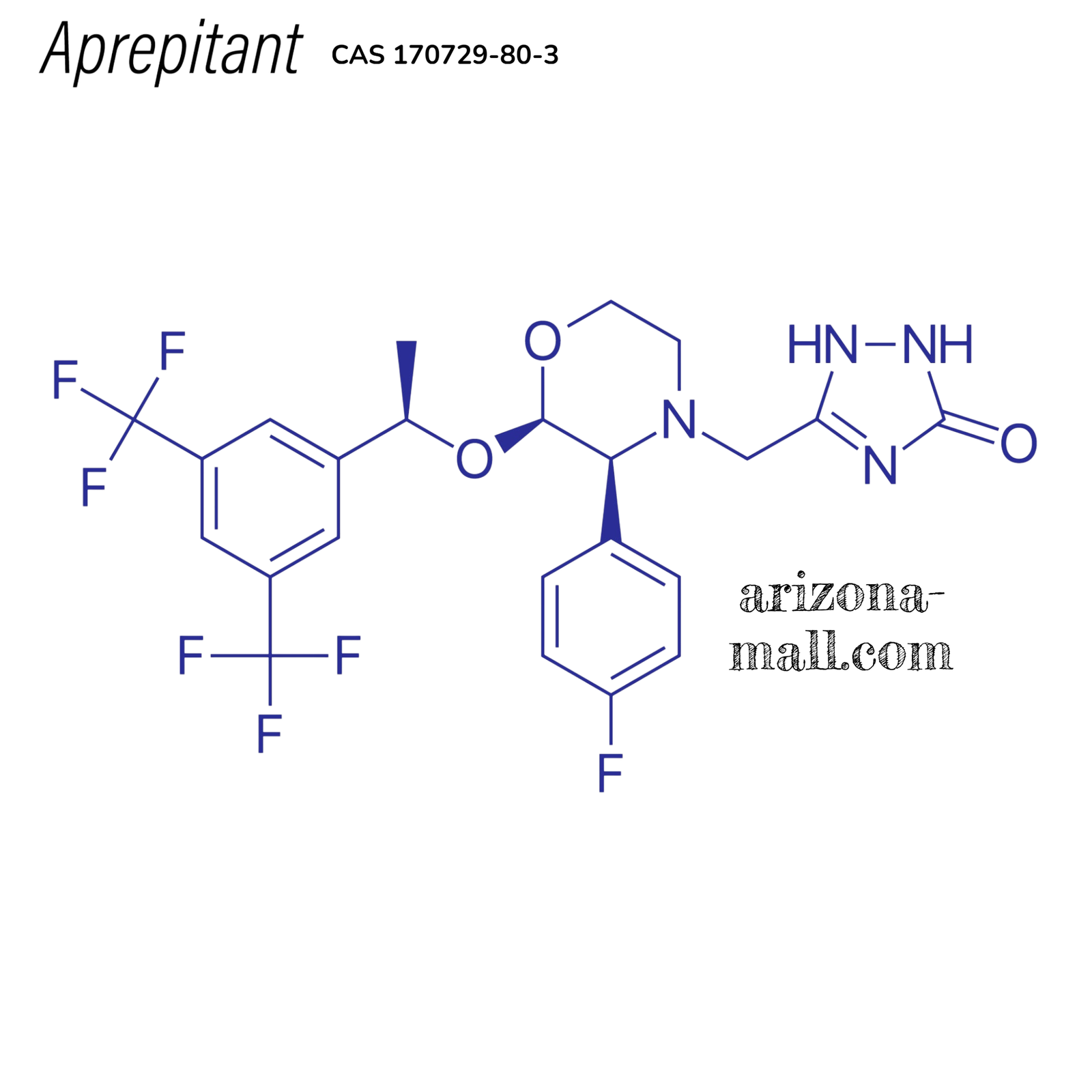
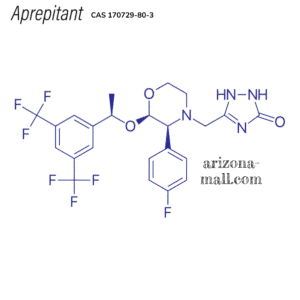
Chemical structure diagram of Aprepitant (CAS-170729-80-3-01)

Side Effects

Cellular Effects

  • Neuronal signaling modulation: Aprepitant selectively inhibits NK-1 receptor-mediated calcium influx and MAPK activation, reducing substance P-induced neuronal excitability. High concentrations in vitro may suppress normal neurogenic signaling, requiring careful titration.

  • Glial cell response: In astrocytes and microglia, NK-1 blockade decreases pro-inflammatory cytokine secretion (e.g., IL-1β, TNF-α) and modulates glial activation, which can impact experimental interpretations in neuroinflammation studies.

Molecular Effects

  • Receptor desensitization prevention: By occupying the NK-1 receptor, Aprepitant can prevent receptor internalization and downregulation typically triggered by sustained substance P exposure.

  • Signal pathway inhibition: Prolonged NK-1 antagonism reduces phosphorylation of ERK1/2 and Akt, impacting downstream transcription of genes involved in nociception, inflammation, and emesis.

  • Cytokine modulation: Laboratory studies may observe reduced NF-κB-mediated transcription, affecting IL-6, IL-8, and other chemokine levels, which must be considered in immune signaling assays.

Laboratory Handling Considerations

  • Always use PPE including gloves, lab coat, and eye protection when handling Aprepitant solution.

  • Store at 2–8°C to maintain chemical stability; avoid prolonged exposure to light or repeated freeze-thaw cycles.

  • Prepare working solutions under sterile conditions to prevent microbial contamination.

  • Dispose of waste according to institutional chemical safety protocols.

  • Pilot experiments are recommended to determine optimal concentrations for specific neuronal or glial models to avoid off-target effects.

Note: While Aprepitant is non-toxic in laboratory contexts, excessive dosing may alter neuronal excitability or glial responses. Researchers must adjust concentrations carefully to maintain physiological relevance.


Keywords

Aprepitant solution; NK-1 receptor antagonist; substance P inhibitor; CNS pharmacology reagent; antiemetic pathway research; GPCR signaling study; high-purity research chemical; bulk laboratory solution; pain modulation tool; neurogenic inflammation inhibitor; chemotherapy-induced nausea model; translational neuropharmacology; receptor-binding assay compound; MAPK/ERK pathway study; preclinical CNS research reagent; in vitro neuronal culture tool; glial activation study chemical; laboratory research NK-1 antagonist.


Shipping Guarantee

  • Temperature-controlled logistics: Maintain solution integrity with cold packs or refrigerated shipping.

  • Packaging: Leak-proof vials with secondary containment to prevent contamination and damage.

  • Tracking: Real-time monitoring during shipment.

  • Insurance: Full coverage for product loss or damage.


Trade Assurance

  • Purity: ≥99% verified via HPLC, MS, NMR, and UV spectroscopy.

  • GMP-compliant production: Ensures batch consistency and reliable experimental outcomes.

  • Certificate of Analysis (CoA): Provided with each order.

  • Replacement/Refund Policy: Guaranteed for non-conforming products.


Payment Support

  • PayPal, Credit Card, T/T, USDT, Bitcoin, Ethereum.

  • Secure and encrypted payment processing for international and institutional orders.


Disclaimer

Aprepitant solution is intended strictly for laboratory research purposes. It is not for human or veterinary use. All handling, preparation, and disposal must comply with institutional biosafety and chemical safety protocols. Researchers should wear appropriate PPE and follow Good Laboratory Practice (GLP) standards. Excessive concentrations or improper handling may alter neuronal or glial responses in vitro, potentially affecting experimental results. Users are responsible for safe and compliant use of this research-grade chemical.


References

Additional information

Weight1.1 kg
Dimensions18 × 16 × 18 cm

Reviews

There are no reviews yet.

Be the first to review “Aprepitant | CAS 170729-80-3 | High-Purity Bulk Research-Grade Solution for NK-1 Receptor Studies”

Your email address will not be published. Required fields are marked *

What is Aprepitant used for in research?

Aprepitant is a selective NK-1 receptor antagonist used to study substance P-mediated signaling, CNS pharmacology, emesis mechanisms, pain modulation, and GPCR-mediated pathways. It is widely applied in neuronal and glial culture experiments, as well as preclinical rodent models.

What are the storage recommendations?

Store Aprepitant solution at 2–8°C. Avoid prolonged exposure to light and repeated freeze-thaw cycles. Short-term storage at room temperature should be minimized.

Is the product GMP compliant?

Yes, the solution is manufactured under GMP-compliant conditions, ensuring high purity (≥99%) and consistent batch quality.

Can Aprepitant be used in combination studies?

Yes, it is frequently combined with 5-HT3 antagonists, corticosteroids, or other CNS-active compounds to explore synergistic antiemetic or neuropharmacological effects.

What is the typical concentration for in vitro assays?

Concentrations vary depending on experimental design. Pilot studies are recommended to optimize receptor occupancy without off-target effects.

Is a Certificate of Analysis (CoA) provided?

Yes, each batch includes a CoA detailing purity, molecular structure verification, and analytical data (HPLC, NMR, MS).

Can it be used for chemotherapy-induced nausea and vomiting (CINV) models?

Yes, Aprepitant is widely applied in preclinical CINV models to block NK-1 receptor-mediated emetic signaling.

How is the bioactivity verified?

Bioactivity is confirmed using NK-1 receptor-binding assays, calcium flux studies, ERK/MAPK phosphorylation measurements, and downstream gene expression analyses.

Is international shipping available?

Yes, temperature-controlled shipping with tracking and insurance is available worldwide.

Can it be used in neuronal culture studies?

Yes, the solution is suitable for neuronal, glial, and organotypic culture experiments to study substance P signaling and CNS pharmacology.

Is bulk supply available?

High-purity Aprepitant solution is available in bulk for large-scale experiments, preclinical studies, and multicenter research projects.

Can it modulate glial activation?

Yes, NK-1 receptor blockade by Aprepitant reduces astrocyte and microglial pro-inflammatory cytokine release in neuroinflammation studies.

What solvents are compatible?

Soluble in sterile water, PBS, DMSO, and ethanol. Proper sterile technique is required for in vitro use.

Are OEM options available?

Yes, customization options include vial size, labeling, and packaging for research laboratories.

What is the typical shelf life?

The solution is stable for ≥12 months under recommended storage conditions. Reconstituted solutions should be used promptly to maintain bioactivity.


EMI Options

Select at least 2 products
to compare