
No products in the cart.

Bevonescein (ALM-488) – GMP Manufacturer
$2.00
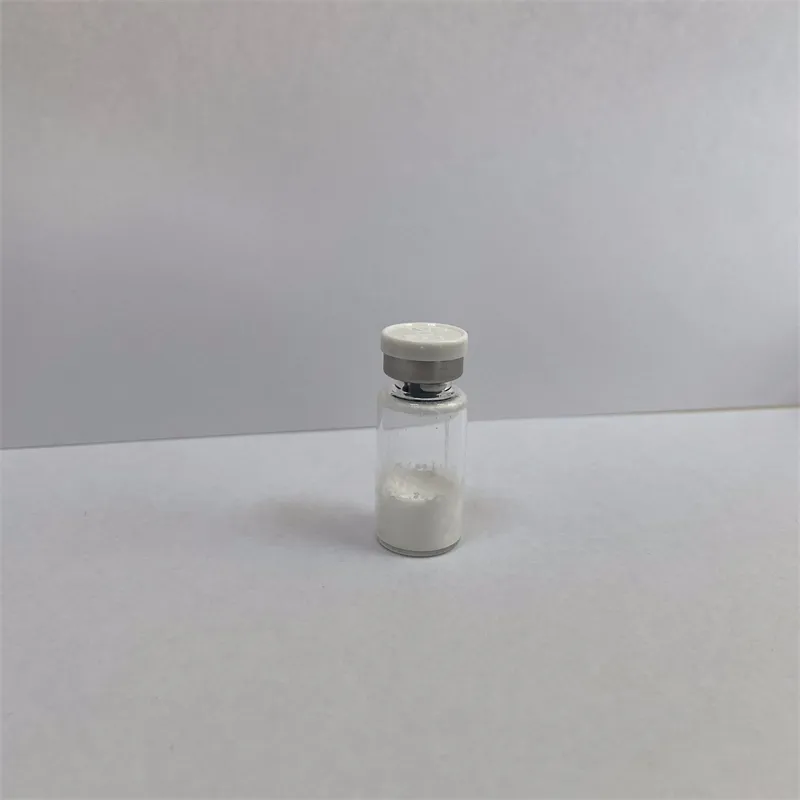
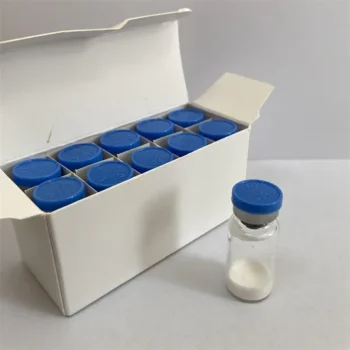
Bevonescein (ALM-488) is a synthetic fluorescein-conjugated peptide (GMP-grade) used in research to label intact and degenerated peripheral nerves via real-time fluorescence imaging. Available for wholesale and retail; for laboratory research use only.?For wholesale prices, other specifications and uses, please consult our staff?
Description
Bevonescein, also known as ALM-488 (CAS 2276787-79-0), is a fluorescein-conjugated peptide-dye tracer designed to bind nerve-associated connective tissue. It enables both intact and degenerated peripheral nerves to fluoresce during real-time imaging—particularly useful in surgical fluorescence-guided models.
Preclinical studies confirm that Bevonescein offers superior visualization of degenerated facial nerves compared to traditional myelin-binding dyes, greatly improving surgical nerve identification in animal models.
Synthesized under GMP conditions, Bevonescein offers high purity and consistent quality for research applications in neuroscience and surgical visualization.
Product Specifications
| Parameter | Details |
|---|---|
| Product Name | Bevonescein (ALM-488) |
| Synonyms | ALM-488 |
| CAS No. | 2276787-79-0 |
| Purity | High-purity (GMP-grade) |
| Molecular Formula | C???H???N??O?? |
| Molecular Weight | ~2310.5 Da |
| Appearance | White to off-white solid |
| Solubility | Soluble in DMSO (approx. 100 mg/mL) with ultrasonication; handle using freshly opened DMSO |
| Storage Conditions | Store at –20 °C, protected from light and moisture; prepared solutions stable at –80 °C for up to 6 months |
| Manufacturing Standard | GMP-compliant |
| Applications | Nerve labeling in fluorescence imaging—intact and degenerated nerves |
| Regulatory Status | For laboratory research use only |
Mechanism of Action & Research Applications
Bevonescein selectively binds to extracellular nerve-associated connective tissue, illuminating both intact and degenerated peripheral nerves under fluorescence-guided imaging. It delivers superior contrast for in vivo surgical and ex vivo imaging models, aiding researchers in neurosurgical visualization, nerve regeneration, and surgical monitoring.
Side Effects (For Reference Only)
Bevonescein is strictly for experimental research use. No human safety or toxicity data is available. Standard laboratory safety measures must be followed.
Disclaimer
This product is intended solely for laboratory research. It is not approved for human or veterinary clinical use. Please follow institutional safety protocols when handling.
Additional information
| Weight | 1 kg |
|---|---|
| Dimensions | 26 × 23 × 26 cm |
1 review for Bevonescein (ALM-488) – GMP Manufacturer
What is Bevonescein used for in research?
Bevonescein (ALM-488) is used as a fluorescent tracer to label intact and degenerated peripheral nerves in real-time imaging.
What is the purity of Bevonescein?
Bevonescein is provided at high purity and manufactured to GMP standards.
How does Bevonescein function biologically?
It binds to nerve-associated connective tissue, enabling nerve visualization via fluorescence imaging.
What is the molecular weight of Bevonescein?
Its molecular weight is approximately 2310.5 Da
Is Bevonescein soluble in water?
Bevonescein is best dissolved in DMSO at high concentration (~100 mg/mL) with ultrasonic assistance
How should Bevonescein be stored?
Store as a lyophilized powder at –20 °C, protected from light and moisture. Prepared solutions remain stable at –80 °C for up to six months
Can Bevonescein be used clinically?
No—Bevonescein is strictly for laboratory research use only.
Is bulk purchasing available for Bevonescein?
Yes—wholesale and retail options are available, complete with GMP documentation.
Which imaging applications benefit from Bevonescein?
Bevonescein excels in neurosurgical fluorescence-guided labeling of degenerated and intact peripheral nerves
Why choose Bevonescein over other nerve tracers?
It provides superior visibility of degenerated nerves, outperforming traditional myelin-binding dyes in fluorescence-guided imaging
Related products
Best Price with Peptides 10mg Vials – High-Purity Weight Loss Peptide in Stock with Safe Delivery
Weight Loss Peptide Moq: 10 vials per box Package: plastic or paper box Purity:99% Original price was: $36.00.$24.00Current price is: $24.00.99.9% Effective Weight Loss Shaping Peptide – Beauty Peptide Factory Direct Low Price Wholesale
Peptide Purity 99% Specification 5mg/vial, 10mg/vial, 15mg/vial Original price was: $38.00.$23.00Current price is: $23.00.Wholesale Cibinetide Peptide Sterile Solution
Cibinetide Sterile Solution is a synthetic, tissue-protective erythropoietin-derived peptide engineered for research use in inflammation, neuroprotection, and cellular stress-response models. Its high purity, GMP-compliant preparation, and ready-to-use sterile formulation make it ideal for laboratories requiring consistent, reproducible peptide performance in advanced mechanistic studies.(For research use only. Not for human or veterinary use) Original price was: $38.00.$22.00Current price is: $22.00.Wholesales Weight Loss Peptides Raw Powder CAS 129954-34-3 with Safe Delivery
$2.00Function Weight Loss Peptides Color White Purity 99%Over

Heidipricelsw –
The product arrived well packaged and exactly as described. Very satisfied with the overall experience.