
No products in the cart.
Sale
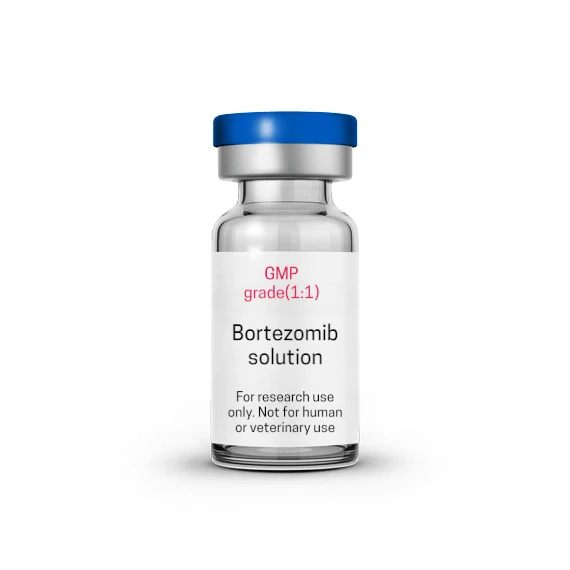

Bortezomib | CAS 179324-69-7 | Proteasome Inhibitor for Cancer and Cellular Apoptosis Research
Original price was: $3.00.$2.00Current price is: $2.00.
Bortezomib (CAS 179324-69-7) is a highly selective, reversible 26S proteasome inhibitor used in research to study protein degradation, apoptosis induction, and tumor suppression. As a boronic acid dipeptide derivative, it serves as a key molecular tool in exploring ubiquitin–proteasome pathway regulation and cancer cell metabolism.
Description
Contents
hide
Product Description
Bortezomib is a synthetic boronic acid dipeptide and one of the first-in-class reversible inhibitors of the 26S proteasome. The 26S proteasome is responsible for the degradation of ubiquitinated intracellular proteins, a process critical for maintaining cellular homeostasis. By disrupting this process, Bortezomib induces the accumulation of regulatory proteins involved in apoptosis, cell cycle arrest, and immune responses, making it an essential compound in mechanistic oncology and cell biology research.
In molecular and biochemical studies, Bortezomib has been extensively used to investigate pathways such as NF-κB inhibition, mitochondrial apoptotic signaling, and endoplasmic reticulum stress response. Its mechanism of action involves reversible covalent binding to the threonine residue in the proteasome’s catalytic site, leading to blockade of proteolytic activity.
Researchers employ Bortezomib to study tumor cell apoptosis, autophagy regulation, and metabolic stress. It is also utilized to explore proteostasis disorders, including neurodegeneration and inflammatory conditions, where proteasomal dysfunction is implicated.
Research Background and Relevance
The ubiquitin–proteasome pathway (UPP) is fundamental for cellular quality control. Bortezomib’s discovery revolutionized cancer pharmacology research by proving that targeted proteasome inhibition could selectively induce apoptosis in malignant cells. It has since become a vital molecular probe for dissecting intracellular degradation processes and protein turnover mechanisms.
In oncology research, Bortezomib has shown notable effects in multiple myeloma and lymphoma models, where inhibition of proteasomal degradation prevents NF-κB activation—one of the most critical survival pathways in tumor cells. This mechanism has inspired a wide range of investigations into protein homeostasis, cellular stress responses, and targeted drug design.
Biochemical and Cellular Effects
At the cellular level, Bortezomib causes accumulation of misfolded proteins, leading to endoplasmic reticulum (ER) stress and activation of the unfolded protein response (UPR). This stress triggers pro-apoptotic factors, such as CHOP and caspase-12, resulting in programmed cell death.
Bortezomib also affects key signaling molecules including:
NF-κB pathway: Suppresses activation through inhibition of IκB degradation.
p53 pathway: Stabilizes p53 protein, enhancing transcription of apoptosis-related genes.
JNK and MAPK pathways: Alters signaling dynamics contributing to apoptosis and oxidative stress.
These properties make it an ideal molecule for studying proteasome function, apoptosis, and signaling regulation in cancer cell biology.
Product Specifications
| Item | Details |
|---|---|
| Product Name | Bortezomib |
| CAS Number | 179324-69-7 |
| Synonyms | PS-341; MLN341; Velcade |
| Molecular Formula | C19H25BN4O4 |
| Molecular Weight | 384.24 g/mol |
| Appearance | White to off-white powder |
| Purity | ≥99% |
| Solubility | Soluble in DMSO, ethanol, and methanol |
| Stability | Stable under recommended storage |
| Storage | -20°C, dry and protected from light |
| Category | Proteasome inhibitor |
| Applications | Apoptosis, proteasome, cancer, and protein degradation research |
| Supplier Type | Laboratory reagent manufacturer |
| Intended Use | For laboratory research use only |
Mechanism of Action
Bortezomib targets the chymotrypsin-like activity of the 26S proteasome. The proteasome’s β5 subunit contains a threonine residue that serves as the nucleophile for proteolytic cleavage. Bortezomib forms a reversible covalent bond with this residue, effectively blocking proteasomal degradation of ubiquitinated proteins.
Proteasome Inhibition and Apoptosis
When the proteasome is inhibited, accumulation of defective and regulatory proteins triggers stress signals and apoptosis. Key downstream effects include:
Activation of caspases-3, -8, and -9.
Upregulation of pro-apoptotic proteins such as Bax and PUMA.
Inhibition of anti-apoptotic proteins including Bcl-2 and Mcl-1.
Suppression of NF-κB–dependent transcription of survival genes.
Cell Cycle Arrest
Bortezomib also halts the cell cycle in G2/M phase by preventing degradation of cyclins and checkpoint proteins. This mechanism provides valuable insight for cell cycle and mitotic regulation research.
Anti-Angiogenic and Immune Modulation Research
Bortezomib downregulates VEGF expression and endothelial proliferation, contributing to anti-angiogenic effects observed in tumor models. Moreover, its immune-modulating activities make it a useful compound for exploring T-cell activation and cytokine secretion pathways.

Side Effects
In laboratory research, Bortezomib may induce several concentration-dependent cytotoxic effects:
Mitochondrial depolarization and ROS accumulation.
ER stress and unfolded protein response.
Impaired proteostasis and cell cycle dysregulation.
Apoptosis in proliferative cell populations.
Researchers should handle this compound with appropriate biosafety precautions. It is not intended for human or veterinary administration.
Keywords
Bortezomib, CAS 179324-69-7, proteasome inhibitor, PS-341, NF-κB inhibition, apoptosis research, protein degradation, cancer pharmacology, tumor signaling, cell cycle arrest, oncology reagent, high purity compound.
Shipping Guarantee
All Bortezomib shipments are handled using validated cold-chain logistics to preserve compound integrity. Each package is sealed in moisture-proof containers with secondary protective wrapping and continuous temperature monitoring. Products are shipped via express international couriers with full tracking and insurance coverage.
Trade Assurance
We Bortezomib ensure product authenticity, verified ≥99% purity, and compliance with analytical standards (HPLC, MS, and NMR). Each batch is supplied with a Certificate of Analysis (CoA). Our trade assurance policy guarantees replacement or refund for any deviation from listed specifications.
Payment Support
We Bortezomib provide flexible and secure global payment options to support international research transactions. Accepted payment methods include PayPal, major credit cards (Visa, MasterCard, American Express), telegraphic transfer (T/T), and cryptocurrencies (USDT, Bitcoin, Ethereum). All transactions are protected by industry-standard encryption and verified payment gateways to ensure confidentiality and fund security.
Disclaimer
All Bortezomib products are intended for laboratory research use only and not for human or veterinary use. They are not drugs, medical devices, or diagnostic tools. Researchers must handle materials according to institutional chemical and biosafety regulations. The information provided is for scientific reference only and does not imply therapeutic efficacy or regulatory approval.
Additional information
| Weight | 1 kg |
|---|---|
| Dimensions | 18 × 16 × 18 cm |
What is Bortezomib primarily used for in research?
It is used to study proteasome inhibition, apoptosis, and protein degradation mechanisms in cancer and cell biology.
How does Bortezomib inhibit the proteasome?
It binds reversibly to the β5 subunit of the 26S proteasome, blocking protein degradation.
What is the purity level of your Bortezomib product?
Each batch is confirmed ≥99% purity by HPLC, MS, and NMR.
Can it be used for in vivo research?
Yes, Bortezomib can be used in authorized preclinical animal research settings.
What solvent is recommended for dissolving Bortezomib?
It is soluble in DMSO, ethanol, and methanol.
What happens when proteasome activity is inhibited?
Ubiquitinated proteins accumulate, leading to stress responses and apoptosis.
Does Bortezomib affect NF-κB signaling?
Yes, it suppresses NF-κB activation by preventing IκB degradation.
Is Bortezomib stable at room temperature?
It should be stored at -20°C and protected from light to maintain stability.
Can I order custom packaging or bulk quantity?
Yes, OEM and bulk production are available for research institutions.
Do you provide analytical documentation?
A Certificate of Analysis (CoA) accompanies each batch.
Does it induce oxidative stress in cells?
Yes, ROS production is a known outcome of proteasome inhibition.
Is this compound suitable for proteomics studies?
Absolutely, it’s used to probe protein turnover and ubiquitin signaling.
What are typical in vitro concentrations used?
Usually 10–100 nM, depending on cell type and experimental design.
Why choose your company for proteasome inhibitor supply?
We are a trusted factory peptide supplier and high-purity compound manufacturer offering OEM and bulk peptide production with global shipping and trade assurance.
Related products
Ivodazumab solution (lvonescimab) High Purity | Factory Manufactured
High-purity Ivodazumab Injection (lvonescimab) designed for laboratory research, in vitro mechanistic studies, and receptor-targeted molecular pathway analysis. Factory-manufactured with consistent quality for bulk and wholesale supply, this injectable formulation provides reliable antibody-mediated receptor modulation for mechanistic and multi-omic studies.
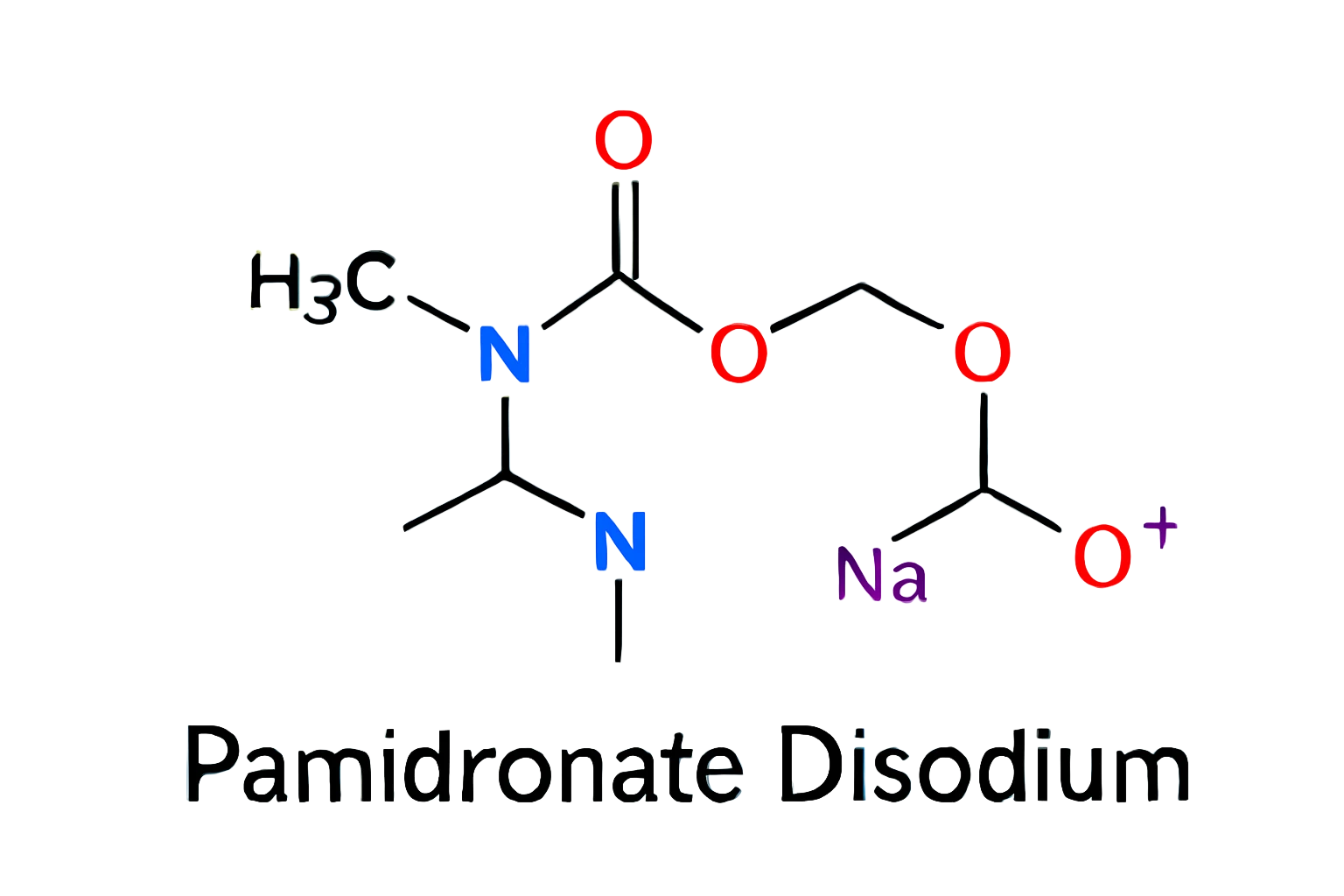
Original price was: $3.00.$2.00Current price is: $2.00.Pamidronate Disodium solution 15mg — Laboratory Research Grade Reagent
Pamidronate Disodium is a high-purity bisphosphonate reagent designed for in vitro mechanistic studies. It enables research into bone-related biochemical pathways, protein-ligand interactions, and molecular signaling mechanisms under controlled laboratory conditions. Supplied in a laboratory-ready format, it is ideal for mechanistic assays and protein interaction studies. Original price was: $6.00.$2.00Current price is: $2.00.Mechlorethamine Hydrochloride High Purity | Factory Manufactured | Laboratory Research Use Only
High-purity Mechlorethamine Hydrochloride Solution manufactured under strict factory-controlled conditions, designed exclusively for in vitro, biochemical, and molecular mechanism research. Suitable for laboratories requiring bulk, wholesale, or customized research-grade supply.
$1.00Limertinib (ASK120067) 80mg — Laboratory Research Grade Chemical
Limertinib is a high-purity, irreversible small-molecule inhibitor that selectively targets mutant EGFR in vitro. Designed specifically for laboratory research, it is ideal for investigating signal transduction, kinase activity, and receptor molecular mechanisms in cell-free or in vitro systems. This compound is suitable for mechanistic studies, target validation, and enzymatic assays. Original price was: $3.00.$2.00Current price is: $2.00.




Reviews
There are no reviews yet.