
No products in the cart.
Sale

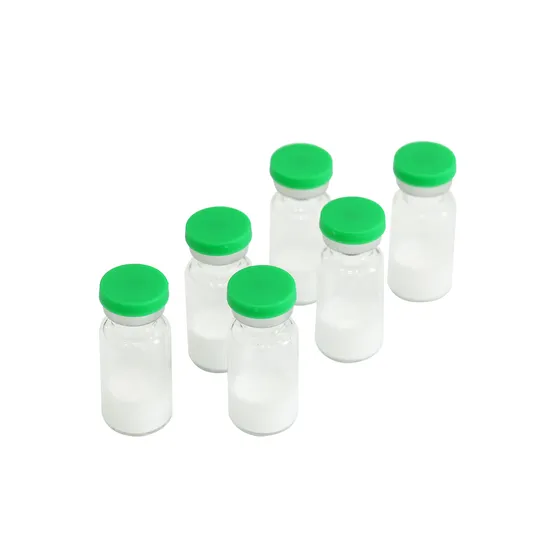
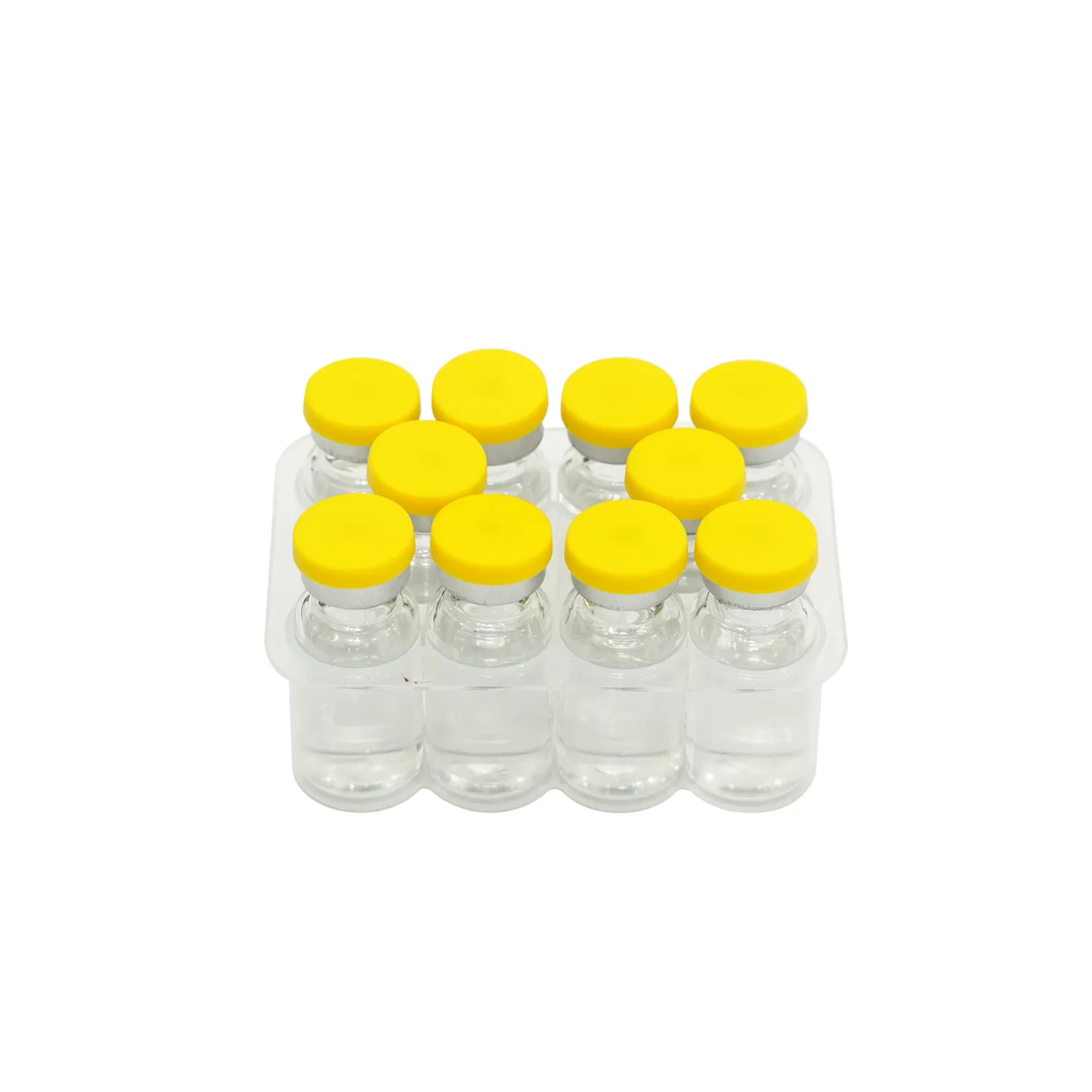
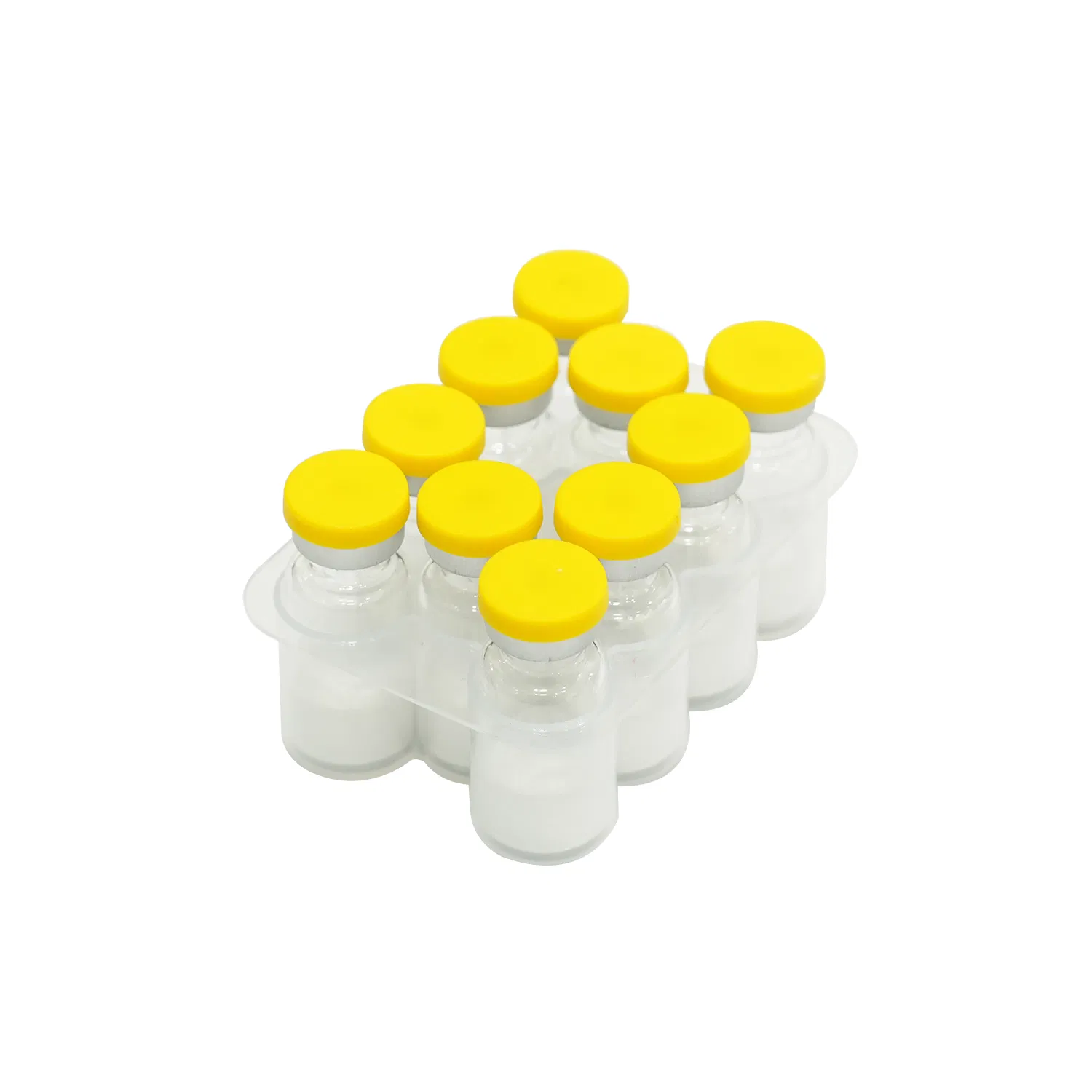
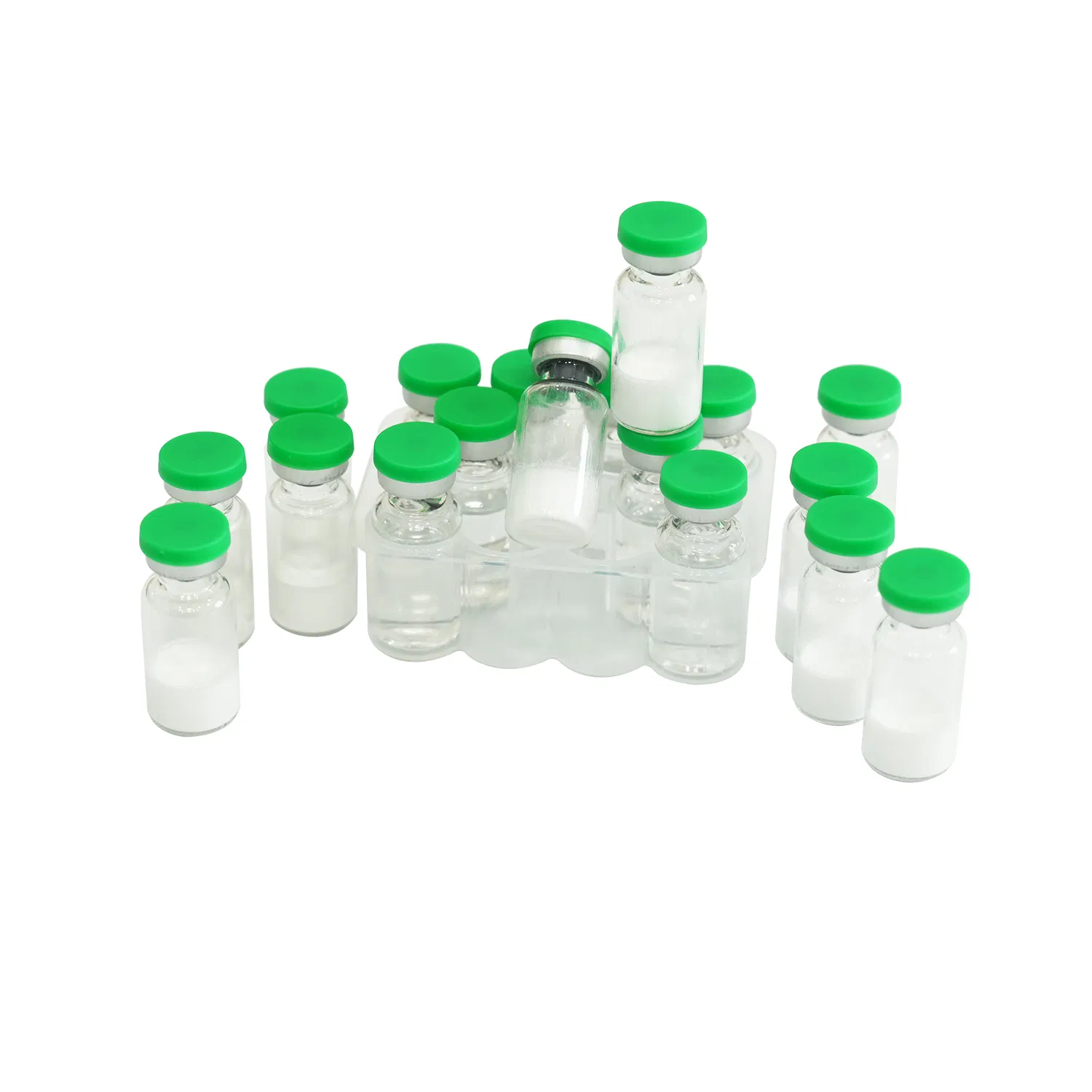
Botulinum Toxin 99% High Purity Lyophilized Powder for scientific research
Original price was: $92.00.$86.00Current price is: $86.00.
Botulinum Toxin is a high-purity lyophilized peptide used exclusively for laboratory research. The peptide is designed for in vitro and preclinical studies investigating neurotoxicity, neurotransmitter release modulation, and synaptic vesicle biology. It is not for human or veterinary use.
Description
Contents
hide
Product Description
Botulinum Toxin is a highly potent neurotoxic protein widely used as a research tool to study synaptic transmission, neuronal signaling, and neuromodulation. Supplied as a high-purity lyophilized powder, Botulinum Toxin offers researchers a stable and reliable reagent for in vitro and in vivo experiments, allowing precise modulation of neurotransmitter release at cholinergic synapses. Its ability to cleave specific SNARE proteins, including SNAP-25, VAMP, and syntaxin depending on the serotype, makes it an indispensable tool for investigating vesicle trafficking, exocytosis, and synaptic plasticity.
In laboratory research, Botulinum Toxin is utilized to model synaptic inhibition and study the cellular responses to reduced neurotransmitter release. This includes assessment of compensatory mechanisms such as changes in calcium signaling, receptor density adjustments, and alterations in downstream signaling cascades. Researchers employ Botulinum Toxin to explore neuronal resilience, homeostatic plasticity, and the molecular underpinnings of neuromodulatory pathways. Its high specificity and reversible action enable temporal studies of synaptic function and recovery without inducing widespread cytotoxicity.
Botulinum Toxin also serves as a model for examining intracellular transport and protein-mediated endocytosis. By targeting presynaptic terminals, the toxin allows detailed investigation into the mechanisms governing vesicle internalization, trafficking, and fusion. These studies are crucial for understanding synaptic organization and the regulation of neurotransmission, providing insights applicable to both basic neuroscience and translational research.
Beyond fundamental neurobiology, Botulinum Toxin is employed in preclinical research to study neuromuscular interactions, synaptic dysfunction, and disease-relevant pathways. In rodent models, it is applied to investigate motor neuron responses, circuit-level synaptic plasticity, and tissue-specific adaptive mechanisms. Its utility extends to multi-omic studies, where transcriptomic, proteomic, and metabolomic analyses can be integrated to reveal the broader molecular impact of transient synaptic blockade.
The lyophilized format of Botulinum Toxin ensures long-term stability, ease of storage, and compatibility with sterile reconstitution protocols. Researchers can aliquot reconstituted solutions to prevent repeated freeze–thaw cycles, maintaining peptide activity for consistent experimental outcomes. Supplied with verified purity and analytical documentation, Botulinum Toxin supports reproducible and high-quality neuroscience research.
Overall, Botulinum Toxin (Lyophilized Powder) provides a versatile and reliable reagent for detailed mechanistic studies in synaptic biology, neuromodulation, intracellular trafficking, and neuronal adaptation. Its controlled, reversible effects and compatibility with advanced analytical techniques make it an essential tool for laboratories investigating the fundamental principles of neurotransmission, synaptic plasticity, and neuronal resilience.

Product Specifications
| Specification | Description | Notes |
|---|---|---|
| Product Name | Botulinum Toxin Lyophilized Powder | High-purity research peptide |
| CAS Number | N/A (serotype-specific) | Refer to supplier documentation for serotype |
| Molecular Weight | Serotype-dependent | Verified by analytical methods |
| Form | Lyophilized powder | Long-term stability and ease of storage |
| Purity | ≥99% | Determined by HPLC and mass spectrometry |
| Bioactivity | Active against target SNARE proteins | Confirmed in vitro functional assays |
| Solubility | Sterile water or compatible buffer | Avoid repeated freeze–thaw cycles |
| Storage | −20°C, dry, light-protected | Reconstituted solutions: 2–8°C short-term |
| Analytical Documentation | COA and SDS-PAGE data | Provided with each batch for research verification |
| Packaging | Temperature-controlled, tamper-proof | Bulk and OEM options available |
| Recommended Use | In vitro neuronal culture, organotypic slices, rodent preclinical models | Optimize concentration via preliminary titration for synaptic inhibition studies |
| Endotoxin / Contamination | Free from detectable endotoxins and microbial contamination | Suitable for sensitive assays |
Additional Notes:
Botulinum Toxin should be handled exclusively under laboratory research conditions. While the lyophilized powder provides long-term stability, reconstituted solutions must be aliquoted to avoid repeated freeze–thaw cycles that could reduce bioactivity. Concentrations should be optimized for each experimental model through preliminary titration to achieve effective synaptic inhibition without inducing cytotoxicity. The peptide is compatible with multi-omic studies and advanced neuronal assays, including electrophysiology, calcium imaging, and transcriptomic or proteomic profiling. Bulk packaging and OEM configurations are available for institutional research programs, providing flexibility for large-scale experiments and long-term study planning. Researchers are advised to follow all institutional biosafety and handling protocols to ensure safe and reproducible results.
Mechanism of Action
Botulinum Toxin is a neurotoxic protein that selectively targets presynaptic terminals at cholinergic synapses, making it a well-characterized tool for studying synaptic inhibition and neurotransmitter release. Its primary mechanism involves binding to high-affinity receptors on the neuronal plasma membrane, followed by internalization into vesicles. Once inside the neuron, the toxin’s enzymatic domain cleaves specific SNARE proteins, including SNAP-25, VAMP, or syntaxin, depending on the serotype. This cleavage effectively blocks synaptic vesicle fusion with the presynaptic membrane, inhibiting acetylcholine release and resulting in temporary synaptic silencing.
At the cellular level, Botulinum Toxin disrupts intracellular trafficking of neurotransmitter-containing vesicles, providing researchers with a precise model to study vesicle dynamics, exocytosis, and synaptic plasticity. The toxin’s high specificity allows for detailed investigation of neuronal signaling pathways without inducing widespread cytotoxicity, making it ideal for mechanistic studies of synaptic physiology.
In preclinical and in vitro models, Botulinum Toxin has been shown to influence secondary signaling pathways as neurons respond to altered neurotransmitter output. These compensatory mechanisms include modulation of calcium dynamics, receptor density adjustments, and changes in downstream signaling cascades. Researchers leverage these responses to explore homeostatic plasticity, synaptic adaptation, and neuroprotective pathways.
Beyond synaptic inhibition, Botulinum Toxin serves as a model for understanding protein-mediated transport into neurons, receptor-mediated endocytosis, and intracellular trafficking. Its reversible effects allow for temporal studies of neuronal recovery, providing insights into repair mechanisms and the resilience of synaptic networks.
Overall, the mechanism of Botulinum Toxin encompasses selective receptor binding, endocytic internalization, SNARE protein cleavage, and transient blockade of neurotransmitter release. This multifaceted activity makes it a versatile reagent for neuroscience research, synaptic biology studies, and investigations into intracellular protein trafficking and signal regulation.
Applications
Botulinum Toxin is primarily utilized in laboratory research to study synaptic physiology, neurotransmitter release, and neuromodulation mechanisms. Its precise inhibitory effects on cholinergic neurons allow researchers to investigate vesicle trafficking, SNARE protein dynamics, and the regulation of exocytosis in neuronal cultures. By selectively silencing synaptic activity, the peptide serves as a controlled model to explore neuronal signaling pathways, synaptic plasticity, and compensatory mechanisms in both in vitro and ex vivo systems.
In neurobiology research, Botulinum Toxin is applied to dissect the molecular underpinnings of neurotransmission. It enables the study of presynaptic vesicle mobilization, receptor-mediated endocytosis, and intracellular transport pathways. Researchers also employ it to examine adaptive cellular responses to reduced acetylcholine release, including changes in calcium signaling, receptor density adjustments, and alterations in downstream signaling networks. These applications provide insights into fundamental mechanisms of synaptic homeostasis and neuronal resilience.
The peptide is also valuable in translational research focused on neuromuscular interactions and neurodegenerative models. By selectively modulating neurotransmitter release, Botulinum Toxin can mimic aspects of synaptic dysfunction observed in conditions such as motor neuron degeneration or synaptic aging. Experimental use in rodent or organotypic models facilitates mechanistic studies of synaptic maintenance, compensatory neuroplasticity, and protective cellular responses, without systemic toxicity.
Additionally, Botulinum Toxin is used in combination with multi-omic approaches, including transcriptomics, proteomics, and metabolomics, to analyze molecular responses to transient synaptic inhibition. These studies help identify gene regulatory networks, signaling pathways, and protein interactions affected by synaptic blockade. Its compatibility with high-resolution imaging and electrophysiological assays further enhances its utility as a versatile tool in neuroscience research.
Overall, Botulinum Toxin provides researchers with a robust and controlled method to study synaptic mechanisms, intracellular trafficking, and neuronal adaptation. Its wide range of applications spans molecular, cellular, and preclinical studies, supporting comprehensive investigations into nervous system biology, synaptic plasticity, and cellular signaling regulation.
Research Models
Botulinum Toxin is extensively used in both in vitro and in vivo research models to study synaptic function, neuronal signaling, and neuromuscular interactions. In vitro models typically include primary neuronal cultures, differentiated stem cell–derived neurons, and organotypic brain or spinal cord slices, allowing precise analysis of synaptic vesicle dynamics, SNARE protein cleavage, and neurotransmitter release modulation. These systems enable researchers to quantify electrophysiological responses, assess calcium signaling, and visualize intracellular vesicle trafficking under controlled experimental conditions.
In vivo models primarily involve rodents, where Botulinum Toxin is applied locally to neuromuscular junctions or specific neuronal circuits to investigate synaptic inhibition and neuromodulatory effects. These preclinical studies provide insights into compensatory plasticity, synaptic adaptation, and motor neuron responses. The controlled, reversible nature of Botulinum Toxin allows longitudinal studies of synaptic recovery and tissue-level responses without systemic toxicity.
Additionally, Botulinum Toxin is compatible with multi-omic approaches in both model types, including transcriptomics, proteomics, and phosphoproteomics. Researchers can use these models to map global molecular changes resulting from transient synaptic blockade, study gene regulatory networks, and identify protein interactions critical for neuronal resilience and homeostatic plasticity.
Together, these research models establish Botulinum Toxin as a versatile tool for neuroscience studies, synaptic biology, and mechanistic investigations of neuromodulation, providing reproducible and scalable platforms for both molecular and functional analyses.
Experimental Design Considerations
When designing experiments with Botulinum Toxin, careful planning is essential to ensure reproducibility and interpretability of results. Dose selection is critical, as the peptide exhibits highly specific effects on presynaptic neurons; researchers typically perform preliminary titration studies to establish concentration ranges that achieve synaptic inhibition without inducing cytotoxicity. Time-course studies are recommended to differentiate early molecular responses from later compensatory adaptations in neuronal signaling.
Selection of appropriate model systems is equally important. In vitro neuronal cultures allow high-resolution investigation of SNARE cleavage, vesicle trafficking, and intracellular signaling, whereas in vivo rodent models provide insight into neuromuscular and circuit-level effects. Researchers should include appropriate controls, such as vehicle-treated groups and time-matched untreated samples, to account for experimental variability and environmental factors.
Analytical endpoints should be carefully defined. Common readouts include electrophysiological measurements, calcium imaging, vesicle dynamics assays, and gene or protein expression profiling. Integration with multi-omic approaches, including transcriptomics and proteomics, can reveal comprehensive molecular effects of synaptic blockade.
Handling, reconstitution, and storage conditions also influence experimental outcomes. Botulinum Toxin should be reconstituted aseptically in sterile water or compatible buffer, aliquoted to prevent repeated freeze–thaw cycles, and stored according to recommended temperature guidelines. Adhering to institutional biosafety protocols ensures safe use while maintaining peptide integrity.
Overall, these design considerations enable researchers to maximize the scientific value of Botulinum Toxin experiments while ensuring accuracy, reproducibility, and safety in neurobiology research.
Laboratory Safety & Handling Guidelines
Botulinum Toxin is an extremely potent neurotoxic peptide and must be handled exclusively under strict laboratory conditions by trained personnel. All manipulations should be performed in a certified biosafety cabinet (BSC) with appropriate personal protective equipment (PPE), including gloves, lab coat, and eye protection, to prevent accidental exposure. Aerosol generation must be avoided, and all instruments in contact with the peptide should be decontaminated according to institutional protocols.
Lyophilized Botulinum Toxin should be stored at −20°C in a dry, light-protected environment to preserve stability and activity. Reconstitution should be performed aseptically using sterile bacteriostatic water or compatible buffer, and solutions should be aliquoted to prevent repeated freeze–thaw cycles that could compromise peptide integrity. Short-term storage of reconstituted solutions should be in a refrigerated environment, and unused portions should be disposed of according to biosafety and chemical safety guidelines.
All laboratory personnel must be trained in emergency procedures in the event of accidental exposure, including immediate decontamination and reporting to institutional safety officers. Waste containing Botulinum Toxin must be treated as biohazardous material and deactivated following approved disposal protocols. Adherence to these safety measures ensures both researcher protection and maintenance of experimental reproducibility.
Integration with Multi-Omic & Computational Studies
Botulinum Toxin is highly compatible with multi-omic research approaches, allowing comprehensive analysis of its effects on neuronal function and synaptic biology. Transcriptomic profiling can reveal gene expression changes triggered by synaptic blockade, including upregulation of compensatory pathways and downstream signaling networks. Proteomic studies provide insights into alterations in SNARE protein abundance, vesicle-associated proteins, and other molecular components critical for neurotransmission.
Integration with metabolomics further enables researchers to assess changes in neurotransmitter metabolism, energy dynamics, and cellular stress responses induced by Botulinum Toxin. By combining these datasets, investigators can construct detailed molecular maps of presynaptic inhibition and downstream neuronal adaptation. Computational modeling and network analysis can then be applied to identify key regulatory nodes, predict pathway interactions, and generate hypotheses for targeted interventions in synaptic biology studies.
Additionally, the peptide’s use in systems biology approaches allows for correlation of molecular changes with functional outcomes, such as electrophysiological measurements or calcium imaging. Cross-referencing multi-omic datasets with functional assays supports robust mechanistic understanding, facilitating insights into homeostatic plasticity, synaptic resilience, and neuromodulatory mechanisms.
Overall, Botulinum Toxin serves as a valuable tool in integrated omics and computational workflows, enabling high-resolution, systems-level exploration of neuronal signaling, intracellular trafficking, and synaptic regulation in laboratory research settings.
Keywords
Botulinum Toxin, Botulinum Toxin Lyophilized Powder, Neurotoxic Peptide, Synaptic Inhibition, Neurotransmitter Release Modulation, SNARE Protein Cleavage, Neuronal Culture Research, In Vitro Neurobiology, Neuromuscular Junction Studies, Synaptic Vesicle Dynamics, Neuronal Signaling Pathways, Preclinical Neurotoxicity Models, Multi-Omic Neuroscience Research, Neuroplasticity Mechanisms, Research-Only Peptide
Shipping Guarantee
Temperature-controlled packaging ensures Botulinum Toxin remains stable during transit, preserving the structural integrity of the lyophilized peptide. Tamper-evident sealing protects against contamination and confirms product authenticity upon arrival. Bulk packaging is available for institutional or large-scale research programs. All shipments are fully traceable, allowing researchers to monitor the logistics process from dispatch to delivery. Specialized insulation materials safeguard against temperature fluctuations during international transport.
Trade Assurance
Factory-direct manufacturing guarantees consistent purity, identity, and batch-to-batch reproducibility. Each order is accompanied by a Certificate of Analysis (COA) and quality verification documentation. OEM labeling and customized packaging are available to meet distributor or institutional requirements. Long-term production stability ensures uninterrupted supply for ongoing research projects. Dedicated support teams are available to verify authenticity and provide documentation for compliance purposes.
Payment Support
We accept bank transfer, PayPal, major credit cards, and corporate procurement channels to accommodate global research institutions. Flexible payment options are available for recurring orders and bulk shipments. Multi-currency support and secure gateways ensure safe international transactions. Consolidated invoicing can be arranged for large institutional purchases. These options simplify procurement and streamline laboratory budgeting processes.
Disclaimer
Botulinum Toxin is intended exclusively for laboratory research and is not for human or veterinary use. All handling, storage, and disposal must follow institutional biosafety and chemical safety protocols. Researchers should use appropriate personal protective equipment and work in controlled environments. Misuse or accidental exposure may pose serious health risks and is strictly prohibited. The product is provided solely for experimental studies in neuroscience, synaptic biology, and related laboratory applications.
References
Di Micco, R., Krizhanovsky, V., Baker, D., & d’Adda di Fagagna, F. (2021). Cellular senescence in ageing: from mechanisms to therapeutic opportunities. Nature Reviews Molecular Cell Biology, 22(2), 75–95. https://www.nature.com/articles/s41580-020-00314-w
Park, J.-A., Fredberg, J. J., & Drazen, J. M. (2015). Putting the Squeeze on Airway Epithelia. Physiology (Bethesda), 30(4), 293–303. https://www.ncbi.nlm.nih.gov/pmc/articles/PMC4888965/
Perotin, J.-M., Adam, D., Vella‑Boucaud, J., et al. (2014). Delay of airway epithelial wound repair in COPD is associated with airflow obstruction severity. Respiratory Research, 15, 151. https://respiratory-research.biomedcentral.com/articles/10.1186/s12931-014-0151-9
Vogel, E., Britt, R., Faksh, A., et al. (2017). Moderate hyperoxia induces extracellular matrix remodeling by human fetal airway smooth muscle cells. Pediatric Research, 81, 376–383. https://www.nature.com/articles/pr2016218
Tschumperlin, D. J., & Drazen, J. M. (2006). Chronic effects of mechanical force on airways. Annual Review of Physiology, 68, 563–583. https://doi.org/10.1146/annurev.physiol.68.072304.113102
Additional information
| Weight | 1.6 kg |
|---|---|
| Dimensions | 46 × 53 × 46 cm |
1. What is Botulinum Toxin used for in research?
Botulinum Toxin is used in laboratory research to study synaptic transmission, neurotransmitter release, and neuromodulation mechanisms. It allows investigation of SNARE protein cleavage, vesicle trafficking, and synaptic plasticity in controlled models.
2. Is Botulinum Toxin safe for human or veterinary use?
No. Botulinum Toxin is intended exclusively for laboratory research and must not be administered to humans or animals. Strict adherence to institutional biosafety protocols is required.
3. In what form is Botulinum Toxin supplied?
It is supplied as a high-purity lyophilized powder, designed for long-term storage and experimental reproducibility. The lyophilized form ensures stability and easy reconstitution under sterile conditions.
4. How should Botulinum Toxin be stored?
Store at −20°C in a dry, light-protected environment. Reconstituted solutions should be refrigerated and used promptly to maintain bioactivity.
5. Which solvents are compatible with Botulinum Toxin?
Botulinum Toxin is soluble in sterile water or compatible physiological buffers. Avoid repeated freeze–thaw cycles and non-aqueous solvents that may compromise activity.
6. Can Botulinum Toxin be used in multi-omic studies?
Yes. It is suitable for integration with transcriptomics, proteomics, and metabolomics to analyze molecular changes induced by synaptic inhibition.
7. What research models are compatible with Botulinum Toxin?
It is compatible with primary neuronal cultures, organotypic slices, and rodent preclinical models, supporting studies on synaptic inhibition, neuronal signaling, and neuromuscular interactions.
8. How do researchers determine the optimal experimental dose?
Dose selection typically involves preliminary titration studies. Concentrations are adjusted to achieve synaptic inhibition without inducing cytotoxicity.
9. Does Botulinum Toxin require special handling?
Yes. Work must be performed in certified biosafety cabinets with proper PPE. Aerosol generation must be avoided, and all instruments must be decontaminated after use.
10. Can Botulinum Toxin be used in long-term studies?
Lyophilized Botulinum Toxin is stable for long-term storage. Properly aliquoted reconstituted solutions can support longitudinal studies, provided they are stored appropriately.
11. Is Botulinum Toxin compatible with other research reagents?
Yes, but compatibility should be validated experimentally. Researchers should carefully control for interactions with other compounds.
12. Are certificates of analysis provided?
Yes. Each batch includes a COA and documentation verifying purity, identity, and batch traceability.
Related products
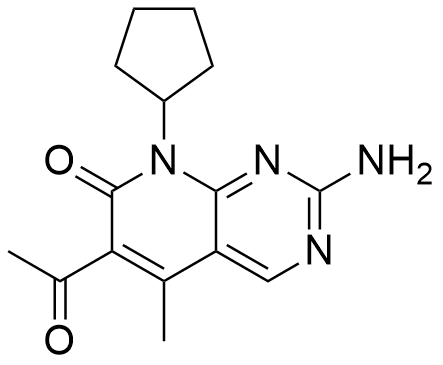
Palbociclib 125 mg capsule
Palbociclib is a high-purity small-molecule CDK4/6 inhibitor supplied at 125 mg per vial, specifically formulated for laboratory research and in vitro mechanistic studies. Produced via factory-controlled processes, it ensures high reproducibility and consistent performance for protein interaction assays, signaling pathway analysis, and molecular mechanism research. Strictly for research use only.
$2.00ADMAX (Adamax) – 99%High Purity Factory-Manufactured Freeze-Dried Peptide
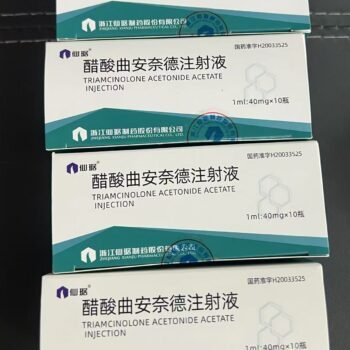
ADMAX Peptide (Adamax) is a high-purity research peptide consisting of 9 amino acids with an N-terminal acetylation. Structurally similar to Semax but with a longer peptide sequence, it is designed exclusively for laboratory research. Factory-manufactured freeze-dried powder ensures stability, reproducibility, and analytical consistency. Bulk and OEM options are available for research institutions. Original price was: $108.00.$96.00Current price is: $96.00.Triamcinolone Acetonide Acetate Injection 40mg Wholesale
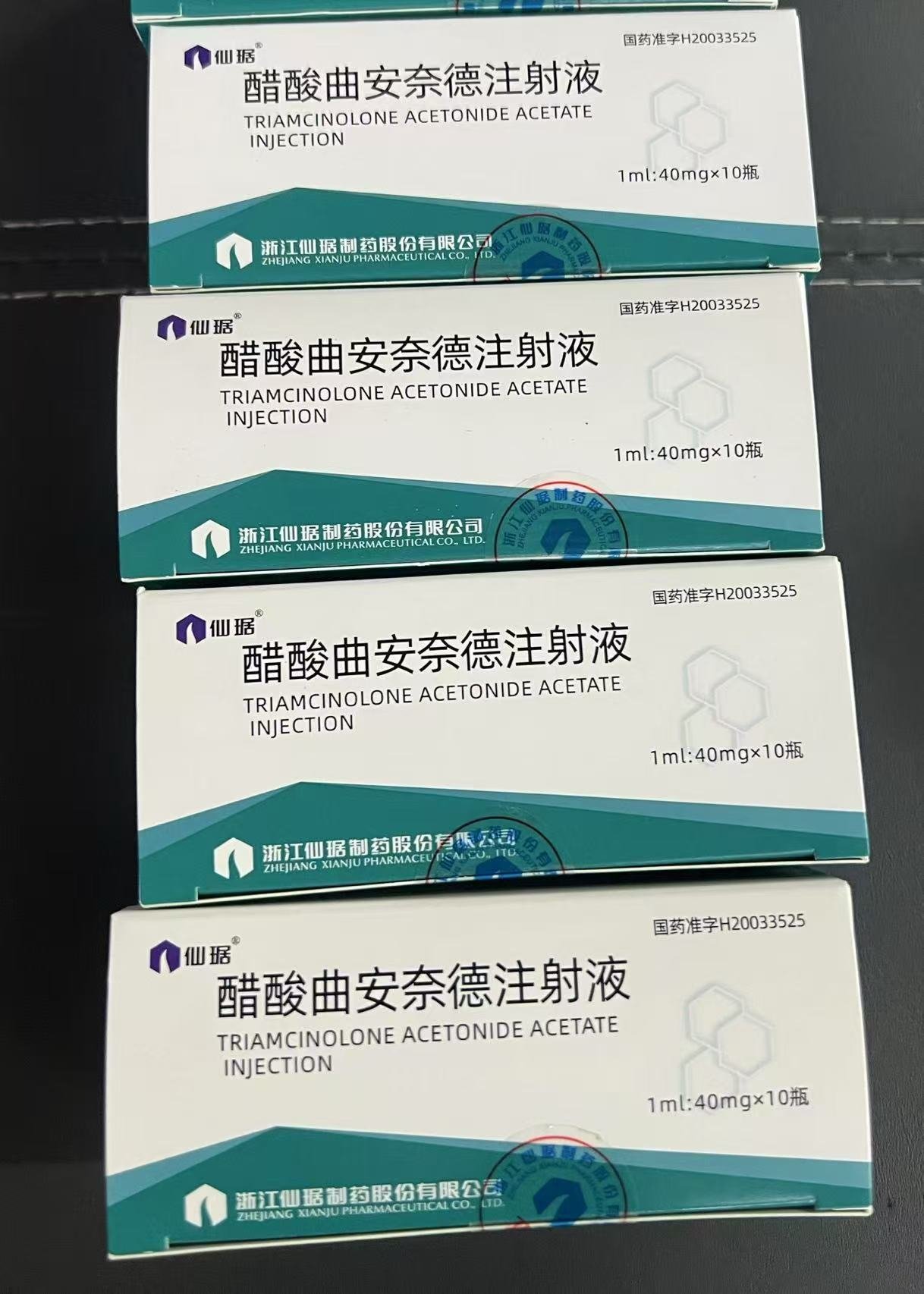
Triamcinolone Acetonide Acetate Injection (brand: Xianju) is supplied as a sterile 1?mL vial containing 40?mg of triamcinolone acetonide acetate in aqueous suspension. Manufactured by Zhejiang Xianju Pharmaceutical Co., Ltd., and approved under NMPA registration H20033525. This long-acting glucocorticoid is ideal for preclinical studies on anti-inflammatory, immunosuppressive, and anti-allergic models.?? Strictly for laboratory research use only.?Please consult staff for other specifications and uses? $5.00Elranatamab 76mg solution — Laboratory Research Grade Reagent
Elranatamab is a high-purity bispecific monoclonal antibody designed for in vitro studies of target engagement, molecular signaling, and cellular interaction mechanisms. It is intended exclusively for laboratory research, enabling precise mechanistic investigations in controlled experimental systems.
Original price was: $6.00.$3.00Current price is: $3.00.



Reviews
There are no reviews yet.