
No products in the cart.
Sale

Bradykinin Triacetate (CAS 5979-11-3)
Original price was: $28.00.$23.00Current price is: $23.00.
Bradykinin Triacetate is a potent peptide vasodilator that regulates vascular tone, smooth muscle contraction, and pain pathways. It is widely used in laboratory research on cardiovascular physiology, hypertension, inflammation, and pain signaling. Supplied in GMP-grade quality for reproducible results in preclinical and in vitro studies. For research use only.
Description
Contents
hide
Product Description
Bradykinin Triacetate (CAS 5979-11-3) is a biologically active peptide that plays a central role in cardiovascular physiology, vascular permeability, and inflammatory responses. As a synthetic triacetate derivative of bradykinin, it provides researchers with a stable, reliable, and highly reproducible tool for experimental studies across multiple disciplines, including vascular biology, hypertension, inflammation, and pain mechanisms.
Background and Biological Importance
Bradykinin is a nonapeptide naturally produced in the kallikrein–kinin system. It functions as a critical mediator of vascular tone and inflammation. Bradykinin Triacetate, a modified form of this peptide, preserves the pharmacological properties of bradykinin while offering improved stability and laboratory handling characteristics. Its ability to dilate blood vessels, increase vascular permeability, and stimulate smooth muscle contraction makes it highly valuable for mechanistic research.
Bradykinin Triacetate is particularly useful for modeling cardiovascular diseases, asthma, gastrointestinal motility disorders, and pain syndromes. Its research applications extend into endothelial signaling pathways, nitric oxide release, and the study of angiotensin–bradykinin balance in hypertension models.
Chemical Properties and Structure
Type: Synthetic peptide derivative
Class: Endothelium-dependent vasodilator
Structure: Nonapeptide triacetate modification
Molecular Formula: C50H73N15O11
Molecular Weight: ~1060 g/mol
The triacetate form enhances peptide stability during storage and experimental use, reducing degradation and ensuring consistent results.
Research Significance
In experimental models, Bradykinin Triacetate has been shown to:
Lower systemic blood pressure via endothelial-dependent vasodilation.
Stimulate nitric oxide and prostacyclin release from vascular endothelium.
Induce contraction of non-vascular smooth muscle in the bronchial and intestinal systems.
Increase vascular permeability, contributing to edema and inflammatory responses.
Modulate pain by activating bradykinin B2 receptors and sensitizing nociceptors.
By mimicking endogenous bradykinin activity, Bradykinin Triacetate provides a controlled way to investigate the role of the kallikrein–kinin system in health and disease.
Comparison to Other Vasoactive Peptides
Compared to angiotensin II (a vasoconstrictor), bradykinin represents the counterbalancing vasodilatory arm of vascular regulation. While nitric oxide donors and prostacyclin analogs provide direct vasodilation, Bradykinin Triacetate exerts broader systemic effects by simultaneously modulating smooth muscle tone, vascular permeability, and pain pathways. This makes it a uniquely versatile experimental agent.
GMP-Grade Quality for Research
Produced under GMP-certified conditions, Bradykinin Triacetate is supplied at ≥98% purity (HPLC), ensuring consistent reproducibility in both in vitro and in vivo studies. Its stability, solubility, and long shelf life make it suitable for a wide range of laboratory and preclinical applications.
Product Specifications
| Parameter | Details |
|---|---|
| Product Name | Bradykinin Triacetate |
| Synonyms | Bradykinin acetate, BK triacetate |
| CAS Number | 5979-11-3 |
| Molecular Formula | C50H73N15O11 |
| Molecular Weight | ~1060 g/mol |
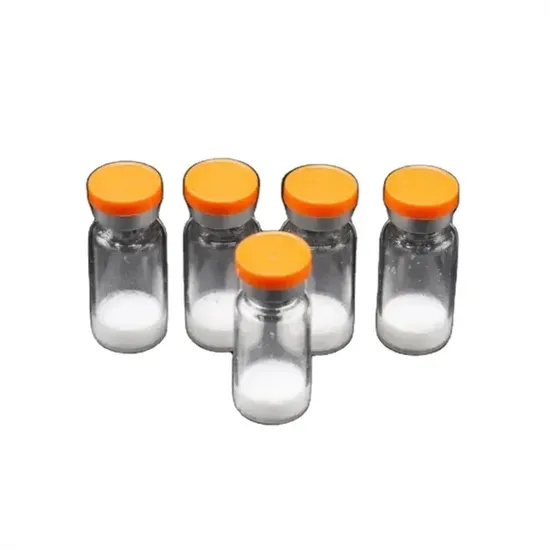
| Appearance | White to off-white lyophilized powder |
| Purity | 98% (HPLC) |
| Solubility | Soluble in water, PBS, and DMSO |
| Stability | Stable for 24 months at –20°C |
| Storage Conditions | Store at –20°C, avoid repeated freeze-thaw cycles |
| GMP Compliance | Manufactured in GMP-certified facility |
| Applications | Cardiovascular research, hypertension, inflammation, pain studies |
| Availability | Wholesale & retail quantities available worldwide |
| Experimental Models | In vitro endothelial assays, rodent hypertension models, smooth muscle studies |
| Safety Considerations | For research use only; not for human or veterinary applications |
Beyond basic specifications, Bradykinin Triacetate offers advantages in terms of experimental reproducibility, making it an essential reference peptide in vascular biology and pain signaling studies.
Mechanism of Action & Research Applications
Mechanism of Action
Bradykinin Triacetate acts primarily through bradykinin B2 receptors, which are constitutively expressed in vascular endothelial and smooth muscle cells. Activation of these receptors leads to:
Endothelium-dependent vasodilation: Induces nitric oxide (NO) release and prostacyclin production, resulting in relaxation of vascular smooth muscle and reduced blood pressure.
Smooth muscle contraction: Stimulates contraction of bronchial and intestinal smooth muscle, useful for studying airway hyperreactivity and gastrointestinal physiology.
Increased vascular permeability: Promotes fluid extravasation into tissues, a hallmark of inflammatory and allergic reactions.
Pain sensitization: Activates nociceptive neurons and enhances the release of pain mediators, linking bradykinin to hyperalgesia and chronic pain models.
Research Applications
Cardiovascular Research
Bradykinin Triacetate is widely used to investigate mechanisms of blood pressure regulation, endothelial dysfunction, and the balance between vasoconstrictors (e.g., angiotensin II) and vasodilators. It is particularly relevant for hypertension, atherosclerosis, and ischemia-reperfusion injury models.Inflammation and Vascular Permeability
By increasing vascular permeability, Bradykinin Triacetate serves as a model compound for edema, allergic inflammation, and vascular leak syndromes. It provides insights into how endothelial barrier function is compromised during disease.Respiratory Research
Its ability to contract bronchial smooth muscle makes it a useful tool in studying asthma, chronic obstructive pulmonary disease (COPD), and airway hyperresponsiveness.Gastrointestinal Studies
Bradykinin Triacetate stimulates intestinal smooth muscle contraction, helping to model motility disorders and evaluate potential therapeutic interventions.Pain and Neurological Research
As a mediator of hyperalgesia, Bradykinin Triacetate is used in pain models to study nociceptive pathways, neurogenic inflammation, and the development of new analgesics.Drug Interaction Studies
Bradykinin Triacetate is frequently used alongside ACE inhibitors, which prevent bradykinin degradation. This combination provides insights into cardiovascular pharmacology and antihypertensive drug mechanisms.

Side Effects (For Reference in Research Models)
Experimental observations of Bradykinin Triacetate in laboratory studies include:
Hypotension: Dose-dependent reductions in systemic blood pressure may occur.
Smooth Muscle Overactivation: High concentrations can cause excessive contraction of bronchial or intestinal smooth muscle.
Bronchospasm: In respiratory models, bronchial constriction may mimic asthma-like symptoms.
Vascular Leak and Edema: Increased vascular permeability may lead to tissue swelling in animal models.
Pain Induction: Bradykinin receptor activation enhances pain sensitivity, potentially complicating nociception studies.
Stability Considerations: Freeze-thaw cycles may degrade peptide activity; aliquoting is recommended.
Species-Specific Responses: Effects vary between rodents, primates, and in vitro endothelial cultures.
These outcomes highlight the need for careful dosing, monitoring, and model selection when using Bradykinin Triacetate in laboratory experiments.
Disclaimer
For laboratory research use only. Not for human or veterinary use.
Keywords
Bradykinin triacetate peptide supplier
GMP-grade bradykinin triacetate
Bradykinin vasodilator peptide
Bradykinin B2 receptor agonist research
Smooth muscle contraction peptide
Bradykinin triacetate hypertension research
Bradykinin permeability research peptide
Bradykinin triacetate wholesale supplier
Laboratory research bradykinin peptide

Additional information
| Weight | 0.8 kg |
|---|---|
| Dimensions | 26 × 53 × 26 cm |
1 review for Bradykinin Triacetate (CAS 5979-11-3)
Q1: What is Bradykinin Triacetate?
A1: It is a synthetic peptide vasodilator used for laboratory research on cardiovascular, inflammation, and pain mechanisms.
Q2: What is the CAS number of Bradykinin Triacetate?
A2: CAS No. 5979-11-3.
Q3: What receptors does it target?
A3: It primarily acts on bradykinin B2 receptors.
Q4: How does it lower blood pressure?
A4: By inducing endothelium-dependent vasodilation via nitric oxide and prostacyclin release.
Q5: Does it affect smooth muscle?
A5: Yes, it contracts bronchial and intestinal smooth muscle.
Q6: What role does it play in pain research?
A6: It activates pain pathways and increases nociceptor sensitivity.
Q7: Is it GMP-certified?
A7: Yes, it is produced under GMP-compliant manufacturing.
Q8: What is the purity grade?
A8: 98% (HPLC).
Q9: How should it be stored?
A9: At –20°C, protected from light and moisture.
Related products
USA Warehouse 99% IV Infusion Therapy Anti-Aging Injection Peptide for Weight Loss & Muscle Building
USA Warehouse 99% IV Infusion Therapy Anti-Aging Injection Peptide for Weight Loss & Muscle Building Original price was: $38.00.$23.00Current price is: $23.00.Tesamorelin Raw Material Factory: Low-Price Wholesale for High-Purity Peptides
Tesamorelin Egrifta; Tesamorelin; 218949-48-5; 804475-66-9; TH9507; ... Compound CID: 16137828 MF: C221H366N72O67S Original price was: $38.00.$23.00Current price is: $23.00.99% Pure Peptide Reta Trutide Epitalon in Stock Factory wholesale
Peptide Reta Purity 99%Over Original price was: $39.00.$26.00Current price is: $26.00.Wholesale 99% Purity Epitalon Peptide Raw Powder for Skin Repair
Epitalon Peptide Raw Powder for Skin Repair Original price was: $33.00.$22.00Current price is: $22.00.
heidipricelsw –
Shipping was fast, and the item arrived in perfect condition. Would order again.