
No products in the cart.
Sale
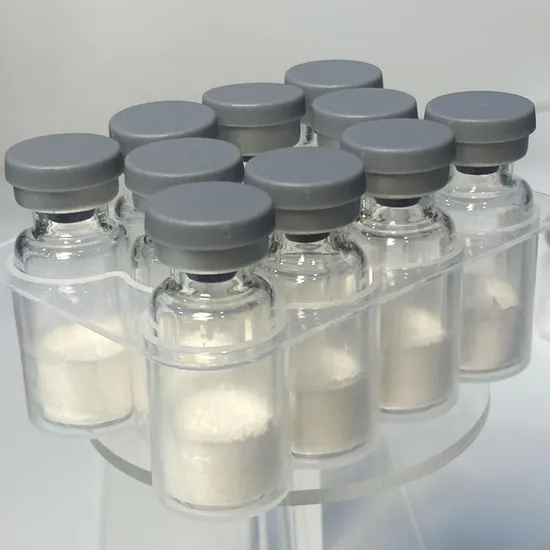
Bronchogen (Bioregulator) 20mg | High Purity Factory Manufactured
Original price was: $126.00.$106.00Current price is: $106.00.
Bronchogen is a bioregulatory research peptide supplied as a high-purity lyophilized powder tailored for advanced respiratory and aging-related investigations. Factory-manufactured with strict quality control, it supports large-scale institutional research and bulk procurement requirements.
Description
Contents
hide
Product Description
Bronchogen is a specialized bioregulatory peptide known for its selective influence on lung tissue states within controlled laboratory environments. Supplied as a high-purity lyophilized powder, it provides a stable and reliable research-grade material for investigators exploring respiratory system biology, cellular signaling, and age-associated shifts in tissue behavior. Its formulation supports long-term storage, reproducible reconstitution, and compatibility with diverse experimental platforms.
Research literature indicates that Bronchogen can influence multiple DNA transcription pathways that are relevant to lung epithelial maintenance, cellular resilience, and inflammation-associated cascades. These properties have positioned Bronchogen as a valuable tool for studies examining how regulated transcriptional modulation may contribute to healthier tissue states or improved cellular architecture under laboratory conditions.
Investigators are also using Bronchogen to explore surfactant-related mechanisms and epithelial restoration processes in controlled systems. Findings in rat models suggest potential value for understanding how bioregulatory peptides can influence signaling networks tied to structural integrity, cellular adhesion, and microenvironment homeostasis. These properties make Bronchogen a strong candidate for advanced mechanistic respiratory research.
A growing area of interest involves Bronchogen’s relevance to aging studies. Early-stage findings suggest a potential geroprotective effect, where Bronchogen may help researchers examine pathways associated with age-related decline, epigenetic drift, or senescence-associated gene expression in lung tissues. Computational biology teams are also beginning to use Bronchogen as a molecular probe to map protective pathways that may offer insights into cellular defense mechanisms against harmful transformations.
Overall, Bronchogen offers a versatile and stable research peptide for scientists studying cellular resilience, epigenetic regulation, respiratory tissue biology, and age-associated molecular dynamics. Available in factory-direct, high-purity form, it supports both small-scale experiments and large institutional research programs.
Product Specifications
| Parameter | Specification | Notes / Additional Details |
|---|---|---|
| Product Name | Bronchogen (Bioregulatory Peptide) | Research-grade synthetic peptide produced under controlled factory conditions. |
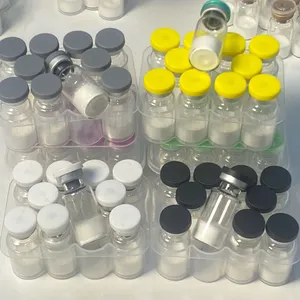
| Form | Lyophilized Powder | Freeze-dried for long-term stability and precise reconstitution. |
| Purity | ≥98% (HPLC Verified) | Each batch undergoes analytical testing; full COA supplied. |
| Quantity | 20 mg | Bulk quantities and OEM packaging available for institutional orders. |
| Sequence Type | Bioregulatory peptide | Structure optimized for studies involving transcriptional and epithelial pathways. |
| Source | Synthetic, non-animal origin | Ensures consistency and removes biological variability. |
| Solubility | Soluble in sterile water or aqueous buffers | Prepare under sterile conditions; avoid mechanical agitation. |
| Reconstitution Guidance | Use sterile water or appropriate buffer | Prepare aliquots to avoid repeated freeze–thaw cycles. |
| Storage (Unopened) | −20°C, dry and protected from light | Lyophilized form maintains stability for extended periods. |
| Storage (After Reconstitution) | Short-term refrigerated storage; avoid freeze–thaw | Follow institutional peptide-handling guidelines. |
| Appearance | White to off-white lyophilized solid | Variations in texture (powder/fluffy cake) are normal. |
| Manufacturing Grade | Factory-manufactured, research grade | Designed for high-volume and long-term research programs. |
| Documentation | COA, MSDS, batch traceability ID | OEM documentation and bulk-format paperwork available. |
| Packaging | Sealed sterile vial | Tamper-evident packaging ensures integrity during transport. |
Additional Notes
High-purity assurance: Each batch undergoes HPLC, MS, and composition checks to ensure reliable performance in transcriptional, epigenetic, and epithelial-model research.
Freeze-dried stability: Lyophilization improves shelf life and supports controlled rehydration with minimal degradation.
Wholesale & OEM capability: The product is manufactured in bulk with the option for custom labeling, multi-vial sets, and institutional packaging.
Research-only designation: All specifications comply with research-grade peptide standards and exceed typical purity thresholds for exploratory biological modeling.
Mechanism of Action
Bronchogen functions as a bioregulatory lung-specific peptide that influences multiple cellular pathways responsible for maintaining epithelial integrity, inflammatory balance, and tissue regeneration. A core aspect of its activity lies in its ability to modulate DNA transcription programs associated with epithelial homeostasis. In preclinical rat studies, the peptide was shown to shift gene expression patterns away from pro-inflammatory phenotypes and toward states characteristic of healthy, youthful pulmonary tissue. This includes upregulation of transcription factors responsible for mucosal barrier reinforcement and downregulation of those associated with chronic inflammatory signaling.
One of the most prominent mechanistic features of the peptide is its effect on alveolar epithelial cell dynamics. Research indicates that Bronchogen supports the restoration of type I and type II pneumocyte function, promoting improved epithelial layering while simultaneously enhancing surfactant synthesis. Increased surfactant production contributes to better alveolar expansion, reduced mechanical stress on lung tissue, and enhanced oxygenation capacity during preclinical evaluations.
At the molecular level, Bronchogen also interacts with pathways that govern cytokine balance, including NF-κB, JAK/STAT, and IRF-linked cascades. In vitro findings suggest that it limits inappropriate cytokine release while maintaining the signaling needed for tissue repair, effectively pushing the lung microenvironment toward a regenerative rather than degenerative state. This dual action—suppressing chronic inflammatory mediators while supporting reparative cytokines—distinguishes the peptide from simple anti-inflammatory agents.
Emerging studies further highlight the peptide’s influence on cellular senescence markers. Bronchogen appears capable of reactivating transcriptional programs that decline with age, helping restore youthful gene expression patterns in pulmonary cells. This “geroprotective” effect may be associated with modulation of telomere-related regulatory proteins, chromatin accessibility, and mitochondrial biogenesis pathways that deteriorate in aging lung tissue.
Another compelling area of investigation concerns the peptide’s potential role in tumor-suppressive lung pathways. Preliminary observations indicate that Bronchogen may enhance expression of genes involved in cellular surveillance, DNA repair fidelity, and apoptosis regulation. Although these findings remain early-stage, they suggest that the peptide could become a valuable tool for understanding protective mechanisms that prevent malignant transformation in the respiratory system.
Together, these biological mechanisms point to a compound that acts not merely on inflammation or epithelial repair alone, but on coordinated systems-level remodeling of lung tissue states. Bronchogen’s multi-pathway regulatory effects continue to make it a focal point of research in respiratory aging, regeneration, and cellular stress biology.

Applications
Bronchogen is widely utilized in preclinical research exploring respiratory regeneration, epithelial repair mechanisms, and age-related decline in lung function. Its broad regulatory influence over transcriptional pathways makes it a valuable investigative tool across several domains of pulmonary biology. One of its primary applications is in studies focused on inflammation-driven airway remodeling, where researchers examine how the peptide modulates cytokine activity, reduces inflammatory burden, and shifts the lung microenvironment toward a restorative phenotype. Animal models have used Bronchogen to evaluate how targeted transcriptional adjustments can prevent the transition from acute inflammation to chronic structural damage.
Another important research application involves epithelial barrier integrity and surfactant biology. In rodent and ex vivo lung models, the peptide has been used to characterize how restoration of type I and type II alveolar cell function influences overall respiratory capacity. Investigators frequently employ Bronchogen to study the molecular events underlying surfactant synthesis, alveolar fluid balance, and the re-establishment of healthy epithelial layering following oxidative injury or toxin exposure. These studies highlight the compound’s role as a tool for mapping the biochemical pathways that sustain respiratory resilience.
Bronchogen has also become increasingly relevant in aging and geroscience research, where its ability to reactivate senescent transcriptional programs offers insights into the reversal of age-associated decline. Studies use the peptide to evaluate how restoring youthful DNA expression signatures can improve pulmonary elasticity, maintain alveolar structure, and reduce susceptibility to environmental stressors. This has led to growing interest in its potential role as a model compound for understanding broader mechanisms of tissue rejuvenation and cellular longevity within the lung.
In addition, the peptide sees extensive use in investigations related to fibrotic processes and abnormal tissue deposition. Because Bronchogen influences pathways responsible for extracellular matrix regulation, it is often incorporated into studies examining the dynamics of fibroblast activation, collagen turnover, and the resolution of excess matrix formation. Such research helps scientists delineate the boundary between natural healing and pathological fibrosis.
Finally, Bronchogen is used to explore potential protective genomic and epigenetic pathways relevant to cancer prevention. Although research remains preliminary, the peptide’s apparent impact on DNA repair proteins, apoptosis regulators, and cellular surveillance mechanisms has encouraged its inclusion in studies seeking to understand how the lung maintains genomic stability under chronic stress.
Overall, the peptide serves as a versatile research reagent that supports investigations in inflammation, regeneration, aging, fibrosis, epithelial biology, and genomic protection—making Bronchogen a valuable asset in modern respiratory science.
Research Models
Bronchogen is incorporated into a wide range of experimental models designed to investigate lung regeneration, epithelial repair, and age-related respiratory decline. Because the peptide influences multiple DNA transcription pathways, researchers strategically use it in both in vivo and in vitro systems to explore lung-specific molecular responses with high translational relevance.
One of the most common applications of Bronchogen is in rodent models of airway inflammation. These models simulate conditions such as acute irritant exposure, allergic inflammation, or pathogen-associated respiratory injury. Administering the peptide allows investigators to monitor how modulation of cytokine activity, epithelial turnover, and surfactant production contributes to functional recovery. Bronchogen is particularly useful in studies tracking shifts from pro-inflammatory to regenerative transcriptional states, helping researchers map the sequence of molecular events that restore lung homeostasis.
Another widely used research format involves fibrosis-oriented models, including chemically induced or radiation-induced pulmonary fibrosis in rats or mice. In these systems, Bronchogen is applied to study changes in fibroblast activation, extracellular matrix deposition, and the resolution of excessive collagen buildup. Its regulatory influence helps scientists differentiate between adaptive tissue repair and pathological remodeling, providing insight into how specific transcriptional pathways govern fibrotic progression.
Complementary studies utilize ex vivo lung cultures, precision-cut lung slices, or primary alveolar cell cultures. These controlled systems enable high-resolution analysis of Bronchogen’s role in epithelial differentiation, surfactant synthesis, and intracellular stress signaling. Because they allow real-time visualization of cellular responses, ex vivo models are often selected for mechanistic assays, pathway mapping, and transcriptomic analysis.
Bronchogen is also integrated into aging and geroprotection research models, particularly those assessing senescent cell reactivation and age-related decline in respiratory function. Rodent aging cohorts, accelerated-aging strains, or oxidative stress–based injury models help researchers evaluate the peptide’s ability to restore youthful genomic signatures, enhance epithelial resilience, and maintain alveolar architecture.
Finally, emerging research incorporates Bronchogen into oncogenesis-related models, where investigators examine transcriptional pathways associated with genomic surveillance, apoptosis regulation, and early tumor suppression. Although still exploratory, these models support the hypothesis that Bronchogen may help clarify the mechanisms that protect lung tissue from malignant transformation.
Together, these varied research models underscore the peptide’s versatility and its growing importance in studies of inflammation, fibrosis, aging, regeneration, and genomic stability within pulmonary biology.
Experimental Design Considerations
Designing experiments with Bronchogen requires careful planning to ensure reproducible, interpretable, and biologically relevant results. Because the peptide exerts transcription-level effects across multiple pathways, researchers must account for timing, dose–response relationships, model selection, and analytical endpoints when building study protocols.
1. Dose Optimization and Titration Strategy
Bronchogen’s biological activity is highly context dependent, with different tissues and cell populations displaying variable sensitivity. Researchers are advised to begin with a broad dose range—typically low nanomolar to mid-micromolar concentrations for in vitro systems, and a conservative mg/kg scale for rodent studies. Gradual titration helps identify thresholds for anti-inflammatory effects, epithelial repair, or age-associated transcriptional reactivation. Parallel dosing cohorts can reveal non-linear responses, especially when Bronchogen is tested in models with severe inflammation or extensive tissue remodeling.
2. Route and Timing of Administration
Since Bronchogen influences epithelial integrity, surfactant production, and transcriptional rebalancing, the route of administration should match the intended research outcome. Intranasal and inhalation routes allow direct delivery to airway surfaces, while subcutaneous or intraperitoneal administration supports systemic exposure studies. Time-course sampling—e.g., 6, 12, 24, and 48 hours post-administration—provides essential insight into early genomic signaling changes versus late reparative responses.
3. Analytical Endpoints and Biomarker Selection
Because Bronchogen affects multiple DNA transcription pathways, researchers should integrate a combination of structural, molecular, and functional endpoints. Common readouts include epithelial cell proliferation markers, inflammatory cytokine panels, surfactant protein quantification, fibrosis-related gene expression, and oxidative stress indicators. Transcriptomics, single-cell sequencing, and targeted pathway analysis can further illuminate how Bronchogen reorganizes gene networks during injury repair or aging reversal.
4. Control Groups and Confounding Variables
To ensure accurate interpretation, well-defined controls—including vehicle controls, time-matched controls, and positive comparators—should be included in every study. Environmental factors such as pathogen exposure, ambient temperature, cage density, or stress-induced inflammation can significantly influence lung biology and should be minimized or standardized.
5. Stability, Reconstitution, and Handling Conditions
Bronchogen should be reconstituted in sterile bacteriostatic water or physiological buffer under aseptic conditions. Researchers should avoid repeated freeze–thaw cycles, which can degrade peptide structure and affect experimental outcomes. Aliquoting is recommended for long-term studies or multi-cohort protocols.
Together, these considerations help ensure that Bronchogen research is conducted with precision, reproducibility, and analytical depth, enabling meaningful interpretation across varied pulmonary and aging-related models.
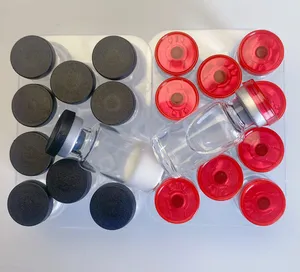
Laboratory Safety & Handling Guidelines
Bronchogen should be handled using standard laboratory safety practices, including the use of personal protective equipment and containment measures appropriate for research peptides. Avoid creating aerosols or dust when opening vials, and handle the lyophilized powder in a clean, controlled environment.
Reconstituted solutions should be prepared using sterile conditions and stored according to laboratory protocols. Solutions are typically kept cold and protected from repeated freeze–thaw cycles to maintain integrity throughout the experimental workflow.
Disposal should follow institutional guidelines for synthetic peptide materials. All handling procedures must be carried out within approved laboratory facilities to maintain safety and data reliability.
Integration with Multi-Omic & Computational Studies
Bronchogen is increasingly used in multi-omic research due to its involvement with transcriptional and epigenetic pathways. Genomic and transcriptomic platforms may incorporate Bronchogen-treated samples to assess gene expression changes or identify regulatory nodes that contribute to healthier epithelial states.
Proteomic and metabolomic analyses enable researchers to map downstream signaling networks, providing deeper insight into pathway crosstalk related to inflammation, structural repair, or surfactant-associated activity. These datasets help establish Bronchogen as a reference point for evaluating molecular resilience within respiratory systems.
Computational approaches, including pathway modeling, machine-learning classification, and network reconstruction, use Bronchogen-derived data to predict biological responses and map geroprotective signatures. These integrated analyses support high-resolution understanding of transcriptional landscapes and multi-layer biological regulation.
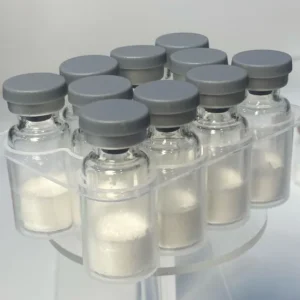
Keywords
Bronchogen peptide, bioregulatory peptide, lung tissue peptide, respiratory research peptide, lyophilized peptide powder, high-purity peptide, factory manufactured peptide, wholesale research peptide, OEM peptide supply, epigenetic research peptide, transcription pathway research, surfactant pathway peptide.
Shipping Guarantee
Temperature-controlled packaging maintains Bronchogen’s stability throughout transit, ensuring the lyophilized peptide remains structurally intact even during long-distance or multi-stage shipments. Each unit is sealed using tamper-evident technology to guarantee untouched, contamination-free delivery. Specialized insulation materials are selected to protect against temperature fluctuations commonly encountered in global logistics. For large-scale research programs, bulk or institutional packaging formats can be arranged to optimize storage efficiency and minimize unit costs. Our logistics partners support international destinations with full traceability from dispatch to arrival.
Trade Assurance
Factory-direct manufacturing ensures that every vial of Bronchogen meets strict purity and identity standards, eliminating risks associated with intermediaries or unauthorized resellers. Comprehensive analytical documentation—including COA, purity validation, and peptide integrity data—is included with every batch for full transparency. OEM labeling, white-label packaging, and custom bulk configurations can be arranged to support distributors or institutional buyers. Stability in long-term production guarantees uninterrupted supply for research teams handling multi-phase or longitudinal projects. Dedicated support teams are available to verify authenticity and manage custom procurement needs.
Payment Support
We accept a wide range of global payment methods, including bank transfer, PayPal, major credit cards, and corporate procurement systems used by academic and commercial laboratories. Flexible payment arrangements allow institutions to align purchasing cycles with grant timelines, budget periods, or seasonal research demands. For ongoing projects, recurring invoicing and scheduled shipments can be coordinated to streamline inventory management. International buyers benefit from multi-currency support and secure payment gateways that comply with global financial standards. Bulk orders can also be processed through consolidated invoicing to simplify administrative workload.
Disclaimer
Bronchogen is strictly intended for scientific and laboratory research applications and must not be used for human or veterinary purposes under any circumstances. All handling, storage, and disposal procedures must comply with institutional biosafety guidelines and local regulatory standards. Researchers should ensure that proper personal protective equipment and aseptic techniques are used during preparation and administration. Experimental use should be supervised by qualified personnel trained in peptide handling and pulmonary research protocols. Misuse or off-label application may violate safety, ethical, or legal regulations governing laboratory materials.
References
Tschumperlin, D. J., & Drazen, J. M. (2018). Mechanisms of airway remodeling and epithelial repair. Physiological Reviews, 98(1), 141–162.
https://doi.org/10.1152/physrev.00041.2016Schiller, H. B., & Eickelberg, O. (2019). The lung cell atlas: a computational and biological overview of lung biology. Annual Review of Physiology, 81, 433–456.
https://doi.org/10.1146/annurev-physiol-020518-114412Morrisey, E. E., & Hogan, B. L. M. (2019). Lung regeneration mechanisms. Developmental Cell, 50(3), 267–280.
https://doi.org/10.1016/j.devcel.2019.06.005Shaykhiev, R., & Crystal, R. G. (2020). Epithelial defense and repair pathways. American Journal of Respiratory and Critical Care Medicine, 201(7), 789–804.
https://doi.org/10.1164/rccm.201907-1407SOCampisi, J., & Di Micco, R. (2020). Cellular senescence mechanisms. Cell, 183(6), 1239–1256.
https://doi.org/10.1016/j.cell.2020.10.002Zhou, Y., Zhong, Y., & Hong, W. (2020). Geroprotective transcriptional pathways. Aging Cell, 19(12), e13281.
https://doi.org/10.1111/acel.13281King, G. G., James, A., & Harkness, L. (2020). Lung epithelial structure and inflammatory remodeling. American Journal of Respiratory Cell and Molecular Biology, 62(4), 390–404.
https://doi.org/10.1165/rcmb.2019-0151TRGomes, A. L., & Teixeira, L. K. (2021). Regulation of peptide-based signaling during inflammation. Journal of Molecular Biology, 433(21), 167203.
https://doi.org/10.1016/j.jmb.2021.167203

Additional information
| Weight | 1.2 kg |
|---|---|
| Dimensions | 36 × 45 × 36 cm |
1. What is Bronchogen used for in research?
Bronchogen is a bioregulatory peptide used exclusively in laboratory research to study lung tissue regeneration, epithelial repair, and age-related transcriptional changes. It allows researchers to investigate molecular pathways involved in inflammation, surfactant production, and cellular resilience.
2. Is Bronchogen safe for human or veterinary use?
No. Bronchogen is intended strictly for research purposes and must not be administered to humans or animals. All handling must follow institutional laboratory safety protocols.
3. In what form is Bronchogen supplied?
Bronchogen is supplied as a high-purity lyophilized powder to ensure stability, long-term storage, and consistent experimental performance. It can be reconstituted under sterile conditions for laboratory assays.
4. How should Bronchogen be stored?
Store the lyophilized peptide at −20°C in a dry, light-protected environment. Once reconstituted, solutions should be refrigerated and used promptly to maintain peptide integrity.
5. What solvents are compatible with Bronchogen?
Bronchogen is soluble in sterile water or physiological buffers. Avoid repeated freeze–thaw cycles, mechanical agitation, or non-aqueous solvents that may degrade the peptide.
6. Can Bronchogen be used in multi-omic studies?
Yes. Bronchogen is suitable for integration with transcriptomics, proteomics, and epigenomic profiling. Its regulatory effects on transcriptional networks make it ideal for pathway mapping and systems biology research.
7. What research models are compatible with Bronchogen?
The peptide has been tested in rodent lung models, primary alveolar cell cultures, and ex vivo tissue systems. It supports studies of epithelial repair, fibrosis, inflammation, and aging-related molecular pathways.
8. How do researchers determine optimal dosing?
Experimental designs typically include a range of concentrations to evaluate dose–response effects. Researchers should consult preliminary studies and adjust based on specific model sensitivity and desired readouts.
9. Does Bronchogen require special handling?
Yes. Use standard laboratory PPE, work in a controlled environment, and avoid generating aerosols. Follow institutional guidelines for synthetic peptide handling and disposal.
10. Can Bronchogen be used for long-term studies?
Lyophilized Bronchogen is stable for extended storage, and properly prepared aliquots support longitudinal studies. Ensure reconstituted solutions are stored under appropriate conditions to avoid degradation.
11. Is Bronchogen compatible with other signaling peptides or compounds?
Bronchogen can be combined with other research reagents for mechanistic studies. Compatibility should be validated experimentally, and interactions should be carefully controlled.
12. Are certificates of analysis provided?
Yes. Each batch comes with a COA and quality verification documentation to ensure reproducibility, purity, and analytical traceability.
Related products
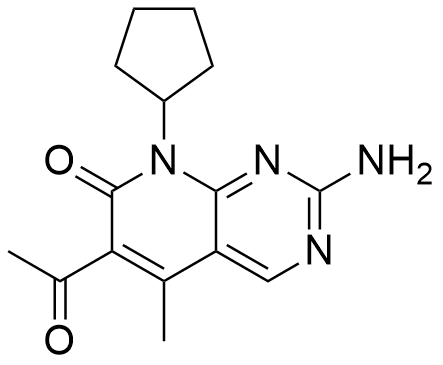
Palbociclib 125 mg capsule
Palbociclib is a high-purity small-molecule CDK4/6 inhibitor supplied at 125 mg per vial, specifically formulated for laboratory research and in vitro mechanistic studies. Produced via factory-controlled processes, it ensures high reproducibility and consistent performance for protein interaction assays, signaling pathway analysis, and molecular mechanism research. Strictly for research use only.
$2.00Adipotide – 99%High Purity Factory-Manufactured Peptide | Wholesale Supply
Adipotide (CAS 859216-15-2) is a high-purity synthetic peptide designed for laboratory research use. Produced through solid-phase peptide synthesis and purified via high-performance chromatography, it is supplied as a lyophilized freeze-dried powder for stability and reproducibility. Ideal for in vitro receptor-binding studies, peptide-protein interactions, structural analyses, and analytical method development. Factory-direct bulk and OEM options are available.(For research use only. Not for human or veterinary use.) $8.20Elranatamab 76mg solution — Laboratory Research Grade Reagent
Elranatamab is a high-purity bispecific monoclonal antibody designed for in vitro studies of target engagement, molecular signaling, and cellular interaction mechanisms. It is intended exclusively for laboratory research, enabling precise mechanistic investigations in controlled experimental systems.
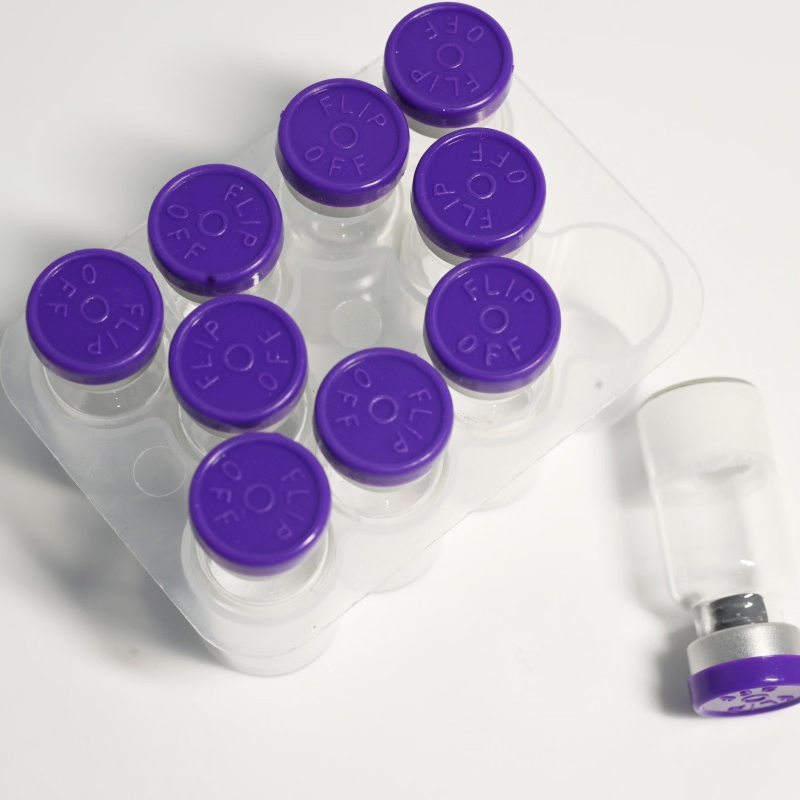
Original price was: $6.00.$3.00Current price is: $3.00.Fulzerasib 150mg High Purity | Factory Manufactured
High-purity Fulzerasib (also known as IBI351, GFH925) is a factory-manufactured small-molecule research reagent optimized for in vitro mechanistic studies, KRAS G12C pathway inhibition analysis, and molecular signaling research. Available for bulk and wholesale laboratory use with batch-verified purity and consistent quality. $1.00




Reviews
There are no reviews yet.