
No products in the cart.
Sale
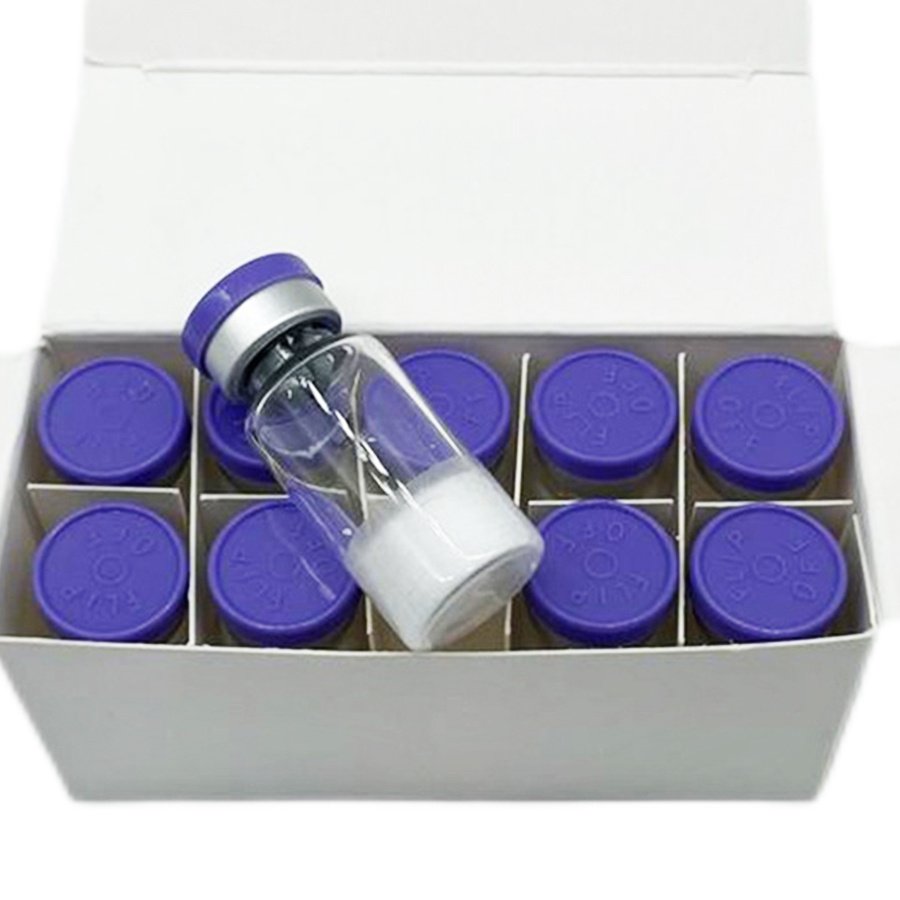
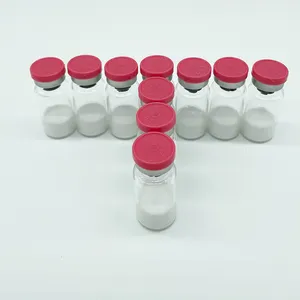
Cagrilintide 2.5mg + Semaglutide 2.5mg High-Purity Lyophilized Powder (99%)
Original price was: $13.00.$12.00Current price is: $12.00.
Cagrilintide 2.5mg + Semaglutide 2.5mg is a high-purity dual-peptide formulation designed for research involving appetite regulation, metabolic signaling, and incretin-amylin pathway studies. Produced as a lyophilized powder with 99% purity, this peptide combination enables laboratory investigation of synergistic mechanisms between amylin receptor agonism and GLP-1 receptor activation in metabolic research models.

Description
Contents
hide
Product Description
Cagrilintide + Semaglutide is a dual-peptide research compound combining two well-characterized metabolic signaling peptides frequently investigated in studies of energy balance and glucose homeostasis.
Cagrilintide is a long-acting amylin analogue engineered to enhance receptor stability and prolong biological activity. Amylin is a pancreatic peptide hormone co-secreted with insulin and plays an important role in satiety signaling, gastric emptying modulation, and postprandial metabolic regulation.
Semaglutide is a GLP-1 receptor agonist peptide known for its extended half-life and high receptor affinity. It is widely investigated in research examining incretin signaling, insulin secretion dynamics, and appetite-related pathways.
The co-administration of Cagrilintide and Semaglutide has become an area of significant scientific interest because the amylin and GLP-1 pathways operate through complementary mechanisms within the central nervous system and gastrointestinal system. Preclinical and clinical research suggests that simultaneous activation of these pathways may produce enhanced metabolic signaling responses compared with single-pathway modulation.
This 2.5mg + 2.5mg lyophilized peptide formulation is manufactured with ≥99% purity, verified through analytical techniques such as HPLC and mass spectrometry, ensuring suitability for advanced biochemical and pharmacological research environments.
Product Specifications
| Specification | Details |
|---|---|
| Product Name | Cagrilintide 2.5mg + Semaglutide 2.5mg |
| Synonyms | AM833 + Semaglutide Combination |
| CAS Number | Not officially assigned (combination product) |
| Molecular Formula | Combination peptide formulation |
| Molecular Weight | Cagrilintide: ~3964 Da / Semaglutide: ~4113 Da |
| Amino Acid Sequence | Cagrilintide and Semaglutide proprietary peptide sequences |
| Peptide Type | Amylin analogue + GLP-1 receptor agonist |
| Form | Lyophilized powder |
| Purity | ≥99% (HPLC verified) |
| Strength Options | 2.5mg + 2.5mg |
| Appearance | White to off-white sterile lyophilized powder |
| Identity Verification | HPLC, Mass Spectrometry |
| Solubility | Soluble in sterile water or research-grade buffer solutions |
| Packaging | Sterile research vials |
| Storage Condition | Store at −20°C to −80°C, protected from light |
| Intended Use | Research use only. Not for human or veterinary use. |
Applications
The Cagrilintide + Semaglutide peptide combination is frequently investigated in metabolic and endocrine research settings.
Metabolic Regulation Studies
Researchers explore this peptide pair to examine integrated appetite regulation mechanisms, particularly those involving hypothalamic satiety signaling and gut-brain hormonal communication.
Obesity and Energy Balance Research
Dual activation of amylin and GLP-1 pathways allows scientists to study potential synergistic effects on energy intake, body weight regulation, and adipose tissue signaling.
Glucose Metabolism Models
Semaglutide’s incretin activity combined with Cagrilintide’s satiety signaling makes this formulation valuable in studies examining glucose tolerance, insulin dynamics, and metabolic homeostasis.
Neuroendocrine Signaling
The peptides influence central appetite control circuits, particularly within the hypothalamus and brainstem. Researchers often investigate neuronal activation markers and signaling cascades in these regions.
Gastrointestinal Motility Research
Both peptides can affect gastric emptying and digestive hormone release, making them useful for studies of gastrointestinal endocrine responses.
Key Research Advantages
Dual-pathway metabolic signaling model
≥99% verified peptide purity
Stable lyophilized formulation
High batch consistency suitable for controlled experiments
Widely investigated amylin–GLP-1 pathway combination
Contact & Bulk Supply
For factory wholesale pricing, bulk quantities, and technical documentation (COA, HPLC reports, MS analysis), please contact our technical sales team for detailed product information and availability.
Scientific References
The following scientific publications provide authoritative information about the mechanisms and research interest surrounding amylin analogues and GLP-1 receptor agonists.
National Center for Biotechnology Information – Amylin receptor agonists and metabolic regulation
https://www.ncbi.nlm.nih.gov/PubMed – Research publications related to Cagrilintide and GLP-1 receptor agonists
https://pubmed.ncbi.nlm.nih.gov/The New England Journal of Medicine – Clinical and translational research on incretin-based therapies
https://www.nejm.org/Nature – Reviews on metabolic signaling and peptide therapeutics
https://www.nature.com/ClinicalTrials.gov – Ongoing and completed studies involving amylin and GLP-1 pathway modulation
https://clinicaltrials.gov/

Additional information
| Weight | 1.2 kg |
|---|---|
| Dimensions | 53 × 46 × 53 cm |
What is Cagrilintide + Semaglutide used for in research?
The Cagrilintide and Semaglutide peptide combination is widely studied in metabolic and endocrine research. Scientists investigate this dual-peptide system to better understand appetite regulation, energy balance, and glucose metabolism through simultaneous activation of the amylin receptor and GLP-1 receptor pathways.
Why are Cagrilintide and Semaglutide studied together?
Cagrilintide and Semaglutide target complementary metabolic signaling pathways.
Cagrilintide acts as an amylin receptor agonist, while Semaglutide activates GLP-1 receptors. Research suggests that dual pathway activation may enhance satiety signaling and metabolic regulation compared to single-pathway modulation.
What purity level is recommended for peptide research?
Most laboratories require ≥98–99% peptide purity to ensure experimental consistency and reproducibility. High-purity peptides reduce the risk of interfering fragments or synthesis impurities affecting biological assays.
What analytical methods verify peptide purity?
High-quality peptides are typically verified using:
HPLC (High-Performance Liquid Chromatography) for purity analysis
Mass Spectrometry (MS) for molecular weight confirmation
Amino acid sequencing verification when required for research validation
How should lyophilized peptides be stored?
Lyophilized peptides should generally be stored at −20°C to −80°C in sealed containers protected from moisture and light. Proper storage conditions help maintain peptide stability and prevent degradation.
What solvent is typically used for peptide reconstitution?
In laboratory research, peptides are commonly reconstituted using:
sterile water for injection (research grade)
bacteriostatic water
buffered solutions such as PBS
The appropriate solvent depends on the experimental protocol.
Does the Cagrilintide + Semaglutide combination have a CAS number?
The combined formulation does not currently have a unified CAS number. However, the individual peptides have separate chemical identifiers used in scientific literature and research databases.
What research fields commonly study this peptide combination?
The Cagrilintide–Semaglutide system is investigated in multiple areas including:
metabolic disease research
obesity and appetite regulation studies
endocrine signaling research
gut-brain axis investigations
glucose metabolism models
Is this peptide intended for clinical or therapeutic use?
No. This peptide formulation is supplied strictly for laboratory research use only and is not intended for human or veterinary use.
Why is lyophilized peptide format preferred in research?
Lyophilization improves peptide stability by removing water through freeze-drying. This format allows longer shelf life, improved transport stability, and easier storage under laboratory conditions.
Related products
Fulvestrant (Faslodex) 250mg — Laboratory Research Grade Reagent
Fulvestrant (Faslodex) is a high-purity steroidal compound for in vitro molecular mechanism studies, including nuclear receptor binding, transcriptional modulation, and protein interaction research. It is intended exclusively for laboratory research and mechanistic investigations, enabling controlled experimental analysis in biochemical and cellular assays. Original price was: $6.00.$2.00Current price is: $2.00.Ivodazumab solution (lvonescimab) High Purity | Factory Manufactured
High-purity Ivodazumab Injection (lvonescimab) designed for laboratory research, in vitro mechanistic studies, and receptor-targeted molecular pathway analysis. Factory-manufactured with consistent quality for bulk and wholesale supply, this injectable formulation provides reliable antibody-mediated receptor modulation for mechanistic and multi-omic studies.
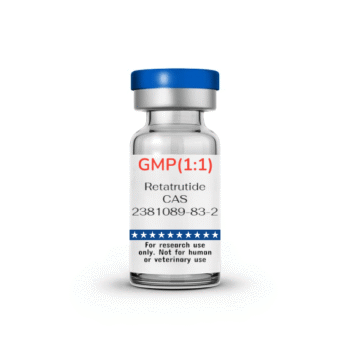
Original price was: $3.00.$2.00Current price is: $2.00.Retatrutide | CAS 2381089-83-2 | Dual GLP-1/GIP/Glucagon Receptor Agonist
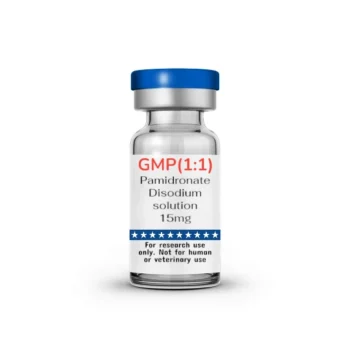
Retatrutide (CAS 2381089-83-2) is a high-purity research-grade peptide optimized for in vitro mechanistic studies. It supports investigations into signal transduction, receptor interactions, and molecular pathway modulation. Supplied as a lyophilized powder, it ensures stability and reproducibility for laboratory research applications. Original price was: $14.00.$12.00Current price is: $12.00.Pamidronate Disodium solution 15mg — Laboratory Research Grade Reagent
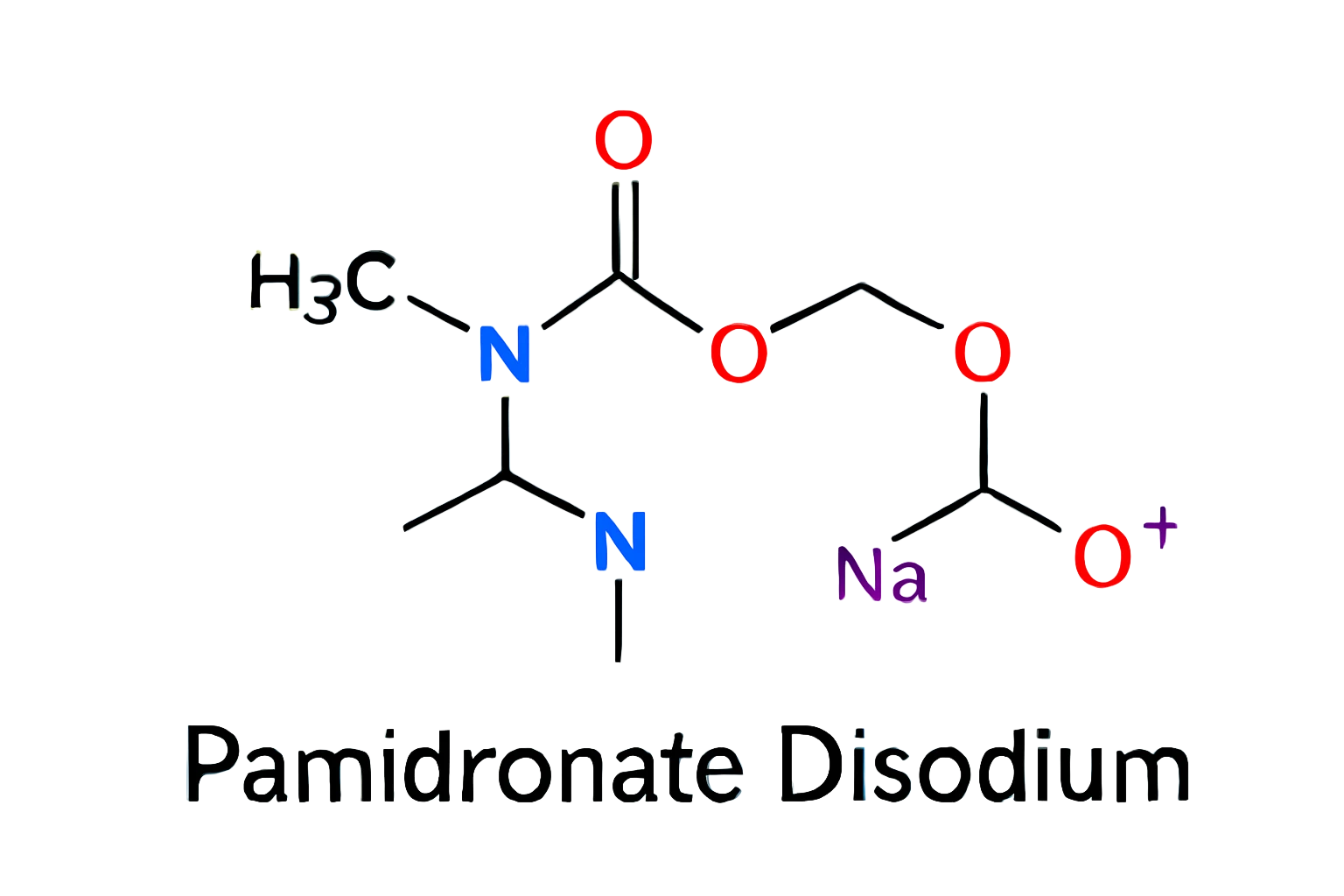
Pamidronate Disodium is a high-purity bisphosphonate reagent designed for in vitro mechanistic studies. It enables research into bone-related biochemical pathways, protein-ligand interactions, and molecular signaling mechanisms under controlled laboratory conditions. Supplied in a laboratory-ready format, it is ideal for mechanistic assays and protein interaction studies. Original price was: $6.00.$2.00Current price is: $2.00.


Reviews
There are no reviews yet.