
No products in the cart.
Sale
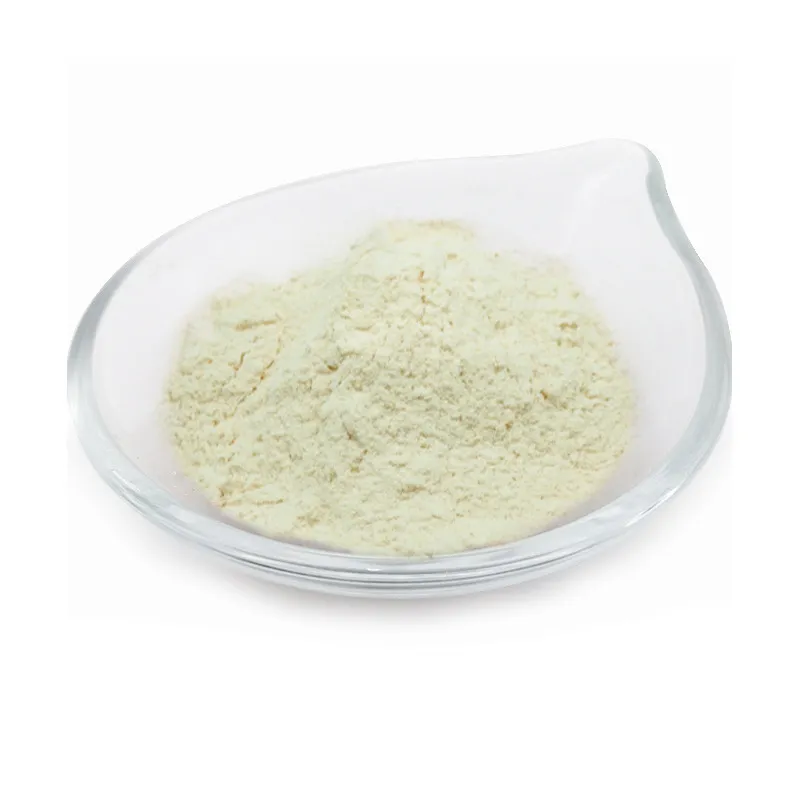
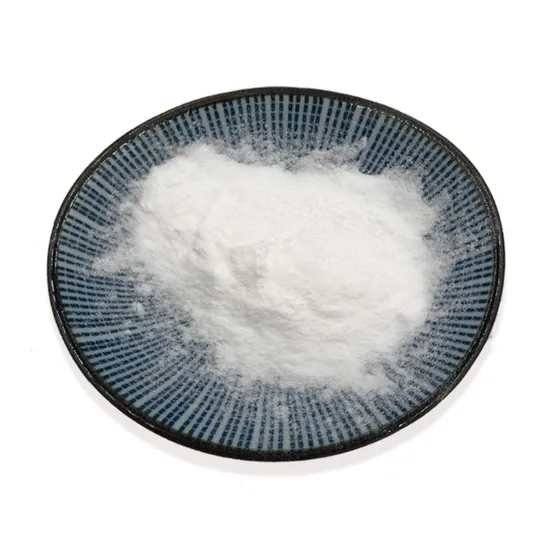
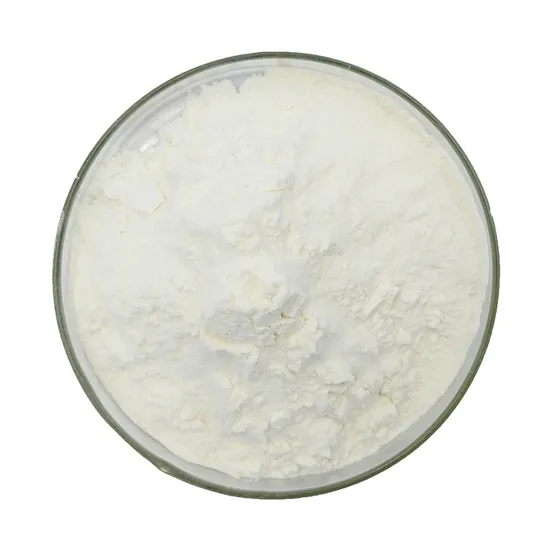
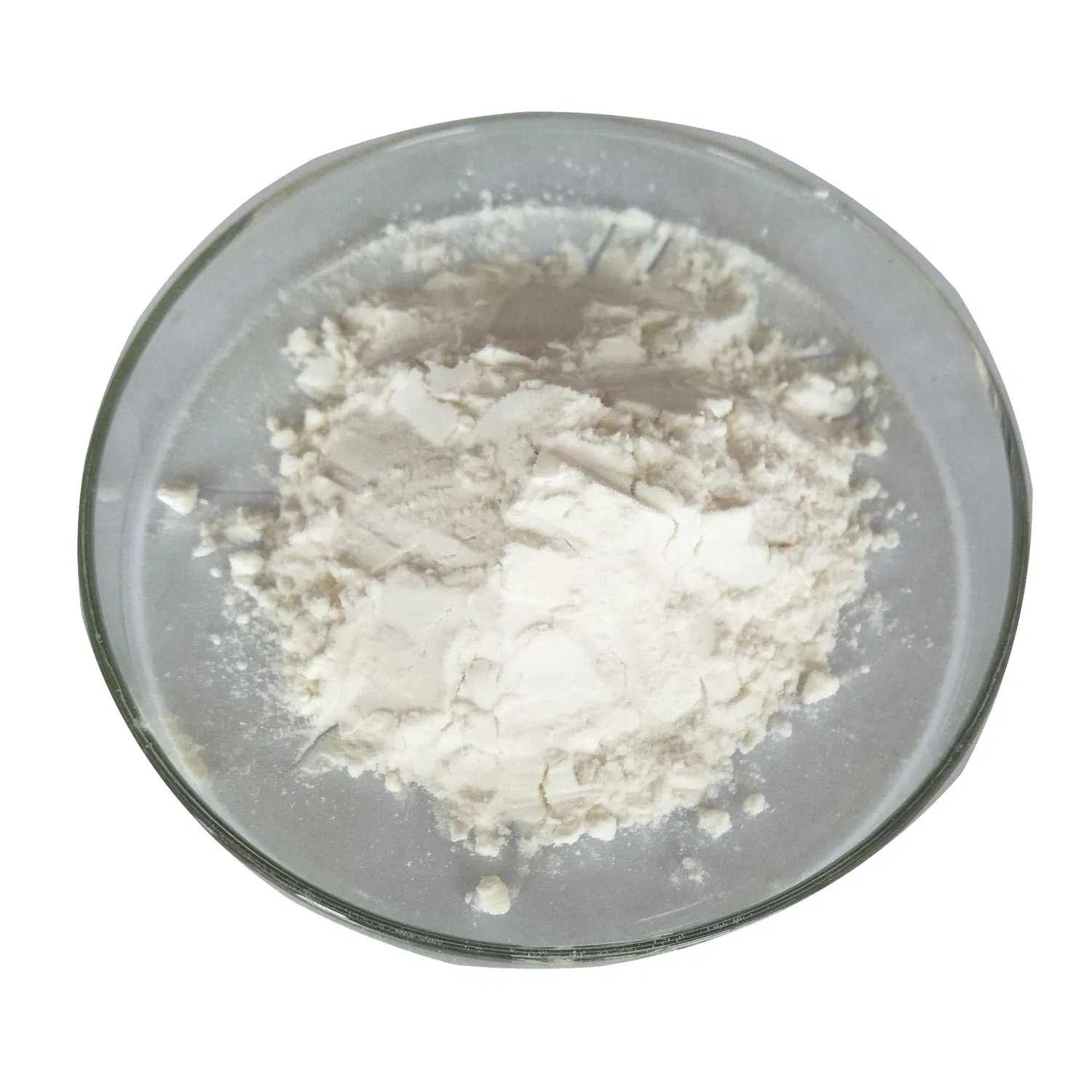

Salmon Calcitonin | 99% High purity Factory manufactured | low-price wholesale supply
Original price was: $95.00.$92.00Current price is: $92.00.
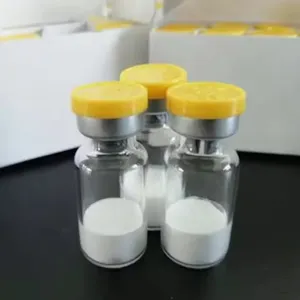
High-purity Salmon Calcitonin (CAS 47931-85-1) supplied as freeze-dried peptide powder for controlled laboratory research. Engineered for biochemical pathway analysis, receptor-binding studies, peptide structural research, and analytical assay development. Factory-manufactured with consistent purity. Wholesale and OEM customization supported.
Description
Product Description
Salmon Calcitonin (CAS 47931-85-1) is a highly characterized peptide widely utilized across biochemical, receptor-binding, molecular signaling, and material–peptide interaction studies. Manufactured through high-precision solid-phase peptide synthesis and purified using advanced chromatographic technologies, this high-purity Salmon Calcitonin peptide offers excellent consistency, structural integrity, and reliability for laboratory workflows that require a well-defined peptide standard. The product is supplied as a sterile freeze-dried powder, ensuring long-term stability and flexibility for diverse research settings, particularly where controlled reconstitution and customizable concentrations are necessary.
This high-purity Salmon Calcitonin peptide is frequently employed in studies exploring calcitonin receptor activation, peptide–GPCR interactions, intracellular signaling cascades, and calcium-regulatory pathways at the molecular and cellular levels. Its well-documented structural profile makes it suitable for mechanistic investigations examining ligand–receptor affinity, receptor desensitization kinetics, secondary messenger modulation, peptide folding dynamics, and comparative assessments among calcitonin analogs. Due to its robust purity specifications, researchers can achieve reproducibility across multiple assays, ensuring consistent outcomes in screening, structural visualization, cross-ligand profiling, and receptor selectivity evaluations.
In biochemical environments, Salmon Calcitonin enables precise probing of peptide conformational behavior, such as disulfide bond stability, secondary structure transitions, and peptide-membrane interactions. These properties support its use in spectroscopy, chromatography validation, bioanalytical method development, and structural comparison across species-derived calcitonin peptides. The stability of the lyophilized format allows researchers to store the material for extended periods without loss of integrity, making it well-suited for laboratories requiring flexible inventory management, bulk ordering, or factory-direct wholesale peptide supply.
In molecular signaling studies, Salmon Calcitonin serves as a reliable tool for dissecting receptor-triggered pathways, including cAMP regulation, G-protein activation, and peptide-mediated feedback loops. Its consistent activity profile allows for controlled experiments examining dose-response relationships, receptor binding curves, and ligand-dependent modulation of downstream regulatory elements under in vitro research conditions. These precise characteristics contribute to its relevance in receptor assay development, structure–function mapping, and multi-omics pipelines where standardized peptide inputs are essential.
From a material-science perspective, Salmon Calcitonin peptide can be integrated into peptide-binding surface studies, biomolecular interface analyses, and controlled-environment peptide distribution experiments. Its defined molecular weight, predictable solubility behavior, and strong chemical stability make it compatible with analytical systems such as HPLC, MS, FTIR, CD spectroscopy, and fluorescence-based detection methods.
Overall, Salmon Calcitonin CAS 47931-85-1 remains a versatile, high-purity peptide that supports a wide spectrum of laboratory research fields. Whether used in signaling assays, receptor-binding evaluations, structural conformational studies, peptide analytic calibration, or comparative peptide modeling, this wholesale-available, factory-manufactured Salmon Calcitonin peptide provides researchers with a dependable foundation for advanced molecular exploration. Its purity, reproducibility, and stability ensure dependable performance, making it an excellent choice for laboratories seeking premium-quality peptide standards for in vitro research applications.
Product Specifications
| Attribute | Specification | Extended Notes |
|---|---|---|
| Product Name | Salmon Calcitonin | Research-grade synthetic peptide manufactured under controlled conditions. |
| CAS Number | 47931-85-1 | Matches internationally recognized registry information for accurate referencing. |
| Molecular Formula | C₁₄₅H₂₄₀N₄₄O₄₈S₂ | Represents the full peptide backbone with disulfide-stabilized folding features. |
| Molecular Weight | ~3432.96 Da | Verified through mass spectrometry to ensure batch-to-batch consistency. |
| Peptide Purity | ≥98% (HPLC) | High-purity level supports analytical reproducibility across peptide-dependent assays. |
| Sequence Format | Synthetic peptide, lyophilized powder | Designed for long-term stability and precise solubility behavior. |
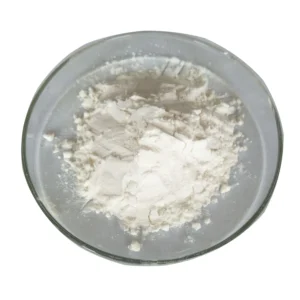
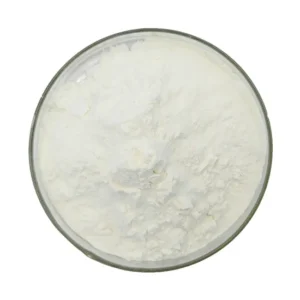
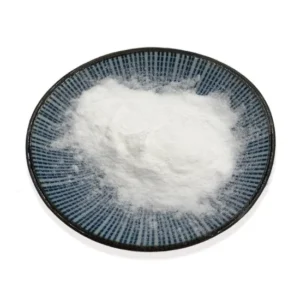
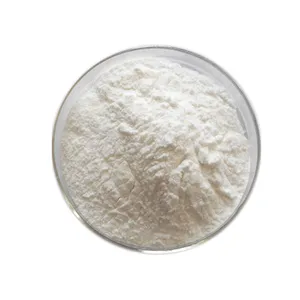
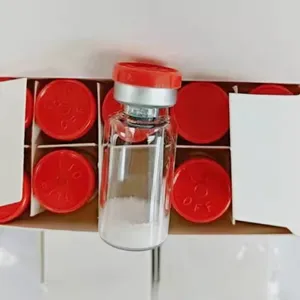
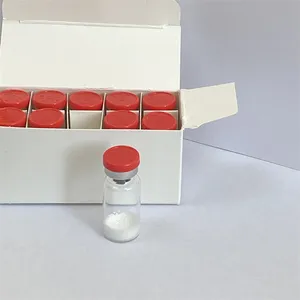
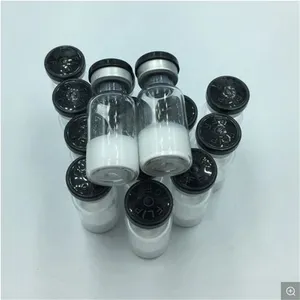
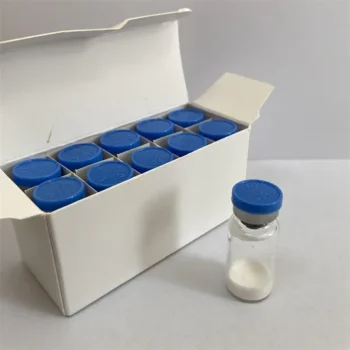
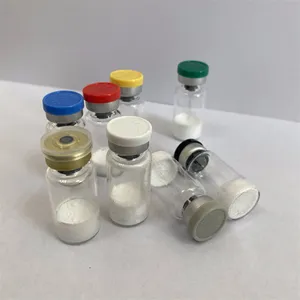
| Appearance | White to off-white freeze-dried powder | Color variation reflects natural peptide dry-state characteristics. |
| Form | Lyophilized powder | Allows controlled reconstitution and flexible concentration preparation. |
| Storage Conditions | -20°C (lyophilized) | Ensures structural integrity and minimizes degradation over extended storage periods. |
| Reconstitution Solvents | Sterile water, buffer solutions, compatible aqueous systems | Selected based on downstream assay compatibility; always prepare fresh solutions. |
| Recommended Working Concentrations | 0.1–5 mg/mL depending on assay | For in vitro biochemical and molecular studies only. |
| Stability (Lyophilized) | Stable ≥12 months under proper storage | Protect from moisture and light to preserve peptide structure. |
| Stability (Reconstituted) | Use within 24–48 hours at 4°C | Avoid repeated freeze–thaw cycles to maintain activity. |
| Packaging Options | 1 mg, 5 mg, 10 mg, 50 mg, bulk packages | Bulk and factory-direct customization available for high-volume research labs. |
| Analytical Validation | HPLC, MS | Each batch undergoes chromatographic and spectral verification. |
| Endotoxin Level | <1 EU/mg | Ensures suitability for sensitive biochemical assays. |
| Solubility Profile | Soluble in water-based systems and selected buffers | Exhibits predictable solvation behavior under standard laboratory conditions. |
| Manufacturing Type | Factory manufactured, wholesale available | Ideal for distributors, research institutions, and peptide-screening facilities. |
| Intended Use | For laboratory research only | Not for human or veterinary use. No clinical or biological administration. |
Solubility and Concentration Recommendations
Use sterile, peptide-ready solvents.
Prepare fresh aliquots to avoid freeze–thaw degradation.
Record concentration and preparation details for reproducibility.
Mechanism of Action
Salmon Calcitonin (CAS 47931-85-1) exhibits a well-characterized molecular mechanism that supports its widespread use in biochemical, receptor-binding, and signaling pathway research. As a peptide ligand with strong affinity for the calcitonin receptor (CTR), Salmon Calcitonin enables controlled investigation of ligand–receptor interactions, receptor activation profiles, secondary messenger regulation, and downstream signaling dynamics under in vitro laboratory conditions. Its structural stability, defined disulfide-bonded conformation, and high receptor-binding selectivity make it valuable for mechanistic modeling, functional mapping, and receptor-specific assay development.
Receptor Engagement and Binding Characteristics
Salmon Calcitonin interacts primarily with the Class B G-protein-coupled calcitonin receptor, enabling researchers to examine ligand-induced receptor conformational shifts, binding kinetics, and structural selectivity. The peptide’s conformation promotes high-affinity association with the receptor’s extracellular domain, making it an excellent model compound for studies involving molecular docking, ligand–receptor structural comparison, competitive inhibition design, and GPCR-ligand specificity research frameworks.
Activation of G-Protein Signaling Pathways
Upon receptor engagement, Salmon Calcitonin promotes activation of Gαs-mediated signaling cascades, resulting in controlled modulation of intracellular second messengers. These processes allow laboratories to study:
cAMP production dynamics
G-protein regulatory loops
Peptide-triggered modulation of downstream effector proteins
Because the peptide exhibits strong biochemical stability, it enables high reproducibility in comparative signaling experiments and pathway-mapping studies.
Regulation of Intracellular Pathway Nodes
Researchers often utilize Salmon Calcitonin to explore intracellular processes connected to CTR activation, including:
PKA-associated signaling nodes
CRE-dependent transcriptional regulatory elements
Peptide-modulated phosphorylation patterns
These mechanisms support studies that investigate cross-pathway interactions, signal amplification profiles, and timing-dependent molecular responses under controlled experimental conditions.
Conformational and Structural Mechanistic Insights
The structural arrangement of Salmon Calcitonin—including its characteristic disulfide-linked loop—plays a key role in receptor recognition. This feature makes it suitable for:
NMR and spectroscopy-based conformation studies
Peptide-folding analysis
Structural comparison among calcitonin analogs
Computational modeling of ligand–GPCR interfaces
Its predictable folding pattern provides a reference standard for laboratories investigating peptide bio-structures and structure–activity relationships.
Utility in Analytical and Biophysical Mechanism Research
Salmon Calcitonin is frequently used as a benchmark in analytical method development, particularly in:
HPLC retention modeling
Mass spectrometry fragmentation pattern mapping
Fluorescence-based peptide quantification
Biophysical interaction profiling with membranes or assay substrates
These mechanistic applications make the peptide a reliable standard for validating assay sensitivity, selectivity, and analytical reproducibility.
Summary of Mechanistic Value in Research
Overall, Salmon Calcitonin’s mechanism of action centers on controlled CTR activation, well-defined GPCR signaling patterns, and reproducible molecular behaviors suitable for in vitro investigations. Its consistent performance, strong receptor affinity, and structural reliability make it ideal for laboratories conducting peptide–receptor interaction research, mechanistic modeling, and biochemical signaling studies. This mechanistic clarity, coupled with high-purity manufacturing, supports its role as a dependable peptide standard for advanced molecular and analytical workflows.

Applications
Salmon Calcitonin supports diverse laboratory uses:
Biochemical & Structural Studies
Peptide–receptor binding assays
Intracellular signaling mapping
Protein–ligand SAR exploration
Analytical Chemistry
HPLC/LC-MS method development
Peptide purity benchmark controls
Calibration standard in quantitation studies
Computational Research
Protein–peptide docking
Structural modeling
Multi-parameter optimization in ligand design
Research Models
Salmon Calcitonin (CAS 47931-85-1) is widely incorporated into a variety of in vitro, biochemical, and analytical research models designed to explore peptide–receptor interactions, intracellular signaling behavior, structural dynamics, and peptide-responsive regulatory networks. Owing to its high purity, consistent activity profile, and well-characterized receptor affinity, it serves as a dependable reference peptide across assay platforms requiring precise molecular inputs and repeatable experimental conditions. The following research model categories illustrate the diverse ways in which Salmon Calcitonin is applied in controlled laboratory environments.
1. Receptor-Binding and GPCR Characterization Models
Salmon Calcitonin is routinely utilized as a model ligand for studying calcitonin receptor (CTR) binding affinity, structural selectivity, and receptor activation mechanics. These models include:
Ligand–receptor affinity profiling
Receptor conformational mapping using spectroscopy or computational docking
Comparative ligand-binding assessments for analog screening
Such models help researchers understand CTR-binding domains, evaluate binding pocket accessibility, and characterize structure–function relationships.
2. Intracellular Signaling Pathway Models
In vitro signaling systems incorporating Salmon Calcitonin are used to evaluate downstream molecular responses triggered by CTR engagement. These models allow researchers to measure:
cAMP accumulation patterns
G-protein regulatory behavior
Phosphorylation events linked to signaling cascades
Such controlled frameworks are ideal for examining timing-dependent molecular responses, pathway modulation, and signal amplification under strictly regulated laboratory conditions.
3. Structural Biology and Conformational Dynamics Models
Due to its defined disulfide-bonded conformation and predictable folding behavior, Salmon Calcitonin serves as an exemplary peptide substrate in structural analysis systems, including:
Circular dichroism (CD) spectroscopy
NMR structure assessments
Fourier-transform infrared (FTIR) peptide profiling
Computational peptide-folding simulations
These models support investigations into peptide stability, conformational transitions, and comparative folding behavior across peptide families.
4. Biochemical Interaction and Peptide–Material Interface Models
Salmon Calcitonin is used in controlled assays designed to study peptide interactions with membranes, substrates, and engineered materials. Examples include:
Peptide adsorption studies
Surface-binding affinity tests
Membrane–peptide interaction modeling
Biophysical interaction assays using fluorescence or label-free detection
These models assist in examining physicochemical behavior, interface stability, and interaction kinetics.
5. Analytical Method Development and Validation Models
Because of its stable structure and reproducible fragmentation patterns, Salmon Calcitonin is frequently selected as a calibration or performance-check peptide in analytical method development. It plays a role in:
HPLC retention time modeling
Method robustness testing
Mass spectrometry fragment verification
Detection limit and quantification threshold assessments
Such models are essential for optimizing laboratory workflows that depend on high-purity standards.
6. Peptide Comparison and Analog Screening Models
Salmon Calcitonin is incorporated into frameworks evaluating structural, functional, or biochemical differences among peptide analogs. These include:
Comparative receptor-binding screens
Functional performance benchmarking
Structural substituent evaluation models
These controlled comparison models facilitate high-throughput screening and peptide library characterization.
calcitonin salmon raw material
Experimental Design Considerations
Careful experimental design is essential when using Salmon Calcitonin (CAS 47931-85-1) as a research reagent. The recommendations below focus exclusively on controlled in vitro, biochemical, analytical, and computational workflows to maximize reproducibility, data quality, and safety while avoiding any biological exposure contexts.
Define Clear Objectives and Endpoints
Specify primary and secondary endpoints before beginning (e.g., receptor affinity, cAMP kinetics, structural stability, MS detection limits).
Match assay format to the endpoint: ligand–receptor affinity assays for binding constants, real-time biosensor readouts for kinetic parameters, and mass-spectrometry workflows for identity/quantitation.
Pre-register expected dynamic ranges and limits of detection to guide sample preparation and instrument settings.
Concentration Range, Titration, and Working Solutions
Perform a pilot titration series to identify the linear response window for your assay. Typical starting working concentrations (for assay optimization) may range from low µg/mL to mg/mL levels depending on method sensitivity—adjust based on instrument response.
Prepare serial dilutions using peptide-compatible buffers; avoid extreme pH or organic solvent concentrations unless specifically required by the assay.
Use freshly prepared working solutions and restrict storage time of reconstituted material (see Product Specifications for stability guidance).
Controls, Replication, and Statistical Power
Include negative controls (buffer only), matrix controls (buffer plus matrix components), and positive/benchmark controls when available. A reference peptide standard (e.g., a validated lot of Salmon Calcitonin) improves cross-run comparability.
Use technical replicates (≥3) for assay precision and biological-model replicates where appropriate (interpret only within in vitro contexts).
Estimate sample sizes based on expected effect size and assay variability; perform power calculations during planning to ensure statistical robustness.
Reconstitution, Handling, and Aliquoting Best Practices
Reconstitute lyophilized Salmon Calcitonin under aseptic, low-disturbance conditions using the recommended solvent. Mix gently; avoid vigorous vortexing that may promote aggregation.
Aliquot reconstituted solutions into single-use volumes to prevent repeated freeze–thaw and reduce degradation risk. Label aliquots with concentration, solvent, date, and lot number.
Use low-binding tubes and pipette tips where adsorption may bias concentration measurements.
Buffer Selection and Matrix Considerations
Choose buffers that maintain peptide structural integrity (neutral pH buffers such as PBS or HEPES are often appropriate). Validate buffer compatibility for assays involving enzymatic steps or detection chemistries.
Evaluate potential matrix effects (salts, proteins, detergents) that can alter chromatographic retention, ionization efficiency in MS, or receptor interaction profiles.
Analytical Validation and Calibration
Validate analytic methods (HPLC, LC-MS, spectrophotometry) for linearity, accuracy, precision, and recovery using Salmon Calcitonin reference material and spiked matrices.
Use internal standards where feasible to correct for extraction or instrument variability. Document retention times, fragmentation patterns, and calibration curves for traceability.
Data Quality, Documentation, and Traceability
Maintain detailed lab records: lot number, COA reference, reconstitution procedure, exact concentrations, instrument settings, and environmental conditions.
Implement version-controlled SOPs for preparation, assay execution, and analysis. Archive raw data and processed datasets for reproducibility and review.
Troubleshooting and Common Pitfalls
Low signal: verify peptide integrity via MS/HPLC and check for adsorption losses (use low-binding consumables).
High background/noise: evaluate buffer components, solvent purity, and possible carryover; include blank runs between samples.
Aggregation: optimize solvent composition, reduce concentration, and include gentle mixing; consider filtration where appropriate.
Safety, Compliance, and Ethical Considerations
Ensure all personnel are trained in safe handling, spill response, and waste disposal specific to peptide materials.
Confirm that experimental plans adhere to institutional policies and that work remains strictly within research-only, laboratory boundaries. Keep COA and safety documentation accessible.
calcitonin salmon raw material
Laboratory Safety & Handling Guidelines
Handling Salmon Calcitonin (CAS 47931-85-1) requires adherence to standard laboratory chemical-safety practices. Personnel should utilize appropriate PPE at all times, including gloves, lab coats, and protective eyewear. Avoid creating dust or aerosol when opening vials; handle the lyophilized powder in a controlled workspace such as a laminar-flow hood to minimize contamination or particulate dispersion.
Because peptides can be sensitive to moisture, ensure minimal exposure to humid conditions. Always keep the material in sealed containers and store at recommended temperatures. When preparing solutions, use certified laboratory-grade solvents and clearly label reconstituted aliquots with concentration and preparation dates. Limit exposure to non-ideal temperatures and prevent unnecessary agitation that may affect peptide stability.
In the event of accidental spills, dampen the area to prevent airborne particles and wipe with absorbent materials. Dispose of waste following chemical disposal regulations. Avoid vacuuming or sweeping dry powder. After handling, wash hands thoroughly, even if gloves were worn.
All equipment contacting the peptide should be cleaned using approved laboratory decontamination procedures. Use dedicated tools when possible to avoid cross-contamination.
This material is intended exclusively for controlled laboratory research, such as biochemical, analytical, or structural testing. It must not be used in any biological exposure setting. All experimental setups should incorporate safety controls consistent with institutional requirements.
Integration with Multi-Omic & Computational Studies
Proteomic quantification workflows
Structural informatics mapping
Molecular network modeling
Cross-omics pathway correlation
Peptide structural prediction systems
Keywords
Salmon Calcitonin, CAS 47931-85-1, high-purity peptide powder, freeze-dried peptide, factory-manufactured peptide, wholesale peptide, analytical peptide standard
Shipping Guarantee
Our Salmon Calcitonin is delivered using temperature-controlled logistics to preserve peptide integrity during transit. Packaging is tamper-proof and designed to maintain a dry, stable environment for the lyophilized powder. Global shipping coverage ensures that research laboratories worldwide can receive the material reliably and on schedule. Bulk packaging options are available for high-volume research applications, allowing efficient distribution and storage.
Trade Assurance
We offer factory-direct sourcing for Salmon Calcitonin, guaranteeing consistent quality and authentic high-purity peptide. Every batch comes with verified purity documents, including COA and HPLC/MS reports, to ensure transparency and reproducibility. Our stable supply chain supports continuous laboratory research projects, and OEM customization is available for institutional or commercial requirements.
Payment Support
Flexible payment options are provided to accommodate global research institutions and commercial buyers. Accepted methods include bank transfer, PayPal, and major credit cards, ensuring secure and convenient transactions. Corporate procurement channels are also supported to facilitate bulk or repeated orders, simplifying financial processing for large-scale research facilities.
Disclaimer
Salmon Calcitonin is intended exclusively for laboratory research purposes. It is not for human or veterinary use, and no clinical or therapeutic claims are implied. Researchers must handle this material in accordance with institutional safety protocols and regulatory guidelines, ensuring it is only applied in controlled in vitro or analytical workflows.
References
PubChem – Salmon Calcitonin
https://pubchem.ncbi.nlm.nih.gov/compound/Salmon-Calcitonin
Comprehensive chemical information including molecular formula, molecular weight, and physicochemical properties.NCBI Protein Database – Salmon Calcitonin
https://www.ncbi.nlm.nih.gov/protein/
Protein sequence and structural data for research-grade peptide studies and receptor interaction modeling.RCSB Protein Data Bank (PDB) – Calcitonin-Receptor Complexes
https://www.rcsb.org/
Structural insights for ligand–receptor docking, molecular dynamics, and GPCR modeling studies.ScienceDirect – Analytical Methods for Peptides
https://www.sciencedirect.com/
Articles detailing HPLC, LC-MS, and spectroscopy approaches applicable to Salmon Calcitonin research.Nature Protocols – Peptide Structural Analysis
https://www.nature.com/nprot/
Protocols for NMR, CD spectroscopy, and peptide conformational studies.Analytical Chemistry – Peptide Calibration and Standardization
https://pubs.acs.org/journal/ancham
Studies on analytical performance validation using high-purity peptide standards.Journal of Peptide Science – Structural and Functional Studies
https://onlinelibrary.wiley.com/journal/10991308
Research articles focused on peptide–receptor interaction assays and structural-functional characterization.Frontiers in Molecular Biosciences – GPCR-Peptide Interactions
https://www.frontiersin.org/journals/molecular-biosciences
Mechanistic studies and computational modeling of peptide-mediated receptor signaling.Journal of Chromatography B – Peptide Analytical Method Development
https://www.sciencedirect.com/journal/journal-of-chromatography-b
Reference for HPLC and LC-MS assay design using high-purity peptide materials.Protein & Peptide Letters – Calcitonin Analog Research
https://www.eurekaselect.com/journal/28

Additional information
| Weight | 1 kg |
|---|---|
| Dimensions | 26 × 23 × 26 cm |
1. What is Salmon Calcitonin?
Salmon Calcitonin is a high-purity research peptide (CAS 47931-85-1) used for receptor-binding studies, biochemical assays, and peptide structural investigations. It serves as a reliable standard for in vitro molecular research.
2. What applications is Salmon Calcitonin suitable for?
It is suitable for receptor affinity assays, structural modeling, analytical method development, and peptide interaction studies. Its high purity ensures consistent performance across laboratory experiments.
3. Is Salmon Calcitonin suitable for biological exposure?
No. This peptide is strictly for research purposes in controlled laboratory environments. It is not for human or veterinary use.
4. What purity level is provided for Salmon Calcitonin?
Each batch of Salmon Calcitonin is ≥98% pure, verified via HPLC and mass spectrometry to ensure consistent quality for research applications.
5. Are certificates of analysis (COA) provided?
Yes. Each lot comes with a detailed COA confirming purity, identity, and analytical validation data.
6. How is Salmon Calcitonin supplied?
The peptide is supplied as a freeze-dried, lyophilized powder for optimal stability and ease of handling. Bulk and OEM packaging options are available for high-volume research.
7. How should Salmon Calcitonin be stored?
Store lyophilized peptide at -20°C, dry, and protected from light. Avoid moisture and repeated freeze-thaw cycles to maintain structural integrity.
8. How should the peptide be reconstituted?
Use sterile water or compatible buffers for reconstitution. Prepare fresh working solutions for each experiment and aliquot to avoid repeated freeze-thaw cycles.
9. Are there special safety precautions?
Always handle the peptide with gloves, lab coat, and eye protection. Avoid inhalation of powder and use low-disturbance techniques in a controlled lab environment.
10. Can Salmon Calcitonin be used for receptor-binding studies?
Yes. It is commonly used as a model ligand for calcitonin receptor binding, affinity profiling, and GPCR interaction research.
11. Is it suitable for structural biology studies?
Yes. Its defined disulfide-bonded structure allows use in NMR, CD spectroscopy, FTIR, and computational folding simulations.
12. Can it be used for analytical method development?
Absolutely. Salmon Calcitonin is ideal for HPLC, LC-MS, and peptide quantification method validation, serving as a high-purity reference standard.
Related products
Cosmetic Peptide Raw Material Factory – Low Price Wholesale Direct from China
Cosmetic Peptide Appearance: Lyophilized powder Dose 2mg 5mg 10mg 15mg 20mg Higher Original price was: $42.00.$22.00Current price is: $22.00.Best Price with Peptides 10mg Vials – High-Purity Weight Loss Peptide in Stock with Safe Delivery
Weight Loss Peptide Moq: 10 vials per box Package: plastic or paper box Purity:99% Original price was: $36.00.$24.00Current price is: $24.00.USA Warehouse 99% IV Infusion Therapy Anti-Aging Injection Peptide for Weight Loss & Muscle Building
USA Warehouse 99% IV Infusion Therapy Anti-Aging Injection Peptide for Weight Loss & Muscle Building Original price was: $38.00.$23.00Current price is: $23.00.Wholesales Weight Loss Peptides Raw Powder CAS 129954-34-3 with Safe Delivery
$2.00Function Weight Loss Peptides Color White Purity 99%Over

Reviews
There are no reviews yet.