
No products in the cart.
Sale

Carboplatin | CAS 41575-94-4 | Platinum-Based Antineoplastic Agent for Cancer Research
Original price was: $6.00.$3.00Current price is: $3.00.
Carboplatin (CAS 41575-94-4) is a second-generation platinum-based chemotherapeutic compound widely used in oncology research. It exerts cytotoxic effects by forming DNA adducts that inhibit replication and transcription, leading to apoptosis in rapidly dividing cells. Due to its lower nephrotoxicity and improved safety profile compared to cisplatin, carboplatin is extensively used in experimental cancer models.
Description
Product Description
Carboplatin is a synthetic platinum coordination complex belonging to the class of alkylating-like agents that act through DNA crosslinking mechanisms. Structurally, it is the diammine(1,1-cyclobutanedicarboxylato)platinum(II) complex, designed to provide a more stable, less reactive, and better-tolerated alternative to cisplatin. Its development in the 1980s marked a significant milestone in platinum-based chemotherapy research, offering improved safety profiles with comparable antitumor efficacy.
In scientific research, Carboplatin is extensively used as a reference compound for mechanistic studies on DNA damage, repair signaling, apoptosis, and oxidative stress responses in malignant cells. Researchers often employ Carboplatin to explore resistance mechanisms in tumor models, particularly in ovarian, lung, breast, and head and neck cancers. It also serves as a benchmark compound in evaluating new platinum analogs, nanoparticle-based delivery systems, and combination regimens with DNA repair inhibitors or immunotherapeutic agents.
The unique chemical structure of Carboplatin confers distinct pharmacokinetic properties. Its slower aquation rate compared to cisplatin reduces the formation of reactive intermediates in plasma, thereby minimizing nephrotoxicity and ototoxicity. In research, this property allows scientists to study sustained DNA-platinum interactions, controlled release kinetics, and the time-dependent cytotoxic profiles in various cell lines.
Beyond oncology research, Carboplatin is increasingly explored for its broader biochemical implications. Investigations into platinum-induced cellular senescence, mitochondrial dysfunction, and transcriptional modulation continue to expand understanding of drug-induced stress pathways. Researchers use it to probe the crosstalk between DNA damage and immune response activation, including the upregulation of interferon-stimulated genes and immunogenic cell death markers.
At the molecular level, Carboplatin acts by forming covalent adducts with purine bases in DNA, primarily at N7 of guanine and adenine residues, resulting in intra- and interstrand crosslinks. These lesions disrupt the DNA double helix, inhibit replication and transcription, and trigger cell cycle arrest and programmed cell death. The cellular response to Carboplatin involves a cascade of DNA damage sensors, including ATR, ATM, and p53, leading to apoptosis, autophagy, or cellular senescence depending on the genetic background of the studied model.
In the field of analytical chemistry, Carboplatin is used as a calibration standard and reference material in mass spectrometry and HPLC studies of platinum complexes. Its quantification and stability testing provide insight into formulation development and degradation kinetics under different environmental conditions.
Overall, Carboplatin serves as a cornerstone molecule in experimental oncology and molecular toxicology. Its well-characterized mechanism, predictable pharmacodynamics, and reproducible cytotoxicity profiles make it a reliable and indispensable tool for laboratory research on DNA-damaging agents and anticancer drug development.
Product Specifications
| Property | Description |
|---|---|
| Product Name | Carboplatin |
| CAS Number | 41575-94-4 |
| Synonyms | Diammine(cyclobutane-1,1-dicarboxylato)platinum(II), JM-8 |
| Molecular Formula | C6H12N2O4Pt |
| Molecular Weight | 371.25 g/mol |
| Appearance | White to off-white crystalline powder |
| Purity | ≥99% |
| Solubility | Soluble in water, slightly soluble in ethanol |
| Storage Conditions | Store at -20°C, protected from light and moisture |
| Stability | Stable under recommended conditions; hydrolyzes slowly in aqueous media |
| Category | Platinum-based antineoplastic agent |
| Applications | Oncology research, DNA damage studies, apoptosis and resistance mechanism research |
| Research Area | Cancer biology, pharmacology, molecular oncology, toxicology |
| Supplier Type | Global peptide and compound manufacturer |
| Intended Use | For laboratory research use only |
| Language | English |
Mechanism of Action
Carboplatin’s mechanism of action revolves around its ability to form covalent adducts with DNA. Upon entering cells, it undergoes slow hydrolysis of its cyclobutanedicarboxylate ligand, producing reactive platinum species capable of binding to nucleophilic sites on DNA. These platinum-DNA adducts primarily involve the N7 position of guanine, resulting in intra- and interstrand crosslinks that distort the helical structure of DNA. Such distortion prevents replication and transcription, activating DNA damage response pathways.
Unlike cisplatin, which rapidly hydrolyzes and binds DNA aggressively, Carboplatin’s slower activation rate leads to prolonged and more controlled cytotoxic exposure. This feature makes it an excellent model for studying time-dependent DNA repair dynamics and cellular adaptation under chronic genotoxic stress. The delayed aquation also influences the type and frequency of DNA adducts, favoring more stable crosslinks with lower reactivity toward non-target biomolecules.
Carboplatin-induced DNA damage activates several signal transduction cascades. The ATR-CHK1 and ATM-CHK2 pathways detect stalled replication forks and double-strand breaks, leading to phosphorylation of p53 and subsequent transcriptional activation of pro-apoptotic genes such as BAX and PUMA. This process culminates in mitochondrial outer membrane permeabilization, cytochrome c release, and caspase cascade activation. Researchers exploit these mechanisms to study programmed cell death and the balance between apoptosis and necroptosis in tumor cell populations.
Another key area of interest is Carboplatin’s role in oxidative stress. Platinum compounds can alter mitochondrial function and electron transport chain activity, generating reactive oxygen species (ROS) that further amplify DNA and lipid damage. These oxidative responses are central to ongoing investigations into redox modulation, antioxidant defense mechanisms, and cellular metabolism in cancer cells exposed to platinum drugs.
Resistance to Carboplatin remains a critical research subject. Multiple studies have shown that increased DNA repair capacity, particularly via nucleotide excision repair (NER) and mismatch repair (MMR), contributes to reduced sensitivity. Additionally, elevated expression of glutathione and metallothioneins can neutralize reactive platinum species, while altered drug uptake and efflux mechanisms, involving copper transporters such as CTR1 and ATP7B, modulate intracellular drug concentrations. Research into overcoming these resistance mechanisms has inspired the design of combination therapies involving Carboplatin with PARP inhibitors, histone deacetylase inhibitors, and checkpoint kinase modulators.
Furthermore, Carboplatin is a valuable model for immunogenic cell death (ICD) research. It induces release of danger-associated molecular patterns (DAMPs), such as HMGB1 and calreticulin, which can activate dendritic cells and promote antitumor immune responses. This immunomodulatory potential continues to be explored in preclinical studies integrating platinum compounds with immune checkpoint blockade.
Side Effects
In laboratory and animal research models, Carboplatin exhibits a range of dose-dependent cytotoxic effects related to its DNA binding and oxidative stress properties. While it demonstrates reduced nephrotoxicity and neurotoxicity compared to cisplatin, several adverse cellular responses remain relevant for toxicity assessment.
Hematologic toxicity is among the most studied effects of Carboplatin exposure. It causes myelosuppression, characterized by decreased proliferation of bone marrow progenitor cells, leading to reduced red blood cell, white blood cell, and platelet counts. In experimental systems, this hematologic suppression is used to evaluate drug safety thresholds, bone marrow regeneration, and protective interventions using growth factors or antioxidants.
Renal and hepatic effects are less severe than with cisplatin but still observed in high-dose or long-term exposure studies. Carboplatin can induce mild tubular damage and hepatic enzyme elevation, making it an ideal candidate for studying platinum compound detoxification and biotransformation pathways.
Ototoxicity and neurotoxicity are research-relevant endpoints. Platinum binding to neuronal mitochondrial DNA can lead to axonal degeneration and hearing loss models, allowing scientists to explore mitochondrial protective strategies and neuroregenerative therapeutics.
Oxidative stress and mitochondrial dysfunction are universal side effects of platinum compounds. Studies report increased ROS production, lipid peroxidation, and compromised mitochondrial membrane potential. These changes contribute to apoptosis or necrosis depending on the cellular antioxidant capacity, providing a framework for evaluating antioxidant co-therapies and stress adaptation mechanisms.
Genotoxic and mutagenic effects are another focal point of research. Carboplatin’s DNA crosslinking ability causes chromosomal aberrations and micronucleus formation in cultured cells. These features make it a standard reference for genotoxicity assays and a model for DNA repair enzyme characterization.
In conclusion, while Carboplatin’s reduced toxicity profile enhances its experimental versatility, its ability to induce oxidative, hematologic, and genotoxic stress remains central to research applications in toxicology, pharmacology, and oncology.
Keywords
Carboplatin; CAS 41575-94-4; platinum complex; antineoplastic agent; DNA crosslinker; apoptosis; oxidative stress; cancer research; chemoresistance; cell cycle arrest; research peptide manufacturer; China peptide factory; OEM peptide production; bulk peptide powder; high purity compound; research reagent supplier.
Shipping Guarantee
All Carboplatin shipments are handled using validated cold-chain logistics to preserve compound integrity. Each package is sealed in moisture-proof containers with secondary protective wrapping and continuous temperature monitoring. Products are shipped via express international couriers with full tracking and insurance coverage.
Trade Assurance
We Carboplatin ensure product authenticity, verified ≥99% purity, and compliance with analytical standards (HPLC, MS, and NMR). Each batch is supplied with a Certificate of Analysis (CoA). Our trade assurance policy guarantees replacement or refund for any deviation from listed specifications.
Payment Support
We Carboplatin provide flexible and secure global payment options to support international research transactions. Accepted payment methods include PayPal, major credit cards (Visa, MasterCard, American Express), telegraphic transfer (T/T), and cryptocurrencies (USDT, Bitcoin, Ethereum). All transactions are protected by industry-standard encryption and verified payment gateways to ensure confidentiality and fund security.
Disclaimer
All Carboplatin products listed are intended for laboratory research use only and not for human or veterinary use. They are not drugs, medical devices, or diagnostics and should not be administered to humans or animals. Researchers must handle all materials in accordance with institutional biosafety and chemical safety guidelines. The information provided is for scientific reference only and does not imply therapeutic efficacy, safety, or regulatory approval.

Additional information
| Weight | 0.6 kg |
|---|---|
| Dimensions | 23 × 36 × 23 cm |
Q1: What is Carboplatin used for in research?
A: Carboplatin is used in laboratory research to study platinum-based chemotherapy mechanisms, DNA crosslinking, and cytotoxic effects on cancer cell lines.
Q2: What is the chemical purity of Carboplatin offered by your factory peptide supplier?
A: Our Carboplatin is provided at high purity (≥99%) and verified using HPLC, MS, and NMR analytical methods to ensure consistency for experimental use.
Q3: How should Carboplatin be stored in the lab?
A: Carboplatin should be stored at 2–8 °C, protected from moisture and light, to maintain stability and prevent degradation over time.
Q4: Can Carboplatin be used in combination with other platinum compounds for research?
A: Yes, researchers often combine Carboplatin with cisplatin or oxaliplatin to compare cytotoxicity, resistance mechanisms, and cellular response in preclinical studies.
Q5: What safety precautions are recommended for handling Carboplatin?
A: Standard laboratory PPE, including gloves, lab coat, and eye protection, should be used. Work in a fume hood to avoid inhalation and follow institutional chemical safety guidelines.
Q6: Is bulk Carboplatin available from your China peptide manufacturer?
A: Yes, we provide bulk quantities suitable for large-scale laboratory studies and preclinical research, with all batches documented for purity and traceability.
Q7: Does your OEM peptide production support customized Carboplatin formulations?
A: Yes, we offer OEM and contract manufacturing services for research-grade Carboplatin, supporting specific packaging, labeling, or formulation requirements.
Q8:Can Carboplatin be dissolved in water or other solvents for experiments?
A: Carboplatin is water-soluble and can be dissolved in sterile water or PBS for in vitro and cell culture studies. Avoid prolonged exposure to light and high temperatures.
Q9: How is Carboplatin quality verified before shipment?
A: Each batch is accompanied by a Certificate of Analysis (CoA), confirming ≥99% purity and compliance with analytical standards, ensuring reliable use in research.
Q10: What are common research applications of Carboplatin?
Applications include studying DNA crosslinking, apoptosis induction, tumor resistance mechanisms, and pharmacokinetic modeling in preclinical research.
Related products
Ivodazumab solution (lvonescimab) High Purity | Factory Manufactured
High-purity Ivodazumab Injection (lvonescimab) designed for laboratory research, in vitro mechanistic studies, and receptor-targeted molecular pathway analysis. Factory-manufactured with consistent quality for bulk and wholesale supply, this injectable formulation provides reliable antibody-mediated receptor modulation for mechanistic and multi-omic studies.
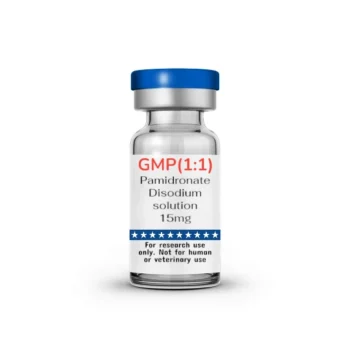
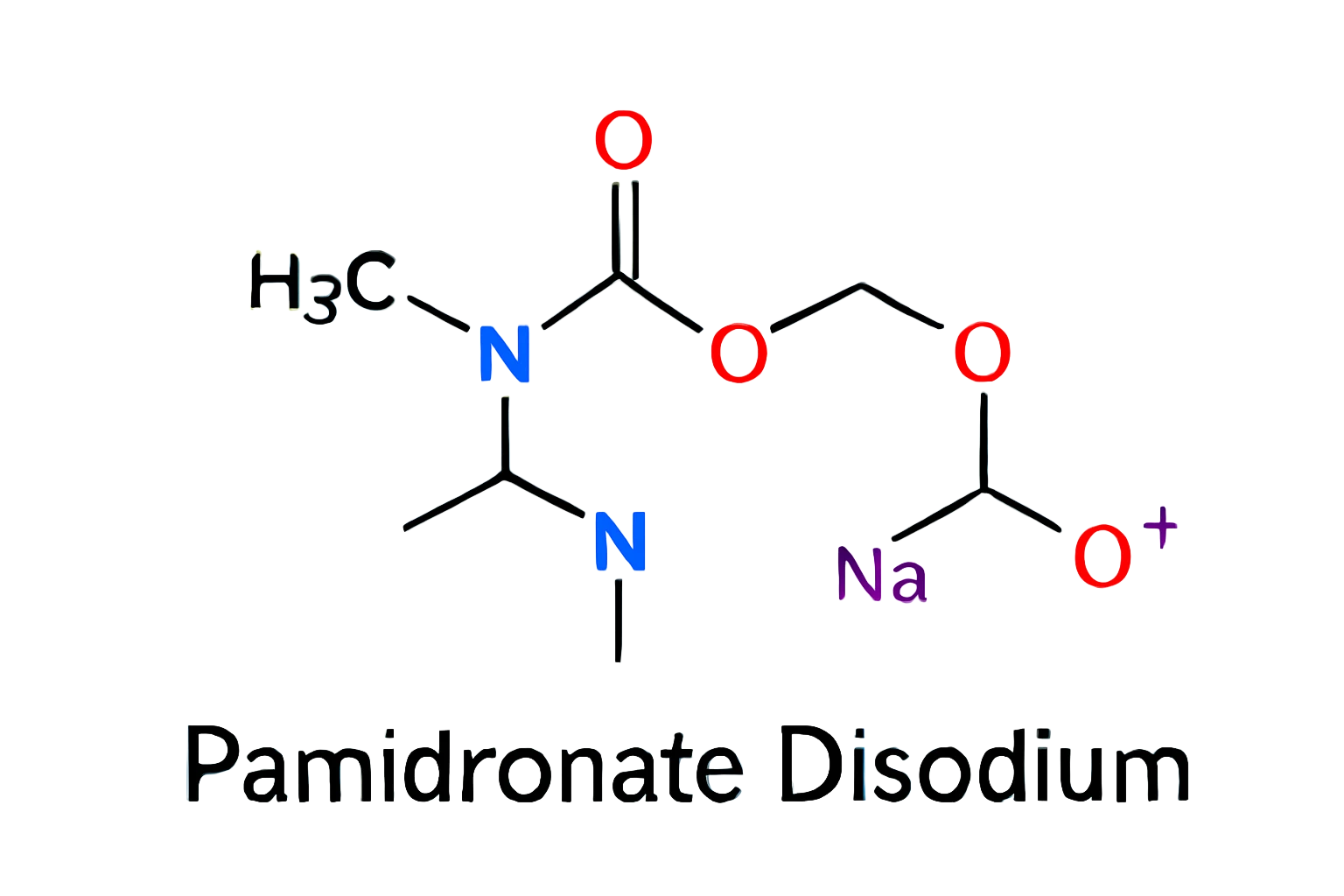
Original price was: $3.00.$2.00Current price is: $2.00.Pamidronate Disodium solution 15mg — Laboratory Research Grade Reagent
Pamidronate Disodium is a high-purity bisphosphonate reagent designed for in vitro mechanistic studies. It enables research into bone-related biochemical pathways, protein-ligand interactions, and molecular signaling mechanisms under controlled laboratory conditions. Supplied in a laboratory-ready format, it is ideal for mechanistic assays and protein interaction studies. Original price was: $6.00.$2.00Current price is: $2.00.Aprepitant 80mg | 99% High Purity | Laboratory Research Use Only
High-purity Aprepitant, factory-manufactured for in vitro mechanistic studies and molecular pathway research. Supplied as a stable powder for laboratories requiring bulk, wholesale, or customized research-grade supply. $1.00Elranatamab 76mg solution — Laboratory Research Grade Reagent
Elranatamab is a high-purity bispecific monoclonal antibody designed for in vitro studies of target engagement, molecular signaling, and cellular interaction mechanisms. It is intended exclusively for laboratory research, enabling precise mechanistic investigations in controlled experimental systems.
Original price was: $6.00.$3.00Current price is: $3.00.




Reviews
There are no reviews yet.