
No products in the cart.
Sale

Cargutocin (CAS 33605-67-3) | GMP Supplier & Manufacturer for Research Use
Original price was: $26.00.$22.00Current price is: $22.00.
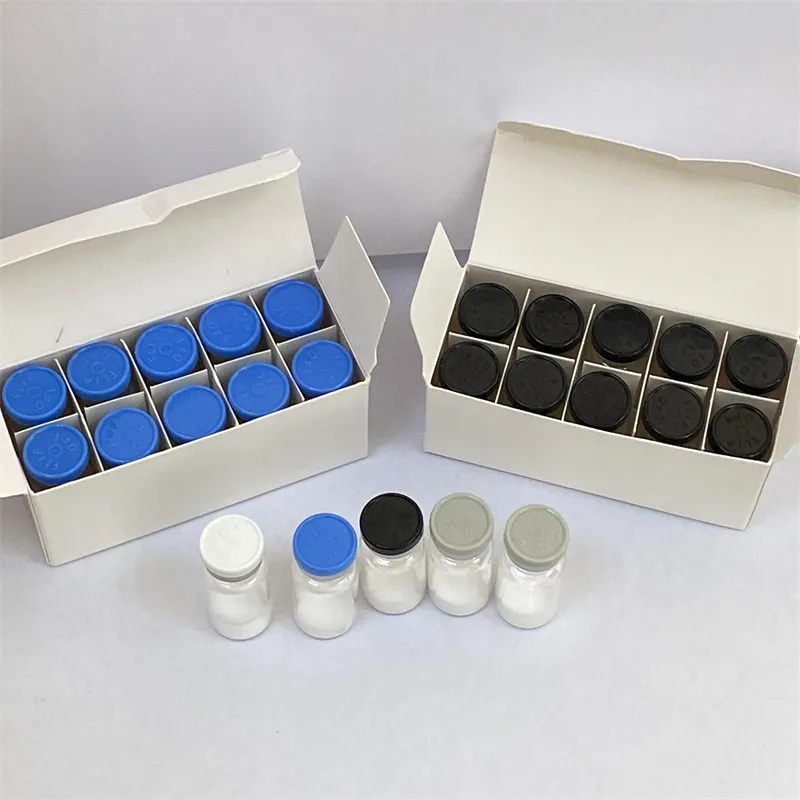
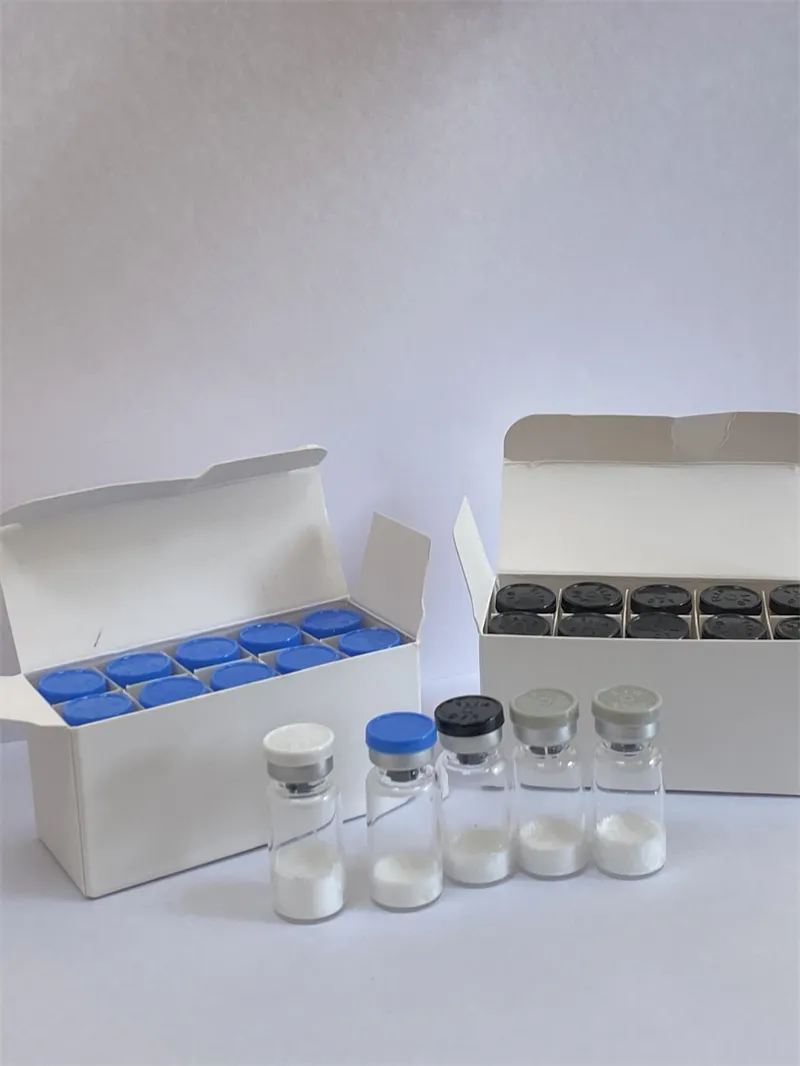
Cargutocin is a synthetic oxytocin analogue that binds to the oxytocin receptor and functions as a uterotonic agent. It is widely applied in research related to uterine physiology, receptor pharmacology, labor contraction mechanisms, and reproductive biology. Supplied under GMP-grade standards, suitable for both wholesale and retail research supply. For laboratory use only.
Description
Contents
hide
1. Product Description
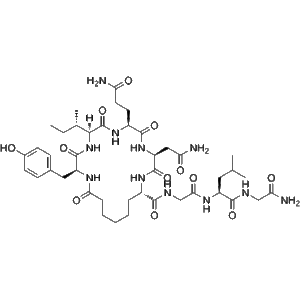
Cargutocin (CAS 33605-67-3) is a synthetic peptide analogue of oxytocin, designed to mimic and enhance the physiological effects of oxytocin on the uterus. Oxytocin, a well-characterized neuropeptide hormone, is known for its central role in labor induction, parturition, lactation, and reproductive behavior. By targeting the oxytocin receptor (OXTR), Cargutocin promotes sustained uterine smooth muscle contraction, making it a valuable tool in reproductive biology and obstetric pharmacology research.
Background
Oxytocin analogues have long been investigated for their ability to modulate uterine contractility and assist in the management of parturition and postpartum uterine tone. Unlike natural oxytocin, synthetic analogues such as Cargutocin exhibit enhanced stability, prolonged receptor activation, and improved resistance to enzymatic degradation, allowing more controlled research studies in both in vitro and in vivo experimental systems.
Scientific Relevance
Uterotonic Research: Cargutocin provides a stable model for studying oxytocin receptor activation and sustained uterine contraction.
Endocrinology & Reproductive Biology: Useful in experiments on hormonal regulation of parturition and postpartum uterine recovery.
Drug Discovery: Serves as a structural lead for the development of novel oxytocin analogues.
Comparative Pharmacology: Enables direct comparison of receptor binding affinities, efficacy, and signal transduction mechanisms relative to oxytocin.
Advantages in Research
Higher resistance to enzymatic breakdown than natural oxytocin.
Provides consistent uterotonic response in isolated tissue and whole-animal studies.
Useful for dose-response analysis in uterine receptor models.
Manufactured under GMP-grade conditions, ensuring reproducibility across laboratory settings.
2. Product Specifications
| Parameter | Details |
|---|---|
| Product Name | Cargutocin |
| Synonyms | Oxytocin analogue, uterotonic peptide |
| CAS Number | 33605-67-3 |
| Molecular Type | Synthetic peptide analogue of oxytocin |
| Molecular Formula | C??H??N??O??S? (approximate) |
| Molecular Weight | ~1007.2 Da |
| Appearance | White to off-white lyophilized powder |
| Purity | 98% (HPLC) |
| Solubility | Soluble in water, PBS, and aqueous buffers |
| Stability | Stable for 24 months in lyophilized form |
| Storage Conditions | Store at -20°C; protect from moisture and light; avoid repeated freeze-thaw |
| Target Receptor | Oxytocin receptor (OXTR) |
| Biological Activity | Uterotonic agent; induces sustained uterine smooth muscle contractions |
| Applications | Reproductive biology, uterine physiology, receptor pharmacology |
| GMP Compliance | Yes, manufactured under GMP standards |
| Availability | Wholesale & retail supply |
3. Mechanism of Action & Research Applications
Mechanism of Action
Cargutocin acts as a selective agonist of the oxytocin receptor, a G-protein coupled receptor (GPCR) expressed primarily in the uterus and mammary gland. Upon binding to OXTR:
Gq protein coupling activates phospholipase C (PLC).
PLC hydrolyzes PIP2 into IP3 and DAG.
IP3 triggers Ca²? release from the sarcoplasmic reticulum, elevating intracellular calcium levels.
Increased calcium interacts with calmodulin, stimulating myosin light-chain kinase (MLCK), leading to smooth muscle contraction.
The net effect is sustained uterine contraction, with greater potency and duration compared to natural oxytocin.
Research Applications
Uterine Physiology Research
Studying molecular mechanisms of labor induction.
Investigating postpartum uterine recovery dynamics.
Endocrine and Reproductive Biology
Exploring hormonal regulation of fertility, lactation, and maternal bonding.
Understanding oxytocin receptor signaling pathways.
Comparative Pharmacology
Comparing oxytocin analogues for receptor affinity, efficacy, and metabolic stability.
Determining dose-response curves across mammalian uterine tissues.
Pharmacodynamics & Pharmacokinetics
Analyzing half-life, bioavailability, and degradation resistance relative to oxytocin.
Translational Research Value
Provides insights for developing long-acting uterotonics.
Offers preclinical data for maternal health therapeutics.

4. Side Effects (Research Reference)
In preclinical and experimental research, the following effects may be observed:
Dose-Dependent Uterine Hyperstimulation: High concentrations can lead to prolonged uterine contractions.
Cardiovascular Effects: Potential transient changes in blood pressure or heart rate.
Electrolyte Shifts: High-dose analogues may influence fluid balance due to oxytocin’s antidiuretic-like properties.
Tissue Receptor Desensitization: Prolonged exposure may reduce receptor sensitivity over time.
Solvent-Related Effects: Dependent on formulation and administration route in experimental models.
These findings are reported in laboratory research models and are not indicative of clinical safety or efficacy.
5. Disclaimer
For laboratory research use only. Not for human or veterinary use.
6. Keywords
Cargutocin
Oxytocin analogue research peptide
Uterotonic agent peptide
Oxytocin receptor agonist
Reproductive biology peptide
Uterine contraction research
GMP supplier Cargutocin
Endocrinology research peptide
Laboratory use oxytocin analogue

Additional information
| Weight | 0.8 kg |
|---|---|
| Dimensions | 53 × 82 × 53 cm |
1 review for Cargutocin (CAS 33605-67-3) | GMP Supplier & Manufacturer for Research Use
What is Cargutocin?
A synthetic analogue of oxytocin used as a uterotonic agent in research.
What is its CAS number?
CAS No. 33605-67-3.
What receptor does it target?
The oxytocin receptor (OXTR).
How does it work?
By activating OXTR, leading to calcium-dependent uterine contractions.
What is its molecular weight?
~1007.2 Da.
Related products
Retatrutide | CAS 2381089-83-2 | Dual GLP-1/GIP/Glucagon Receptor Agonist
Retatrutide (CAS 2381089-83-2) is a high-purity research-grade peptide optimized for in vitro mechanistic studies. It supports investigations into signal transduction, receptor interactions, and molecular pathway modulation. Supplied as a lyophilized powder, it ensures stability and reproducibility for laboratory research applications. Original price was: $14.00.$12.00Current price is: $12.00.USA-Peptide-Janoshik Lyophilized Peptide Raw Powder for Muscle Building & Weight Loss
Lyophilized peptide raw powder Moq:10 vials per box Appearance:Lyophilized powder Original price was: $32.00.$24.00Current price is: $24.00.USA Warehouse 99% IV Infusion Therapy Anti-Aging Injection Peptide for Weight Loss & Muscle Building
USA Warehouse 99% IV Infusion Therapy Anti-Aging Injection Peptide for Weight Loss & Muscle Building Original price was: $38.00.$23.00Current price is: $23.00.Top Quality Peptides Lyophilized Powder – Reta Trutide Fitness and Weight Loss Peptide in Stock | Factory Wholesale
Peptides Function Weight Loss Peptides Moq:10 vials per box Original price was: $38.00.$22.00Current price is: $22.00.

lynthbrown –
The packaging showed attention to detail.