
No products in the cart.
Sale
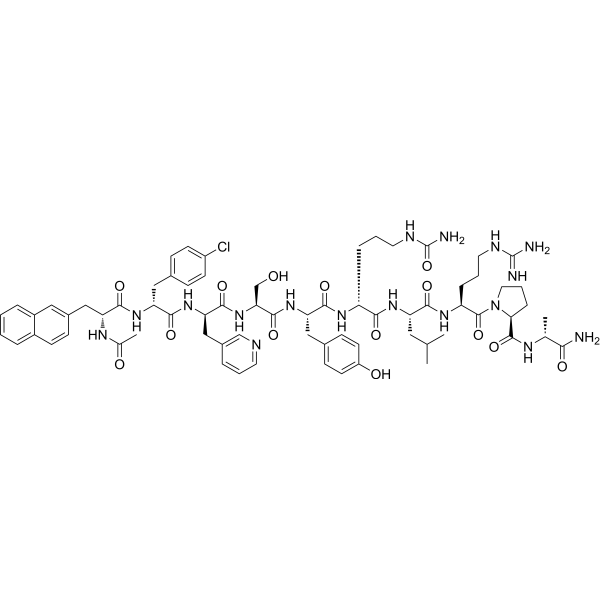
Cetrorelix – High Purity GnRH Antagonist for Research Use | GMP Supplier
Original price was: $21.00.$18.00Current price is: $18.00.
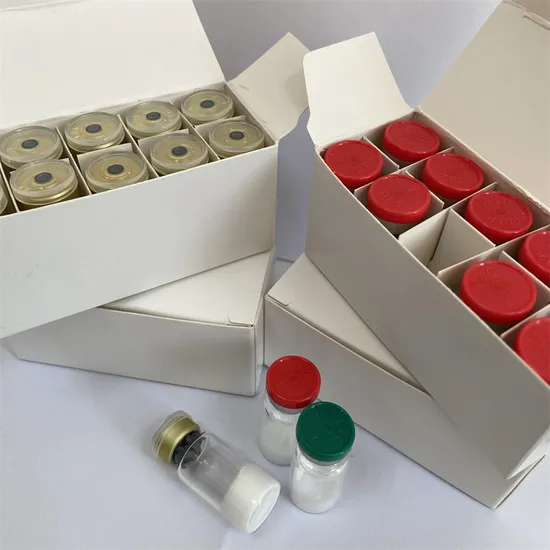
Cetrorelix (CAS 120287-85-6) is a selective GnRH antagonist that inhibits the luteinizing hormone surge during ovarian stimulation. Manufactured under GMP standards, available in bulk and retail quantities. For laboratory research use only.?If you need to place an order or inquire about wholesale product prices, specifications and uses, please contact our staff?
Description
Cetrorelix is a synthetic decapeptide and a potent gonadotrophin-releasing hormone (GnRH) antagonist. By selectively binding to GnRH receptors in the anterior pituitary gland, it blocks the endogenous secretion of luteinizing hormone (LH) and follicle-stimulating hormone (FSH). This mechanism enables precise control of ovulation timing in ovarian stimulation protocols, making it highly valuable for reproductive biology research.
In animal models, Cetrorelix has demonstrated protective effects on ovarian tissue, reducing the follicular damage induced by chemotherapeutic agents such as cyclophosphamide. Its ability to modulate gonadotropin release without causing an initial hormone surge, unlike GnRH agonists, provides a significant advantage for experimental protocols requiring tight hormonal control.
Beyond reproductive endocrinology, Cetrorelix has also been explored in hormone-dependent cancer research, particularly for prostate and breast cancer models, where the suppression of gonadotropin-stimulated pathways can provide insights into disease progression and potential therapeutic strategies.
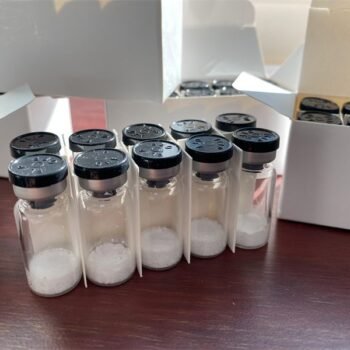
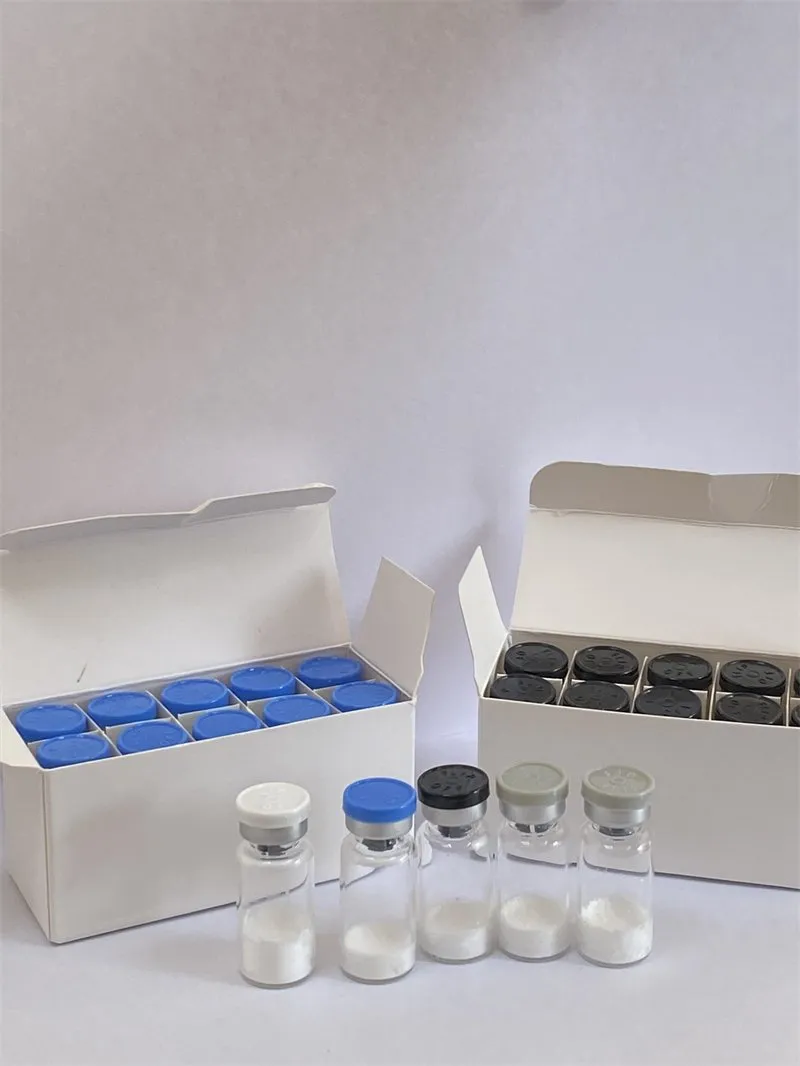
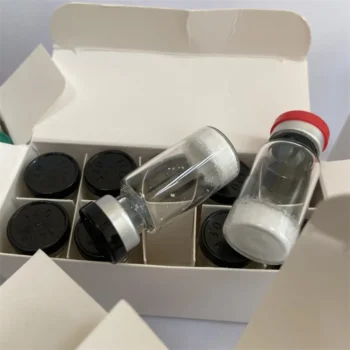
Produced under strict GMP guidelines, Cetrorelix supplied by our certified manufacturer offers high reproducibility and purity (?99%), ensuring reliable results in preclinical and laboratory experiments. The peptide is supplied in white to off-white powder form, suitable for research applications requiring precise dosing and formulation.
Product Specifications
| Parameter | Details |
|---|---|
| Product Name | Cetrorelix |
| Synonyms | Cetrorelix Acetate, Antarelix |
| CAS Number | 120287-85-6 |
| Molecular Formula | C70H92ClN17O14 |
| Molecular Weight | 1431.05 g/mol |
| Purity | ? 99% |
| Appearance | White to off-white powder |
| Form | Lyophilized powder |
| Standard | GMP Grade |
| Storage Conditions | -20°C, protected from light and moisture |
| Applications | Ovarian stimulation studies, fertility preservation, reproductive endocrinology, oncology research |
| Manufacturer | GMP Certified Supplier |
Mechanism of Action & Research Applications
Cetrorelix functions as a competitive antagonist of gonadotrophin-releasing hormone receptors in the anterior pituitary. By preventing the binding of endogenous GnRH, Cetrorelix effectively suppresses the secretion of LH and FSH. This blockade avoids the premature LH surge that can compromise controlled ovarian stimulation, a critical component of reproductive biology research.
In preclinical models, Cetrorelix has been employed to study:
Ovarian follicular development and maturation – allowing controlled ovulation for experimental purposes.
Chemotherapy-induced ovarian protection – reducing follicular apoptosis and preserving ovarian reserve.
Hormone-dependent cancers – evaluating the impact of gonadotropin suppression on tumor growth in prostate and breast cancer models.
Comparative endocrinology studies – analyzing hormonal regulation mechanisms across mammalian species.
Fertility and reproductive toxicity studies – supporting research on interventions to prevent reproductive tissue damage.
Its ability to precisely modulate endocrine pathways makes Cetrorelix a highly versatile compound for laboratory research across reproductive biology, oncology, and hormonal physiology fields.
Development & Research Background
Cetrorelix was developed in response to the limitations of earlier GnRH analogs, particularly agonists that cause an initial flare of gonadotropins before receptor downregulation. Unlike these, Cetrorelix provides immediate suppression of LH and FSH, offering researchers precise control over experimental conditions.
Clinical studies in humans informed the mechanistic understanding of Cetrorelix, but our supply is strictly for laboratory research. Extensive preclinical investigation has confirmed its efficacy in controlling gonadotropin surges and reducing follicular damage induced by cytotoxic drugs.
This peptide has become a cornerstone in experimental reproductive endocrinology. Its use in fertility preservation models has contributed to the development of strategies that mitigate ovarian toxicity in chemotherapy, while ongoing research explores its applications in hormone-dependent tumor studies and endocrine regulation models.
Side Effects (For Reference in Research Models Only)
In experimental studies, Cetrorelix administration has been associated with:
Temporary suppression of gonadotropin secretion
Hormonal imbalance effects depending on dosage and timing
Local injection-site irritation in animal models
Possible minor changes in ovarian morphology
These effects are context-dependent and should only be considered within laboratory research protocols.
Disclaimer
is supplied exclusively for laboratory research use. It is not intended for human or veterinary consumption, diagnostic purposes, or therapeutic applications.
Keywords
GnRH antagonist for research
Cetrorelix GMP supplier
Cetrorelix ovarian stimulation research
Buy Cetrorelix wholesale
Laboratory research peptide
Additional information
| Weight | 0.8 kg |
|---|---|
| Dimensions | 36 × 86 × 36 cm |
1 review for Cetrorelix – High Purity GnRH Antagonist for Research Use | GMP Supplier
Related products
USA Warehouse 99% IV Infusion Therapy Anti-Aging Injection Peptide for Weight Loss & Muscle Building
USA Warehouse 99% IV Infusion Therapy Anti-Aging Injection Peptide for Weight Loss & Muscle Building Original price was: $38.00.$23.00Current price is: $23.00.Best-Selling Weight Loss Peptide: Slimming Peptide Reta with Safe Delivery
Weight Loss Peptide Lab-Tested Purity (99%+) – Ensures maximum effectiveness Original price was: $56.00.$23.00Current price is: $23.00.Semaglutide Raw Material Factory: Low-Price Wholesale for High-Purity Peptides
Semaglutide Compound CID: 56843331 MF: C187H291N45O59Purity: 99%
Form: Lyophilized powder
Dosage Options: 5mg, 10mg, 15mg per vial
Packaging: Secure box packaging
Shelf Life: 2 years (store in a cool, dry place)
MOQ: 1 box
GLP-1/GIP/glucagon combination therapy The Future of Metabolic Treatment (Wholesale Supplier Guide)
GLP-1/GIP/glucagon combination therapy Original price was: $38.00.$23.00Current price is: $23.00.

bugrabacak –
Consistent quality and dependable service.