No products in the cart.
Sale

Cisplatin | Lyophilized | Platinum-Based DNA Crosslinker for Anticancer Research (Bulk Sale)
Original price was: $5.00.$2.00Current price is: $2.00.
Cisplatin is a platinum-based coordination complex extensively used in research as a DNA crosslinking agent. It forms covalent bonds with purine bases, leading to DNA damage and apoptosis. In preclinical and biochemical studies, it serves as a key model compound for investigating the molecular mechanisms of cytotoxicity, drug resistance, and metal–DNA interactions. Bulk quantities of high-purity Cisplatin are available for laboratory and industrial-scale research use.
Description
Product Description
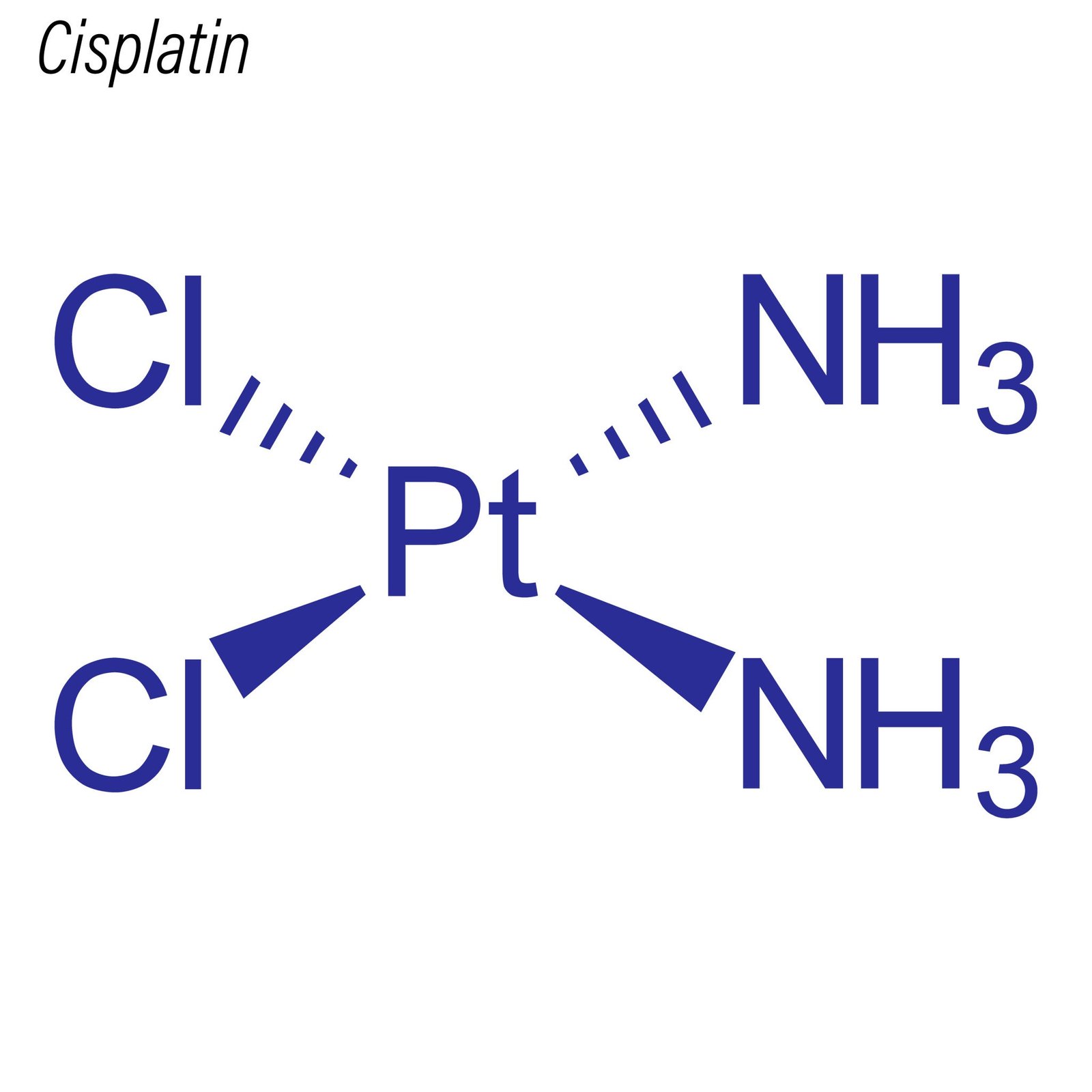
Cisplatin, chemically known as cis-diamminedichloroplatinum(II), is one of the most studied platinum-based coordination complexes in biomedical and biochemical research. Its unique structure enables it to form covalent adducts with DNA, disrupting replication and transcription processes and triggering cell cycle arrest and apoptosis.
In research applications, Cisplatin is widely used to model mechanisms of DNA damage, oxidative stress, cell death, and drug resistance. Its ability to form both intrastrand and interstrand crosslinks makes it a powerful tool in exploring nucleic acid chemistry and protein–DNA repair pathways.
From a mechanistic standpoint, the chloride ligands of Cisplatin undergo aquation under physiological conditions, forming reactive species capable of binding to N7 positions of guanine residues. This reaction leads to the formation of cisplatin–DNA adducts, which distort the DNA helix, inhibit polymerase activity, and activate p53-dependent apoptotic signaling cascades.
Cisplatin’s biological effects are highly dependent on its cellular uptake, aquation kinetics, and intracellular detoxification mechanisms, including conjugation with glutathione and metallothioneins. Laboratory researchers utilize this compound to study how cells respond to DNA lesions, oxidative imbalance, and stress-related signaling networks.
In addition, Cisplatin plays a major role in experimental combination therapy studies. It is often tested alongside radiation, reactive oxygen species modulators, or DNA repair inhibitors to investigate synergistic cytotoxic effects. These studies help elucidate how platinum-based agents interact with other molecular pathways.
Because of its well-defined chemical reactivity and predictable coordination chemistry, Cisplatin is also used in bioinorganic chemistry, metal–ligand interaction research, and analytical method validation.
We supply bulk-scale Cisplatin (≥99% purity), manufactured under strict quality control to support both academic laboratories and industrial research programs focused on oncology-related mechanistic exploration.
Product Specifications
| Item | Details |
|---|---|
| Product Name | Cisplatin |
| CAS Number | 15663-27-1 |
| Synonyms | cis-Diamminedichloroplatinum(II); CDDP; Platamine |
| Molecular Formula | Cl₂H₆N₂Pt |
| Molecular Weight | 300.05 g/mol |
| Purity | ≥99% |
| Appearance | Yellow to orange crystalline powder |
| Solubility | Soluble in DMF and DMSO; sparingly soluble in water |
| Storage Temperature | 2–8 °C |
| Category | Platinum coordination complex |
| Applications | DNA crosslinking studies, apoptosis induction, drug resistance research, bioinorganic chemistry |
| Formulation | Suitable for in vitro assays and chemical reaction models |
| Stability | Stable under dry, inert, refrigerated conditions |
| Shelf Life | 24 months |
| Supplier Type | Bulk research chemical and metal compound supplier |
| Intended Use | For laboratory research use only |
| Packaging Options | Available in gram to kilogram scale bulk packaging |
| Delivery Mode | Sealed moisture-proof metal container with cold-chain logistics |
Mechanism of Action
Cisplatin’s mechanism of action revolves around its DNA-binding and crosslinking ability, which induces cell cycle arrest and programmed cell death. Upon entering the cell, the chloride ligands of Cisplatin are displaced by water molecules in an aquation reaction, generating highly reactive cationic species.
These active intermediates form coordinate covalent bonds with nucleophilic sites on DNA, primarily the N7 atoms of guanine and adenine bases. The resulting intrastrand and interstrand DNA crosslinks distort the helical structure, inhibit DNA replication, and prevent transcription.
Cells detect these structural abnormalities through DNA damage recognition pathways, leading to the activation of p53, ATM/ATR kinases, and Chk1/Chk2 signaling cascades. Ultimately, this results in apoptosis via mitochondrial cytochrome c release and caspase activation.
Cisplatin also interacts with RNA and proteins, influencing post-transcriptional control and enzyme activity. Research indicates that its cytotoxic effect extends beyond DNA binding, involving oxidative stress induction, mitochondrial dysfunction, and interference with calcium signaling.
Drug Resistance Research:
Cisplatin-resistant models provide insight into mechanisms such as enhanced DNA repair, drug efflux, glutathione conjugation, and protein sequestration of platinum adducts. Understanding these pathways is essential in developing next-generation metal-based therapeutics and chemosensitizers.
Synergistic Studies:
Cisplatin is often combined in research with agents like etoposide, radiation, or PARP inhibitors to analyze synergistic cytotoxic effects. These models reveal how platinum-induced DNA lesions potentiate apoptosis when DNA repair is simultaneously impaired.

Side Effects
In experimental models, Cisplatin demonstrates dose-dependent cytotoxicity, primarily associated with its strong DNA binding affinity. At elevated concentrations, it can induce oxidative stress, mitochondrial dysfunction, and alterations in cell signaling.
Typical in vitro findings include changes in cell morphology, reactive oxygen species (ROS) elevation, and membrane integrity loss.
Researchers should handle Cisplatin under a fume hood with proper protective equipment due to its reactivity with biological molecules and its potential as a cytotoxic metal complex. It is strictly for laboratory use only, not for clinical or veterinary application.
Keywords
Cisplatin, CAS 15663-27-1, platinum coordination complex, DNA crosslinking agent, apoptosis research, metal–DNA interaction, oxidative stress model, cytotoxicity assay, anticancer mechanism study, high-purity bulk platinum compound, China research chemical supplier, OEM compound production, platinum-based drug resistance study.
Shipping Guarantee
All shipments are handled using validated cold-chain logistics to preserve compound stability. Each package is sealed in moisture-proof containers with secondary protective wrapping and continuous temperature monitoring. Products are shipped via express international couriers with full tracking and insurance coverage.
Trade Assurance
We ensure product authenticity, verified ≥99% purity, and compliance with analytical standards (HPLC, ICP-MS, and NMR). Each batch is supplied with a Certificate of Analysis (CoA). Our trade assurance policy guarantees replacement or refund for any deviation from listed specifications.
Payment Support
We provide flexible and secure global payment options to support international research transactions. Accepted payment methods include PayPal, major credit cards (Visa, MasterCard, American Express), telegraphic transfer (T/T), and cryptocurrencies (USDT, Bitcoin, Ethereum). All transactions are protected by industry-standard encryption and verified payment gateways to ensure confidentiality and fund security.
Disclaimer
All products listed are intended for laboratory research use only and not for human or veterinary use. They are not drugs, medical devices, or diagnostics and should not be administered to humans or animals. Researchers must handle all materials in accordance with institutional biosafety and chemical safety guidelines. The information provided is for scientific reference only and does not imply therapeutic efficacy, safety, or regulatory approval.

Additional information
| Weight | 1.1 kg |
|---|---|
| Dimensions | 18 × 16 × 18 cm |
What is Cisplatin mainly used for in research?
It is used to study DNA crosslinking, apoptosis induction, and platinum–nucleic acid interactions in preclinical and molecular biology experiments.
Do you offer Cisplatin in bulk quantity?
Yes, bulk-scale quantities (gram to kilogram) are available for research and industrial laboratory use.
What is the purity of your Cisplatin?
Our Cisplatin is ≥99% purity, verified through HPLC and ICP-MS analyses.
Can it be used in DNA repair studies?
Absolutely. It is a standard compound in nucleotide excision repair and replication-blocking assays.
Is Cisplatin soluble in water?
It is sparingly soluble in water but dissolves readily in DMSO and DMF.
What packaging options are available for bulk sales?
Secure, sealed, moisture-proof metal containers suitable for transport and long-term storage.
Do you provide OEM services?
Yes. We offer OEM and custom bulk manufacturing for research institutions and distributors.
Can I order directly from your China factory?
Yes, we support direct international orders with competitive pricing and express delivery.
What documents accompany each batch?
Each shipment includes a Certificate of Analysis (CoA) and full analytical documentation.
What safety measures should researchers observe?
Use gloves, protective clothing, and work under a ventilated fume hood. Avoid skin contact or inhalation.
What is the storage recommendation?
Store at 2–8 °C in a sealed, dry container protected from light.
Is your company a peptide factory or a chemical supplier?
We are a comprehensive research compound manufacturer specializing in both peptides and metal-based chemicals.
How can I ensure product authenticity?
Each batch undergoes multi-point verification and is traceable through internal production codes.
Can I request analytical data (HPLC, MS, NMR)?
Yes, complete analytical results are available upon request.
Do you offer discounts for bulk purchases?
Yes, we provide discounted pricing for bulk and institutional orders, ensuring cost-effective supply for large-scale research programs.
Related products
Ivodazumab solution (lvonescimab) High Purity | Factory Manufactured
High-purity Ivodazumab Injection (lvonescimab) designed for laboratory research, in vitro mechanistic studies, and receptor-targeted molecular pathway analysis. Factory-manufactured with consistent quality for bulk and wholesale supply, this injectable formulation provides reliable antibody-mediated receptor modulation for mechanistic and multi-omic studies.
Original price was: $3.00.$2.00Current price is: $2.00.Fulvestrant (Faslodex) 250mg — Laboratory Research Grade Reagent
Fulvestrant (Faslodex) is a high-purity steroidal compound for in vitro molecular mechanism studies, including nuclear receptor binding, transcriptional modulation, and protein interaction research. It is intended exclusively for laboratory research and mechanistic investigations, enabling controlled experimental analysis in biochemical and cellular assays. Original price was: $6.00.$2.00Current price is: $2.00.Temozolomide 100mg — Laboratory Research Grade Chemical
Temozolomide is a high-purity alkylating research compound widely used in in vitro molecular mechanism studies focusing on DNA methylation, damage response pathways, and cell cycle regulation. It is suitable for laboratory-based biochemical and mechanistic research applications only.
Original price was: $6.00.$3.00Current price is: $3.00.Doxorubicin Liposome Solution for scientific research
High-purity Doxorubicin Liposome Solution, factory-manufactured for in vitro molecular mechanism studies and biochemical pathway research. Supplied as a stable liposomal solution, ideal for laboratories requiring bulk, wholesale, or customized research-grade supply. Original price was: $10.00.$8.00Current price is: $8.00.


Reviews
There are no reviews yet.