
No products in the cart.
Sale
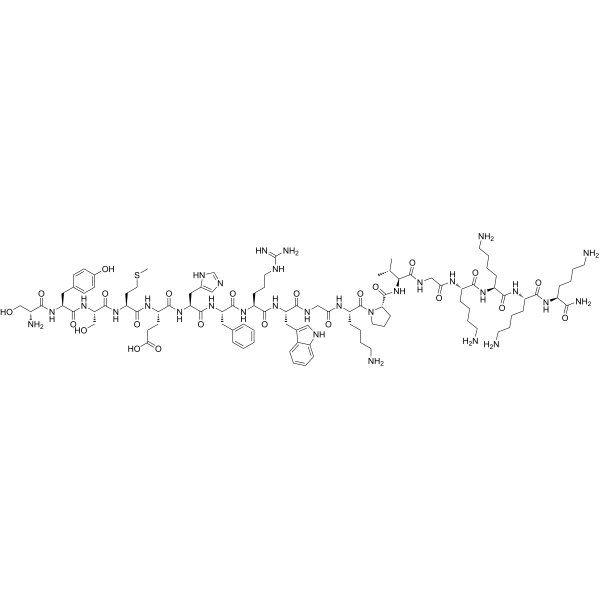
Codactide | CAS No. 22572-04-9
Original price was: $36.00.$25.00Current price is: $25.00.
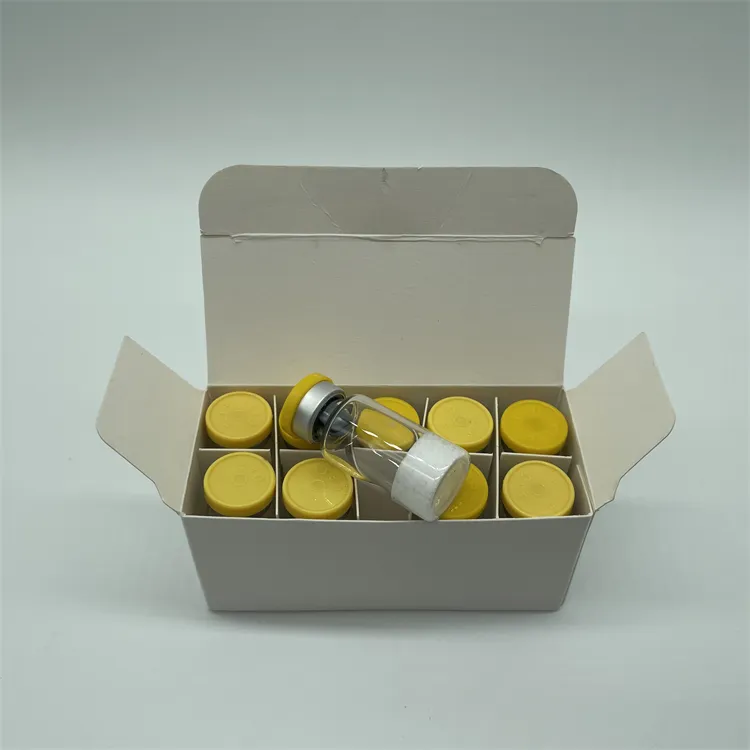
Codactide is a synthetic 18-amino acid peptide exhibiting corticotropin-like effects. It is widely used in research studying adrenal cortex stimulation, hormone regulation, and stress-related biochemical pathways. Codactide serves as a model compound for investigating ACTH receptor activity and endocrine system modulation.
Description
Product Description
Codactide, a synthetic octadecapeptide identified by CAS No. 22572-04-9, is structurally designed to mimic the biological activity of adrenocorticotropic hormone (ACTH). ACTH is a key hormone secreted by the anterior pituitary gland, responsible for stimulating the adrenal cortex to produce glucocorticoids, particularly cortisol, which regulates metabolism, immune responses, and stress adaptation.
As a research peptide, Codactide replicates the corticotropin-like activity of endogenous ACTH while offering higher chemical stability and reproducibility, making it ideal for in vitro assays, animal models, and endocrinological studies. The peptide’s synthetic nature ensures consistent potency and allows for precise dosing in laboratory experiments.
Codactide has been extensively utilized in endocrine research, including:
Adrenal cortex stimulation assays: Codactide binds to melanocortin 2 receptor (MC2R) on adrenal cells, activating cAMP signaling pathways to trigger cortisol synthesis.
Stress response studies: Researchers use Codactide to investigate HPA axis activation and cortisol-mediated physiological responses under stress conditions.
Immune modulation experiments: Through corticotropin-like effects, Codactide indirectly influences inflammatory pathways and immune cell behavior, making it a model peptide in immunoendocrinology.
Pharmacological research: Codactide serves as a reference peptide to study synthetic ACTH analogs, receptor agonists/antagonists, and peptide-drug interactions.
Compared to natural ACTH, Codactide provides improved stability, lower immunogenicity, and batch-to-batch consistency, which are crucial for reproducible experimental results. Its structure as an 18-amino acid peptide allows for easy synthesis, purification, and incorporation into a variety of laboratory models.
In addition, Codactide has contributed to preclinical research on adrenal insufficiency, demonstrating its potential to stimulate steroidogenesis in deficient models. Researchers can study receptor pharmacodynamics, downstream cAMP responses, and feedback regulation of the HPA axis using Codactide as a controlled experimental agent.
In summary, Codactide is a highly versatile synthetic peptide, bridging the gap between natural ACTH biology and controlled experimental research. Its corticotropin-like activity makes it indispensable for studies in endocrinology, adrenal physiology, stress response, and immune modulation.
Product Specifications
| Property | Details |
|---|---|
| Product Name | Codactide |
| Synonyms | Synthetic ACTH Octadecapeptide |
| CAS Number | 22572-04-9 |
| Molecular Formula | C<sub>88</sub>H<sub>135</sub>N<sub>25</sub>O<sub>23</sub>S |
| Molecular Weight | ~2145 g/mol |
| Compound Type | Synthetic peptide |
| Amino Acid Sequence | 18-mer peptide (specific sequence varies by manufacturer) |
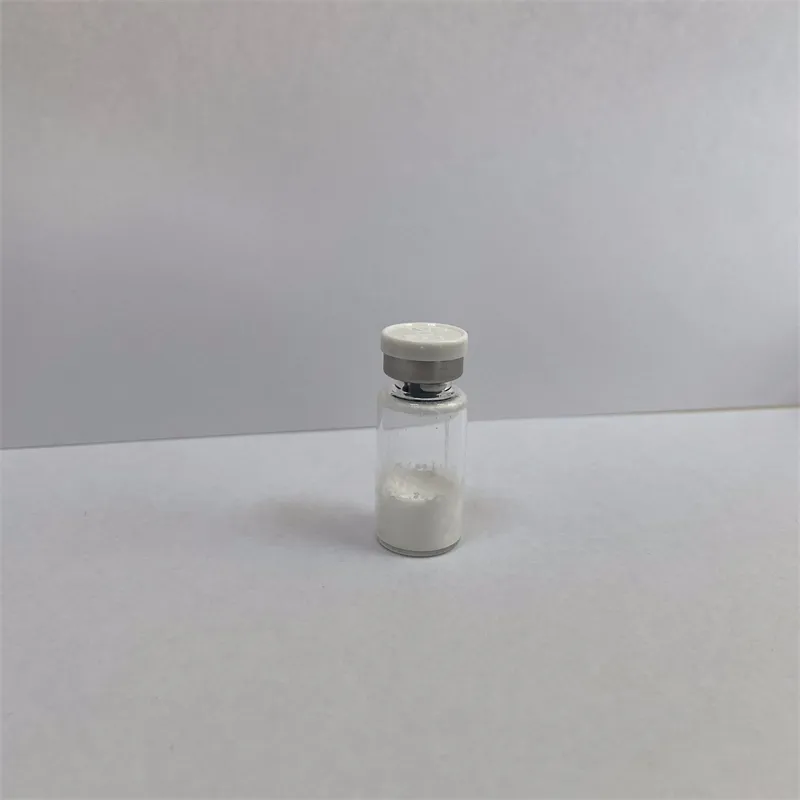
| Appearance | White to off-white lyophilized powder |
| Solubility | Soluble in water, PBS, or physiological buffers |
| Purity | ≥ 98% (HPLC) |
| Storage Conditions | -20°C, protected from light and moisture |
| Applications | Adrenal research, HPA axis studies, stress response models, pharmacological testing |
Extended Specification Notes
Molecular Weight & Structure: With a moderate molecular weight (~2145 g/mol), Codactide maintains peptide stability while preserving full biological activity.
Amino Acid Sequence: The octadecapeptide structure ensures specific binding to MC2R, the ACTH receptor, triggering downstream cAMP-dependent steroidogenesis.
Solubility & Handling: High water solubility facilitates in vitro and in vivo applications. Lyophilized form supports long-term storage and stability.
Purity: ≥98% ensures minimal contamination, essential for hormone assays and receptor studies.
Applications: Codactide is central in adrenal function research, stress physiology experiments, and pharmacological studies on corticotropin analogs.
Mechanism of Action
Codactide mimics endogenous adrenocorticotropic hormone (ACTH), primarily targeting the melanocortin 2 receptor (MC2R) expressed on adrenal cortex cells. Upon binding, the receptor activates the adenylate cyclase-cAMP pathway, leading to multiple downstream effects.
Key Mechanistic Steps
Receptor Binding: Codactide interacts selectively with MC2R, initiating conformational changes in the receptor structure.
cAMP Activation: The receptor-ligand complex stimulates adenylate cyclase, increasing intracellular cyclic AMP (cAMP) levels.
Protein Kinase A (PKA) Signaling: Elevated cAMP activates PKA, which phosphorylates key enzymes involved in steroidogenesis.
Cortisol Synthesis: Phosphorylation enhances transcription of steroidogenic enzymes, increasing production of glucocorticoids, predominantly cortisol.
Feedback Modulation: Elevated cortisol exerts negative feedback on the hypothalamic-pituitary-adrenal (HPA) axis, modulating ACTH release.
Physiological Implications
Metabolic Effects: Cortisol regulates glucose metabolism, protein catabolism, and lipid mobilization.
Immune Modulation: Corticotropin-like peptides influence immune cell activity, cytokine production, and inflammatory responses.
Stress Response: Codactide serves as a proxy for ACTH in studies investigating HPA axis dynamics under physiological or psychological stress.
Research Applications
Codactide is used to dissect:
Adrenal steroidogenic pathways
Receptor pharmacology (MC2R agonist studies)
Feedback regulation mechanisms of the HPA axis
Peptide analog design for therapeutic development
Its highly specific mechanism and synthetic stability make Codactide an ideal research tool for endocrine and stress physiology experiments.
Side Effects (Research Context)
Codactide is a research peptide, but preclinical studies highlight potential pharmacological effects:
Hypertension or transient blood pressure changes – due to increased cortisol levels, which can influence vascular tone.
Hyperglycemia – steroidogenesis can elevate blood glucose, particularly in experimental animal models.
Electrolyte alterations – cortisol can modulate sodium and potassium balance.
Immune modulation – excessive corticotropin-like activity may transiently suppress immune responses in vitro or in vivo.
Behavioral effects in animal models – alterations in stress response, anxiety, or locomotor activity may occur due to systemic cortisol elevation.
Research Interpretation: These effects are valuable for understanding hormone dynamics but underscore the importance of careful dosing and monitoring in experimental studies. should be used strictly according to lab protocols.
Disclaimer
This product is for laboratory research use only. Not intended for human or veterinary administration. Any references to physiological or pharmacological effects are strictly educational and not to be interpreted as therapeutic guidance.
Keywords
CAS 22572-04-9, synthetic octadecapeptide, corticotropin-like peptide, ACTH analog, adrenal research peptide, HPA axis research, cortisol synthesis model, endocrine study compound, stress response peptide.
Additional information
| Weight | 0.7 kg |
|---|---|
| Dimensions | 56 × 23 × 56 cm |
2 reviews for Codactide | CAS No. 22572-04-9
Related products
USA-Peptide-Janoshik Lyophilized Peptide Raw Powder for Muscle Building & Weight Loss
Lyophilized peptide raw powder Moq:10 vials per box Appearance:Lyophilized powder Original price was: $32.00.$24.00Current price is: $24.00.GLP-1 Retatrutide Weight Loss Slimming low price wholesale
GLP-1 peptide slimming product, 5mg 10mg 15mg vials, metabolic health- Application: Health Care Supplement
- Form: Disposable vials
- Dosages: 5mg, 10mg, 15mg
- Purity: >99%
Wholesale Cibinetide Peptide Sterile Solution
Cibinetide Sterile Solution is a synthetic, tissue-protective erythropoietin-derived peptide engineered for research use in inflammation, neuroprotection, and cellular stress-response models. Its high purity, GMP-compliant preparation, and ready-to-use sterile formulation make it ideal for laboratories requiring consistent, reproducible peptide performance in advanced mechanistic studies.(For research use only. Not for human or veterinary use) Original price was: $38.00.$22.00Current price is: $22.00.Best Price with Peptides 10mg Vials – High-Purity Weight Loss Peptide in Stock with Safe Delivery
Weight Loss Peptide Moq: 10 vials per box Package: plastic or paper box Purity:99% Original price was: $36.00.$24.00Current price is: $24.00.

mikolajmassowa –
Shipping and handling were done professionally.
Daisen –
I hope we can cooperate all time.