
No products in the cart.
Sale
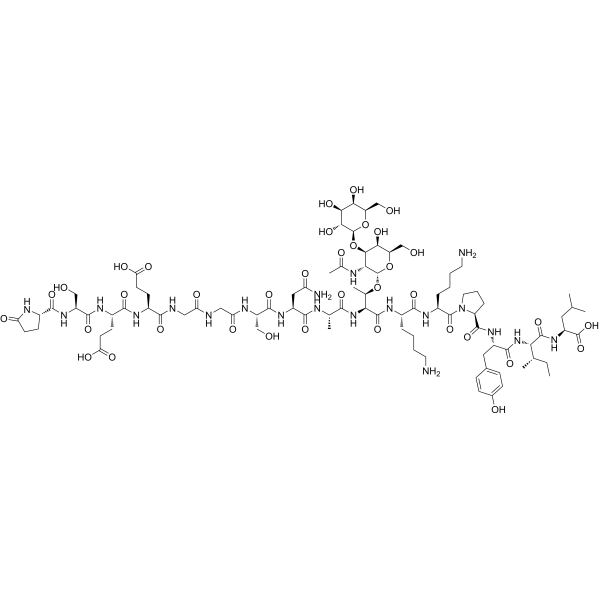
Contulakin G (CAS 229180-41-0) | GMP Supplier & Manufacturer
Original price was: $22.00.$18.00Current price is: $18.00.
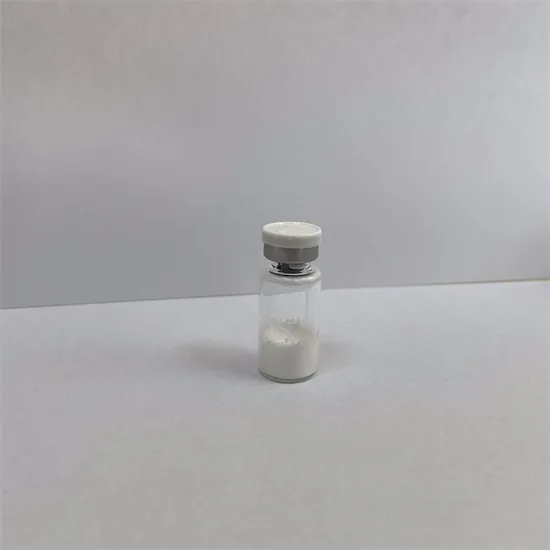
Contulakin G (CAS 229180-41-0) is a glycosylated neuropeptide that functions as a neurotensin receptor agonist with antinociceptive properties. It is widely used in preclinical studies exploring pain modulation, receptor pharmacology, and neuropeptide signaling. Manufactured under GMP conditions, Contulakin G is intended strictly for laboratory research use.(Please contact our staff to place an order or learn about product wholesale prices, specifications, uses and lists)
Description
Contents
hide
Product Description
Background
Contulakin G is an O-glycosylated invertebrate neurotensin peptide discovered in marine species. Unlike classical neurotensin, Contulakin G has reduced potency at the neurotensin receptor, making it a unique tool to study partial receptor agonism. Its antinociceptive effects have been demonstrated in multiple preclinical models, making it a valuable compound for pain research and neuropharmacology studies.
Chemical Nature and Structure
Type: Glycosylated neuropeptide
Sequence: Derived from invertebrate neurotensin homologs
Modification: O-linked glycosylation
Receptor Target: Neurotensin receptor (NTSR1)
The glycosylation increases stability and bioavailability in experimental models while reducing full receptor activation, allowing researchers to study receptor partial agonism in a controlled manner.
Research Significance
Contulakin G is essential for:
Pain and Analgesia Research: Provides antinociceptive effects without full receptor overstimulation.
Neurotensin Pathway Studies: Helps map receptor-ligand interactions and intracellular signaling.
Neuroscience Models: Useful in exploring CNS modulation, nociceptive pathways, and behavioral pharmacology.
Comparative Pharmacology: Allows comparison with mammalian neurotensin for translational studies.
Compared to other neurotensin peptides, Contulakin G provides enhanced selectivity, stability, and unique glycosylation-mediated receptor modulation, offering more nuanced preclinical insights.
Product Specifications
| Parameter | Details |
|---|---|
| Product Name | Contulakin G |
| CAS Number | 229180-41-0 |
| Synonyms | O-glycosylated neurotensin, Contulakin-G |
| Molecular Formula | Peptide-based, glycosylated (sequence available upon request) |
| Molecular Weight | ~2000–2200 Da (glycosylated form) |
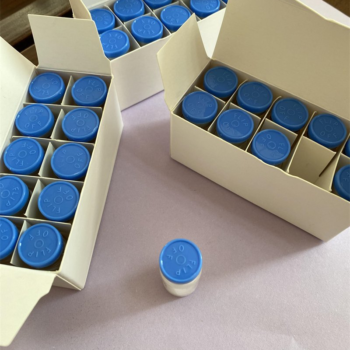
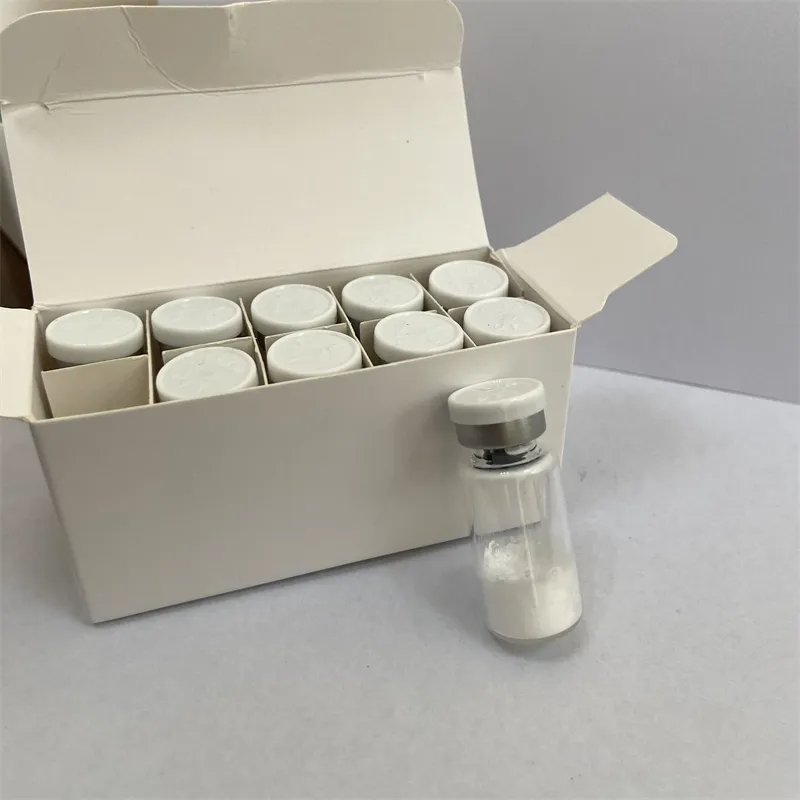
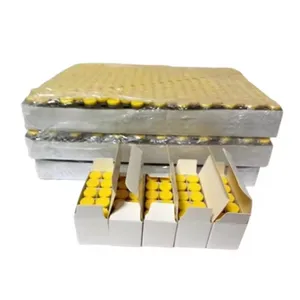
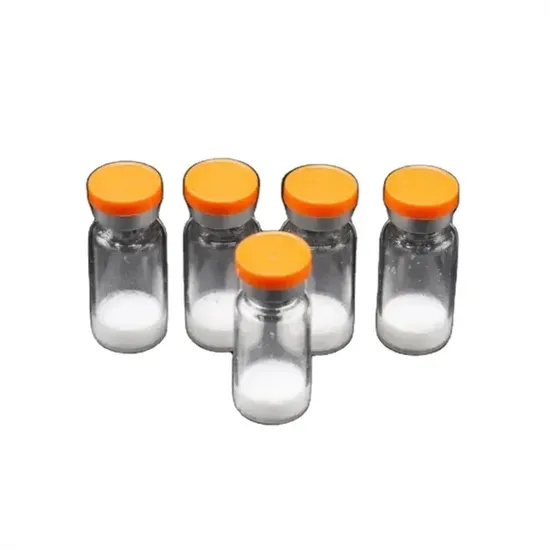
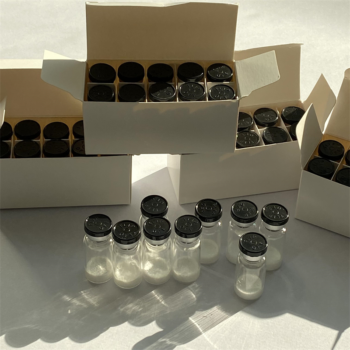
| Appearance | White to off-white lyophilized powder |
| Purity | ? 98% (HPLC verified) |
| Solubility | Soluble in water, PBS, DMSO |
| Stability | Stable ? 24 months in lyophilized form |
| Storage Conditions | -20°C, dry, light-protected |
| Form | Lyophilized powder |
| GMP Compliance | Manufactured under GMP-grade standards |
| Mechanism | Partial agonist of neurotensin receptor, glycosylation enhances stability |
| Applications | Pain research, neurotensin pathway studies, neuropharmacology research |
| Availability | Wholesale & retail research supply |
| Safety Note | For laboratory research use only; not for human or veterinary use |
The combination of high purity, glycosylation modification, and GMP-grade manufacturing ensures reproducible and reliable results across multiple preclinical models.
Mechanism of Action & Research Applications
Mechanism of Action
Contulakin G binds to neurotensin receptors (NTSR1) with moderate affinity, acting as a partial agonist. The O-linked glycosylation enhances its resistance to enzymatic degradation, allowing stable receptor engagement.
NTSR1 Binding: Activates intracellular G-protein signaling while avoiding full receptor overstimulation.
Antinociceptive Pathway: Modulates neuronal calcium channels and neurotransmitter release, reducing pain perception.
Neuroprotection: Provides protective effects in CNS neurons through anti-excitotoxic pathways.
Research Applications
Pain and Analgesia Studies:
Evaluates partial agonism effects on nociceptive signaling.
Used in rodent and invertebrate models of acute and chronic pain.
Neurotensin Signaling:
Helps map NTSR1-mediated pathways in neuronal cultures.
Facilitates understanding of receptor desensitization and downstream signaling.
Behavioral Pharmacology:
Assesses CNS responses to neuropeptide modulation.
Investigates changes in locomotion, anxiety, and sensory perception.
Comparative Peptide Studies:
Useful for cross-species pharmacological comparisons.
Supports translational research bridging invertebrate-derived peptides to mammalian systems.
Contulakin G’s unique structure allows the simultaneous study of analgesic efficacy, receptor pharmacology, and neuroprotective mechanisms, making it a versatile tool in neuroscience research.
Side Effects (For Reference in Research Models)
CNS-related effects: Dose-dependent changes in locomotor activity in rodents.
Transient receptor modulation: Partial agonism may lead to receptor desensitization over time.
Solvent and formulation effects: Bioactivity can vary with buffer composition.
Species variability: Observed effects differ between rodent and invertebrate models.
Proper experimental controls are necessary to ensure reproducibility and interpretability of data.
Disclaimer
For laboratory research use only. Not for human or veterinary use.
Keywords
O-glycosylated neurotensin peptide
Antinociceptive neuropeptide research
Neurotensin receptor partial agonist
GMP peptide supplier Contulakin G
Laboratory neuroscience peptide
Pain modulation peptide
Preclinical neuropharmacology research
CNS neuropeptide research
Contulakin G research use only
Additional information
| Weight | 0.7 kg |
|---|---|
| Dimensions | 52 × 43 × 52 cm |
1 review for Contulakin G (CAS 229180-41-0) | GMP Supplier & Manufacturer
Related products
Retatrutide cost with insurance
Retatrutide cost with insurance Original price was: $38.00.$26.00Current price is: $26.00.Tesamorelin Raw Material Factory: Low-Price Wholesale for High-Purity Peptides
Tesamorelin Egrifta; Tesamorelin; 218949-48-5; 804475-66-9; TH9507; ... Compound CID: 16137828 MF: C221H366N72O67S Original price was: $38.00.$23.00Current price is: $23.00.USA Warehouse 99% IV Infusion Therapy Anti-Aging Injection Peptide for Weight Loss & Muscle Building
USA Warehouse 99% IV Infusion Therapy Anti-Aging Injection Peptide for Weight Loss & Muscle Building Original price was: $38.00.$23.00Current price is: $23.00.High Purity 99.9% Weight Loss Peptide – Raw Material Factory Wholesale at Low Price
Weight Loss Peptide Appearance:Lyophilized powder Grade Standard:Top Quality Original price was: $12.00.$9.80Current price is: $9.80.

Alberto –
Good experience from start to finish.