
No products in the cart.
Sale

Copeptin (Human) | CAS 78362-34-2 | Diagnostic Biomarker for Cardiovascular and Endocrine Research
Original price was: $42.00.$38.00Current price is: $38.00.
Copeptin (human) is a glycopeptide corresponding to the C-terminal portion of the pre-pro-arginine vasopressin (pre-proAVP) precursor. It has emerged as a robust and reliable biomarker in cardiovascular disease (CVD), stress response, and neuroendocrine system studies. Due to its high stability in circulation and strong correlation with vasopressin secretion, Copeptin is widely used for diagnostic and prognostic evaluations in clinical and preclinical research.
Description
Contents
hide
Product Description
Copeptin (human) (CAS 78362-34-2) is a peptide biomarker derived from the 39-amino acid C-terminal portion of the arginine vasopressin (AVP) precursor peptide, pre-proAVP. Synthesized and secreted from the magnocellular neurons of the hypothalamus, copeptin is co-released with AVP into the bloodstream from the posterior pituitary in equimolar amounts.
AVP, also known as antidiuretic hormone (ADH), is a key regulator of water homeostasis, vascular tone, and stress response. However, the direct measurement of AVP in serum is technically challenging due to its instability and short half-life. Copeptin overcomes these limitations as a biologically inert yet highly stable surrogate marker that accurately reflects vasopressin release and neuroendocrine activity.
Since its identification, copeptin has revolutionized the diagnostic landscape of cardiovascular, renal, and metabolic disorders. In particular, copeptin levels serve as a reliable prognostic marker in acute myocardial infarction (AMI), heart failure, sepsis, stroke, and stress-induced syndromes.
Molecular and Structural Insights
Copeptin is a glycosylated peptide comprising the C-terminal segment of pre-proAVP, which includes the signal peptide, AVP, neurophysin II, and copeptin domains. During post-translational processing in the endoplasmic reticulum and Golgi apparatus, pre-proAVP is cleaved into arginine vasopressin, neurophysin II (carrier protein), and copeptin. These three components are stored in secretory granules within the posterior pituitary and released simultaneously upon physiological stimulation.
Unlike AVP, copeptin exhibits exceptional thermal and enzymatic stability, making it a preferred biomarker for clinical and translational research applications. Its circulating half-life allows for reproducible and quantitative assessment using standard immunoassay platforms such as ELISA, ECLIA, and immunoluminometric assays (ILMA).
Biological and Clinical Significance
Copeptin release is stimulated by a variety of physiological stressors, including:
Hypovolemia and hypotension (via baroreceptor activation)
Hyperosmolality (plasma osmolality regulation)
Infection and sepsis
Acute myocardial ischemia
Surgical trauma and metabolic stress
In clinical studies, copeptin demonstrates strong predictive value for short-term and long-term mortality in patients with heart failure, acute coronary syndromes, stroke, and critical illness. It serves as an early marker of neuroendocrine activation in response to systemic stress, correlating closely with cortisol, ACTH, and catecholamine levels.
Additionally, copeptin levels can distinguish between central diabetes insipidus, nephrogenic diabetes insipidus, and primary polydipsia, making it an important tool in endocrine diagnostic research.
Applications in Research
Cardiovascular and ischemic biomarker discovery
Neuroendocrine and stress physiology studies
Vasopressin secretion and osmoregulation modeling
Clinical diagnostics development
Translational research on acute and chronic diseases
Summary
Copeptin (human) bridges fundamental peptide biochemistry with clinical relevance, offering a stable, quantifiable, and biologically correlated indicator of vasopressin system activation. Its integration into diagnostic panels enhances early detection, risk stratification, and monitoring of patients in critical care, cardiology, and endocrinology research domains.
Product Specifications
| Item | Details |
|---|---|
| Product Name | Copeptin (human) |
| CAS Number | 78362-34-2 |
| Molecular Formula | C152H229N43O49S2 |
| Molecular Weight | 3379.84 g/mol |
| Sequence | C-terminal 39-amino acid peptide of pre-proAVP |
| Purity | ≥ 95% (HPLC) |
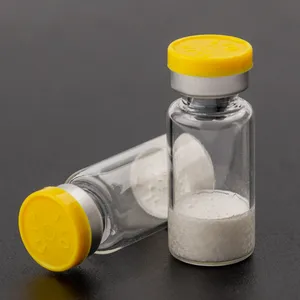
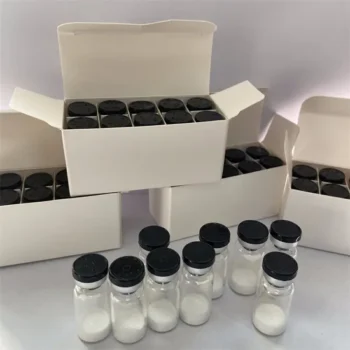
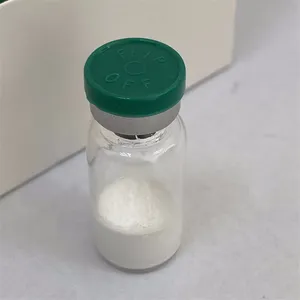
| Appearance | White to off-white lyophilized powder |
| Solubility | Soluble in water, PBS, and aqueous buffers |
| Storage | -20°C, protect from light and moisture |
| Stability | Stable for 24 months under recommended storage |
| Source | Synthetic peptide |
| Application | Cardiovascular, endocrine, and stress biomarker research |
| Detection Methods | ELISA, ECLIA, ILMA |
| Synonym | Pre-proAVP C-terminal peptide, Copeptin (C-human) |
Synonyms
Pre-proAVP C-terminal peptide
Copeptin peptide fragment
Human copeptin
AVP precursor peptide
Mechanism of Action
Copeptin (human) serves primarily as a surrogate marker for vasopressin secretion rather than an active biological effector. It is co-synthesized and co-released with arginine vasopressin (AVP) in equimolar quantities.
In the hypothalamic-pituitary axis, pre-proAVP is processed within the magnocellular neurons of the supraoptic (SON) and paraventricular (PVN) nuclei. Upon release, copeptin mirrors vasopressin’s secretion patterns, which are triggered by plasma osmolality, blood pressure, and stress signals.
Vasopressin itself acts on V1 (vascular), V2 (renal), and V3 (pituitary) receptors, regulating water reabsorption, vasoconstriction, and ACTH release. Although copeptin does not bind these receptors, its stoichiometric release with AVP provides an indirect yet accurate measure of neuroendocrine activity.
Mechanistically, copeptin is processed as follows:
Synthesis of pre-proAVP (164 amino acids) in the hypothalamus.
Proteolytic cleavage yields three peptides: AVP, neurophysin II, and copeptin.
Co-storage and co-secretion from the posterior pituitary.
Circulation in plasma, where copeptin remains stable and measurable.
By quantifying copeptin concentrations, researchers can infer the vasopressinergic system’s activation level under stress, hemodynamic changes, and endocrine feedback loops.
The use of copeptin as a diagnostic biomarker has been validated in multiple studies, showing its superiority to AVP assays in terms of stability, reproducibility, and clinical practicality.

Side Effects / Safety Notes
Copeptin (human) is intended strictly for research use only. It exhibits no known biological toxicity in vitro or in vivo as it is biologically inactive. Laboratory personnel should handle the compound using appropriate biosafety standards and avoid direct contact or ingestion.
Disclaimer
This product is not intended for human or veterinary use. All data are provided for research and educational purposes only. Copeptin (human) should be handled in accordance with institutional biosafety and chemical hygiene protocols. Users are responsible for ensuring compliance with local regulatory standards.
Keywords
Copeptin human peptide, AVP precursor peptide, vasopressin biomarker, cardiovascular disease biomarker, endocrine research peptide, stress marker peptide, copeptin ELISA standard, pre-proAVP fragment, diagnostic peptide standard, human copeptin CAS 78362-34-2
Shipping Guarantee
All products are shipped via validated cold-chain logistics to maintain peptide integrity. Each vial is accompanied by a Certificate of Analysis (COA) and HPLC chromatogram. Global delivery through FedEx, UPS, and DHL ensures reliable and traceable shipment to all regions.
Transaction Guarantee
Every transaction is securely processed through encrypted payment systems. Orders are covered under a quality assurance program, offering replacement or refund for any verified product discrepancy or damage upon delivery.

Additional information
| Weight | 0.8 kg |
|---|---|
| Dimensions | 62 × 56 × 62 cm |
1 review for Copeptin (Human) | CAS 78362-34-2 | Diagnostic Biomarker for Cardiovascular and Endocrine Research
Q1: What is Copeptin (human)?
A1: Copeptin is the C-terminal peptide of the arginine vasopressin precursor and serves as a stable biomarker for vasopressin release and cardiovascular stress.
Q2: Why is Copeptin used instead of AVP?
A2: Copeptin is more stable and easier to measure than AVP, providing equivalent diagnostic information.
Q3: What are the main research applications?
A3: Cardiovascular, endocrine, and stress physiology studies, as well as biomarker development.
Q4: Can Copeptin (human) be used clinically?
A4: It is for research use only, though clinically validated in diagnostic assays.
Q5: How is Copeptin detected?
A5: Using immunoassays such as ELISA, ECLIA, or ILMA.
Q6: Is Copeptin biologically active?
A6: No, it is an inert fragment released alongside active vasopressin.
Q7: How should it be stored?
A7: Store at -20°C, protected from moisture and light.
Q8: Does it degrade easily?
A8: No, Copeptin is highly stable in serum and under freeze-dry conditions.
Q9: Is bulk synthesis available?
A9: Yes, bulk and custom synthesis services are available upon request.
Q10: What is its molecular weight?
A10: Approximately 3379.84 g/mol.
Related products
USA-Peptide-Janoshik Lyophilized Peptide Raw Powder for Muscle Building & Weight Loss
Lyophilized peptide raw powder Moq:10 vials per box Appearance:Lyophilized powder Original price was: $32.00.$24.00Current price is: $24.00.99.9% Effective Weight Loss Shaping Peptide – Beauty Peptide Factory Direct Low Price Wholesale
Peptide Purity 99% Specification 5mg/vial, 10mg/vial, 15mg/vial Original price was: $38.00.$23.00Current price is: $23.00.Wholesale 99% Purity Epitalon Peptide Raw Powder for Skin Repair
Epitalon Peptide Raw Powder for Skin Repair Original price was: $33.00.$22.00Current price is: $22.00.Anti-Aging Peptide Raw Powder CAS 307297-39-8 Epitalon – Low Price Wholesale
Anti-Aging Moq:10 vials per box Appearance:Lyophilized powder Purity:99% Original price was: $29.00.$23.00Current price is: $23.00.

ousmane –
Everything arrived as ordered.