No products in the cart.
Sale

Cortagen 20mg Raw Material (Wholesale)
Original price was: $16.00.$12.00Current price is: $12.00.
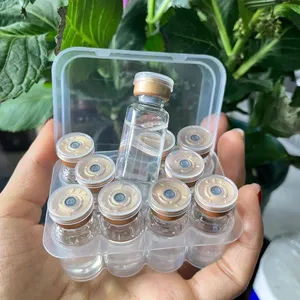
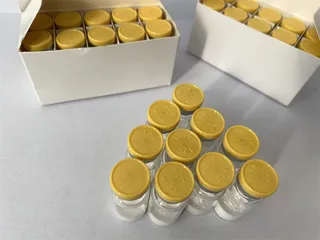
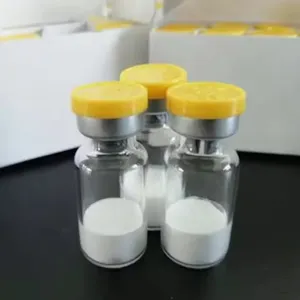
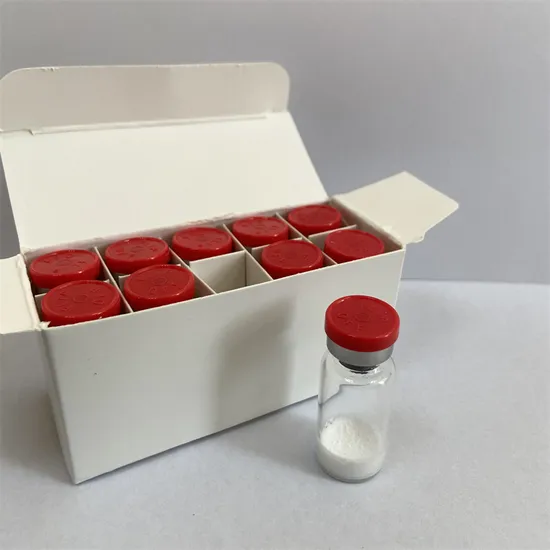
Cortagen raw material is a high-purity synthetic tetrapeptide (Ala–Glu–Asp–Pro, AEDP) supplied in lyophilized powder form for neuroscience, gene regulation, and cellular signaling research. Designed for bulk supply and wholesale distribution, this research-grade peptide offers excellent batch consistency, scalability, and documentation support for laboratories and institutions.
Description
Contents
hide
Product Description
Cortagen is a synthetic short-chain regulatory peptide composed of the tetrapeptide sequence Ala–Glu–Asp–Pro (AEDP). As a chemically defined molecular entity, Cortagen belongs to a class of bioregulatory peptides that have been extensively investigated in molecular biology, neuroscience, and gene expression research for their ability to modulate cellular regulatory processes at a transcriptional and signaling level.
This product is supplied as a research-grade raw material in lyophilized powder form, specifically designed for bulk, wholesale, and institutional laboratory use. The peptide is manufactured using advanced solid-phase peptide synthesis (SPPS) technology, followed by high-resolution purification and analytical verification to ensure high purity, structural integrity, and batch-to-batch consistency. Due to its short amino acid sequence, Cortagen demonstrates excellent synthetic reproducibility and physicochemical stability compared with longer or more complex peptide constructs.
From a research perspective, Cortagen is primarily studied for its regulatory influence on gene expression and neuronal signaling balance. Experimental data suggest that short regulatory peptides such as Cortagen may interact with intracellular targets involved in transcriptional control, chromatin accessibility, and adaptive cellular responses. This makes Cortagen particularly attractive for studies aiming to explore fine-scale regulatory mechanisms rather than receptor-driven or single-pathway pharmacological effects.
Unlike peptide mixtures or protein hydrolysates, Cortagen is a single, well-defined peptide, allowing precise control over experimental concentrations and facilitating reproducibility across laboratories and study designs. Its defined molecular structure simplifies downstream analytical workflows, including transcriptomic profiling, proteomic correlation studies, and computational modeling of regulatory networks. As a result, Cortagen is frequently incorporated into systems biology and network pharmacology research frameworks.
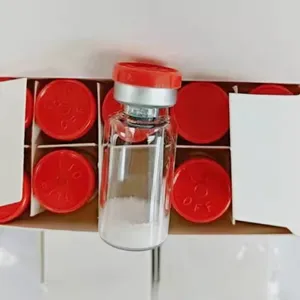
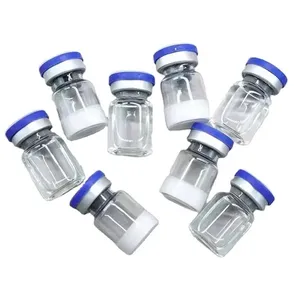
The lyophilized raw material format provides several practical advantages for research and wholesale distribution. Lyophilization minimizes hydrolytic degradation, extends shelf life, and ensures stability during international transport. Upon reconstitution, Cortagen exhibits good solubility in sterile water and commonly used physiological buffer systems, enabling seamless integration into cell-based assays, molecular experiments, and in vitro screening platforms.
As a wholesale raw material, Cortagen is well suited for laboratories, research institutions, and biotech organizations requiring scalable supply, consistent quality, and complete analytical documentation. Customization options—including batch size, packaging configuration, and concentration specifications—are available to support long-term research programs and multi-site studies.
This Cortagen raw material is supplied strictly for research use only. It is not intended for human or veterinary administration, and it is not marketed as a therapeutic, diagnostic, or preventive agent. All handling and use should comply with institutional laboratory safety and research governance requirements.

Product Specifications
| Parameter | Specification |
|---|---|
| Product Name | Cortagen Raw Material |
| Peptide Sequence | Ala–Glu–Asp–Pro (AEDP) |
| Peptide Type | Synthetic tetrapeptide |
| Molecular Formula | C₁₈H₂₈N₄O₉ |
| Molecular Weight | ~448.43 Da |
| Appearance | White to off-white lyophilized powder |
| Purity | ≥ 99% (HPLC) |
| Identity Confirmation | HPLC, MS |
| Endotoxin Level | < 0.1 EU/mg |
| Solubility | Soluble in sterile water and physiological buffers |
| Form | Lyophilized powder |
| Storage | −20 °C, desiccated, light-protected |
| Stability | ≥ 24 months under recommended storage |
| Reconstitution | Sterile water or buffered solutions |
| Application | Neuroscience & gene regulation research |
| Supply Type | Raw material / Bulk / Wholesale |
| Customization | Batch size, concentration, packaging available |
Expanded Notes:
As a short synthetic peptide, Cortagen demonstrates excellent batch-to-batch reproducibility, making it well suited for longitudinal studies and multi-site research programs.
Mechanism of Action
Cortagen is classified as a synthetic short-chain regulatory peptide, and its mechanism of action is fundamentally different from classical receptor agonists, enzyme inhibitors, or single-target signaling molecules. Instead of triggering an immediate pharmacological response, this regulatory peptide is primarily investigated for its ability to modulate gene expression patterns, intracellular signaling balance, and long-term cellular adaptation, particularly in experimental neuroscience and molecular biology models.
Regulation of Gene Transcription
A central research focus surrounding this compound involves its potential influence on transcriptional regulation. Short regulatory peptides have been shown in experimental systems to interact with nuclear-associated regulatory processes, affecting transcription factor activity and promoter accessibility. Through these interactions, the compound is studied for its ability to normalize or fine-tune the expression of genes involved in cellular metabolism, neuronal signaling stability, and stress-response pathways.
Rather than inducing abrupt changes in gene expression, the observed effects are typically regulatory and modulatory, supporting physiological expression patterns under experimentally induced stress or dysregulation. This characteristic distinguishes regulatory peptides from classical stimulatory or inhibitory agents and makes them suitable for studying subtle biological control mechanisms.
Modulation of Intracellular Signaling Pathways
Beyond transcriptional effects, this regulatory peptide has been explored for its indirect role in intracellular signaling network modulation. By influencing the expression of regulatory proteins and signaling mediators, it may contribute to the stabilization of interconnected pathways involved in cellular survival, metabolic regulation, and adaptive plasticity. These effects are generally distributed across multiple signaling axes rather than concentrated on a single pathway.
Such multi-pathway modulation is particularly valuable in experimental designs aimed at understanding systems-level cellular responses, where coordinated regulation is more relevant than isolated molecular interactions.
Support of Cellular and Neuronal Homeostasis
In neuroscience-oriented research models, regulatory peptides of this class are frequently examined for their role in maintaining cellular and neuronal homeostasis. By supporting balanced gene expression and intracellular signaling, they may help cells adapt to oxidative stress, metabolic imbalance, or inflammatory stimuli within controlled laboratory environments. This homeostatic influence is interpreted as a regulatory phenomenon rather than a direct therapeutic effect.
Epigenetic and Long-Term Regulatory Potential
Emerging research interest has also highlighted the possible involvement of short regulatory peptides in epigenetic-level modulation. Experimental hypotheses suggest interactions with chromatin-associated proteins or transcriptional regulators that influence gene accessibility without altering DNA sequences. This positions such compounds as useful tools for investigating long-term regulatory programming and adaptive cellular memory.
Systems Biology Perspective
From a systems biology standpoint, the mechanism of action is best described as regulatory network modulation. Its defined molecular structure allows precise experimental control while enabling observation of downstream effects across transcriptomic, proteomic, and computational models. This makes it especially suitable for multi-omic integration studies and AI-assisted regulatory network analysis.
In summary, the mechanism of action is characterized by gene-level regulation, signaling network coordination, and support of cellular equilibrium, rather than direct receptor activation. This regulatory profile underpins its value as a research tool in neuroscience, gene regulation, and systems biology investigations.

Applications
Cortagen raw material is widely applied in experimental neuroscience, molecular biology, and gene regulation research, where short-chain regulatory peptides are investigated for their role in fine-tuning cellular processes. Due to its defined tetrapeptide structure and high purity, the Cortagen peptide is particularly suitable for controlled laboratory studies requiring reproducibility, scalability, and precise concentration management.
Cortagen Neuroscience and Central Nervous System Research
One of the primary application areas of Cortagen raw material is neuroscience research, especially in experimental models focused on neuronal regulation rather than acute receptor stimulation. The Cortagen peptide is commonly incorporated into studies examining neuronal signaling balance, cellular adaptation, and regulatory mechanisms underlying CNS homeostasis. Its short-chain structure allows researchers to explore subtle regulatory effects within neuronal and glial cell systems without introducing complex multi-component variables.
In CNS-related models, Cortagen raw material is frequently used as a research tool to investigate transcriptional regulation associated with neuronal metabolism, stress response, and signal coordination.
Gene Expression and Transcriptional Regulation Studies
Cortagen peptide is extensively applied in gene expression research, where regulatory peptides are evaluated for their influence on transcriptional activity. Because Cortagen raw material represents a single, chemically defined molecule, it enables precise assessment of peptide-mediated changes in gene expression profiles using transcriptomic and qPCR-based approaches.
These applications are particularly relevant in studies aiming to understand how short regulatory peptides interact with nuclear regulatory systems and influence promoter accessibility or transcription factor dynamics under experimental conditions.
Cellular Signaling and Regulatory Network Analysis
Another important application of Cortagen raw material lies in cellular signaling research. Rather than acting as a direct agonist or antagonist, the Cortagen peptide is used to explore indirect modulation of interconnected signaling pathways. This makes it suitable for experiments designed to analyze regulatory network behavior, feedback mechanisms, and signaling equilibrium at a systems level.
Such studies often integrate Cortagen raw material into broader experimental frameworks involving pathway mapping, protein expression analysis, and computational modeling of intracellular signaling networks.
Systems Biology and Multi-Omic Research
Cortagen raw material is increasingly incorporated into systems biology and multi-omic research platforms. Its defined molecular identity simplifies data interpretation when integrating transcriptomic, proteomic, and computational analyses. Researchers use the Cortagen peptide to observe coordinated biological responses across multiple regulatory layers, supporting network pharmacology and AI-assisted modeling approaches.
This application is particularly valuable in exploratory research where the goal is to understand global regulatory patterns rather than isolated molecular interactions.
Screening and Comparative Regulatory Peptide Studies
In peptide research programs, Cortagen raw material is often used as a reference compound in comparative studies of short regulatory peptides. Its stability and reproducible synthesis make it suitable for screening platforms evaluating structure–function relationships among regulatory peptide families.
Institutional, Bulk, and Long-Term Research Programs
From a practical perspective, Cortagen raw material is well suited for long-term and large-scale research projects. Bulk and wholesale supply formats support academic laboratories, biotech companies, and research institutions conducting extended studies that require consistent quality and uninterrupted availability.
Across these diverse applications, the Cortagen peptide serves as a versatile research tool for investigating regulatory mechanisms at the gene, signaling, and systems levels. All applications are strictly limited to research use only, with no intended clinical or therapeutic application.
Research Models
Neuronal cell cultures
CNS-derived cell lines
Gene expression assays
Transcriptional profiling models
Regulatory peptide screening platforms
- In Vitro Peptide Research Models reference.
Experimental Design Considerations
Optimize concentration ranges experimentally
Maintain consistent reconstitution protocols
Avoid repeated freeze–thaw cycles
Use appropriate negative and vehicle controls
Document batch numbers for reproducibility
Laboratory Safety & Handling Guidelines
For research use only
Handle with gloves and eye protection
Prepare solutions under aseptic laboratory conditions
Dispose of peptide waste according to institutional guidelines
Integration with Multi-Omic & Computational Studies
Cortagen’s defined peptide structure makes it highly compatible with transcriptomics, epigenomics, proteomics, and AI-assisted regulatory network modeling, enabling precise attribution of observed biological effects.
Keywords
Cortagen raw material, Cortagen peptide wholesale, AEDP peptide supplier, Cortagen bulk peptide, synthetic tetrapeptide research, gene regulation peptide, neuroscience research peptide, Cortagen manufacturer
Shipping Guarantee
All Cortagen raw material shipments are prepared using temperature-controlled and moisture-protected packaging to ensure product integrity during transit. Each batch is fully traceable, with corresponding Certificate of Analysis (COA) and analytical documentation included. Packaging is designed to minimize physical stress and environmental exposure throughout international transportation. Logistics partners are selected based on reliability and experience with research-grade biochemical materials. This shipping guarantee supports consistent quality delivery for both small and bulk wholesale orders.
Trade Assurance
Cortagen raw material is manufactured under GMP-aligned production workflows with standardized quality control procedures. Each production batch undergoes identity, purity, and consistency verification to support reproducible research outcomes. Quality audits and documentation reviews are available to wholesale and institutional partners upon request. Long-term supply agreements can be established to ensure continuity for extended research programs. This trade assurance framework is designed to support stable, transparent, and compliant B2B collaboration.
Payment Support
Flexible payment solutions are available to accommodate international wholesale partners and research institutions. Supported methods include wire transfer, escrow services, and other standard B2B trade payment options. Payment workflows are designed to align with international procurement and compliance requirements. Dedicated account support is available to assist with invoicing, documentation, and transaction coordination. These payment options help streamline cross-border research material procurement.
Disclaimer
This product is supplied strictly for research use only and is not intended for human or veterinary administration. Cortagen raw material is not approved for diagnostic, therapeutic, or preventive use. Any experimental application must comply with institutional laboratory regulations and applicable research governance policies. The supplier makes no clinical or medical claims regarding this material. Users are responsible for ensuring appropriate handling, storage, and use within approved research environments.

Additional information
| Weight | 1.5 kg |
|---|---|
| Dimensions | 62 × 53 × 62 cm |
1 review for Cortagen 20mg Raw Material (Wholesale)
1. What is Cortagen raw material?
Cortagen raw material is a synthetic tetrapeptide composed of the amino acid sequence Ala–Glu–Asp–Pro (AEDP), supplied in lyophilized powder form for laboratory research use.
2. Is Cortagen a single defined peptide or a peptide mixture?
Cortagen is a single, chemically defined synthetic peptide, not a peptide mixture or protein hydrolysate.
3. What research fields commonly use Cortagen raw material?
It is primarily used in neuroscience, gene expression regulation, cellular signaling studies, and systems biology research.
4. Why is Cortagen suitable for wholesale and bulk supply?
Its short peptide length allows stable synthesis, high purity, excellent batch-to-batch consistency, and scalable manufacturing, making it ideal for wholesale distribution.
5. What purity level is typically provided?
Research-grade Cortagen raw material is supplied at ≥99% purity, verified by HPLC.
6. How is the identity of Cortagen confirmed?
Identity confirmation is performed using analytical techniques such as HPLC and mass spectrometry (MS).
7. Is Cortagen endotoxin-controlled?
Yes. Endotoxin levels are strictly controlled to meet research-grade requirements for sensitive biological assays.
8. What form is Cortagen supplied in?
Cortagen raw material is supplied as a lyophilized (freeze-dried) powder, ensuring stability and long shelf life.
9. How should Cortagen be stored?
It should be stored at −20 °C in a dry, light-protected environment to maintain peptide integrity.
10. What solvents are suitable for reconstitution?
Sterile water and commonly used physiological buffer systems are suitable for reconstitution under aseptic laboratory conditions.
11. Are repeated freeze–thaw cycles acceptable?
Repeated freeze–thaw cycles are not recommended, as they may compromise peptide stability and experimental reproducibility.
12. Can Cortagen be used in cell-based assays?
Yes. It is frequently used in neuronal and non-neuronal cell culture models for regulatory and signaling studies.
13. Is Cortagen used in gene expression research?
Yes. Its defined molecular structure makes it suitable for transcriptomic, qPCR, and transcriptional regulation studies.
14. Does Cortagen act through a specific receptor?
Cortagen is not classified as a receptor agonist; it is studied primarily for regulatory effects on gene expression and intracellular signaling balance.
15. Can Cortagen be applied in systems biology studies?
Yes. Cortagen raw material is compatible with systems biology, network pharmacology, and computational modeling approaches.
Related products
Best-Selling Weight Loss Peptide: Slimming Peptide Reta with Safe Delivery
Weight Loss Peptide Lab-Tested Purity (99%+) – Ensures maximum effectiveness Original price was: $56.00.$23.00Current price is: $23.00.Tirzepatide Raw Material Factory: Low-Price Wholesale for High-Purity Peptides
Tirzepatide Compound CID: 163285897 MF: C225H348N48O68 diabetes [9][13][14][15] and for weight loss Original price was: $38.00.$23.00Current price is: $23.00.Cosmetic Peptide Raw Material Factory – Low Price Wholesale Direct from China
Cosmetic Peptide Appearance: Lyophilized powder Dose 2mg 5mg 10mg 15mg 20mg Higher Original price was: $42.00.$22.00Current price is: $22.00.99% Pure Peptide Reta Trutide Epitalon in Stock Factory wholesale
Peptide Reta Purity 99%Over Original price was: $39.00.$26.00Current price is: $26.00.

worley –
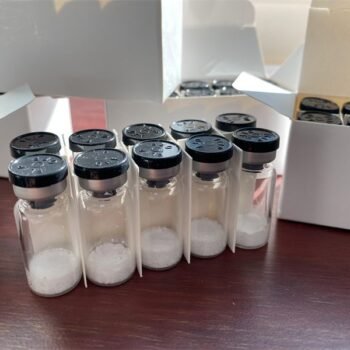
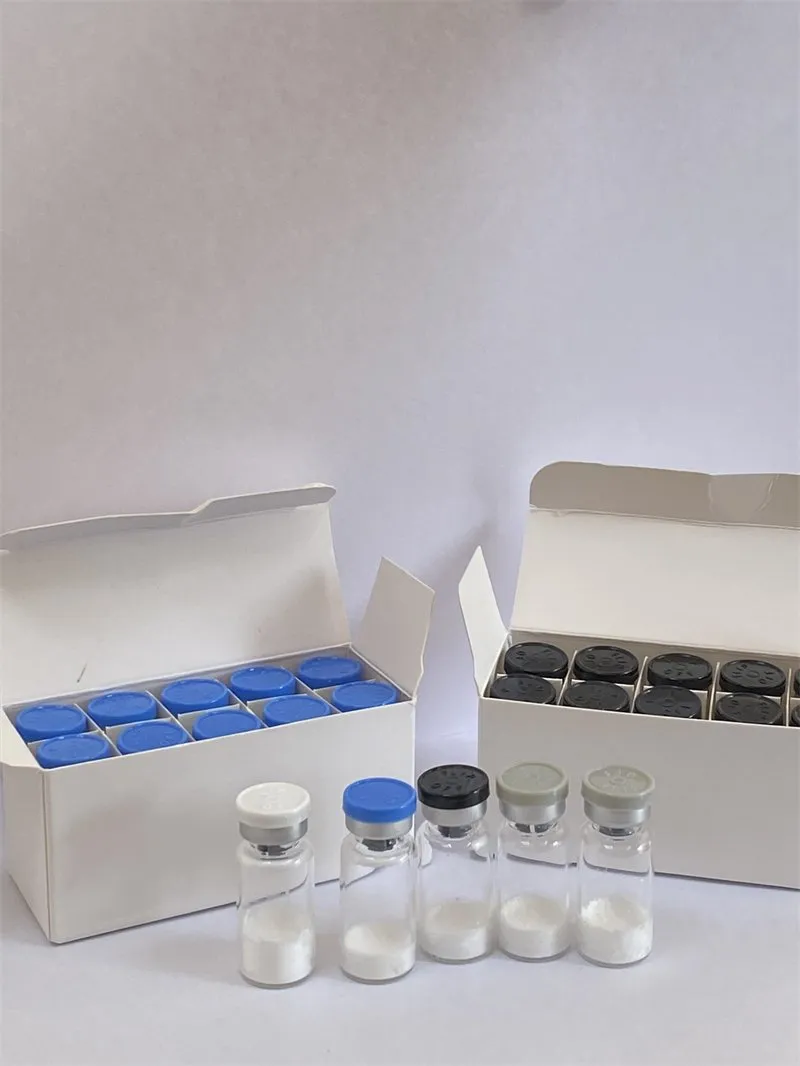
Packaging was appropriate for international shipping.