
No products in the cart.
Sale
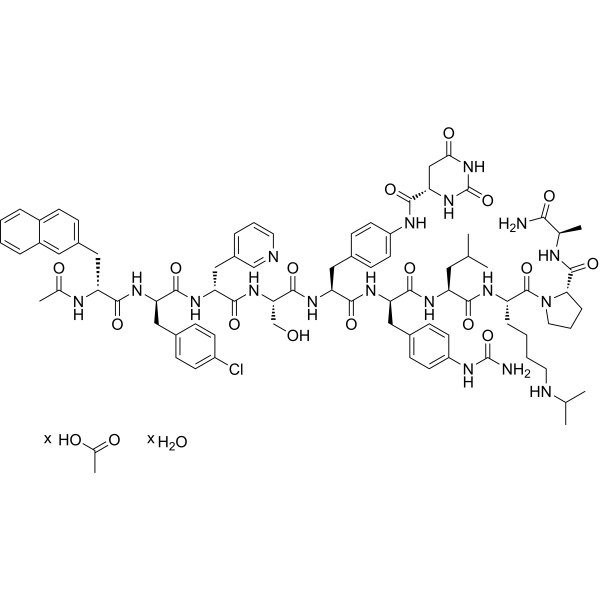
Degarelix Acetate Hydrate (CAS 934246-14-7) | Competitive GnRH Receptor Antagonist for Prostate Cancer Research
Original price was: $15.00.$13.00Current price is: $13.00.
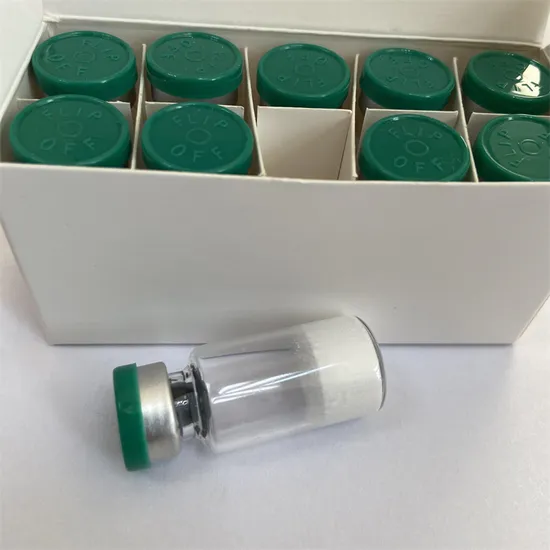
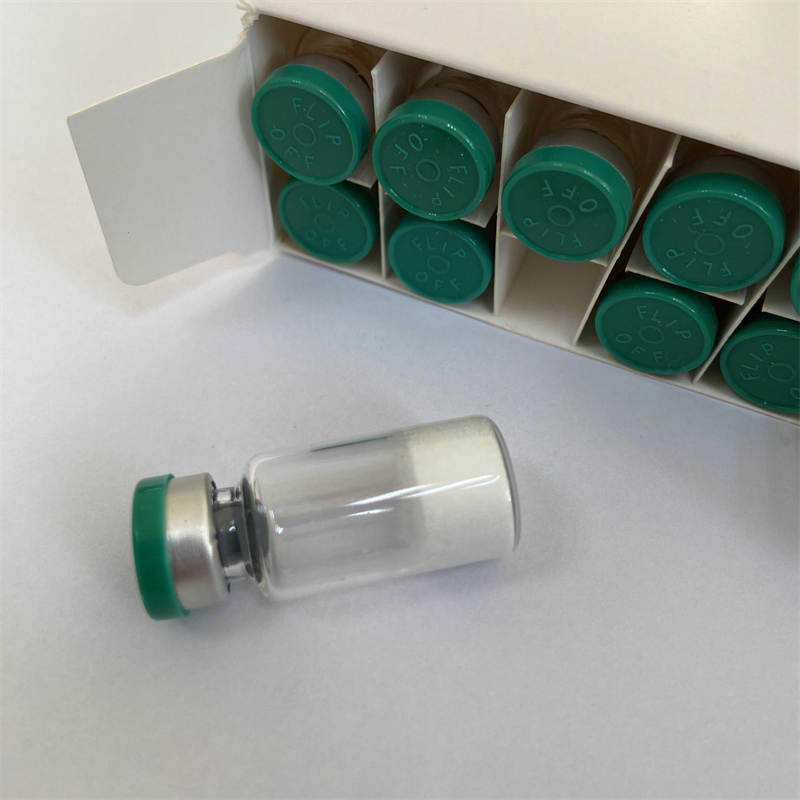
Degarelix acetate hydrate (FE-200486) is a synthetic peptide competitive and reversible GnRH receptor antagonist. Used primarily in preclinical prostate cancer research to suppress LH/FSH and downstream testosterone production, this compound is ideal for androgen deprivation models. Supplied with GMP quality assurance.
Description
Contents
hide
Product Description
Degarelix acetate hydrate (CAS No. 934246-14-7) is a synthetic decapeptide that functions as a potent, selective, and reversible gonadotropin-releasing hormone receptor (GnRH-R or LHRHR) antagonist. Unlike traditional GnRH agonists, which initially stimulate luteinizing hormone (LH) release before causing receptor desensitization, Degarelix achieves immediate suppression of LH and follicle-stimulating hormone (FSH) without the initial hormone surge. This makes it particularly valuable for research on androgen-dependent tumor growth, prostate cancer models, and reproductive endocrinology.
The compound was originally developed under the identifier FE 200486, and its acetate hydrate salt form provides enhanced solubility and stability for laboratory handling. It binds directly to pituitary GnRH receptors, preventing GnRH signaling and downstream stimulation of gonadotropins. As a result, testicular testosterone synthesis is rapidly suppressed, creating a chemical castration effect in experimental systems.
Key research areas include:
Prostate cancer models: Studying tumor progression, androgen signaling, and therapeutic resistance mechanisms.
Endocrine and metabolic regulation: Understanding hypothalamic–pituitary–gonadal (HPG) axis dynamics.
Reproductive studies: Exploring fertility regulation, gonadotropin suppression, and hormonal modulation.
Drug synergy research: Combining GnRH antagonists with novel oncological agents in preclinical models.
Degarelix acetate hydrate is manufactured under GMP-compliant conditions, ensuring reproducibility, high peptide purity (>98%), and suitability for both wholesale and retail laboratory supply chains. The lyophilized peptide form guarantees stability during storage and transport.
?? Disclaimer: Degarelix acetate hydrate is supplied strictly for laboratory research use only. It is not intended for human or veterinary administration.
Product Specifications
| Parameter | Details |
|---|---|
| Product Name | Degarelix acetate hydrate |
| Synonyms | FE 200486 acetate hydrate, GnRH receptor antagonist peptide |
| CAS Number | 934246-14-7 |
| Molecular Formula | C82H103ClN18O16 (acetate hydrate salt) |
| Molecular Weight | ~1632 g/mol (base form) |
| Chemical Type | Synthetic decapeptide |
| Purity | ? 98% (HPLC) |
| Appearance | White to off-white lyophilized peptide powder |
| Mechanism | Competitive and reversible GnRH receptor antagonist |
| Solubility | Soluble in sterile aqueous buffers |
| Storage Conditions | -20°C, avoid repeated freeze-thaw cycles |
| Stability | Stable in lyophilized form for ? 24 months |
| GMP Compliance | Produced in GMP-certified facility |
| Applications | Laboratory research in prostate cancer, reproductive endocrinology, hormonal regulation |
| Availability | Bulk & retail supply |
This level of detail ensures reproducibility and compliance with modern laboratory quality standards.
Mechanism of Action & Research Applications
Mechanism of Action
Degarelix acetate hydrate is a GnRH receptor antagonist. In the normal hypothalamic-pituitary-gonadal (HPG) axis, GnRH secreted from the hypothalamus binds to GnRH receptors on pituitary gonadotroph cells. This stimulates secretion of luteinizing hormone (LH) and follicle-stimulating hormone (FSH).
LH drives testicular Leydig cells to synthesize testosterone.
FSH regulates Sertoli cell function and spermatogenesis.
In androgen-sensitive tissues (e.g., prostate), testosterone acts as a growth factor. Overproduction or sustained androgen signaling is strongly linked to prostate cancer progression.
Degarelix blocks GnRH receptors directly, preventing GnRH binding and thereby suppressing LH/FSH secretion. The downstream result is:
Rapid testosterone suppression (within 1–3 days in models).
No initial flare effect (common with agonists like leuprolide).
Reversible inhibition upon removal.
This direct antagonism provides a clean model system for exploring androgen deprivation, tumor resistance, and hormonal feedback loops.
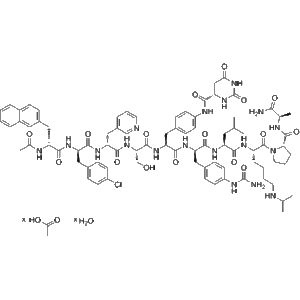
Research Applications
1. Prostate Cancer Research
Study androgen-dependent tumor growth and regression.
Explore mechanisms of castration resistance.
Investigate tumor microenvironment changes under GnRH antagonism.
Evaluate combination therapy with anti-androgens, immunotherapies, or chemotherapy.
2. Endocrine Regulation Studies
Analyze HPG axis suppression and recovery dynamics.
Explore effects on gonadotropin release in mammalian models.
Assess pituitary receptor regulation and downstream hormonal effects.
3. Reproductive Biology
Study spermatogenesis suppression and fertility regulation.
Explore GnRH antagonist roles in contraceptive research models.
Assess reversible endocrine suppression in non-human primates or rodents.
4. Metabolic & Cardiovascular Studies
Explore testosterone’s role in lipid metabolism and cardiovascular risk.
Assess endocrine modulation of metabolic pathways.
Study bone health under long-term androgen suppression.
5. Translational Research
Model human androgen deprivation therapy (ADT).
Provide preclinical data for novel oncological therapeutic strategies.
Explore differences between GnRH agonists vs antagonists.
Potential Side Effects
In laboratory and preclinical models, Degarelix acetate hydrate demonstrates effects consistent with hormonal suppression. While these are not clinical safety data, researchers should be aware of observed biological responses:
Endocrine Effects: Reduced testosterone, LH, and FSH; reversible upon withdrawal.
Reproductive Effects: Suppression of spermatogenesis and fertility in models.
Metabolic Changes: Altered lipid metabolism, weight changes, and insulin sensitivity shifts.
Skeletal Effects: Possible reduction in bone mineral density with prolonged use.
Tumor Dynamics: Rapid tumor regression in androgen-sensitive models, followed by adaptive resistance in some cases.
Other Observations: Injection-site reactions in vivo studies, mild hepatic enzyme elevation, and altered erythropoiesis.
?? These effects are strictly reported from research models and are intended as references for experimental design. Degarelix acetate hydrate is not a therapeutic agent and must not be used in humans or animals outside laboratory conditions.
Disclaimer
Degarelix acetate hydrate is provided exclusively for laboratory research use only. It is not intended for human or veterinary consumption, administration, or therapeutic purposes. All handling should follow institutional laboratory safety guidelines.
Keywords
Degarelix acetate hydrate
FE 200486 acetate hydrate peptide
GnRH receptor antagonist research chemical
Prostate cancer research peptide
Endocrine research compound
GMP supplier Degarelix acetate hydrate
Laboratory hormonal regulation peptide
Preclinical androgen deprivation therapy model
Reproductive endocrinology research tool
Additional information
| Weight | 0.8 kg |
|---|---|
| Dimensions | 53 × 42 × 53 cm |
Related products
USA Warehouse 99% IV Infusion Therapy Anti-Aging Injection Peptide for Weight Loss & Muscle Building
USA Warehouse 99% IV Infusion Therapy Anti-Aging Injection Peptide for Weight Loss & Muscle Building Original price was: $38.00.$23.00Current price is: $23.00.Retatrutide Raw Material Factory: Low-Price Wholesale for High-Purity Peptides
Retatrutide MOQ 1 Box Source Dry Powder Original price was: $38.00.$22.00Current price is: $22.00.Semaglutide Raw Material Factory: Low-Price Wholesale for High-Purity Peptides
Semaglutide Compound CID: 56843331 MF: C187H291N45O59Purity: 99%
Form: Lyophilized powder
Dosage Options: 5mg, 10mg, 15mg per vial
Packaging: Secure box packaging
Shelf Life: 2 years (store in a cool, dry place)
MOQ: 1 box
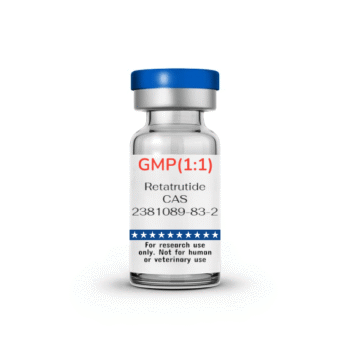
Retatrutide | CAS 2381089-83-2 | Dual GLP-1/GIP/Glucagon Receptor Agonist
Retatrutide (CAS 2381089-83-2) is a high-purity research-grade peptide optimized for in vitro mechanistic studies. It supports investigations into signal transduction, receptor interactions, and molecular pathway modulation. Supplied as a lyophilized powder, it ensures stability and reproducibility for laboratory research applications. Original price was: $14.00.$12.00Current price is: $12.00.


Reviews
There are no reviews yet.