
No products in the cart.
Sale
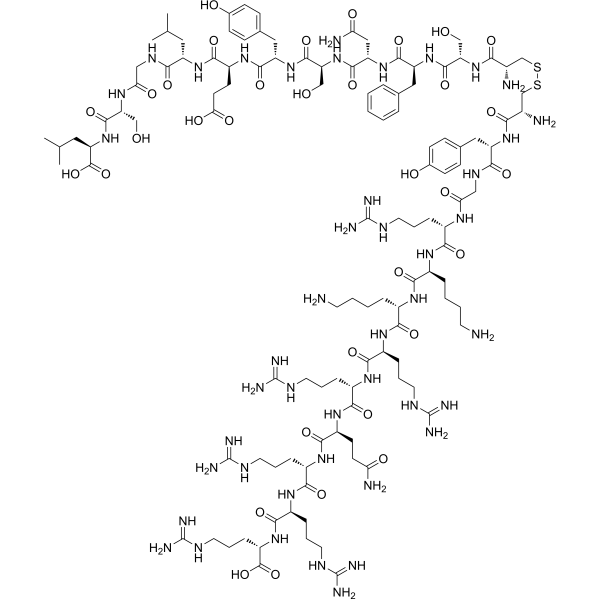
Delcasertib (KAI-9803) – Selective ?-PKC Inhibitor for Ischemia | GMP Quality
Original price was: $20.00.$16.00Current price is: $16.00.
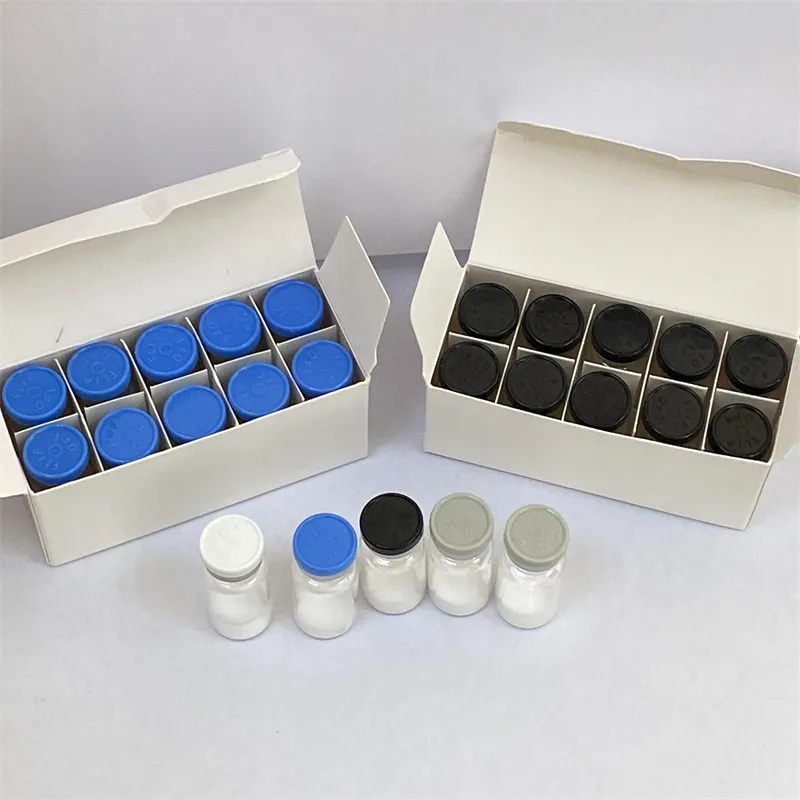
Delcasertib (KAI-9803) is a highly selective ?-PKC inhibitor shown to reduce myocardial injury in ischemia/reperfusion models. Available in stable hydrochloride salt form. Produced under GMP standards for experimental applications. Laboratory research use only.?If you need to place an order or inquire about wholesale product prices, specifications and uses, please contact our staff?
Description
Delcasertib (CAS 949100-39-4), also known as KAI-9803, is a potent and selective peptide-based inhibitor of ?-protein kinase C (?-PKC). ?-PKC is critically involved in signaling cascades triggered by ischemia/reperfusion (I/R), where overactivation can lead to mitochondrial dysfunction, cellular necrosis, and ultimately myocardial injury. Delcasertib intervenes by blocking ?-PKC translocation to mitochondria, an action which preserves cardiac myocyte integrity during reperfusion episodes and has demonstrated substantial reduction in infarct sizes within preclinical animal models.
Because the free form of delcasertib exhibits instability, researchers commonly opt for the hydrochloride salt form, which retains identical biological activity while offering enhanced handling stability—making it preferable for long-term experimental setups.
Manufactured under GMP-certified conditions, our delcasertib ensures batch-to-batch purity and consistency, with packaging options suitable for both bulk wholesale and smaller-scale retail research needs. This product serves as a foundational tool in cardioprotection research, ischemia/reperfusion physiology, and signal-transduction studies within academic or pharmaceutical laboratories.
Note: For laboratory research use only; not intended for human or veterinary applications.
Product Specifications
| Parameter | Details |
|---|---|
| Product Name | Delcasertib (KAI-9803) |
| CAS Number | 949100-39-4 |
| Class | Peptidic ?-PKC inhibitor |
| Purity | GMP-grade, high purity (exact value per CoA) |
| Form | Hydrochloride salt (preferred for stability) |
| Molecular Description | Cargo peptide derived from ?V1-1 PKC? region with TAT peptide |
| Storage Conditions | –20 °C, protected from moisture and light |
| Manufacturer Standard | GMP-certified production |
| Applications | Ischemia/reperfusion injury models, cardiac signaling, apoptosis studies |
Mechanism of Action & Research Applications
Delcasertib is designed to selectively inhibit ?-protein kinase C. Functionally, it combines a peptide sequence mimicking the ?V1-1 region of PKC? (which blocks its translocation) with a cell-penetrating TAT (HIV-1 transactivator) motif to facilitate intracellular delivery.
In preclinical rodent models of myocardial ischemia/reperfusion, delcasertib administered directly to ischemic myocardium significantly reduced infarct size, improved post-ischemic reperfusion, and preserved early recovery of left ventricular function .
These findings motivated clinical progression into early-phase trials. In a “first-in-human” dose-escalation study (DELTA-MI), delcasertib administered intravenously or intracoronarily during percutaneous coronary intervention (PCI) for ST-elevation myocardial infarction (STEMI) demonstrated acceptable safety and tolerability, with promising trends toward reduced biomarkers of cardiac injury .
However, the larger Phase IIb PROTECTION-AMI trial involving over 1,000 patients did not show statistically significant reductions in infarct size or improvements in clinical outcomes, though trends in some high-risk subsets suggested potential biological activity.
While clinical efficacy remains unconfirmed, delcasertib continues to be a robust experimental tool for probing ?-PKC-mediated reperfusion injury pathways, mitochondrial protection mechanisms, and apoptosis regulation in controlled research settings.
Side Effects (For Reference in Models)
Though intended strictly for research use, studies demonstrate:
Safety in early-phase trials, with no major adverse events or QT prolongation PubMed+1.
Preclinical protective effects in animal models without evidence of systemic toxicity.
In clinical settings, no significant reduction in infarct size but no observed harm, affirming delcasertib’s suitability for experimental protocols.
These profiles support its utility in laboratory investigations, especially those targeting cellular survival and mitochondrial protection. Always implement standard lab safety protocols when handling this compound.
Disclaimer
Delcasertib (KAI-9803) is provided for laboratory research use only. It is not intended for human or veterinary use, diagnosis, or treatment. Researchers must conduct experiments responsibly and under appropriate institutional guidelines.
Keywords
Delcasertib,CAS 949100-39-4, KAI-9803, ?-PKC inhibitor, ischemia reperfusion research, GMP peptide supplier, myocardial infarction research, reperfusion injury model, peptide kinase C delta inhibitor, Delcasertib hydrochloride, wholesale research compound,China peptide low price wholesaler.
Additional information
| Weight | 0.6 kg |
|---|---|
| Dimensions | 28 × 62 × 28 cm |
2 reviews for Delcasertib (KAI-9803) – Selective ?-PKC Inhibitor for Ischemia | GMP Quality
Related products
Wholesales Weight Loss Peptides Raw Powder CAS 129954-34-3 with Safe Delivery
$2.00Function Weight Loss Peptides Color White Purity 99%Over99.9% Effective Weight Loss Shaping Peptide – Beauty Peptide Factory Direct Low Price Wholesale
Peptide Purity 99% Specification 5mg/vial, 10mg/vial, 15mg/vial Original price was: $38.00.$23.00Current price is: $23.00.Retatrutide Raw Material Factory: Low-Price Wholesale for High-Purity Peptides
Retatrutide MOQ 1 Box Source Dry Powder Original price was: $38.00.$22.00Current price is: $22.00.USA-Peptide-Janoshik Lyophilized Peptide Raw Powder for Muscle Building & Weight Loss
Lyophilized peptide raw powder Moq:10 vials per box Appearance:Lyophilized powder Original price was: $32.00.$24.00Current price is: $24.00.

Rorbbin –
professionalism and integrity!
May –
What a nice box! good trade