
No products in the cart.
Sale
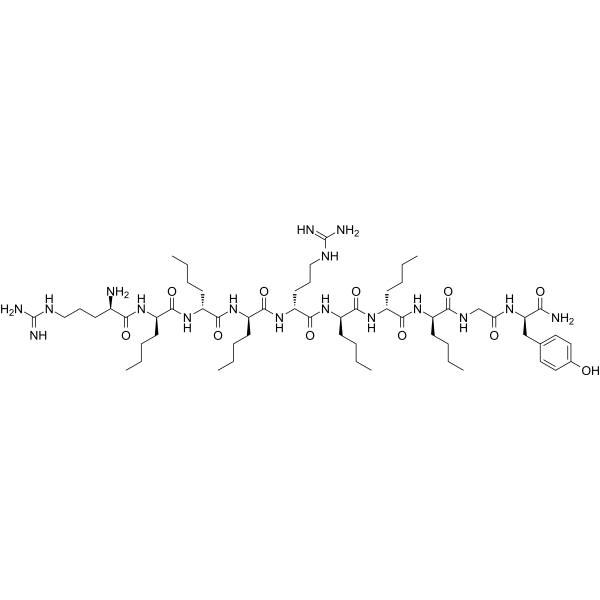
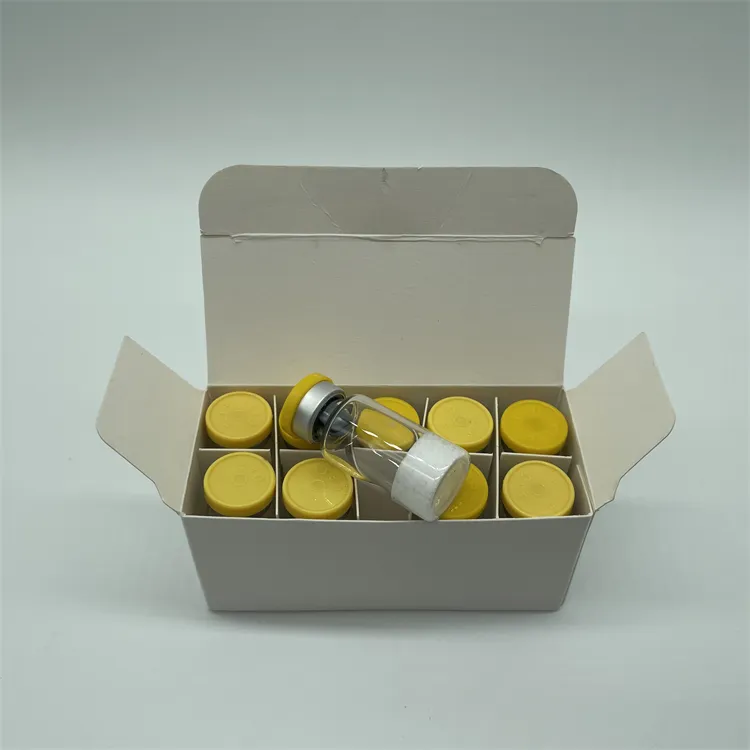
Delmitide (CAS 287096-87-1) | GMP Supplier & Manufacturer for Research Use
Original price was: $19.00.$17.00Current price is: $17.00.
Delmitide (RDP58, CAS 287096-87-1) is an orally active d-isomer decapeptide with potent anti-inflammatory properties. It modulates cytokine expression, inhibits TNF-?, IFN-?, IL-12, and enhances heme oxygenase-1 activity. Primarily used for research in ulcerative colitis and immune-inflammatory disorders.(Please contact our staff to place an order or learn about product wholesale prices, specifications, uses and lists)
Description
Product Description
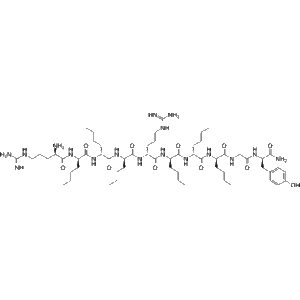
Delmitide (CAS 287096-87-1), also known as RDP58, is a synthetic decapeptide designed using D-amino acids to enhance oral bioavailability and metabolic stability. Unlike conventional peptides composed of L-amino acids, Delmitide’s D-isomer configuration renders it resistant to gastrointestinal enzymatic degradation, making it suitable for oral administration in experimental models.
Functionally, Delmitide is a selective anti-inflammatory agent. It acts by suppressing the production of pro-inflammatory cytokines—notably tumor necrosis factor-alpha (TNF-?), interferon-gamma (IFN-?), and interleukin-12 (IL-12)—while simultaneously up-regulating heme oxygenase-1 (HO-1), a cytoprotective and anti-inflammatory enzyme. This dual regulatory activity enables Delmitide to rebalance immune homeostasis without broadly suppressing immune function, which is a major advantage over many immunosuppressive agents.
Delmitide was originally developed to explore novel therapeutic strategies for inflammatory bowel diseases (IBD), especially ulcerative colitis (UC). Preclinical studies demonstrated significant efficacy in reducing mucosal inflammation, promoting epithelial repair, and restoring barrier function in gastrointestinal models.
Beyond ulcerative colitis, Delmitide’s mechanism of action has expanded its application into broader research areas, including:
Crohn’s disease models
Rheumatoid arthritis (RA)
Psoriasis and skin inflammation
Systemic inflammatory syndromes
Compared with traditional small-molecule anti-inflammatory drugs, Delmitide provides:
Higher specificity for cytokine regulation.
Reduced systemic toxicity due to its peptide-based nature.
Oral activity, which distinguishes it from many peptide agents requiring parenteral administration.
In summary, Delmitide represents a next-generation immunomodulatory research tool. Its ability to finely tune cytokine production and activate protective stress-response pathways makes it valuable for academic and translational research into chronic inflammatory and autoimmune diseases.
Product Specifications
| Parameter | Details |
|---|---|
| Product Name | Delmitide |
| Synonyms | RDP58 |
| CAS Number | 287096-87-1 |
| Molecular Type | Synthetic d-isomer decapeptide |
| Functional Role | Anti-inflammatory immunomodulator |
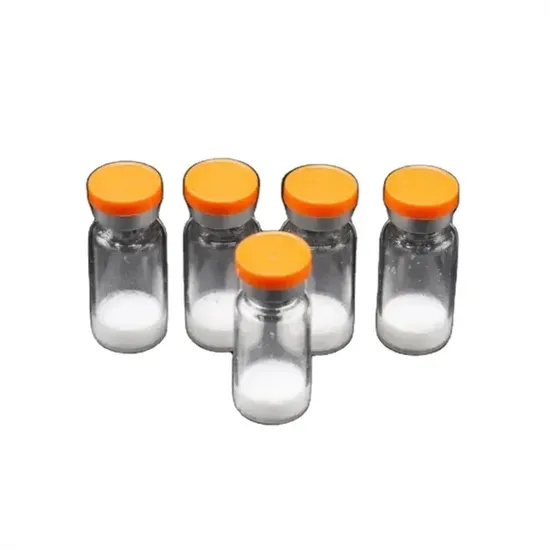
| Appearance | White to off-white lyophilized powder |
| Purity | ? 98% (HPLC verified) |
| Molecular Formula | C??H??N??O?? (approximate, peptide sequence-based) |
| Molecular Weight | ~1156 g/mol |
| Solubility | Soluble in water, PBS, DMSO |
| Stability | Stable for ? 24 months in lyophilized form |
| Storage Conditions | -20°C, dry, light-protected |
| GMP Compliance | Manufactured under GMP standards |
| Applications | Ulcerative colitis, IBD, autoimmune inflammation |
| Experimental Models | In vivo oral models of colitis, in vitro cytokine assays |
| Availability | Research-grade, bulk & custom synthesis options |
Extended Notes:
Delmitide’s D-isomer peptide design dramatically improves oral stability. Its anti-inflammatory selectivity offers researchers a unique tool for studying cytokine-driven immune responses without broad immunosuppression. This makes it particularly attractive in in vivo gastrointestinal models where oral dosing is critical.
Mechanism of Action & Research Applications
Mechanism of Action
Delmitide works by modulating the cytokine regulatory network. Its key activities include:
Inhibition of TNF-? ? Prevents inflammatory cascades, reduces mucosal inflammation.
Suppression of IFN-? ? Limits Th1-driven immune responses in autoimmune conditions.
Reduction of IL-12 ? Weakens pro-inflammatory T cell differentiation.
Up-regulation of HO-1 ? Promotes cytoprotection, antioxidant activity, and tissue repair.
This combination results in balanced immune suppression and cytoprotection, minimizing collateral tissue damage while preserving basal immune defense.
Research Applications
Ulcerative Colitis Research
Reduces colonic mucosal damage and restores epithelial barrier function.
Oral availability enables clinically relevant dosing studies.
Crohn’s Disease & IBD Models
Suppresses TNF-? and IFN-? mediated intestinal inflammation.
Serves as a model compound for peptide-based oral IBD therapies.
Rheumatoid Arthritis & Autoimmune Diseases
Demonstrates efficacy in preventing joint destruction by reducing cytokine storms.
Dermatology & Psoriasis
Regulates inflammatory cytokines contributing to keratinocyte overproliferation.
Systemic Inflammation & Sepsis
Potential to modulate systemic cytokine storms through selective suppression.
Pharmacological Research
A model compound for studying oral peptide stability and cytokine-targeted peptide therapies.

Side Effects (For Reference in Research Models)
In preclinical research, Delmitide is generally well tolerated. However, some dose-related and context-dependent effects have been reported:
Potential gastrointestinal effects (mild irritation at very high oral doses).
Altered cytokine balance leading to increased susceptibility to certain infections.
Possible hepatotoxicity in long-term, high-dose studies.
Immune suppression artifacts in models requiring intact Th1 responses.
Formulation-dependent variability, especially in oral vs parenteral administration.
Researchers should optimize dosage, monitor cytokine profiles, and apply appropriate controls to account for immunomodulatory variability.
Disclaimer
For research use only. Not for human or veterinary use.
Keywords
Delmitide supplier
Delmitide GMP manufacturer
ulcerative colitis research
peptide anti-inflammatory
cytokine inhibitor
HO-1 activator
Buy Delmitide bulk
Additional information
| Weight | 0.8 kg |
|---|---|
| Dimensions | 53 × 29 × 53 cm |
Related products
Tesamorelin Raw Material Factory: Low-Price Wholesale for High-Purity Peptides
Tesamorelin Egrifta; Tesamorelin; 218949-48-5; 804475-66-9; TH9507; ... Compound CID: 16137828 MF: C221H366N72O67S Original price was: $38.00.$23.00Current price is: $23.00.Wholesale 99% Purity Epitalon Peptide Raw Powder for Skin Repair
Epitalon Peptide Raw Powder for Skin Repair Original price was: $33.00.$22.00Current price is: $22.00.Retatrutide | CAS 2381089-83-2 | Dual GLP-1/GIP/Glucagon Receptor Agonist
Retatrutide (CAS 2381089-83-2) is a high-purity research-grade peptide optimized for in vitro mechanistic studies. It supports investigations into signal transduction, receptor interactions, and molecular pathway modulation. Supplied as a lyophilized powder, it ensures stability and reproducibility for laboratory research applications. Original price was: $14.00.$12.00Current price is: $12.00.GLP-1 Retatrutide Weight Loss Slimming low price wholesale
GLP-1 peptide slimming product, 5mg 10mg 15mg vials, metabolic health- Application: Health Care Supplement
- Form: Disposable vials
- Dosages: 5mg, 10mg, 15mg
- Purity: >99%

Reviews
There are no reviews yet.