
No products in the cart.
Sale

Demoxytocin | CAS 113-78-0 | Synthetic Oxytocin Analogue for Smooth Muscle and Labor Research
Original price was: $24.00.$17.00Current price is: $17.00.
Demoxytocin (CAS 113-78-0) is a synthetic oxytocin analogue that increases calcium ion influx and promotes uterine and smooth muscle contraction. Used in research on labor induction and hormonal regulation.
Description
Product Description
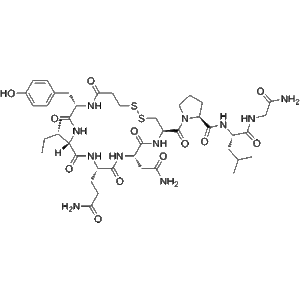
Demoxytocin is a heterodetic cyclic peptide structurally related to oxytocin, functioning as a potent synthetic analogue. It acts as an agonist at oxytocin receptors, mediating contraction of smooth muscle tissue in organs such as the uterus, mammary glands, and gastrointestinal tract. As a bioactive research compound, Demoxytocin is widely utilized to investigate smooth muscle physiology, reproductive endocrinology, and peptide hormone signaling mechanisms.
Biological Characteristics and Structure
Demoxytocin differs from native oxytocin by a single amino acid modification, which confers improved stability and resistance to enzymatic degradation. This structural adaptation prolongs its biological activity compared to endogenous oxytocin. The peptide consists of nine amino acids forming a cyclic ring stabilized by a disulfide bridge between cysteine residues, a common feature of oxytocin-family hormones.
The heterodetic nature of Demoxytocin allows for flexible receptor binding and selective activation of oxytocin-type G-protein coupled receptors (GPCRs). This makes it a valuable pharmacological tool for exploring receptor affinity, ligand-receptor interaction dynamics, and intracellular calcium signaling cascades.
Mechanism of Action
Demoxytocin primarily exerts its biological effects through activation of oxytocin receptors (OXTR), which are GPCRs located on the surface of smooth muscle cells. Upon binding to OXTR, the Gq/11 protein pathway becomes activated, leading to the stimulation of phospholipase C (PLC). This in turn hydrolyzes phosphatidylinositol 4,5-bisphosphate (PIP2) into inositol triphosphate (IP3) and diacylglycerol (DAG).
IP3 promotes the release of calcium ions (Ca²⁺) from intracellular stores, while DAG activates protein kinase C (PKC), leading to phosphorylation of contractile proteins. The elevated cytosolic calcium concentration interacts with calmodulin to activate myosin light chain kinase (MLCK), ultimately triggering actin–myosin interactions and resulting in muscle contraction.
In uterine smooth muscle, this mechanism enhances coordinated rhythmic contractions, which are essential for labor processes and post-partum uterine recovery.
Research Applications
Demoxytocin serves as an indispensable tool in multiple domains of physiological and pharmacological research:
Reproductive physiology: for studying uterine contraction, cervical ripening, and labor induction.
Endocrine signaling: for investigating oxytocin receptor-mediated G-protein pathways.
Pharmacological studies: as a model compound to evaluate receptor agonism and peptide analog design.
Calcium signaling research: elucidating the role of intracellular Ca²⁺ flux in smooth muscle activation.
Drug discovery: for developing improved uterotonic agents with enhanced stability and receptor selectivity.
Functional Relevance
By mimicking oxytocin’s biological actions, Demoxytocin provides a stable and reproducible model for exploring hormone-driven physiological responses. Its use in experimental systems allows for precise quantification of receptor kinetics, second messenger dynamics, and downstream protein phosphorylation events. Researchers utilize it to study not only uterine contractility but also lactation mechanisms, gastrointestinal motility, and behavioral neuroendocrinology associated with oxytocin signaling.
Product Specifications
| Property | Description |
|---|---|
| Product Name | Demoxytocin |
| CAS Number | 113-78-0 |
| Synonyms | Synthetic Oxytocin Analogue; Deaminooxytocin; Oxytocin Derivative |
| Molecular Formula | C₄₃H₆₆N₁₂O₁₂S₂ |
| Purity | ≥99% |
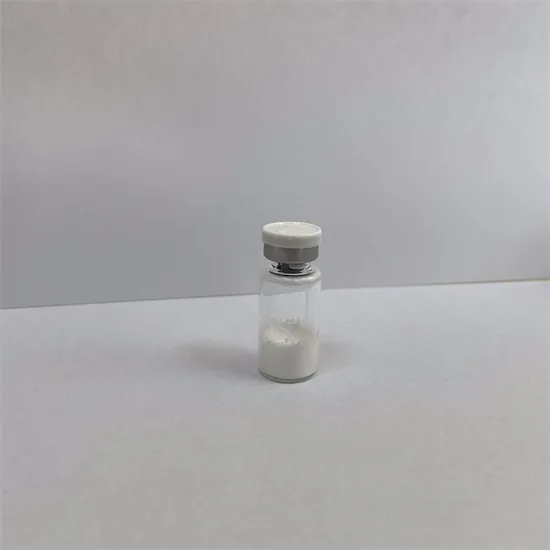
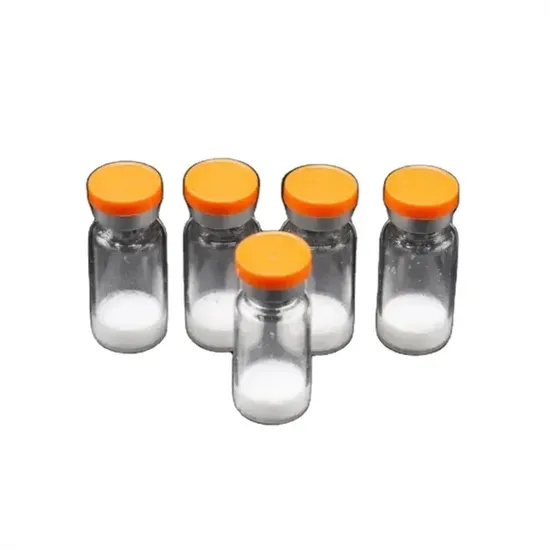
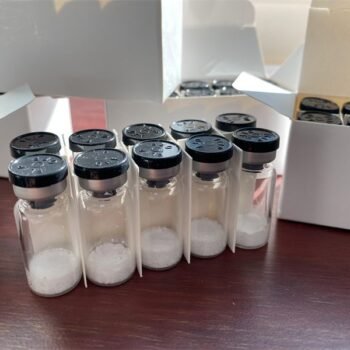
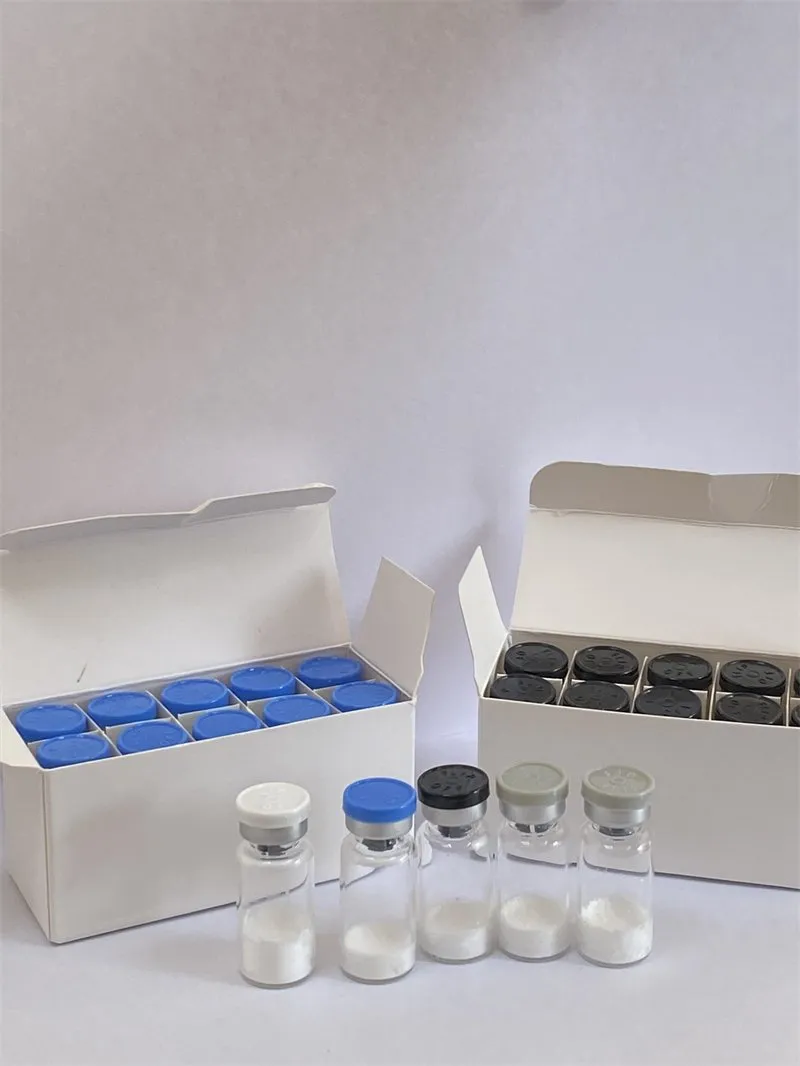
| Form | Lyophilized peptide powder |
| Storage | −20°C, protected from light and moisture |
| Solubility | Soluble in water, PBS, or DMSO |
| Stability | Stable for ≥12 months under recommended conditions |
| Category | Peptide hormone analogue; Smooth muscle stimulant |
| Applications | Reproductive endocrinology, uterine contractility, calcium signaling research |
| Research Area | Pharmacology, Endocrinology, Obstetrics, Biochemistry |
| Intended Use | For laboratory research use only |
Mechanism of Action
Demoxytocin binds with high affinity to oxytocin receptors distributed in uterine and mammary tissues. The activation of these receptors triggers a signaling cascade leading to intracellular calcium mobilization. Increased Ca²⁺ promotes contractile activity in smooth muscle cells, simulating the physiological effects of natural oxytocin.
Its mechanism also involves upregulation of phosphorylated myosin light chain (p-MLC) and modulation of gap junction communication between uterine smooth muscle cells, enhancing synchronized contractions during experimental labor models. Demoxytocin has also been shown to indirectly influence prostaglandin synthesis and oxytocin receptor density, reinforcing its contractile efficacy in reproductive tissues.
The pharmacodynamic response depends on receptor expression levels, ion channel status, and extracellular calcium concentration, making Demoxytocin an ideal model compound for dissecting these interdependent variables in smooth muscle physiology.
Side Effects
Demoxytocin is for laboratory research only, not for human or veterinary use. Documented physiological effects in research contexts include:
Uterine hyperstimulation: at high concentrations, excessive contractions may occur in vitro.
Smooth muscle sensitivity: elevated calcium levels can alter baseline muscle tone.
Transient tachyphylaxis: prolonged exposure may reduce receptor responsiveness.
Handling caution: avoid skin contact or inhalation; use standard PPE and sterile equipment.
Keywords
Demoxytocin, CAS 113-78-0, oxytocin analogue, peptide hormone, smooth muscle contraction, uterine stimulant, calcium signaling, GPCR agonist, labor research, reproductive endocrinology
Shipping Guarantee
All shipments are handled using validated cold-chain logistics to preserve peptide integrity. Each package is sealed in moisture-proof containers with secondary protective wrapping and continuous temperature monitoring. Products are shipped via express international couriers with full tracking and insurance coverage.
Trade Assurance
We ensure product authenticity, verified ≥99% purity, and compliance with analytical standards (HPLC, MS, and NMR). Each batch is supplied with a Certificate of Analysis (CoA). Our trade assurance policy guarantees replacement or refund for any deviation from listed specifications.
Payment Support
We provide flexible and secure global payment options to support international research transactions. Accepted payment methods include PayPal, major credit cards (Visa, MasterCard, American Express), telegraphic transfer (T/T), and cryptocurrencies (USDT, Bitcoin, Ethereum). All transactions are protected by industry-standard encryption and verified payment gateways to ensure confidentiality and fund security.

Additional information
| Weight | 0.9 kg |
|---|---|
| Dimensions | 83 × 43 × 83 cm |
What is Demoxytocin?
Demoxytocin is a synthetic cyclic peptide that mimics the biological activity of oxytocin, stimulating smooth muscle contraction.
What is its CAS number?
CAS 113-78-0.
What are its synonyms?
Deaminooxytocin, Oxytocin Derivative, Synthetic Oxytocin Analogue.
How does Demoxytocin function?
It activates oxytocin receptors, increases intracellular calcium, and promotes muscle contraction.
What research applications does it have?
Uterine contractility, calcium signaling, reproductive endocrinology, and peptide pharmacology.
Is Demoxytocin stable for long-term storage?
Yes, it remains stable for at least 12 months at −20°C under moisture-free conditions.
How should it be reconstituted?
Dissolve in sterile water or PBS to the desired concentration prior to use.
Can it be used for in vivo studies?
Yes, in animal research models only; it is not approved for human administration.
What is its purity?
≥99%, validated by analytical HPLC.
What safety precautions should be taken?
Handle with gloves, lab coat, and eye protection; avoid direct exposure or ingestion.
Related products
High Purity 99.9% Weight Loss Peptide – Raw Material Factory Wholesale at Low Price
Weight Loss Peptide Appearance:Lyophilized powder Grade Standard:Top Quality Original price was: $12.00.$9.80Current price is: $9.80.Tesamorelin Raw Material Factory: Low-Price Wholesale for High-Purity Peptides
Tesamorelin Egrifta; Tesamorelin; 218949-48-5; 804475-66-9; TH9507; ... Compound CID: 16137828 MF: C221H366N72O67S Original price was: $38.00.$23.00Current price is: $23.00.Best-Selling Weight Loss Peptide: Slimming Peptide Reta with Safe Delivery
Weight Loss Peptide Lab-Tested Purity (99%+) – Ensures maximum effectiveness Original price was: $56.00.$23.00Current price is: $23.00.Factory Supply Peptide Healthcare 99% with Safe Delivery
Peptide Healthcare Usage Delta-Sleep Inducing Peptides Purity 99%Over Dose 2mg 5mg 10mg 15mg 20mg Highe Original price was: $28.00.$23.00Current price is: $23.00.

Reviews
There are no reviews yet.