
No products in the cart.
Sale
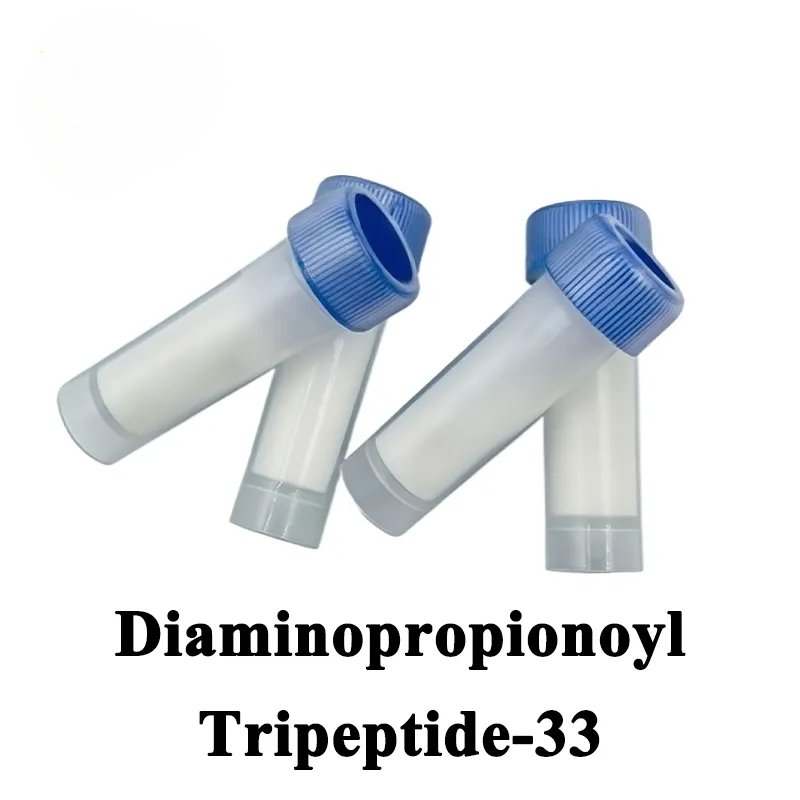
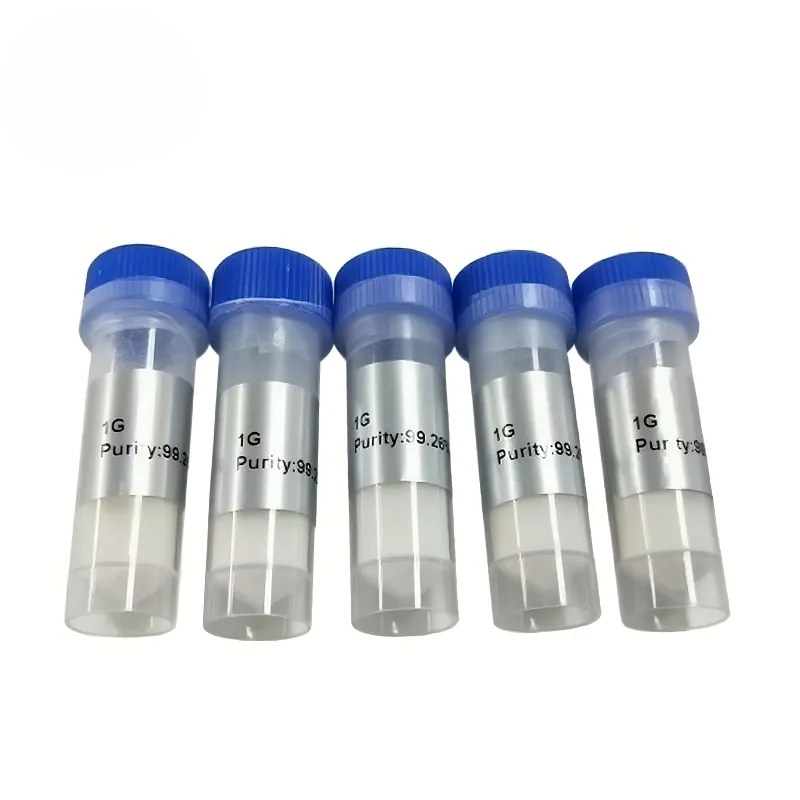

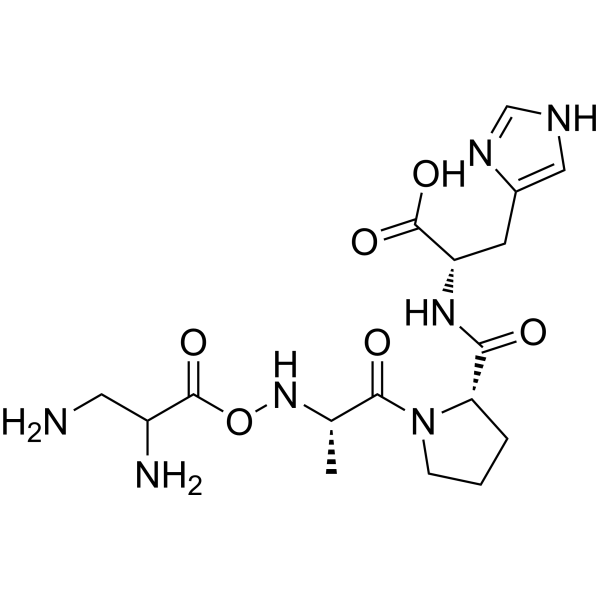
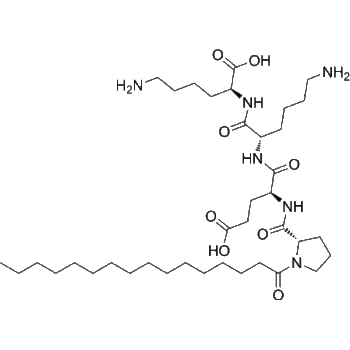
Diaminopropionoyl tripeptide-33 | CAS 1199495-15-2 | Bioactive Peptide for DNA Protection and Anti-Aging
Original price was: $3.00.$2.00Current price is: $2.00.
Diaminopropionoyl tripeptide-33 is a bioactive peptide that protects skin cells from UVA-induced DNA damage, supporting cellular repair and anti-aging research in cosmetic science.

Description
Product Description
Diaminopropionoyl tripeptide-33 (CAS 1199495-15-2) is a small synthetic bioactive peptide recognized for its ability to protect skin cells from UVA-induced DNA damage and oxidative stress. It has become an increasingly valuable ingredient in cosmetic and dermatological research focused on photoprotection, anti-aging, and skin repair. By preventing DNA lesions and enhancing the expression of repair enzymes, Diaminopropionoyl tripeptide-33 supports cellular integrity, longevity, and resistance to environmental aggressors.
In modern skin biology, photoaging caused by ultraviolet (UV) radiation is one of the primary factors accelerating premature aging, wrinkles, and pigmentation irregularities. Diaminopropionoyl tripeptide-33 intervenes at the cellular level, mitigating the cascade of DNA damage and oxidative inflammation triggered by UVA exposure. This peptide not only shields keratinocytes and fibroblasts from oxidative stress but also promotes their repair mechanisms, improving overall skin resilience.
Studies on peptide-based photoprotection indicate that Diaminopropionoyl tripeptide-33 can effectively reduce thymine dimer formation and other mutagenic DNA adducts. By acting on cell signaling pathways related to apoptosis and DNA synthesis, it assists in restoring proper cell cycle balance and maintaining epidermal homeostasis. This makes it a promising candidate for cosmetic formulations that aim to prevent premature aging and maintain youthful skin function.
Beyond its photoprotective properties, Diaminopropionoyl tripeptide-33 is also appreciated for its compatibility with a wide range of cosmetic bases such as creams, serums, gels, and masks. Its molecular weight allows deep skin penetration, enabling targeted cellular activity without irritation. It can be incorporated into anti-aging, antioxidant, and skin-repair formulations designed for research into the long-term preservation of skin quality.
The compound demonstrates antioxidant synergy when combined with other peptides like acetyl hexapeptides and glutathione derivatives, enhancing total cellular defense capacity. Additionally, it supports collagen structure stability and improves fibroblast survival under UV exposure.
From a research perspective, Diaminopropionoyl tripeptide-33 represents a next-generation cosmeceutical molecule that bridges skin biology and molecular genetics, providing valuable insights into how bioactive peptides can influence DNA repair and skin rejuvenation.
Product Specifications
| Property | Value |
|---|---|
| Product Name | Diaminopropionoyl tripeptide-33 |
| CAS Number | 1199495-15-2 |
| Synonyms | Tripeptide-33; DAPT-33 |
| Molecular Formula | C₁₄H₂₆N₆O₅ |
| Molecular Weight | 358.39 g/mol |
| Purity | ≥99% |
| Appearance | White to off-white lyophilized powder |
| Solubility | Soluble in water and ethanol |
| Storage Condition | −20°C, protect from light and moisture |
| Formulation | Lyophilized peptide powder |
| Category | Cosmetic Peptide / Anti-aging Research |
| Applications | DNA protection, UVA defense, anti-aging research, antioxidant formulation |
| Research Area | Skin photobiology, peptide signaling, DNA repair pathways |
| Supplier Type | Factory peptide supplier / peptide wholesale China |
| Intended Use | For laboratory research use only |
Mechanism of Action
Diaminopropionoyl tripeptide-33 functions through multiple cellular and molecular pathways aimed at protecting DNA integrity and maintaining cellular homeostasis. Its primary activity involves modulating the cellular response to oxidative stress and UV radiation, which are key triggers of photoaging and DNA mutation.
When exposed to UVA, skin cells undergo oxidative stress that leads to the formation of reactive oxygen species (ROS) and DNA lesions such as cyclobutane pyrimidine dimers (CPDs). Diaminopropionoyl tripeptide-33 reduces these effects by activating the DNA repair machinery, upregulating key enzymes responsible for base excision repair (BER) and nucleotide excision repair (NER). This process accelerates the correction of damaged nucleotides, thereby reducing mutation accumulation and enhancing genomic stability.
Another mechanism of Diaminopropionoyl tripeptide-33 is its ability to modulate the expression of stress-response proteins, including p53, catalase, and SOD. By maintaining balanced expression levels of these enzymes, the peptide minimizes cellular apoptosis while preserving fibroblast viability and extracellular matrix integrity.
Additionally, this tripeptide has been shown to strengthen mitochondrial function, allowing cells to recover energy balance after oxidative challenge. This contributes to improved cellular longevity and resilience against environmental stressors.
In anti-aging research, Diaminopropionoyl tripeptide-33 also acts as a signaling molecule that enhances extracellular matrix synthesis. It promotes collagen and elastin production, leading to improved skin elasticity and smoothness. It also supports the maintenance of epidermal thickness, delaying the onset of fine lines and sagging associated with intrinsic and extrinsic aging.
From a biochemical standpoint, Diaminopropionoyl tripeptide-33 is stable under formulation conditions, does not interfere with other peptides, and can synergize with antioxidants such as vitamin C, resveratrol, and glutathione to form a comprehensive anti-aging complex.
Overall, its mechanism combines antioxidant defense, DNA repair stimulation, and collagen support, making it an ideal research target for developing next-generation anti-aging formulations.
Side Effects
In laboratory and in vitro settings, Diaminopropionoyl tripeptide-33 has demonstrated excellent biocompatibility and low irritation potential. As a synthetic peptide, it does not contain allergenic proteins or heavy metals commonly associated with other cosmetic additives. However, as with any peptide research compound, appropriate handling and formulation studies are necessary to confirm its compatibility with specific delivery systems.
No cytotoxic or mutagenic effects have been reported in standard cell line models. The peptide exhibits high stability in aqueous and lipid environments, maintaining structural integrity under normal storage conditions.
Researchers should avoid high-concentration exposure that could alter cellular osmotic balance. It is recommended to conduct dose-dependent studies to optimize concentration and assess bioavailability in various formulations.
Diaminopropionoyl tripeptide-33 is intended strictly for research purposes and not for human or animal use. It should not be used in direct-to-consumer formulations without appropriate testing and regulatory approval.
Keywords
Diaminopropionoyl tripeptide-33, peptide wholesale China, factory peptide supplier, DNA protection peptide, anti-aging peptide, UV defense peptide, high-purity cosmetic peptide, China peptide manufacturer, OEM peptide production
Shipping Guarantee
All Diaminopropionoyl tripeptide-33 shipments are handled using validated cold-chain logistics to preserve peptide integrity. Each package is sealed in moisture-proof containers with secondary protective wrapping and continuous temperature monitoring. Products are shipped via express international couriers with full tracking and insurance coverage.
Trade Assurance
We Diaminopropionoyl tripeptide-33 ensure product authenticity, verified ≥99% purity, and compliance with analytical standards (HPLC, MS, and NMR). Each batch is supplied with a Certificate of Analysis (CoA). Our trade assurance policy guarantees replacement or refund for any deviation from listed specifications.
Payment Support
We Diaminopropionoyl tripeptide-33 provide flexible and secure global payment options to support international research transactions. Accepted payment methods include PayPal, major credit cards (Visa, MasterCard, American Express), telegraphic transfer (T/T), and cryptocurrencies (USDT, Bitcoin, Ethereum). All transactions are protected by industry-standard encryption and verified payment gateways to ensure confidentiality and fund security.
Disclaimer
All Diaminopropionoyl tripeptide-33 products listed are intended for laboratory research use only and not for human or veterinary use. They are not drugs, medical devices, or diagnostics and should not be administered to humans or animals. Researchers must handle all materials in accordance with institutional biosafety and chemical safety guidelines. The information provided is for scientific reference only and does not imply therapeutic efficacy, safety, or regulatory approval.

Additional information
| Weight | 1.5 kg |
|---|---|
| Dimensions | 62 × 53 × 62 cm |
What is Diaminopropionoyl tripeptide-33?
Diaminopropionoyl tripeptide-33 is a synthetic bioactive peptide known for its ability to protect DNA from UVA-induced damage and support anti-aging research.
How does Diaminopropionoyl tripeptide-33 work?
It enhances cellular repair by stimulating DNA repair enzymes and reducing oxidative stress in skin cells.
What is the purity level of Diaminopropionoyl tripeptide-33?
The purity is ≥99%, verified by analytical methods such as HPLC and MS.
Can this peptide be purchased in bulk?
Yes, we are a factory peptide supplier offering bulk peptide powder and peptide wholesale China services for research institutions.
Is this peptide suitable for anti-aging research?
Yes, Diaminopropionoyl tripeptide-33 is widely used in studies exploring UV protection, DNA stability, and cellular longevity.
What form is the product supplied in?
It is supplied as a lyophilized powder to ensure maximum stability and shelf life.
How should it be stored?
Store at −20°C, protected from light and humidity.
Is this peptide intended for human use?
No, it is strictly for laboratory research use only.
Can I use this peptide for cosmetic formulation testing?
Yes, it can be used in R&D settings for formulation and compatibility testing under controlled laboratory conditions.
Do you offer OEM or customized peptide production?
Yes, we provide OEM peptide production and China peptide manufacturer services with tailored synthesis options.
Is Diaminopropionoyl tripeptide-33 stable in solution?
It is stable in water and ethanol; solutions should be freshly prepared for best performance.
What analytical data is provided?
Each batch includes CoA, HPLC, and MS verification data.
Can I request a low-price peptide quotation?
Yes, we offer low-price peptide supplier options for bulk and OEM orders.
Does it contain any preservatives or fillers?
No, it is supplied as a pure peptide without additives.
How fast is international delivery?
Most shipments are delivered within 5–7 business days through express couriers.
Related products
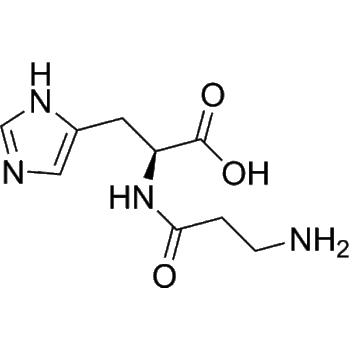
L-Carnosine | CAS 305-84-0 | Endogenous Antioxidant Peptide for Skin Protection and Anti-Aging Research | High Quality Best Price
L-Carnosine is an endogenous dipeptide composed of β-alanine and L-histidine, widely distributed in human tissues. It exhibits strong antioxidant, anti-glycation, and anti-aging properties, making it a key research molecule in skin protection and cosmetic peptide studies.
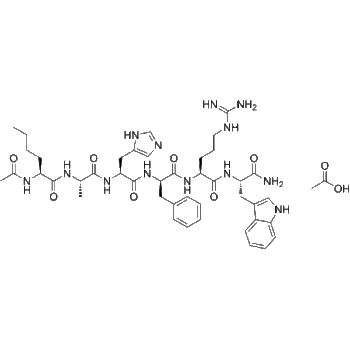
Original price was: $23.00.$15.00Current price is: $15.00.Acetyl hexapeptide-1 acetate | CAS 2828433-36-7 | Anti-Wrinkle Cosmetic Peptide for Skin Aging Research
Acetyl hexapeptide-1 acetate (Melitane acetate) is a bioactive cosmetic peptide designed for anti-wrinkle and skin aging research. It modulates neuromuscular signaling to reduce expression lines and supports laboratory studies on skin relaxation and rejuvenation. Original price was: $3.00.$2.00Current price is: $2.00.Palmitoyl tetrapeptide-20 | Melanogenesis-Activating Peptide for Hair Pigmentation and Anti-Graying Research
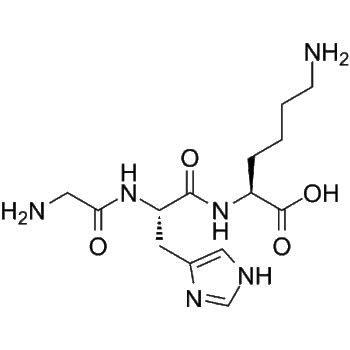
Palmitoyl tetrapeptide-20 (PTP20) is a biomimetic α-MSH agonist peptide studied for its role in hair pigmentation and anti-graying mechanisms. It activates the MC1-R pathway, enhances catalase and SIRT1 activity, and reduces oxidative stress linked to melanin depletion. Original price was: $3.00.$1.00Current price is: $1.00.Glycyl-L-histidyl-L-lysine | CAS 49557-75-7 | Regenerative Tripeptide Precursor for Skin Repair and Anti-Aging Research
Glycyl-L-histidyl-L-lysine (GHK) is a naturally occurring tripeptide composed of glycine, histidine, and lysine. It plays a pivotal role in skin regeneration, collagen synthesis, and antioxidant protection, making it a cornerstone compound in cosmetic peptide research. Original price was: $28.00.$16.00Current price is: $16.00.
Reviews
There are no reviews yet.