
No products in the cart.
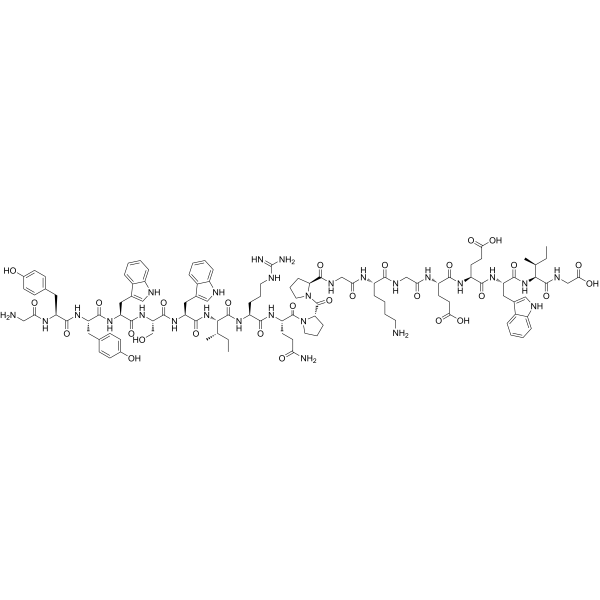
Edratide (TV 4710) – Synthetic CDR1 Peptide – High Purity 99.95%
$16.00
Edratide (TV 4710) is a synthetic 19-amino-acid peptide derived from the CDR1 region of a human anti-DNA antibody (idiotype 16/6 Id). It modulates apoptosis by downregulating caspase-8 and caspase-3 and upregulating Bcl-xL. Purity 99.95%, GMP-manufactured. For wholesale and retail. For laboratory research use only.?For wholesale prices, other specifications and uses, please consult our staff?
Description
Edratide (also known as TV 4710) is a precisely engineered synthetic 19-amino-acid peptide, based on the complementarity-determining region 1 (CDR1) of a human monoclonal anti-DNA antibody expressing the major idiotype 16/6 Id, which is associated with systemic lupus erythematosus (SLE) pathophysiology.
The peptide reproduces a key structural motif implicated in modulating immune cell survival and inflammatory pathways. In preclinical studies, Edratide reduces apoptosis, by downregulating the apoptotic initiator caspase-8 and executioner caspase-3, while upregulating the anti-apoptotic protein Bcl-xL. This regulatory shift can modulate autoreactive immune cell survival—a central feature in SLE disease models.
Edratide has demonstrated potential in numerous animal models of SLE, showing improvement in clinical and histological markers, including decreased autoantibody production, reduced renal immune complex deposition, and better survival compared with controls. Its immunomodulatory actions, via apoptosis regulation, highlight mechanisms relevant to B-cell tolerance, T-cell regulation, and immune-complex mediated pathology.
Manufactured under GMP-compliant conditions, Edratide is provided as a stable lyophilized peptide with exceptional purity (99.95%), supporting reproducible and robust research outcomes. Each batch includes a Certificate of Analysis (CoA) for identity and purity verification—essential for documentation in rigorous preclinical studies and GLP-adjacent research workflows.
Product Specifications
| Parameter | Details |
|---|---|
| Product Name | Edratide (TV 4710) |
| Synonyms | CDR1-derived SLE peptide; anti-DNA antibody CDR1 mimic |
| CAS No. | 433922-67-9 |
| Peptide Sequence | 19-mer CDR1–based sequence (custom) |
| Mechanism | Modulates apoptosis; reduces caspase-8 & caspase-3, upregulates Bcl-xL |
| Purity | 99.95% (GMP-grade) |
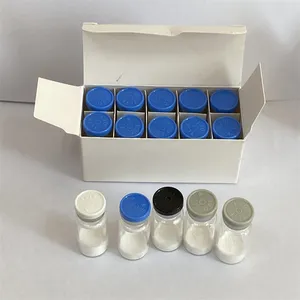
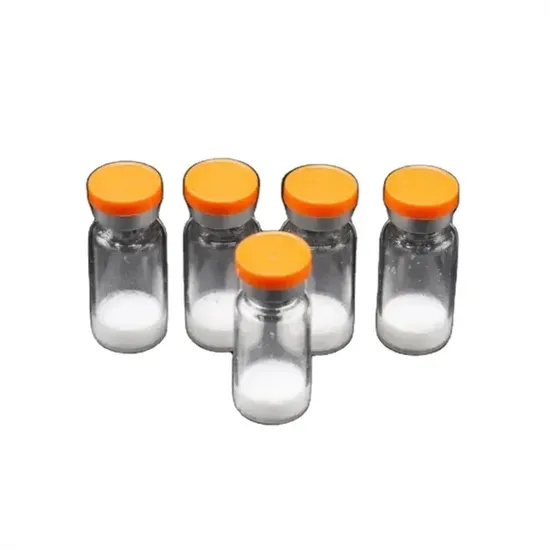
| Form | Lyophilized peptide powder |
| Appearance | White to off-white lyophilized cake |
| Solubility | Soluble in water, PBS, or sterile buffer solutions |
| Storage | Store at –20 °C, protected from light and moisture |
| Documentation | CoA with HPLC and MS identity included |
| Applications | SLE research, apoptosis modulation, autoimmune mechanisms, peptide immune therapy studies |
| Regulatory Statement | For laboratory research use only. Not for clinical use. |
Mechanism of Action & Research Applications
Mechanism of Action
Edratide replicates a key immunoregulatory epitope found in the CDR1 region of a human anti-DNA idiotype. The peptide exerts anti-apoptotic and modulatory effects by influencing the caspase cascade and Bcl-xL expression. This shifts immune cells’ propensity for programmed cell death, affecting autoreactive B and T cell lifespans and influencing SLE-like pathology.
Research Applications
1. Systemic Lupus Erythematosus (SLE) Models
Used to probe the role of apoptosis in SLE pathogenesis.
Evaluated in mouse SLE models for its capacity to reduce nephritis severity, autoantibody titers, and glomerular immune complex deposition.
2. Apoptosis Signaling Studies
Edratide helps dissect caspase-mediated pathways: it attenuates caspase-8 and caspase-3 activation and boosts Bcl-xL levels.
Useful in identifying survival thresholds in immune cell populations.
3. Immune Tolerance & B-Cell Regulation
Applied in studies of B-cell selection and tolerance, given its CDR1 origin from an idiotype with regulatory potential.
May help model interventions that shift autoreactive clones toward survival or deletion.
4. Preclinical Drug Screening
Serves as a reference peptide for screening small molecules or biologics targeting apoptotic or survival pathways in autoimmunity.
5. Immunotherapy Research
Useful for exploring peptide-based tolerogens that alter pathogenic autoantibody production.
Development & Formulation Notes
Reconstitution & Handling
Reconstitute lyophilized Edratide in sterile buffer (e.g., PBS) to desired stock concentration (commonly 1 mg/mL).
Store aliquots at –20 °C; for long-term stability, keep at –80 °C.
Avoid repeated freeze–thaw cycles.
Assay Design
Common in vitro assays include measuring caspase activity, Bcl-xL expression, and apoptosis rates via annexin V or TUNEL assays.
In vivo studies focus on renal histopathology, autoantibody levels, survival, and clinical scoring in lupus-prone strains.
Experimental Considerations
Monitor dosing frequency and pharmacodynamics—frequent administration may be needed due to peptide metabolism.
Check immune complex deposition and tissue-level caspase signaling to confirm efficacy.
Analytical Validation
Confirm peptide integrity through HPLC and/or mass spectrometry as needed.
Calibrate doses using peptide concentration assays or UV absorbance for accuracy.

Disclaimer
Edratide (TV 4710) is intended solely for laboratory research use. It is not approved for clinical, diagnostic, or therapeutic applications. The user is responsible for adherence to institutional and regulatory safety protocols. All described uses are research-context only and should not be construed as medical guidance or treatment recommendations.
Keywords
Edratide; TV 4710; CDR1 peptide; SLE research peptide; caspase modulator; apoptosis inhibitor peptide; Bcl-xL upregulation; autoimmune research tool; GMP-grade peptide; lupus mechanism peptide; complementarity-determining region 1 mimic; antigenic peptide.
Additional information
| Weight | 0.8 kg |
|---|---|
| Dimensions | 62 × 42 × 62 cm |
1. What is Edratide and what does it do?
Edratide (TV 4710) is a synthetic 19-amino-acid peptide based on the CDR1 region of a human anti-DNA antibody. It reduces apoptosis by downregulating caspase-8 and caspase-3 while increasing Bcl-xL, making it a valuable tool in SLE and immune tolerance research.
2. How is Edratide used in systemic lupus erythematosus research?
Edratide is used in preclinical SLE models to study its effects on autoimmunity. It reduces apoptotic cell signaling, lowers autoantibody levels, and ameliorates renal inflammation, helping researchers understand autoantigen tolerance mechanisms.
3. What is the purity and quality control of Edratide?
Edratide is manufactured under GMP standards with 99.95% purity. Each lot comes with a Certificate of Analysis including HPLC purity and mass spectrometry data to ensure identity and consistency.
4. How should Edratide be stored and reconstituted?
Store the lyophilized peptide at –20 °C, protected from light and moisture. Reconstitute in sterile buffer (e.g., PBS) to desired concentration, aliquot, and avoid multiple freeze–thaw cycles.
5. Can Edratide be used clinically?
No. Edratide is strictly for laboratory research use only. It is not approved for clinical, therapeutic, or diagnostic use.
6. What experimental systems is Edratide best suited for?
Edratide is ideal for apoptosis assays, SLE murine models, immune complex analysis, and studies of Bcl-xL/caspase signaling in autoimmune research.
7. Is bulk ordering available for long-term research?
Yes. Edratide is available in both retail and wholesale quantities, with batch reservation for ongoing studies and GMP-grade production.
8. What delivery methods are compatible for Edratide in vivo studies?
Edratide can be administered via intravenous, subcutaneous, or local delivery in mice. For extended action, consider slow-release formulations with controlled release systems or hydrogels, optimizing dosing per model.
Related products
Semaglutide finished product (lyophilized powder) wholesale Supplier
Semaglutide finished product (lyophilized powder) wholesale $1.00Retatrutide cost with insurance
Retatrutide cost with insurance Original price was: $38.00.$26.00Current price is: $26.00.Retatrutide Raw Material Factory: Low-Price Wholesale for High-Purity Peptides
Retatrutide MOQ 1 Box Source Dry Powder Original price was: $38.00.$22.00Current price is: $22.00.Tesamorelin Raw Material Factory: Low-Price Wholesale for High-Purity Peptides
Tesamorelin Egrifta; Tesamorelin; 218949-48-5; 804475-66-9; TH9507; ... Compound CID: 16137828 MF: C221H366N72O67S Original price was: $38.00.$23.00Current price is: $23.00.
Reviews
There are no reviews yet.