
No products in the cart.
Sale
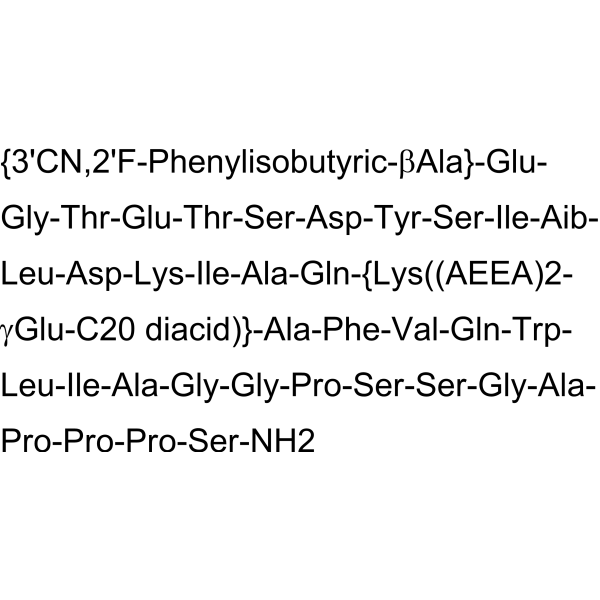
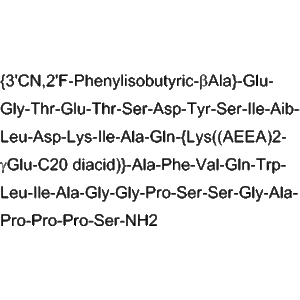
Enicepatide | CAS 2869147-44-2 | Dual GIP/GLP-1 Receptor Agonist for Antidiabetic Research
Original price was: $22.00.$16.00Current price is: $16.00.
Enicepatide (CAS 2869147-44-2) is a dual GIP and GLP-1 receptor agonist designed for metabolic and endocrine research. It is a promising peptide tool in studies exploring insulin regulation, glucose tolerance, and metabolic diseases such as diabetes and obesity.
Description
Product Description
Enicepatide is a potent dual receptor agonist targeting both gastric inhibitory polypeptide (GIP) and glucagon-like peptide-1 (GLP-1) receptors, two key regulators of insulin secretion and glucose metabolism. This peptide mimetic represents a next-generation approach for metabolic research focused on type 2 diabetes, obesity, and related endocrine dysfunctions.
By simultaneously activating GIP and GLP-1 pathways, Enicepatide promotes glucose-dependent insulin release, improves β-cell responsiveness, and reduces glucagon secretion. Its dual action makes it an ideal molecular probe to investigate synergistic mechanisms in incretin-based research and to model the effects of dual agonist therapies in preclinical studies.
Enicepatide has shown favorable pharmacodynamic characteristics in vitro and in vivo, including prolonged receptor engagement and enhanced insulinotropic activity compared with single-agonist analogs. Its capacity to modulate both glucose uptake and lipid metabolism provides researchers with a versatile compound for metabolic and endocrinological experiments.
In cell-based models, Enicepatide improves glucose-stimulated insulin secretion and reduces hepatic glucose production. In animal models, dual activation of GIP and GLP-1 receptors by Enicepatide has been shown to reduce body weight gain, improve insulin sensitivity, and modulate appetite-regulating hormones. These combined effects highlight its relevance in diabetes pathophysiology, metabolic syndrome modeling, and adipose-liver axis research.
Product Specifications
| Property | Description |
|---|---|
| Product Name | Enicepatide |
| CAS Number | 2869147-44-2 |
| Synonyms | Dual GIP/GLP-1 receptor agonist |
| Molecular Formula | CₓHᵧNᵧOᵧ (available upon request) |
| Purity | ≥99% |
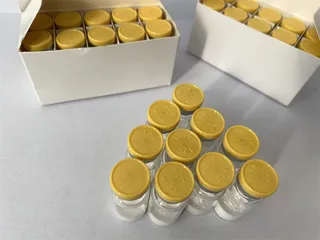
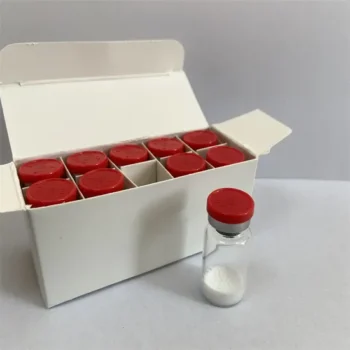
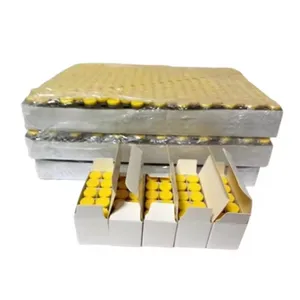
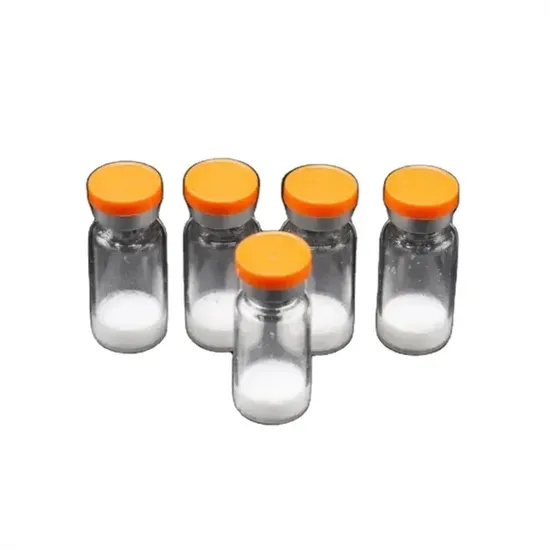
| Form | Lyophilized peptide powder |
| Storage | −20°C, protected from light and moisture |
| Solubility | Soluble in water, PBS, or DMSO |
| Stability | Stable for ≥12 months under recommended conditions |
| Category | Incretin mimetic peptide; GPCR agonist |
| Applications | Diabetes research; Insulin regulation; Glucose tolerance studies |
| Research Area | Endocrinology; Metabolism; Pharmacology; Biochemistry |
| Intended Use | For laboratory research use only |
Mechanism of Action
Enicepatide exerts its biological effects through simultaneous activation of GIP and GLP-1 receptors, both of which are class B G protein-coupled receptors (GPCRs) that play crucial roles in glucose metabolism and energy regulation.
Upon receptor binding, Enicepatide initiates adenylate cyclase activation, increasing intracellular cyclic AMP (cAMP) levels. This cascade enhances protein kinase A (PKA) and Epac2 activity, leading to insulin granule exocytosis in pancreatic β-cells. At the same time, Enicepatide suppresses glucagon release from α-cells, reducing hepatic glucose output and improving glucose homeostasis.
The dual agonism also influences satiety and energy expenditure via central nervous system signaling, affecting hypothalamic pathways that regulate appetite and body weight. GIP receptor activation contributes to lipid storage and energy partitioning, whereas GLP-1 receptor activation enhances insulinotropic and anorexigenic responses. Together, these effects replicate the balanced physiological role of incretin hormones, offering a research platform to study synergistic incretin pharmacology.
In cellular assays, Enicepatide has been shown to induce β-cell proliferation and improve mitochondrial function, indicating its potential role in β-cell preservation under metabolic stress. Furthermore, it can enhance AMPK signaling and reduce oxidative stress markers in hepatocytes, suggesting additional benefits in the study of fatty liver disease and insulin resistance.
Side Effects
In preclinical research contexts, Enicepatide has shown a generally favorable safety profile when compared to monotherapy peptides. However, as with all incretin-based compounds, several dose-dependent physiological responses may occur.
Possible observed effects in experimental models include transient gastrointestinal disturbances, such as decreased gastric emptying or mild nausea, due to GLP-1 receptor activation. Prolonged exposure may lead to adaptive receptor desensitization or downregulation of insulin sensitivity in certain tissues under high-dose conditions.
Animal studies have reported mild reductions in food intake, increased plasma amylase levels, and occasional hepatic lipid redistribution, reflecting expected incretin pharmacology. There is no evidence of direct cytotoxicity or mutagenic activity under research conditions.
As with all research-grade peptides, handling should follow standard biosafety procedures. The compound is for laboratory research use only and not intended for human or clinical applications.
Disclaimer
All information provided is for research and laboratory purposes only. Enicepatide is not approved for human or veterinary use. Researchers should verify compound suitability and regulatory compliance prior to experimentation.
Keywords
Enicepatide peptide, dual GIP/GLP-1 receptor agonist, incretin mimetic, GLP-1 analog, diabetes research peptide, antidiabetic study, metabolic disorder model, insulin secretion modulator, incretin signaling peptide, glucose regulation research
Shipping Guarantee
All shipments are handled using validated cold-chain logistics to preserve peptide integrity. Each package is sealed in moisture-proof containers with secondary protective wrapping and continuous temperature monitoring. Products are shipped via express international couriers with full tracking and insurance coverage.
Trade Assurance
We ensure product authenticity, verified ≥99% purity, and compliance with analytical standards (HPLC, MS, and NMR). Each batch is supplied with a Certificate of Analysis (CoA). Our trade assurance policy guarantees replacement or refund for any deviation from listed specifications.

Additional information
| Weight | 0.8 kg |
|---|---|
| Dimensions | 62 × 53 × 62 cm |
Q1: What makes Enicepatide unique compared to traditional GLP-1 agonists?
A1: Enicepatide activates both GIP and GLP-1 receptors, providing enhanced insulin secretion and improved metabolic regulation compared to single-receptor agonists.
Q2: What is the recommended storage condition for Enicepatide?
A2: Store the lyophilized peptide at −20°C, protected from moisture and light.
Q3: Can Enicepatide be dissolved in aqueous buffers?
A3: Yes, it dissolves well in sterile water, PBS, or DMSO depending on experimental requirements.
Q4: What purity level is guaranteed?
A4: All Enicepatide batches are verified to have a purity of ≥99%.
Q5: Is Enicepatide suitable for clinical use?
A5: No, this product is strictly for laboratory research use only.
Q6: Which research fields commonly utilize Enicepatide?
A6: It is widely used in endocrinology, metabolic disease research, and pharmacological studies.
Q7: What assays can Enicepatide be used for?
A7: It can be applied in receptor-binding, insulin secretion, and glucose metabolism assays.
Q8: How does dual receptor activation benefit research models?
A8: It allows researchers to explore synergistic effects of incretin signaling and develop multi-pathway metabolic insights.
Q9: Can Enicepatide be co-administered with GLP-1 analogs in studies?
A9: Yes, for comparative or synergistic studies under controlled conditions.
Q10: Is a Certificate of Analysis (CoA) provided?
A10: Yes, each batch includes a detailed CoA confirming peptide identity, purity, and analytical data.
Related products
Tirzepatide Raw Material Factory: Low-Price Wholesale for High-Purity Peptides
Tirzepatide Compound CID: 163285897 MF: C225H348N48O68 diabetes [9][13][14][15] and for weight loss Original price was: $38.00.$23.00Current price is: $23.00.Wholesale 99% Purity Epitalon Peptide Raw Powder for Skin Repair
Epitalon Peptide Raw Powder for Skin Repair Original price was: $33.00.$22.00Current price is: $22.00.Tesamorelin Raw Material Factory: Low-Price Wholesale for High-Purity Peptides
Tesamorelin Egrifta; Tesamorelin; 218949-48-5; 804475-66-9; TH9507; ... Compound CID: 16137828 MF: C221H366N72O67S Original price was: $38.00.$23.00Current price is: $23.00.Semaglutide Raw Material Factory: Low-Price Wholesale for High-Purity Peptides
Semaglutide Compound CID: 56843331 MF: C187H291N45O59Purity: 99%
Form: Lyophilized powder
Dosage Options: 5mg, 10mg, 15mg per vial
Packaging: Secure box packaging
Shelf Life: 2 years (store in a cool, dry place)
MOQ: 1 box




Reviews
There are no reviews yet.