
No products in the cart.
Sale

EPO Mimetic Peptide-1 | CAS 186526-28-3 | Erythropoietin Receptor Agonist for Hematopoiesis Research
Original price was: $42.00.$38.00Current price is: $38.00.
EPO Mimetic Peptide-1 (EMP-1) is a synthetic erythropoietin receptor (EPOR) agonist peptide. It mimics EPO’s biological activity, promoting red blood cell precursor proliferation and differentiation. EMP-1 serves as a research tool in hematopoiesis, erythroid signaling, and anemia therapy studies.
Description
Product Description
EPO Mimetic Peptide-1 (EMP-1) is a 20-amino-acid peptide that mimics the biological effects of erythropoietin (EPO) by binding to and activating the erythropoietin receptor (EPOR). Unlike recombinant erythropoietin, which is a large glycoprotein hormone, EMP-1 is a much smaller peptide that offers advantages in synthesis, stability, and molecular manipulation, making it an ideal agent for fundamental and translational hematopoietic studies.
EPO plays a central role in erythropoiesis by promoting the survival, proliferation, and differentiation of erythroid progenitor cells in the bone marrow. EMP-1 mimics these effects, acting as a potent stimulator of erythropoietic signaling cascades in vitro and in vivo.
Research Background
The discovery of EMP-1 was driven by efforts to design small, bioactive peptide mimetics of erythropoietin that could selectively activate EPOR without the complexity of the native glycoprotein. EMP-1 binds to the extracellular domain of EPOR and induces receptor dimerization, which triggers downstream phosphorylation cascades leading to the activation of JAK2/STAT5, PI3K/AKT, and MAPK pathways.
This receptor activation enhances erythroid progenitor proliferation and delays apoptosis, ultimately leading to an increased number of mature erythrocytes. EMP-1 has been demonstrated to increase reticulocyte counts in preclinical models and is considered a prototype molecule for the development of next-generation erythropoiesis-stimulating agents (ESAs).
Key Research Features
Erythropoietin Receptor Activation – Mimics endogenous EPO by binding EPOR and activating JAK2/STAT5 signaling.
Cell Proliferation Enhancement – Stimulates erythroid progenitor cell proliferation in vitro.
In Vivo Reticulocyte Induction – Promotes reticulocytosis and increases red cell mass.
Non-Glycosylated Peptide Form – Simplifies synthesis and ensures chemical stability.
Mechanistic Research Tool – Ideal for studying EPOR signaling and erythroid differentiation.
Research Applications
Hematopoiesis and erythroid differentiation studies
Development of erythropoietin mimetics and ESAs
JAK2/STAT5 pathway investigation
Cell survival and apoptosis regulation studies
Preclinical anemia and hypoxia models
EPO Mimetic Peptide-1 offers a stable and bioactive research alternative to recombinant erythropoietin, allowing for deeper mechanistic exploration of red blood cell development and related disease models.
Product Specifications
| Property | Description |
|---|---|
| Product Name | EPO Mimetic Peptide-1 |
| CAS Number | 186526-28-3 |
| Synonyms | EMP-1; Erythropoietin mimetic peptide 1 |
| Molecular Formula | C₁₁₀H₁₈₁N₃₅O₂₇ |
| Molecular Weight | ~2350 Da |
| Sequence | Not disclosed (20 amino acids) |
| Mechanism | Erythropoietin receptor (EPOR) agonist |
| Biological Activity | Stimulates erythroid cell proliferation; induces reticulocyte formation |
| Purity | ≥98% (HPLC) |
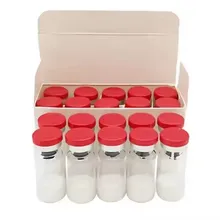
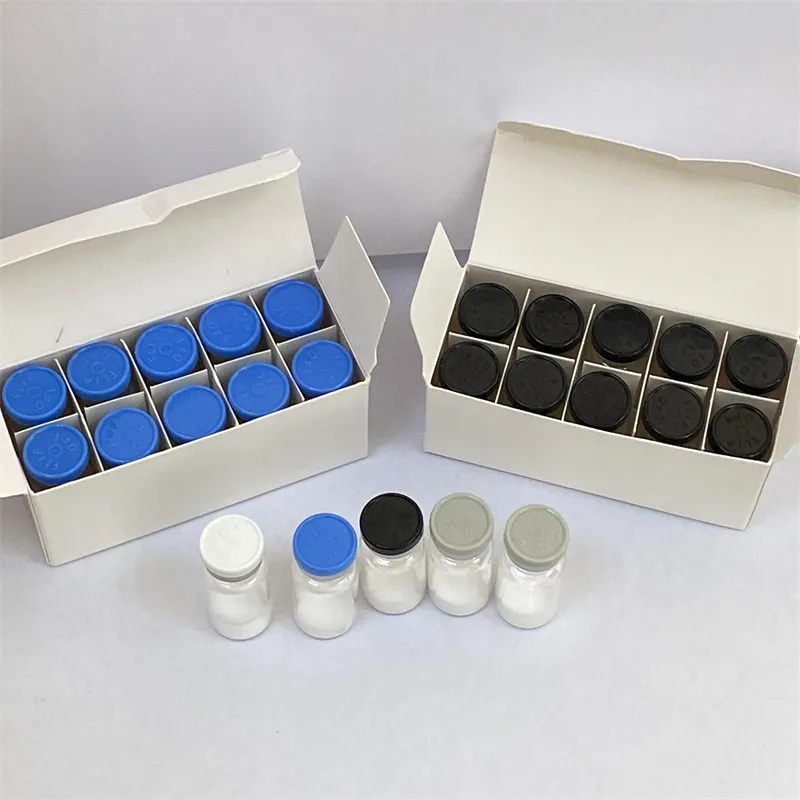
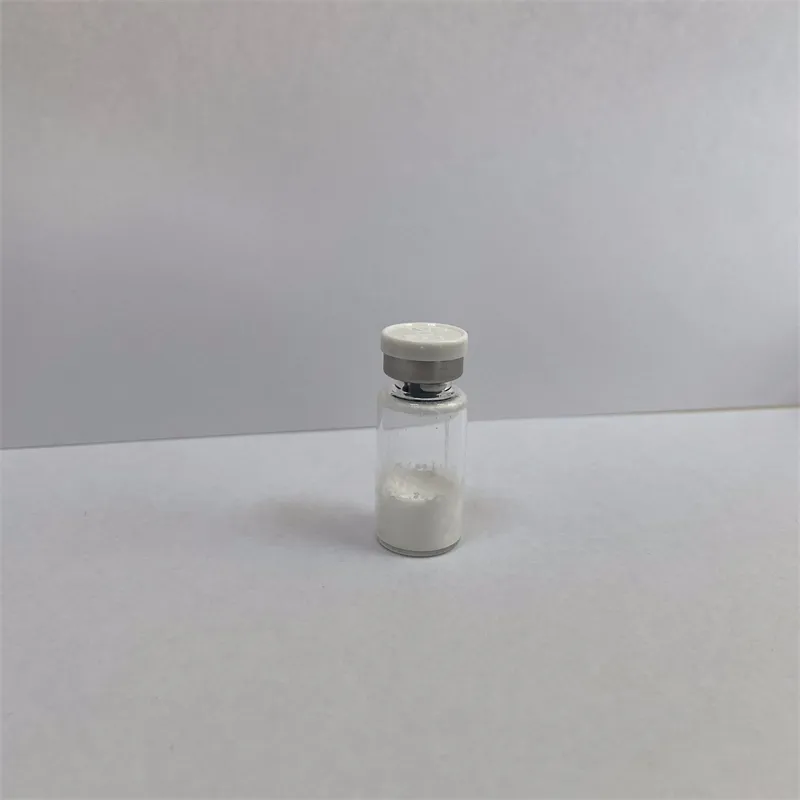
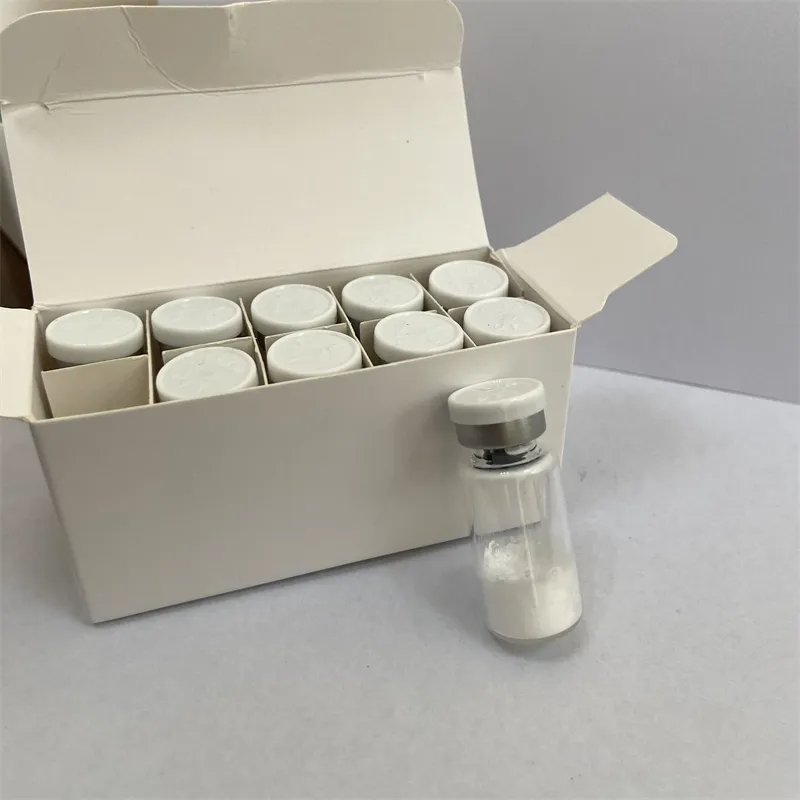
| Appearance | White to off-white lyophilized powder |
| Solubility | Soluble in water, PBS, or DMSO |
| Storage Conditions | -20°C, desiccated, protected from light |
| Stability | Stable for ≥2 years under recommended conditions |
| Applications | Hematopoiesis, anemia, EPOR signaling, ESA research |
| QC Tests | HPLC, Mass Spectrometry, NMR |
Mechanism of Action
EPO Mimetic Peptide-1 functions by directly engaging the erythropoietin receptor (EPOR), mimicking the natural ligand EPO. This interaction promotes receptor dimerization, leading to the activation of downstream kinases and transcription factors that regulate erythroid lineage commitment.
EPOR Activation
EMP-1 binds to the extracellular domain of EPOR, initiating receptor dimerization and activation.JAK2/STAT5 Pathway
The receptor-associated JAK2 kinase becomes phosphorylated and subsequently activates STAT5, a transcription factor that regulates erythroid gene expression.PI3K/AKT and MAPK Pathways
Secondary signaling cascades promote cell cycle progression, survival, and metabolic activity within erythroid progenitors.Functional Outcome
The net result is increased erythroid cell proliferation, reduced apoptosis, and elevated reticulocyte output, mirroring the effects of erythropoietin.
This makes EMP-1 a versatile and scalable peptide model for studying erythropoietic regulation and red blood cell biology.

Side Effects
Although EPO Mimetic Peptide-1 is primarily for research use, potential biological responses observed in models include:
Hematological Changes – Excessive erythroid proliferation or polycythemia at high concentrations.
Cardiovascular Stress – Elevated hematocrit may impact vascular resistance in vivo models.
Cellular Adaptation – Long-term exposure can desensitize EPOR signaling.
Off-Target Signaling – Possible cross-activation of cytokine-related pathways under certain conditions.
Researchers should apply controlled dosing and appropriate in vitro/in vivo experimental designs to ensure reproducibility and accuracy.
Disclaimer
For research use only. Not for human or veterinary use. Not intended for diagnostic or therapeutic purposes.
Keywords
EPO mimetic peptide-1, EMP-1, erythropoietin receptor agonist, EPOR peptide, hematopoiesis research, anemia model, JAK2/STAT5 signaling, red blood cell differentiation, CAS 186526-28-3, erythropoietin mimetic compound
Shipping Guarantee
All products are shipped with tax-inclusive clearance, full cold-chain protection, and loss/damage insurance.
Transaction Guarantee
We accept T/T, PayPal, and cryptocurrency. Secure global delivery with professional documentation support.
Additional information
| Weight | 0.8 kg |
|---|---|
| Dimensions | 62 × 42 × 62 cm |
What is EPO Mimetic Peptide-1 (EMP-1)?
EPO Mimetic Peptide-1 (EMP-1) is a synthetic 20–amino-acid peptide that mimics the activity of erythropoietin (EPO) by activating the erythropoietin receptor (EPOR). It is used as a research tool to study erythropoiesis, EPOR signaling, and anemia models.
What is the CAS number for EMP-1?
CAS No. 186526-28-3.
How does EMP-1 work?
EMP-1 binds to EPOR on erythroid progenitor cells, promotes receptor dimerization and JAK2 activation, and triggers downstream signaling pathways (JAK2/STAT5, PI3K/AKT, MAPK) that drive proliferation, survival, and differentiation of red-blood-cell precursors.
What research applications is EMP-1 suitable for?
EMP-1 is commonly used in: hematopoiesis research, in vitro erythroid proliferation assays, preclinical anemia and hypoxia models, studies of EPOR/JAK2 signaling, and development of erythropoiesis-stimulating agents (ESAs).
What form and purity are provided?
EMP-1 is supplied as a white to off-white lyophilized powder, typically ≥98% purity as determined by HPLC. A Certificate of Analysis (COA) is provided with each lot.
How should EMP-1 be stored and handled?
Store lyophilized EMP-1 at −20°C in a desiccated, light-protected container. Reconstitute with sterile water, PBS, or DMSO according to experimental needs and aliquot to avoid repeated freeze–thaw cycles. Use appropriate PPE and biosafety practices.
What concentrations are typically used in vitro and in vivo?
Typical in vitro working concentrations vary depending on assay and cell type (commonly in the low nanomolar to micromolar range). In vivo dosing depends on species and study design; researchers should consult literature and perform dose-finding studies. Always start with conservative dosing and follow institutional animal care guidelines.
Are there known adverse effects or experimental cautions?
Overstimulation can lead to excessive erythroid proliferation or elevated hematocrit in vivo. High or prolonged doses may desensitize EPOR signaling. Monitor hematological parameters in animal studies and design dose/time courses to minimize off-target effects.
Can EMP-1 replace recombinant EPO in experiments?
EMP-1 is a useful research surrogate for studying EPOR activation and downstream biology, but it is not a functional therapeutic equivalent to glycosylated recombinant EPO in all contexts. Depending on experimental goals (e.g., clinical translation, PK/PD), recombinant EPO may still be required.
What documentation and support are provided with orders?
Each shipment includes a COA, HPLC and MS data summary, and handling/storage recommendations. Technical support for experimental design, dosing guidance, and analytical verification is available upon request via our technical support team.
Related products
USA-Peptide-Janoshik Lyophilized Peptide Raw Powder for Muscle Building & Weight Loss
Lyophilized peptide raw powder Moq:10 vials per box Appearance:Lyophilized powder Original price was: $32.00.$24.00Current price is: $24.00.Wholesale Cibinetide Peptide Sterile Solution
Cibinetide Sterile Solution is a synthetic, tissue-protective erythropoietin-derived peptide engineered for research use in inflammation, neuroprotection, and cellular stress-response models. Its high purity, GMP-compliant preparation, and ready-to-use sterile formulation make it ideal for laboratories requiring consistent, reproducible peptide performance in advanced mechanistic studies.(For research use only. Not for human or veterinary use) Original price was: $38.00.$22.00Current price is: $22.00.Retatrutide cost with insurance
Retatrutide cost with insurance Original price was: $38.00.$26.00Current price is: $26.00.Cosmetic Peptide Raw Material Factory – Low Price Wholesale Direct from China
Cosmetic Peptide Appearance: Lyophilized powder Dose 2mg 5mg 10mg 15mg 20mg Higher Original price was: $42.00.$22.00Current price is: $22.00.


Reviews
There are no reviews yet.