
No products in the cart.
Sale

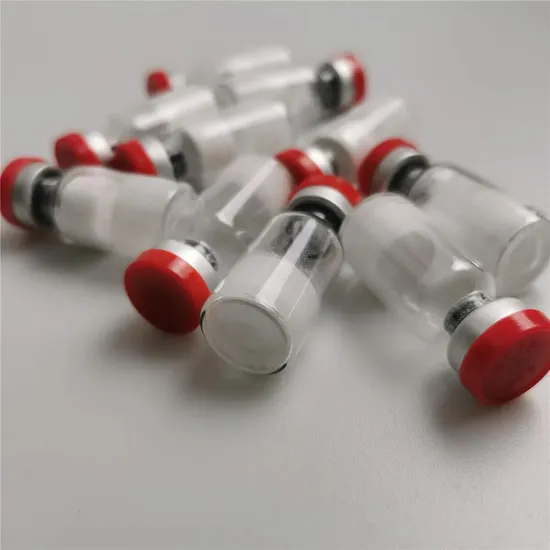
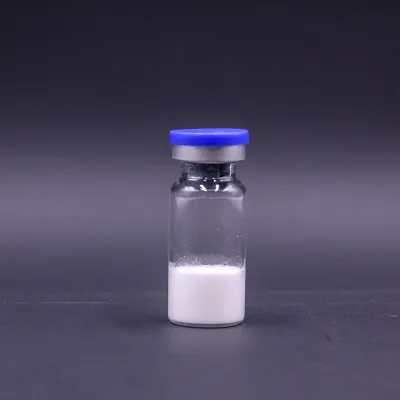
Exendin-4 Peptides Powder – High Purity Research Peptide for Laboratory Use
Original price was: $38.00.$26.00Current price is: $26.00.
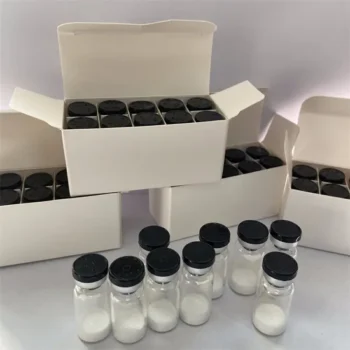
Exendin-4 Peptides Powder is a high-purity synthetic peptide designed for advanced laboratory research applications. Manufactured under GMP-compliant conditions, it offers consistent bioactivity, stability, and sterility for in vitro and in vivo studies. Bulk and OEM/customizable options are available, making it ideal for laboratories seeking cost-effective, high-quality peptide reagents for metabolic, pharmacological, and molecular signaling research.
Description
Contents
hide
Product Description
Exendin-4 Peptides Powder is a research-grade, high-purity synthetic peptide widely used for molecular, cellular, and in vivo studies related to metabolism, pancreatic function, and receptor-mediated signaling. Produced under GMP-compliant conditions, it ensures excellent stability, sterility, and reproducibility, providing reliable results for mechanistic and functional research. Its lyophilized format allows long-term storage stability and convenient reconstitution for experimental use.
The peptide is fully customizable, supporting modifications to sequence, concentration, excipients, and packaging. Bulk supply and low-cost wholesale availability make it suitable for high-throughput experiments, multi-lab collaborations, and large-scale animal studies. Each batch undergoes rigorous HPLC, mass spectrometry, and amino acid analysis, guaranteeing ≥98% purity and consistent biological activity.
In in vitro applications, Exendin-4 is used to study GLP-1 receptor activation, signal transduction, insulin secretion, and receptor-ligand interactions. It is compatible with primary pancreatic cells, immortalized cell lines, organoids, and tissue slices, enabling detailed investigation of metabolic, pharmacological, and receptor-mediated effects. High purity ensures minimal off-target interactions and precise experimental control.
For in vivo research, Exendin-4 Peptides Powder supports rodent studies evaluating glucose metabolism, insulin secretion, weight regulation, and receptor-specific signaling. Its stable formulation allows accurate dosing, reproducible pharmacodynamics, and integration with multi-omic and computational studies. Researchers can combine transcriptomic, proteomic, metabolomic, and lipidomic data to analyze system-level effects of peptide administration.
The peptide is also suitable for high-throughput screening, combinatorial studies, and mechanistic modeling. Low endotoxin content (<0.1 EU/µg) and solubility in aqueous buffers facilitate experimental use without compromising peptide integrity. Researchers can conduct acute, dose-response, or chronic studies while maintaining sterility and bioactivity.
Exendin-4 Peptides Powder represents a versatile, high-quality research tool, combining reproducibility, flexibility, and GMP-grade quality. Its high purity, factory manufacturing, and bulk availability make it ideal for laboratories seeking reliable, customizable peptide reagents for cutting-edge research in metabolism, pharmacology, and molecular biology.

Product Specifications
| Parameter | Details |
|---|---|
| Product Name | Exendin-4 Peptides Powder |
| Form | Lyophilized powder |
| Purity | ≥98% (HPLC) |
| Molecular Formula | Sequence-specific; provided per COA |
| Molecular Weight | Sequence-dependent; specified in COA |
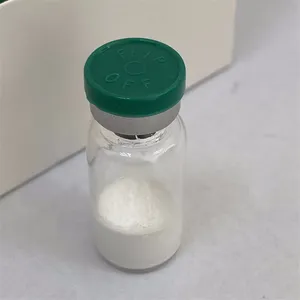
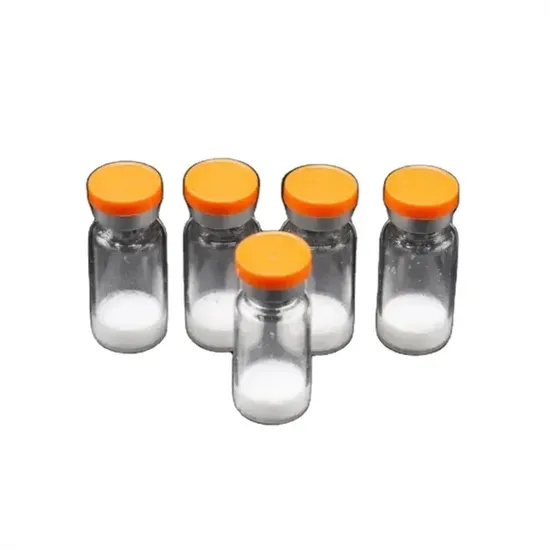
| Appearance | White to off-white powder |
| Solubility | Soluble in water, PBS, or compatible buffers |
| Endotoxin | <0.1 EU/µg |
| Sterility | GMP-compliant sterile handling |
| Storage Conditions | 2–8 °C, protect from light and moisture |
| Shelf Life | 12–36 months depending on storage |
| Packaging Options | 1 mg – 1 g vials; bulk or OEM packaging available |
| Quality Control | HPLC, mass spectrometry, amino acid analysis, sterility, endotoxin testing |
| Documentation Provided | COA, MSDS, QC reports, batch traceability |
| Custom Options | Sequence, concentration, vial size, buffer additives, excipients |
Notes:
Purity & Validation: Each batch undergoes rigorous HPLC, MS, and amino acid analysis for ≥98% purity.
Bulk & OEM Supply: Bulk options and customizable packaging are available for high-throughput research.
Handling & Solubility: Readily soluble in aqueous buffers; low-binding tubes recommended.
Sterility & Endotoxin Control: Suitable for sensitive in vitro and in vivo applications.
Storage Recommendations: Store at 2–8 °C, protected from light and moisture; aliquot to prevent repeated temperature fluctuations.
Mechanism of Action
Exendin-4 Peptides Powder exerts its biological activity primarily through activation of the glucagon-like peptide-1 (GLP-1) receptor, a G-protein-coupled receptor expressed in pancreatic β-cells, the central nervous system, and other tissues. By binding to GLP-1 receptors, Exendin-4 initiates intracellular signaling cascades, including the cAMP-PKA pathway, leading to enhanced insulin secretion, modulation of glucose metabolism, and regulation of downstream gene expression. Its high purity ensures precise receptor engagement with minimal off-target activity, enabling reproducible results in mechanistic studies.
In metabolic and pharmacological models, Exendin-4 influences β-cell function, insulin synthesis, and glucose-dependent insulin release, while also modulating appetite, gastric emptying, and energy homeostasis in in vivo studies. This dual action makes it a valuable tool for studying diabetes-related pathways, metabolic regulation, and hormone-mediated signaling.
At the cellular level, Exendin-4 induces kinase activation, phosphorylation events, and transcription factor modulation, allowing researchers to investigate specific pathways in vitro. In neuronal and CNS models, Exendin-4 can regulate neurotransmitter release, synaptic plasticity, and neuronal excitability, supporting studies of metabolic-neural crosstalk.
Because it is supplied as a stable lyophilized powder, Exendin-4 maintains consistent bioactivity upon reconstitution, enabling accurate dose-response studies and reproducible experimental conditions. Researchers can apply it in acute, chronic, or combinatorial studies to probe receptor function, signaling kinetics, and downstream physiological effects.
Integration with multi-omic approaches allows correlation of Exendin-4-mediated transcriptional, proteomic, and metabolomic changes with functional outcomes in cells or animal models. Computational modeling can further map peptide-specific signaling networks and predict system-level responses.
Overall, Exendin-4 Peptides Powder provides high receptor specificity, reproducible bioactivity, and versatile applicability across in vitro and in vivo research. Its GMP-grade quality and customizable formulation make it a reliable tool for mechanistic, pharmacological, and metabolic studies, supporting precise exploration of GLP-1 receptor-mediated pathways and systemic physiological effects.

Applications
Exendin-4 Peptides Powder is widely used in metabolic, pharmacological, and molecular research due to its high purity, stability, and receptor specificity. In metabolic studies, it serves as a tool to investigate GLP-1 receptor-mediated effects, including insulin secretion, glucose homeostasis, β-cell function, and energy balance. Researchers can use it to explore molecular mechanisms of diabetes, obesity, and related metabolic disorders in both in vitro and in vivo models.
In pharmacological research, Exendin-4 supports the evaluation of agonist activity, receptor binding affinity, and signaling kinetics. Its predictable bioactivity allows dose-response studies, receptor specificity testing, and mechanistic assessments of downstream pathways, providing insights into peptide-receptor interactions, intracellular signaling, and functional outcomes.
For neuroscience research, Exendin-4 facilitates the study of CNS-mediated metabolic regulation, synaptic plasticity, and neuronal excitability. It can modulate neurotransmitter release and intracellular signaling networks in neuronal cultures, brain slices, and rodent models, enabling comprehensive exploration of metabolic-neural crosstalk.
Exendin-4 Peptides Powder is also ideal for high-throughput screening and combinatorial studies. Researchers can assess the effects of multiple peptides or small molecules on signaling pathways, insulin secretion, or metabolic function. Its compatibility with multi-omic approaches, including transcriptomics, proteomics, metabolomics, and lipidomics, allows system-level analyses of peptide-mediated effects.
In addition, the peptide is suitable for structural and mechanistic studies, including receptor-ligand interaction analysis, enzyme modulation, and intracellular signaling characterization. Its lyophilized format ensures long-term stability and reproducibility, while low endotoxin content (<0.1 EU/µg) and water solubility facilitate direct laboratory use.
Overall, Exendin-4 Peptides Powder provides a versatile and reliable platform for studying GLP-1 receptor biology, metabolic signaling, pharmacological modulation, and neuronal regulation. Its high purity, GMP-grade quality, and customizable options make it suitable for laboratories seeking reproducible and flexible peptide reagents for advanced research applications.
Research Models
Exendin-4 Peptides Powder is compatible with a wide range of in vitro and in vivo research models, providing versatility for metabolic, pharmacological, and neuroscience studies. In vitro, it can be applied to primary pancreatic β-cells, hepatocytes, adipocytes, neuronal cultures, organoids, and immortalized cell lines. Researchers can investigate receptor-ligand interactions, intracellular signaling, insulin secretion, gene expression, and metabolic pathway modulation with precise, reproducible results. Its high purity minimizes off-target effects and ensures consistent biological activity across experimental replicates.
For metabolic research, Exendin-4 supports studies of glucose uptake, insulin release, β-cell proliferation, and energy homeostasis. Dose-response experiments allow optimization of concentrations to identify minimal effective doses while avoiding receptor desensitization or cytotoxicity. Its stability and solubility facilitate long-term and multi-point experiments in diverse cell systems.
In neuroscience studies, Exendin-4 can be used in rodent neuronal cultures or brain slice preparations to explore CNS-mediated metabolic regulation, synaptic plasticity, neurotransmitter release, and intracellular signaling networks. The peptide’s predictable bioactivity allows precise investigation of neuronal responses and metabolic-neural crosstalk in vitro and in vivo.
In vivo models, including mice and rats, enable evaluation of Exendin-4 effects on glucose metabolism, insulin secretion, appetite regulation, weight modulation, and systemic hormone signaling. Its GMP-grade, high-purity formulation ensures reproducible pharmacokinetics and pharmacodynamics across experiments. Researchers can perform acute or chronic dosing studies while monitoring physiological and behavioral endpoints.
Exendin-4 is also compatible with multi-omic and computational studies, allowing integration of transcriptomic, proteomic, metabolomic, and lipidomic datasets to generate system-level insights into peptide-mediated pathways. The data can support predictive modeling, network analysis, and mechanistic hypothesis testing.
Overall, Exendin-4 Peptides Powder provides a robust, reproducible, and flexible platform for both cellular and whole-animal research, supporting comprehensive investigation of GLP-1 receptor biology, metabolic regulation, and pharmacological mechanisms. Its high purity and customizable options make it suitable for laboratories conducting advanced and integrative research studies.
Experimental Design Considerations
When planning experiments with Exendin-4 Peptides Powder, several factors should be considered to ensure reproducibility and reliable results. Dose selection is critical, as Exendin-4 exhibits receptor-specific, dose-dependent effects on insulin secretion, glucose metabolism, and neuronal signaling. In vitro studies should start with a range-finding assay to determine the minimal effective concentration, while in vivo studies require careful adjustment based on species, body weight, metabolic status, and administration route.
The timing and frequency of administration should be tailored to the experimental goals. Acute versus chronic dosing can produce distinct physiological outcomes, and repeated administration may lead to receptor desensitization or compensatory signaling changes. For in vitro studies, attention should be paid to cell density, receptor expression, nutrient availability, and culture conditions, as these factors can influence peptide responsiveness.
Handling and storage are critical for maintaining bioactivity and sterility. Lyophilized Exendin-4 should be stored at 2–8 °C, protected from light and moisture. Reconstitute immediately before use and aliquot to minimize repeated freeze-thaw cycles. Low-binding tubes and pipette tips are recommended to prevent adsorption and loss of active peptide.
For combinatorial or multi-parameter studies, researchers should control the sequence and timing of peptide and co-treatment applications to isolate specific effects. Use appropriate controls, such as vehicle-treated samples, baseline measurements, or alternative peptide sequences, to validate experimental outcomes.
In addition, integration with multi-omic or computational studies may require careful planning regarding sample collection, time points, and replicate numbers to ensure statistical power and interpretability. Maintaining detailed documentation of batch numbers, COA, MSDS, and experimental conditions is essential for reproducibility.
By following these considerations, researchers can maximize the utility of Exendin-4 Peptides Powder, obtain reproducible and biologically meaningful results, and ensure the integrity of both in vitro and in vivo studies investigating GLP-1 receptor biology, metabolic regulation, and pharmacological mechanisms.
Laboratory Safety & Handling Guidelines
Exendin-4 Peptides Powder is intended solely for laboratory research use and must be handled according to standard biosafety protocols. Researchers should always wear personal protective equipment (PPE), including gloves, lab coats, and eye protection, to prevent accidental contact with skin, eyes, or mucous membranes. In the event of exposure, immediately wash the affected area with water and consult institutional safety officers if necessary.
Handling should occur in a designated workspace or biosafety cabinet to reduce the risk of contamination. The lyophilized peptide should be stored at 2–8 °C, protected from light and moisture, and reconstituted immediately before use. Use low-binding tubes and pipette tips to minimize adsorption and maintain accurate dosing. Repeated freeze-thaw cycles should be avoided, and aliquoting is recommended for long-term storage and experimental consistency.
During experimental procedures, prevent aerosol generation and accidental spills. All waste, including unused peptide, contaminated consumables, and buffer solutions, should be disposed of according to local biosafety and chemical waste regulations. Laboratory surfaces, equipment, and tools should be decontaminated using 70% ethanol or other validated disinfectants after handling.
Exendin-4 Peptides Powder must never be used for human or veterinary applications, clinical interventions, or ingestion. Strict adherence to institutional SOPs for storage, handling, and administration is essential to ensure research integrity, reproducibility, and personal safety.
Maintaining detailed documentation, including COA, MSDS, batch QC reports, and experimental records, supports compliance, traceability, and reproducibility. By following these guidelines, researchers can safely utilize Exendin-4 Peptides Powder while preserving its bioactivity and sterility, ensuring reliable outcomes in both in vitro and in vivo studies.
Integration with Multi-Omic & Computational Studies
Exendin-4 Peptides Powder can be effectively integrated with multi-omic approaches, including transcriptomics, proteomics, metabolomics, and lipidomics, providing comprehensive insights into GLP-1 receptor-mediated signaling and metabolic regulation. Its high purity and stability ensure consistent bioactivity, allowing researchers to correlate molecular changes with functional outcomes in both in vitro and in vivo models.
In transcriptomic studies, Exendin-4 enables the analysis of gene expression changes associated with insulin secretion, β-cell function, and metabolic pathways. Proteomic studies reveal post-translational modifications, signaling cascade activation, and protein-protein interactions downstream of GLP-1 receptor engagement. Metabolomic and lipidomic approaches provide insight into energy homeostasis, glucose metabolism, and lipid signaling, facilitating a system-level understanding of peptide effects.
Integration of these datasets allows for computational modeling of peptide-specific signaling networks, pathway mapping, and predictive simulations of physiological responses. High-throughput studies can leverage Exendin-4 in combination with other peptides, small molecules, or pharmacological agents to assess synergistic or antagonistic effects, enhancing the depth of mechanistic research.
Exendin-4’s stable lyophilized format and GMP-grade purity support reproducible multi-omic experiments, ensuring reliable data across multiple replicates and experimental conditions. Researchers can utilize this peptide to build quantitative models of metabolic regulation, identify novel therapeutic targets, and explore system-level responses in metabolic, neuronal, and endocrine pathways.
Overall, Exendin-4 Peptides Powder provides a versatile platform for combining experimental biology with computational and integrative analyses. Its reproducible bioactivity, high purity, and customizable options make it a powerful tool for advanced research in metabolism, pharmacology, systems biology, and multi-omic studies.

Side Effects (Research Observations Only)
In laboratory research, Exendin-4 Peptides Powder demonstrates dose-dependent and reversible effects strictly limited to in vitro and in vivo experimental models. In cell-based assays, researchers may observe modulation of receptor-mediated signaling pathways, intracellular second messengers, and enzyme activity, reflecting the peptide’s intended mechanism of action. These effects are controlled, reproducible, and reversible under standard experimental conditions.
In animal studies, transient physiological responses may occur, including changes in glucose metabolism, insulin secretion, appetite modulation, and mild behavioral alterations, depending on dose, administration route, and species. Localized injection site reactions in rodent models have been observed occasionally; these are generally mild, short-lived, and reversible.
No systemic toxicity or irreversible cellular damage has been reported when Exendin-4 is used within recommended research dosing ranges. Researchers should monitor cells or animals for any unexpected responses and adhere to established experimental protocols.
All observed side effects are strictly research observations and should not be extrapolated to human or veterinary use. This peptide is intended solely as a research reagent, and its safety or efficacy in clinical or therapeutic applications has not been evaluated.
Keywords
Exendin-4, Exendin-4 Peptides Powder, high-purity peptide, research peptide, GMP-grade peptide, wholesale peptide, OEM/custom peptide, GLP-1 receptor agonist, in vitro studies, in vivo studies, metabolic research, pharmacology research, peptide signaling, insulin secretion, glucose regulation, neuroscience research, peptide screening, multi-omic integration.
Shipping Guarantee
All shipments of Exendin-4 Peptides Powder utilize temperature-controlled packaging at 2–8 °C to maintain peptide stability and sterility. Moisture-protected, tamper-evident containers ensure integrity during transport. Each order is accompanied by batch documentation, tracking, and quality verification, guaranteeing reproducible delivery for laboratory research applications.
Trade Assurance
Factory-direct supply ensures high-purity GMP-grade Exendin-4, with customizable bulk quantities and OEM options. Each batch includes COA, MSDS, and QC reports, supporting institutional compliance and reproducibility. Guaranteed product quality and on-time delivery enable reliable planning for high-throughput, combinatorial, and multi-lab research projects.
Payment Support
We accept bank transfer, corporate credit, and secure online payments suitable for international research institutions. Flexible arrangements are available for multi-unit, bulk, or OEM orders, with all transactions documented for traceability and compliance.
Disclaimer
Exendin-4 Peptides Powder is for laboratory research use only. It is not for human or veterinary applications, clinical use, or consumption. Users must follow institutional biosafety and regulatory protocols. The product is intended solely as a research reagent and has not been evaluated for therapeutic purposes.
References
GLP-1 Receptor Signaling and Therapeutic Insights
Comprehensive review of GLP-1 receptor biology, peptide agonists, and their metabolic and pharmacological applications.
NCBI BookshelfPubChem: Exendin-4 Chemical and Bioactivity Information
Detailed chemical properties, biological activity, and analytical validation of Exendin-4.
PubChemUniProt: GLP-1 Receptor Pathways
Protein sequence, receptor binding, and functional annotations relevant to Exendin-4 research.
UniProtStructural and Mechanistic Studies of Exendin-4
Crystallography, receptor-ligand interactions, and mechanistic research insights.
RCSB Protein Data BankHigh-Purity Peptides in Research Applications
GMP-grade peptide synthesis, quality control, and experimental use in metabolic and pharmacological research.
ScienceDirect – Peptides

Additional information
| Weight | 0.8 kg |
|---|---|
| Dimensions | 36 × 23 × 36 cm |
Q1: What is Exendin-4 Peptides Powder used for?
Exendin-4 is a high-purity research peptide primarily used to study GLP-1 receptor-mediated signaling, insulin secretion, glucose metabolism, and metabolic regulation. It is suitable for in vitro cellular studies, ex vivo tissue assays, and in vivo animal models.
Q2: How should Exendin-4 Peptides Powder be stored?
Store at 2–8 °C, protected from light and moisture. To maintain stability and bioactivity, aliquot reconstituted peptide to avoid repeated freeze-thaw cycles.
Q3: Is it suitable for in vitro studies?
Yes, it can be applied to primary cells, immortalized cell lines, organoids, and tissue slices to study receptor activation, signaling pathways, and metabolic effects.
Q4: Can Exendin-4 be used in animal studies?
Yes, it is compatible with rodent models to investigate glucose metabolism, insulin secretion, appetite regulation, and systemic metabolic effects. Proper dosing and handling protocols must be followed.
Q5: What concentrations are recommended for experiments?
Effective concentrations vary depending on the target and model. Dose-response studies are recommended to determine the minimal effective concentration while avoiding receptor desensitization.
Q6: Can it be combined with other peptides or small molecules?
Yes, but timing and sequence should be carefully controlled to isolate Exendin-4-specific effects. Co-treatment studies are suitable for mechanistic exploration and pathway validation.
Q7: How is peptide integrity ensured during shipping?
Temperature-controlled packaging at 2–8 °C, moisture protection, and tamper-evident containers maintain stability. Each shipment is accompanied by batch documentation, COA, and QC reports.
Q8: Can it be used in high-throughput screening?
Yes, its lyophilized powder format and high purity make it suitable for automated assays, multi-well plate experiments, and combinatorial studies.
Q9: Are there observed effects in animal studies?
Transient physiological effects such as glucose regulation, insulin release, or mild behavioral changes may occur. These are reversible and observed only in controlled research settings.
Q10: Is Exendin-4 suitable for multi-omic studies?
Yes, it can be integrated with transcriptomics, proteomics, metabolomics, and lipidomics to map system-level peptide effects.
Q11: What documentation is provided with the peptide?
Each batch includes COA, MSDS, sterility and endotoxin reports, HPLC and MS validation, ensuring quality and reproducibility.
Q12: Can it be used for chronic dosing studies?
Yes, but careful control of concentration and dosing schedule is needed to prevent receptor desensitization or adaptive responses.
Q13: Can Exendin-4 Peptides Powder be customized?
Yes, OEM options allow customization of sequence, vial size, concentration, buffer composition, and excipients for research-specific needs.
Q14: What precautions should be taken during handling?
Follow institutional biosafety protocols, wear PPE, work in a designated area, avoid aerosol generation, and dispose of waste according to regulations.
Related products
GLP-1/GIP/glucagon combination therapy The Future of Metabolic Treatment (Wholesale Supplier Guide)
GLP-1/GIP/glucagon combination therapy Original price was: $38.00.$23.00Current price is: $23.00.USA-Peptide-Janoshik Lyophilized Peptide Raw Powder for Muscle Building & Weight Loss
Lyophilized peptide raw powder Moq:10 vials per box Appearance:Lyophilized powder Original price was: $32.00.$24.00Current price is: $24.00.Anti-Aging Peptide Raw Powder CAS 307297-39-8 Epitalon – Low Price Wholesale
Anti-Aging Moq:10 vials per box Appearance:Lyophilized powder Purity:99% Original price was: $29.00.$23.00Current price is: $23.00.Tesamorelin Raw Material Factory: Low-Price Wholesale for High-Purity Peptides
Tesamorelin Egrifta; Tesamorelin; 218949-48-5; 804475-66-9; TH9507; ... Compound CID: 16137828 MF: C221H366N72O67S Original price was: $38.00.$23.00Current price is: $23.00.

Reviews
There are no reviews yet.