
No products in the cart.
Sale
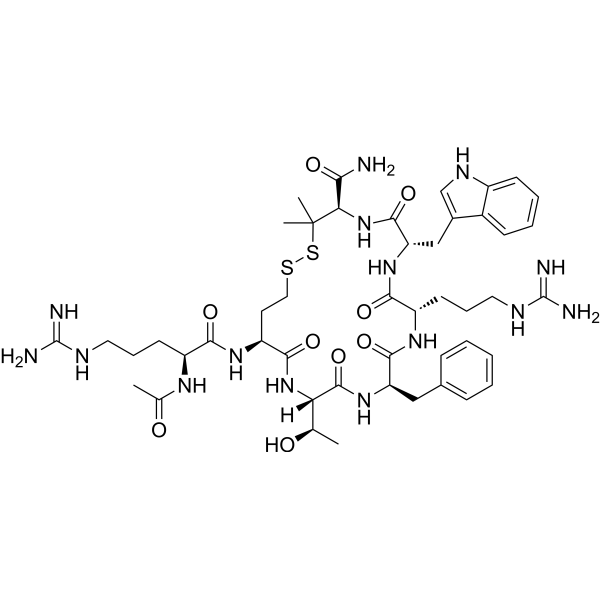
Filimelnotide | CAS 2093087-54-6 | Melanocortin Receptor Agonist for Endocrine and Metabolic Research
Original price was: $26.00.$23.00Current price is: $23.00.
Filimelnotide is a melanocortin receptor agonist peptide that modulates energy homeostasis, appetite regulation, and pigmentation pathways. It is widely used in metabolic, neuroendocrine, and receptor pharmacology research.
Description
Product Description
Filimelnotide (CAS 2093087-54-6) is a synthetic agonist of the melanocortin receptor family (MCRs), a group of G protein–coupled receptors (GPCRs) that play central roles in metabolic balance, appetite regulation, pigmentation, and immune response. By mimicking the action of endogenous melanocortin peptides such as α-MSH (alpha-melanocyte-stimulating hormone), Filimelnotide provides a valuable research tool for dissecting melanocortin signaling pathways in various physiological systems.
The melanocortin system includes five receptor subtypes (MC1R–MC5R), each mediating distinct biological functions. Filimelnotide exhibits agonistic activity primarily toward MC3R and MC4R, receptors expressed in the hypothalamus and peripheral tissues that regulate energy expenditure, appetite, and glucose metabolism. In experimental models, activation of these receptors enhances lipolysis, thermogenesis, and satiety signaling, making Filimelnotide an important peptide for exploring the molecular mechanisms of obesity, metabolic syndrome, and energy regulation.
On a molecular level, Filimelnotide binds to the receptor’s transmembrane domain, triggering adenylate cyclase activation and subsequent elevation of cyclic adenosine monophosphate (cAMP) levels. The resulting intracellular cascade leads to activation of protein kinase A (PKA), transcriptional regulation of cAMP response element–binding protein (CREB), and modulation of neuropeptide Y (NPY) and pro-opiomelanocortin (POMC) neuronal activity. These pathways converge to adjust food intake, body weight, and thermogenic output.
In addition to metabolic research, Filimelnotide serves as a potent tool in dermatological and pigmentary studies, as melanocortin receptor activation in melanocytes stimulates melanin synthesis through upregulation of tyrosinase activity and melanosome maturation. This makes it useful for investigating pigmentation disorders, UV response, and melanocyte signaling.
Emerging studies also link melanocortin receptor activation to anti-inflammatory and neuroprotective effects, mediated via MC1R and MC3R pathways. Filimelnotide’s capacity to attenuate proinflammatory cytokine production and oxidative stress makes it relevant for research in neurodegeneration, stress adaptation, and inflammatory regulation.
Overall, Filimelnotide represents a versatile research-grade melanocortin agonist, providing insight into the complex interplay between energy metabolism, endocrine signaling, and neuroimmunology. It is supplied as a high-purity lyophilized peptide (≥99%) suitable for in vitro and in vivo investigations of receptor pharmacodynamics and metabolic modulation.
Product Specifications
| Property | Description |
|---|---|
| Product Name | Filimelnotide |
| CAS Number | 2093087-54-6 |
| Synonyms | Melanocortin receptor agonist; MCR activator peptide |
| Molecular Formula | CₓHᵧNᵧOᵧ (exact formula available upon request) |
| Purity | ≥99% |
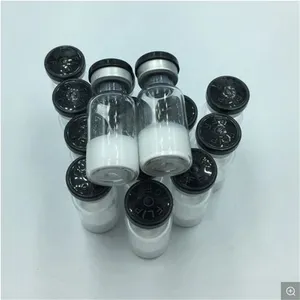
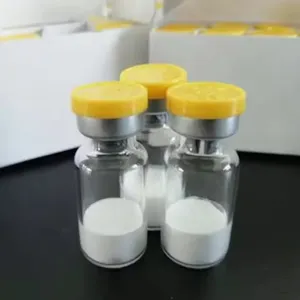
| Form | Lyophilized powder |
| Storage | −20°C, protected from light and moisture |
| Solubility | Soluble in water or PBS (pH 7.4) |
| Stability | Stable for at least 12 months at recommended conditions |
| Category | Peptide agonist; GPCR modulator |
| Applications | Melanocortin receptor research; metabolic regulation; neuroendocrine signaling; pigmentation biology |
| Research Area | Endocrinology, Metabolism, Neuroscience, Dermatology |
| Intended Use | For laboratory research use only |
Mechanism of Action
Filimelnotide functions as a selective melanocortin receptor (MCR) agonist, acting primarily on MC3R and MC4R, with potential cross-reactivity toward MC1R depending on concentration and cellular context. Upon receptor engagement, Filimelnotide initiates the Gαs-coupled signaling cascade, activating adenylate cyclase and increasing cAMP production within the target cells. Elevated cAMP subsequently activates protein kinase A (PKA), which phosphorylates downstream effectors including CREB and AMPK-related kinases.
In hypothalamic neurons, Filimelnotide modulates POMC and NPY/AgRP neuronal circuits, enhancing satiety and reducing food intake. Activation of MC4R increases sympathetic nervous system activity, promoting lipolysis in adipose tissue and thermogenesis in brown adipose depots. These effects collectively contribute to improved energy expenditure and metabolic efficiency.
In peripheral tissues, MC1R and MC5R activation influences pigmentation and sebaceous gland regulation. In melanocytes, Filimelnotide-induced MC1R signaling elevates tyrosinase gene transcription, thereby enhancing melanin biosynthesis and skin pigmentation.
From an immunological perspective, melanocortin signaling exerts anti-inflammatory effects, mediated by suppression of NF-κB activation and pro-inflammatory cytokines (such as TNF-α, IL-6, and IL-1β). Through these pathways, Filimelnotide provides a mechanistic basis for studying inflammatory resolution and neuroprotection in cellular and animal models.
Its broad receptor spectrum makes Filimelnotide a key compound for dissecting GPCR signaling, biased agonism, and ligand-specific receptor conformations in advanced pharmacological research.
Side Effects
Filimelnotide exhibits a favorable experimental safety profile, though receptor overstimulation in sensitive cell systems may transiently alter intracellular calcium homeostasis, cAMP accumulation, or oxidative stress responses. In in vivo research models, exaggerated melanocortin receptor activation can result in increased metabolic rate, hyperpigmentation, or transient appetite suppression.
These effects are reversible upon peptide clearance and dose adjustment. No intrinsic cytotoxicity or mutagenic potential has been observed at research concentrations.
Filimelnotide is provided exclusively for research purposes and is not approved for therapeutic, diagnostic, or clinical use.
Disclaimer
All information provided is for scientific and research use only. Filimelnotide is not intended for human or animal administration.
Keywords
CAS no 2093087-54-6, melanocortin receptor agonist, MC4R activator, GPCR modulator, peptide research chemical, metabolic signaling peptide, neuroendocrine regulation, pigmentation research compound
Shipping Guarantee
All research peptides are shipped under cold-chain controlled and moisture-free packaging. Each batch undergoes HPLC and mass spectrometry verification, accompanied by a Certificate of Analysis (COA) ensuring ≥99% purity and molecular identity.
Trade Guarantee
We guarantee consistent peptide quality, secure global logistics, and batch reproducibility. Analytical documentation is included with every shipment for transparent quality assurance.
Additional information
| Weight | 0.8 kg |
|---|---|
| Dimensions | 62 × 53 × 62 cm |
Q: What is Filimelnotide?
A: Filimelnotide is a synthetic melanocortin receptor agonist peptide used for research on energy metabolism, pigmentation, and neuroendocrine regulation.
Q: Which receptors does Filimelnotide target?
A: It primarily activates MC3R and MC4R, and may also engage MC1R depending on concentration.
Q: What is its purity?
A: Each batch is synthesized and validated at ≥99% purity.
Q: What research fields benefit from this peptide?
A: It is commonly used in metabolic, dermatological, and neuroendocrine research.
Q: How should Filimelnotide be stored?
A: Store at −20°C, desiccated, and protected from light.
Q: Is it suitable for in vivo studies?
A: Yes, under controlled laboratory conditions for approved animal model research.
Q: Can it induce pigmentation?
A: Yes, through MC1R activation in melanocytes, promoting melanin synthesis.
Q: Does it affect inflammation?
A: It has demonstrated anti-inflammatory properties via NF-κB inhibition and cytokine suppression.
Q: Is it water-soluble?
A: It dissolves readily in sterile water or phosphate-buffered saline (PBS).
Q: Is this product for therapeutic use?
A: No, it is for laboratory research only.
Related products
Retatrutide | CAS 2381089-83-2 | Dual GLP-1/GIP/Glucagon Receptor Agonist
Retatrutide (CAS 2381089-83-2) is a high-purity research-grade peptide optimized for in vitro mechanistic studies. It supports investigations into signal transduction, receptor interactions, and molecular pathway modulation. Supplied as a lyophilized powder, it ensures stability and reproducibility for laboratory research applications. Original price was: $14.00.$12.00Current price is: $12.00.99.9% Effective Weight Loss Shaping Peptide – Beauty Peptide Factory Direct Low Price Wholesale
Peptide Purity 99% Specification 5mg/vial, 10mg/vial, 15mg/vial Original price was: $38.00.$23.00Current price is: $23.00.USA Warehouse 99% IV Infusion Therapy Anti-Aging Injection Peptide for Weight Loss & Muscle Building
USA Warehouse 99% IV Infusion Therapy Anti-Aging Injection Peptide for Weight Loss & Muscle Building Original price was: $38.00.$23.00Current price is: $23.00.Cosmetic Peptide Raw Material Factory – Low Price Wholesale Direct from China
Cosmetic Peptide Appearance: Lyophilized powder Dose 2mg 5mg 10mg 15mg 20mg Higher Original price was: $42.00.$22.00Current price is: $22.00.




Reviews
There are no reviews yet.