
No products in the cart.
Sale

FIZZ-1 (32-51) (Mouse) | Cysteine-Rich Peptide Freeze-dried powder raw material supply
Original price was: $56.00.$42.00Current price is: $42.00.
FIZZ-1 (32-51) (Mouse) is a biologically active fragment of the FIZZ-1 protein, a cysteine-rich peptide secreted by macrophages and airway epithelial cells. It is implicated in allergic airway inflammation, fibroblast survival, and tissue remodeling processes. FIZZ-1 (32-51) (Mouse) serves as an important tool in studies of asthma, pulmonary fibrosis, and immune cell signaling.
Description
Contents
hide
Product Description
FIZZ-1 (32-51) (Mouse), also known as Resistin-Like Molecule Alpha (RELMα) fragment, is a cysteine-rich secretory peptide predominantly expressed in macrophages, bronchial epithelial cells, and type II alveolar epithelial cells (AECs) during allergic airway inflammation. This peptide plays a crucial role in modulating immune cell activity, fibroblast apoptosis, and extracellular matrix remodeling.
Originally identified in murine models of asthma and pulmonary inflammation, FIZZ-1 (32-51) (Mouse) represents an essential mediator of the Th2 immune response. It is a fragment corresponding to amino acid residues 32–51 of the full-length FIZZ-1 protein, retaining bioactive structural motifs, including conserved disulfide bridges that stabilize its cysteine-rich domain.
Biological Context
During allergic airway inflammation, FIZZ-1 (32-51) is upregulated by IL-4 and IL-13, two key Th2 cytokines, leading to enhanced secretion by activated macrophages and airway epithelial cells. It acts as a signaling peptide that mediates communication between immune and structural cells of the lung, contributing to fibrotic remodeling and inflammatory regulation.
In vitro studies show that FIZZ-1 (32-51) inhibits fibroblast apoptosis, supporting tissue integrity under inflammatory stress. It also modulates collagen production and myofibroblast differentiation, implicating it in both protective repair and pathological fibrosis depending on the inflammatory context.
Research Applications
Allergic airway inflammation: FIZZ-1 (32-51) regulates immune responses in asthma and pneumonia models.
Fibrosis studies: Inhibits fibroblast apoptosis and influences ECM remodeling.
Immunology: Serves as a Th2 cytokine-regulated peptide for macrophage activation research.
Lung epithelial biology: Useful for examining epithelial–mesenchymal interactions during inflammation.
Through these biological effects, FIZZ-1 (32-51) (Mouse) is a powerful molecular tool for exploring immune-driven lung pathophysiology and fibrotic disease progression.
Product Specifications
| Parameter | Details |
|---|---|
| Product Name | FIZZ-1 (32-51) (Mouse) |
| Synonyms | RELMα fragment (Mouse); Resistin-like molecule α (Mouse); Found in Inflammatory Zone 1 (Mouse) |
| CAS Number | — |
| Sequence | Corresponding to amino acids 32–51 of murine FIZZ-1 |
| Peptide Type | Synthetic cysteine-rich fragment |
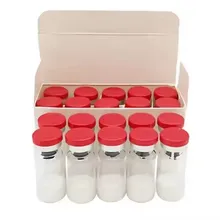
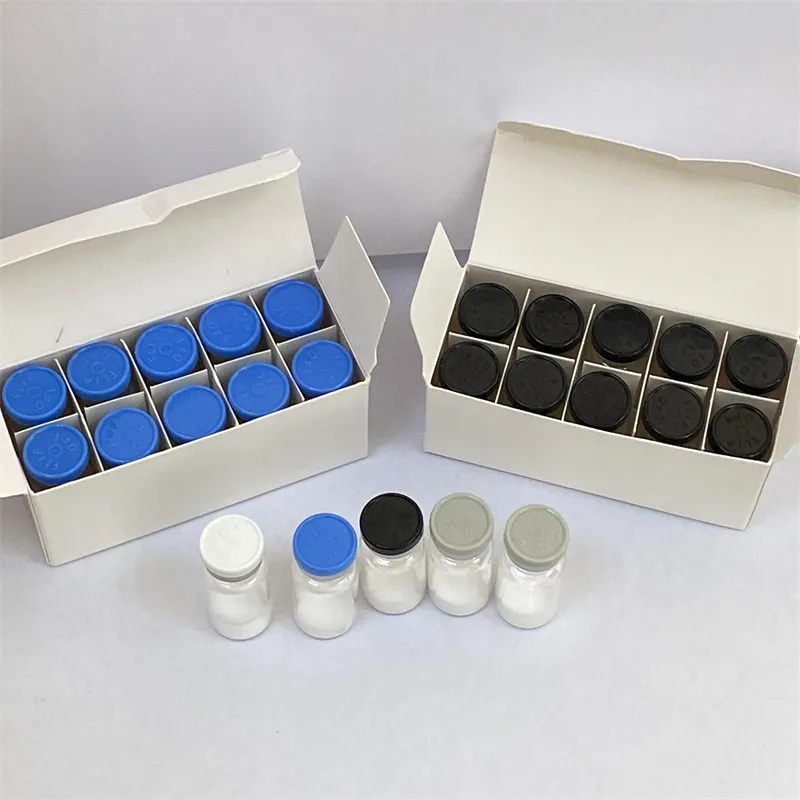
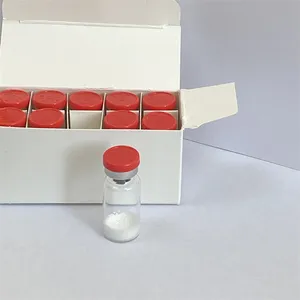
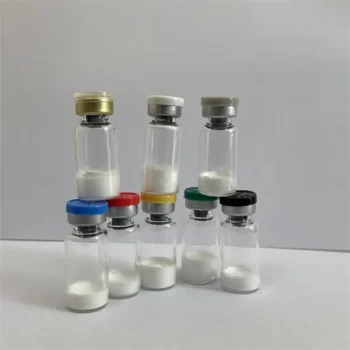
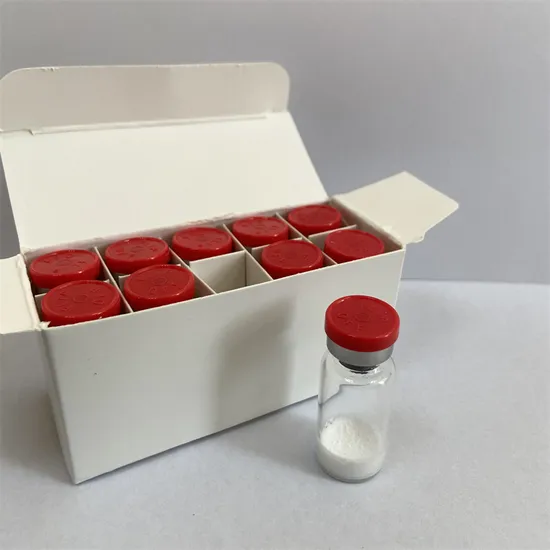
| Form | Lyophilized powder |
| Purity | ≥98% (HPLC) |
| Molecular Weight | ~2.2 kDa |
| Solubility | Soluble in water and PBS |
| Storage Conditions | -20°C, protect from light and moisture |
| Stability | Stable for up to 2 years at -20°C |
| Applications | Research on allergic airway inflammation, fibrosis, and immune regulation |
Mechanism of Action
FIZZ-1 (32-51) (Mouse) acts as a cytokine-like signaling peptide involved in Th2-mediated inflammation and fibroblast regulation.
1. Th2 Cytokine Induction Pathway
FIZZ-1 (32-51) is transcriptionally induced by IL-4 and IL-13, two cytokines central to type II immune responses. It acts downstream of STAT6 signaling, amplifying macrophage and epithelial cell activation.
2. Antiapoptotic Effects on Lung Fibroblasts
This peptide prevents apoptosis in fibroblasts by modulating Bcl-2/Bax expression ratios and inhibiting caspase-3 activation. The result is enhanced fibroblast survival, contributing to lung repair following allergen exposure.
3. Macrophage and Epithelial Crosstalk
FIZZ-1 facilitates intercellular communication between macrophages and epithelial cells. In allergic models, it acts as an autocrine and paracrine regulator, influencing chemokine secretion and macrophage polarization toward an alternatively activated (M2) phenotype.
4. Extracellular Matrix Regulation
By promoting fibroblast proliferation and collagen synthesis, FIZZ-1 (32-51) contributes to tissue remodeling processes. These effects are context-dependent — they may be protective in acute inflammation but fibrotic in chronic conditions.
5. Potential Therapeutic Insight
Due to its dual activity (antiapoptotic yet profibrotic), FIZZ-1 (32-51) represents an intriguing target for modulating fibrotic lung diseases, asthma, and hypersensitivity pneumonitis.

Side Effects
As a research peptide, FIZZ-1 (32-51) (Mouse) is not approved for human use. Reported experimental considerations include:
Potential fibroblast overstimulation in chronic exposure models.
Minor cytotoxicity at supraphysiological concentrations.
Possible pro-fibrotic activity under prolonged treatment conditions.
Handle with gloves and avoid direct inhalation or contact.
Disclaimer
FIZZ-1 (32-51) (Mouse) is supplied for laboratory research use only. Not intended for human or veterinary applications. Data provided are for scientific and educational purposes only.
Keywords
FIZZ-1 (32-51) mouse, RELMα peptide, cysteine-rich peptide, allergic airway inflammation, fibroblast apoptosis inhibitor, Th2 cytokine peptide, asthma research peptide, fibrosis peptide, pulmonary inflammation model, epithelial–macrophage signaling.
Shipping Guarantee
All peptides are shipped under controlled temperature and moisture-protected packaging, accompanied by analytical data (HPLC, MS). Global shipping standards ensure product stability.
Transaction Guarantee
Each product batch is validated with a Certificate of Analysis (COA). We guarantee full refund or replacement for any shipment damage or quality deviation.

Additional information
| Weight | 0.8 kg |
|---|---|
| Dimensions | 56 × 26 × 56 cm |
What is FIZZ-1 (32-51) (Mouse)?
It is a cysteine-rich peptide fragment from murine FIZZ-1 involved in allergic airway inflammation.
What is the biological source of FIZZ-1 (32-51)?
It is secreted by macrophages and airway epithelial cells during Th2 inflammation.
What are the primary applications of FIZZ-1 (32-51)?
It is used to study asthma, allergic pneumonia, and fibrosis.
Does FIZZ-1 (32-51) affect fibroblast apoptosis?
Yes, it inhibits fibroblast apoptosis, promoting cell survival during tissue inflammation.
How is FIZZ-1 (32-51) related to RELMα?
FIZZ-1 and RELMα are the same gene product; this peptide represents a functional fragment.
Is FIZZ-1 (32-51) suitable for human therapeutic use?
No, it is for laboratory research only.
What is the solubility profile of FIZZ-1 (32-51)?
It dissolves readily in water and phosphate-buffered saline (PBS).
How should FIZZ-1 (32-51) be stored?
Store at -20°C, dry and light-protected.
Does FIZZ-1 (32-51) induce fibrosis?
It may contribute to fibrosis under chronic exposure, depending on experimental design.
What analytical data are provided with FIZZ-1 (32-51)?
Each batch includes HPLC purity and MS verification data.
Related products
USA-Peptide-Janoshik Lyophilized Peptide Raw Powder for Muscle Building & Weight Loss
Lyophilized peptide raw powder Moq:10 vials per box Appearance:Lyophilized powder Original price was: $32.00.$24.00Current price is: $24.00.Best Price with Peptides 10mg Vials – High-Purity Weight Loss Peptide in Stock with Safe Delivery
Weight Loss Peptide Moq: 10 vials per box Package: plastic or paper box Purity:99% Original price was: $36.00.$24.00Current price is: $24.00.Factory Supply Peptide Healthcare 99% with Safe Delivery
Peptide Healthcare Usage Delta-Sleep Inducing Peptides Purity 99%Over Dose 2mg 5mg 10mg 15mg 20mg Highe Original price was: $28.00.$23.00Current price is: $23.00.99% Pure Peptide Reta Trutide Epitalon in Stock Factory wholesale
Peptide Reta Purity 99%Over Original price was: $39.00.$26.00Current price is: $26.00.


Reviews
There are no reviews yet.