
No products in the cart.
Sale
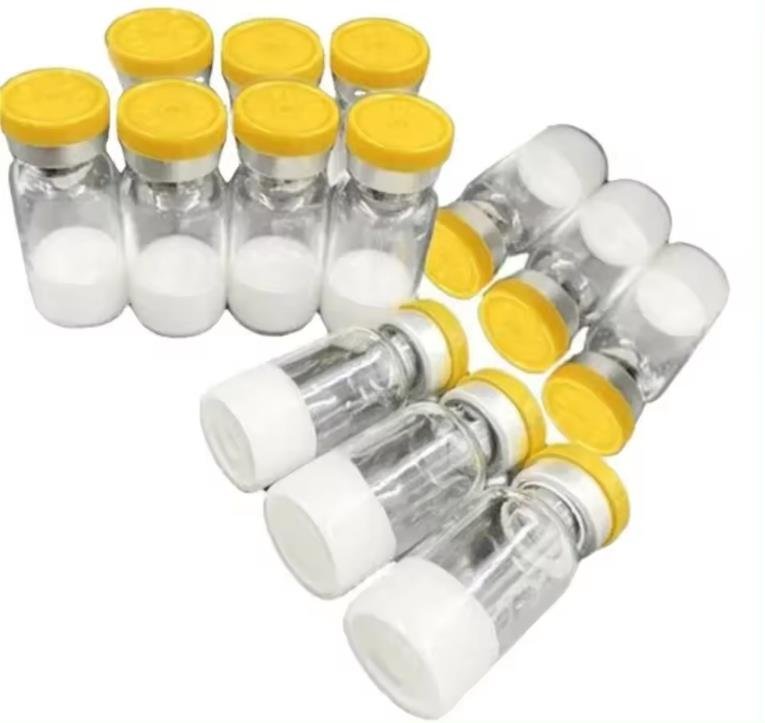
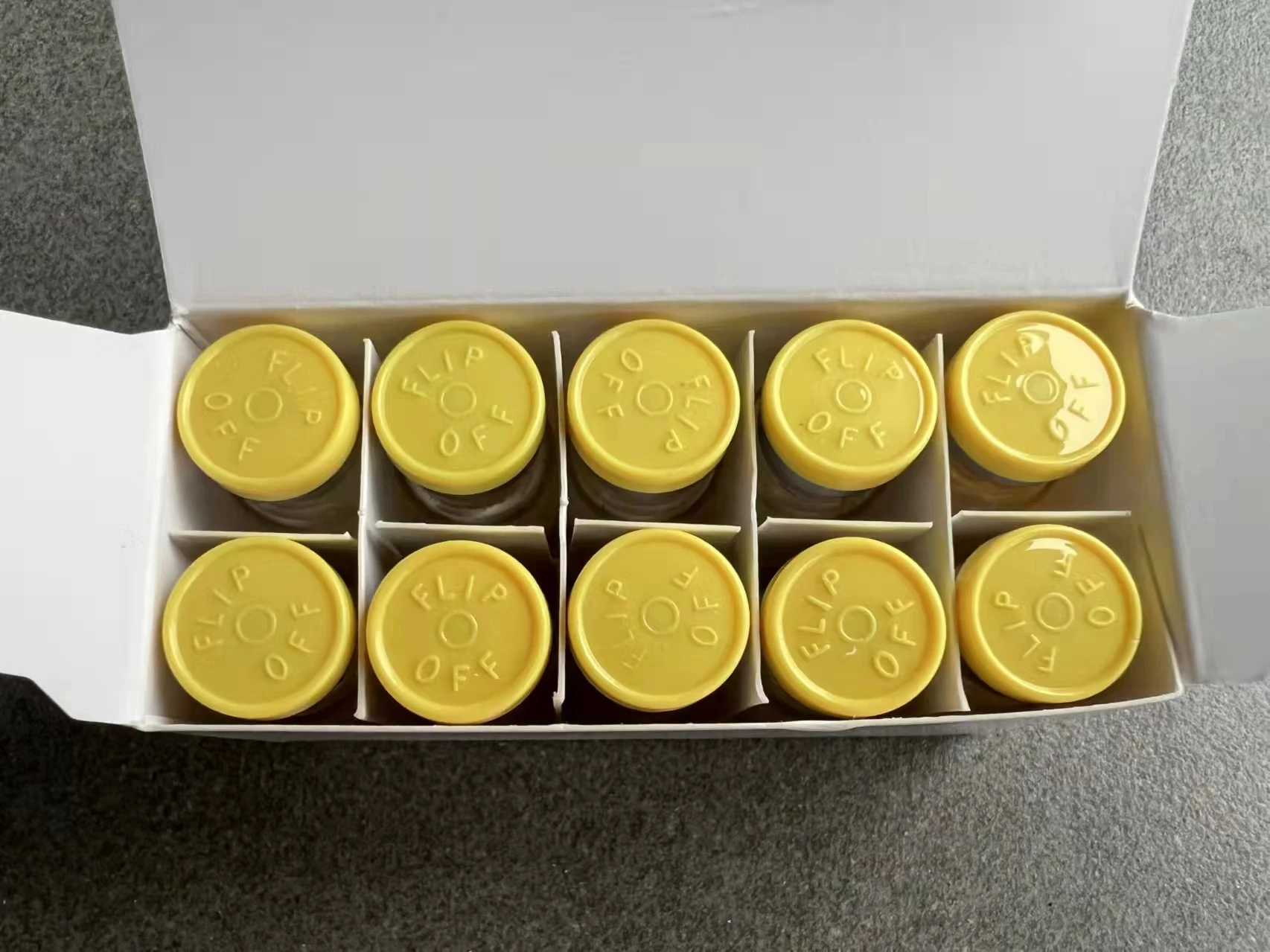
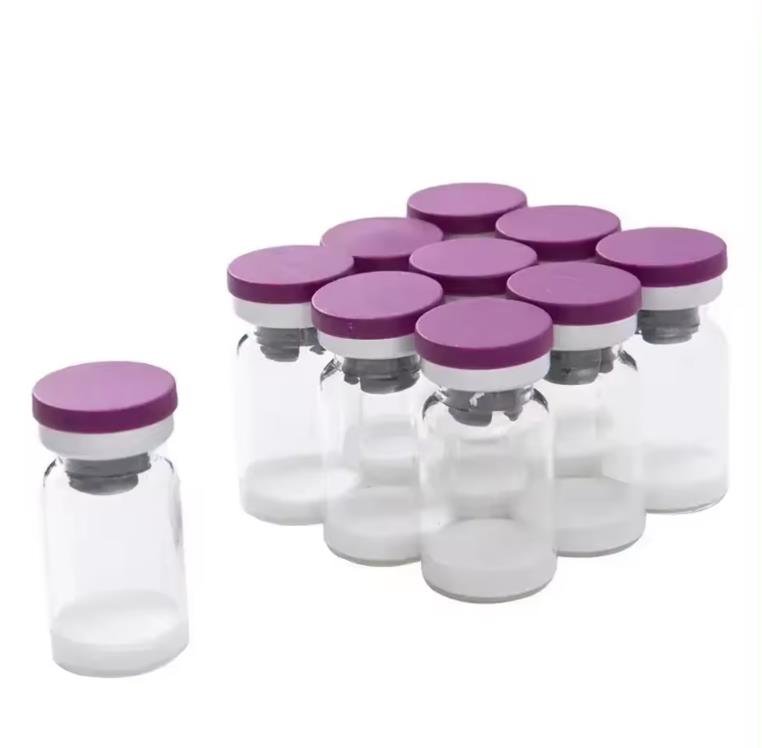
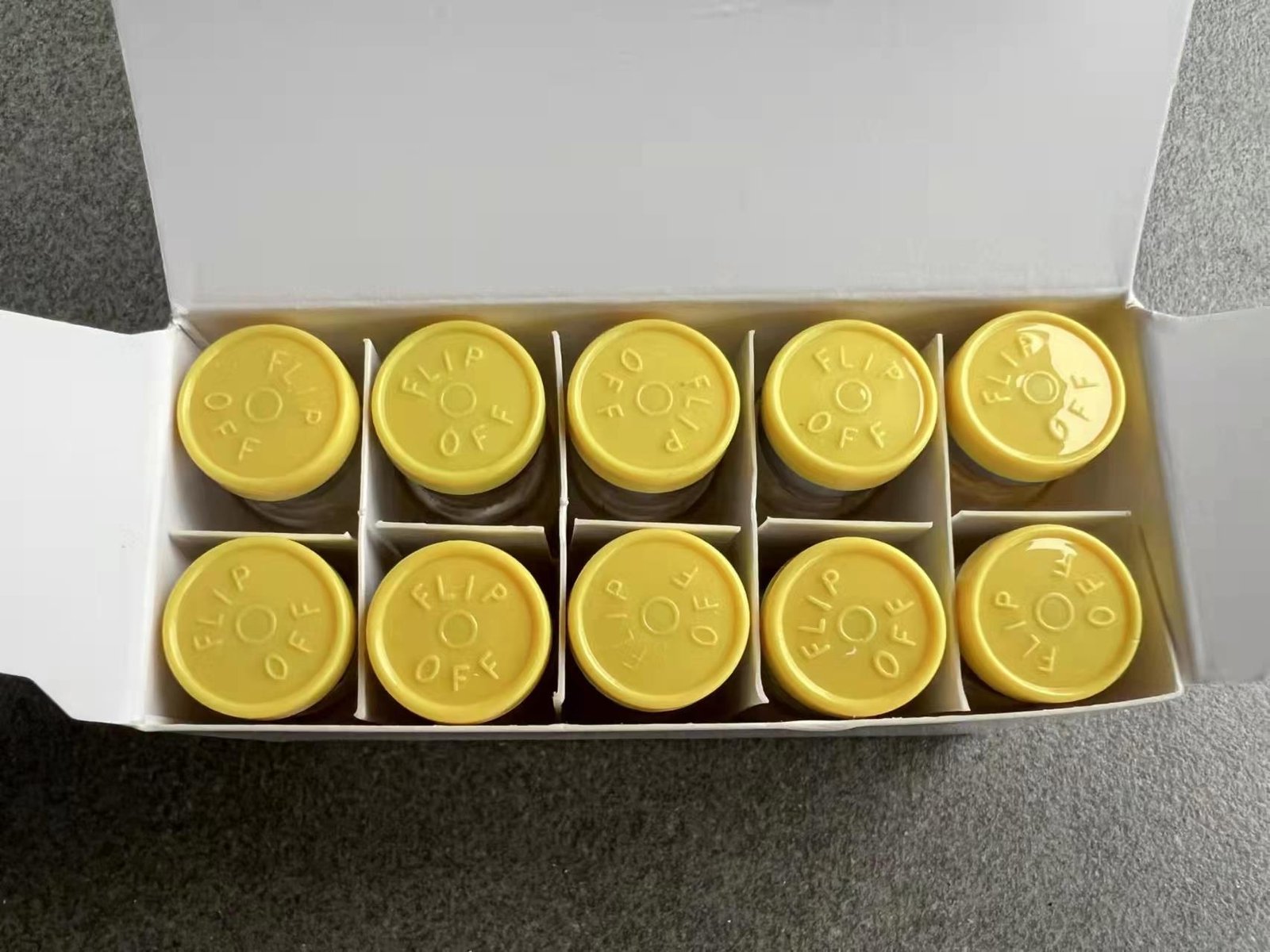
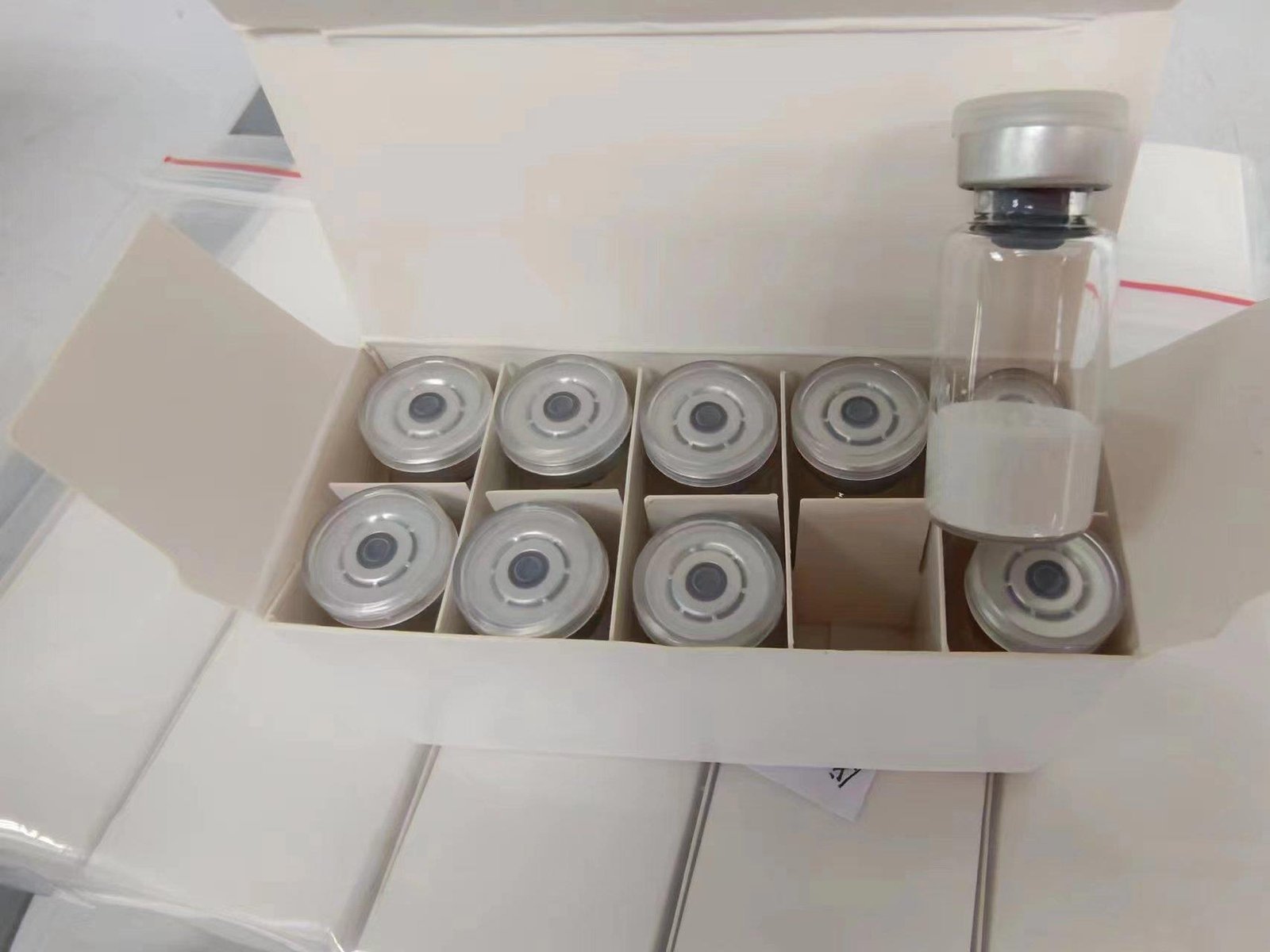
GHRP-2 Acetate high-purity raw materials
Original price was: $6.00.$4.00Current price is: $4.00.
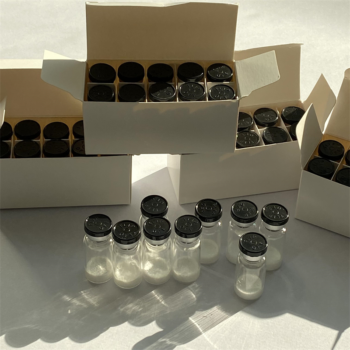
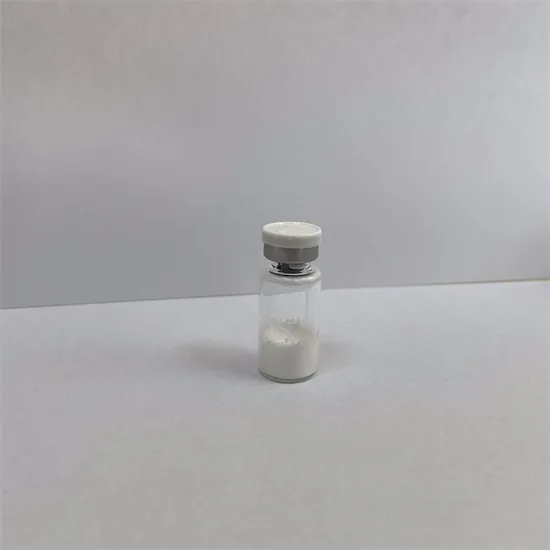
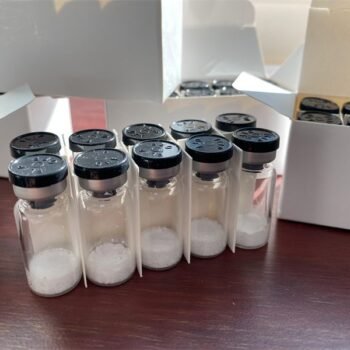
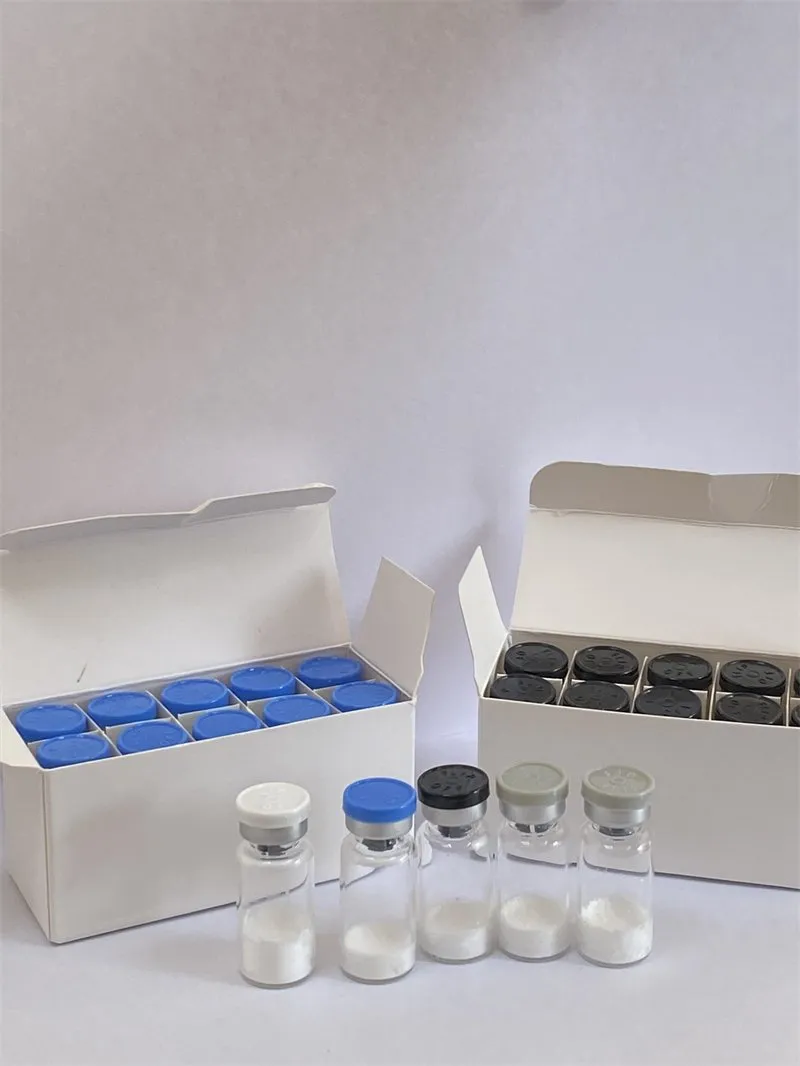
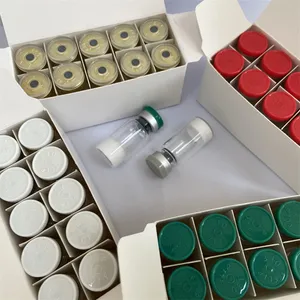
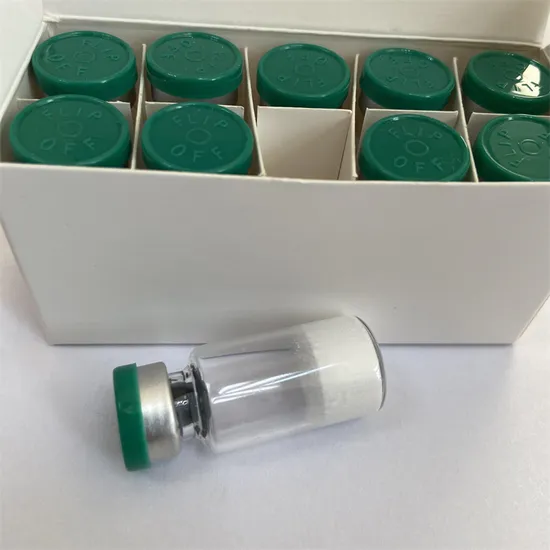
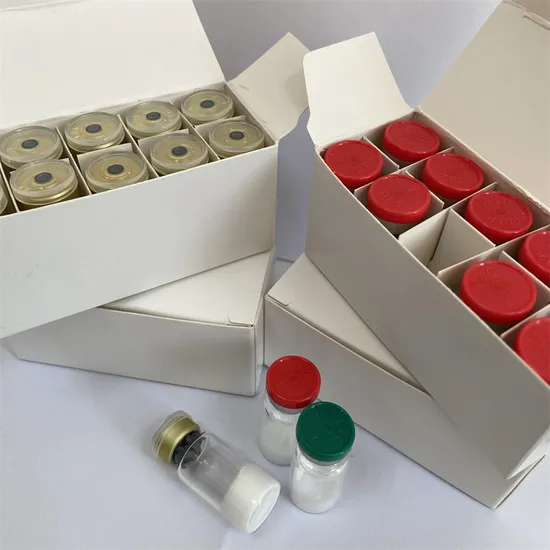
GHRP-2 Acetate is a synthetic growth hormone–releasing peptide analog designed for in vitro receptor signaling studies, peptide–receptor interaction analysis, and molecular mechanism research. This product is factory-manufactured with high purity and supplied exclusively for professional laboratory research applications.
Description
Contents
hide
Product Description
GHRP-2 Acetate is a well-defined synthetic hexapeptide belonging to the growth hormone–releasing peptide (GHRP) family and is widely utilized in laboratory research focused on peptide signaling and receptor interaction mechanisms. As a structurally compact and chemically stable peptide, GHRP-2 Acetate provides researchers with a reproducible molecular tool for controlled in vitro experimentation.
The molecular structure of GHRP-2 Acetate enables consistent interaction with peptide-responsive receptors, making it suitable for studies examining ligand–receptor recognition, signaling initiation, and downstream pathway modulation. Compared with larger peptide hormones, GHRP-2 Acetate offers improved experimental handling characteristics, including predictable solubility behavior and reliable batch consistency, which are critical for quantitative research.
In peptide science, GHRP-2 Acetate is frequently employed as a reference compound in structure–activity relationship (SAR) studies. Its well-characterized signaling profile allows researchers to benchmark newly designed peptide analogs, sequence modifications, and chemical stabilization strategies. This role supports rational peptide engineering and systematic evaluation of molecular performance across experimental models.
From a manufacturing perspective, GHRP-2 Acetate is produced using solid-phase peptide synthesis followed by advanced purification processes. Factory-controlled production ensures high chemical purity, structural integrity, and batch-to-batch reproducibility. Each production lot is analytically verified, supporting consistent research outcomes and reliable data interpretation.
GHRP-2 Acetate is supplied strictly for non-clinical laboratory research, including molecular biology, biochemistry, receptor pharmacology, and computational model validation. Its extensive use in experimental peptide research has established GHRP-2 Acetate as a foundational reagent for laboratories investigating peptide-mediated signaling mechanisms and receptor dynamics.
Product Specifications
| Item | Specification |
|---|---|
| Product Name | GHRP-2 Acetate |
| CAS Number | 158861-67-7 |
| Molecular Formula | C45H55N9O6 · C2H4O2 |
| Molecular Weight | ~873.01 g/mol |
| Peptide Length | Hexapeptide |
| Salt Form | Acetate |
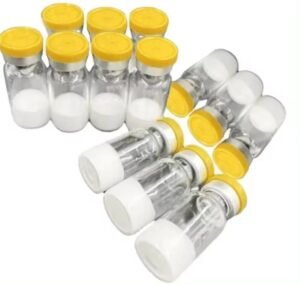
| Appearance | White to off-white lyophilized powder |
| Purity | ≥99% (HPLC) |
| Manufacturing Method | Solid-Phase Peptide Synthesis (SPPS) |
| Analytical Methods | HPLC, Mass Spectrometry |
| Solubility | Soluble in common laboratory solvents |
| Storage Conditions | −20 °C, protected from light and moisture |
| Intended Use | In vitro laboratory research only |
| Supply Options | Bulk, wholesale, and customized quantities |
| Origin | Factory-manufactured, China |
Notes: Certificates of Analysis and batch documentation are available to support laboratory validation and quality control requirements.
Mechanism of Action
GHRP-2 Acetate exerts its molecular activity primarily through interaction with the growth hormone secretagogue receptor type 1a (GHS-R1a), a G protein–coupled receptor extensively studied in peptide signaling research. Upon binding, GHRP-2 Acetate induces receptor conformational changes that initiate intracellular signaling cascades characteristic of GPCR activation.
One of the primary signaling pathways activated by GHRP-2 Acetate involves phospholipase C–dependent mechanisms, leading to inositol phosphate generation and intracellular calcium mobilization. These signaling events are commonly measured in cell-based assays and provide quantifiable indicators of receptor activation and ligand efficacy.
Beyond calcium signaling, GHRP-2 Acetate–mediated receptor engagement can influence downstream kinase pathways, including MAPK and ERK signaling modules. These pathways are central to studies exploring transcriptional regulation, protein phosphorylation, and intracellular signaling integration under controlled experimental conditions.
A key research advantage of GHRP-2 Acetate is its ability to stabilize receptor conformations that differ from those induced by endogenous ligands. This property enables investigation of ligand-specific signaling patterns and biased agonism, supporting advanced research in receptor pharmacology and structural biology.
Due to its reproducible signaling behavior, GHRP-2 Acetate is widely used as a benchmark ligand in comparative studies evaluating peptide analogs, receptor variants, and computational models of ligand–receptor interaction.
Applications
GHRP-2 Acetate is extensively applied in in vitro laboratory research focused on peptide signaling mechanisms, receptor pharmacology, and molecular interaction analysis. One major application involves cell-based assays designed to quantify receptor activation, intracellular calcium flux, and downstream signaling responses.
In peptide analog development, GHRP-2 Acetate serves as a reference molecule for evaluating the functional impact of amino acid substitutions, terminal modifications, or chemical stabilization strategies. These studies support systematic structure–activity relationship analysis and rational peptide design.
GHRP-2 Acetate is also utilized in receptor binding and competitive displacement assays to characterize ligand affinity and binding kinetics. Such data contribute to mechanistic understanding of peptide–receptor recognition and support computational docking and simulation studies.
Additional applications include signaling network analysis, assay standardization, and inter-laboratory validation studies. The predictable experimental behavior of GHRP-2 Acetate enhances data comparability and methodological reproducibility.
Research Models
Research involving GHRP-2 Acetate commonly employs engineered cell lines expressing GHS-R1a, allowing precise control of receptor density and signaling context. These models support quantitative assessment of ligand potency and pathway activation.
Transient expression systems and receptor mutant models are also used to evaluate structural determinants of ligand–receptor interaction. GHRP-2 Acetate provides a consistent reference input across these experimental platforms.
Biochemical models such as ligand binding assays and signaling reporter systems further extend the application of GHRP-2 Acetate in mechanistic research and assay development.
In Vitro Peptide Research Models reference.
Experimental Design Considerations
Experimental use of GHRP-2 Acetate should include well-defined concentration ranges, exposure durations, and validated assay endpoints. Pilot experiments are recommended to establish baseline responsiveness and optimize detection sensitivity.
Appropriate negative controls, reference ligands, and technical replicates are essential for robust data interpretation. Batch verification and consistent storage conditions further support experimental reproducibility.
Laboratory Safety & Handling Guidelines
GHRP-2 Acetate is intended exclusively for professional laboratory research use. Handling should be performed by trained personnel using standard laboratory protective equipment.
The lyophilized powder should be stored under recommended conditions to maintain chemical stability. Reconstitution and aliquoting should be conducted in clean laboratory environments to minimize contamination risks.
Disposal of unused material must follow institutional and regulatory guidelines applicable to synthetic peptides.
Integration with Multi-Omic & Computational Studies
GHRP-2 Acetate is increasingly incorporated into multi-omic research designs linking receptor activation with transcriptomic and proteomic responses. Its defined signaling mechanism supports correlation analysis across molecular data layers.
Computational modeling studies frequently utilize GHRP-2 Acetate as a reference ligand in GPCR docking and molecular dynamics simulations, improving predictive accuracy and model validation.
Keywords
GHRP-2 Acetate, growth hormone releasing peptide, peptide signaling research, GHS-R1a receptor, peptide analog comparison, in vitro peptide studies, synthetic peptide research, GPCR signaling
Shipping Guarantee
All shipments are securely packaged with appropriate temperature protection to preserve peptide integrity. Tracking information and batch documentation are provided to ensure safe delivery and research continuity.
Trade Assurance
Factory-direct manufacturing ensures consistent purity, batch reliability, and cost efficiency. Certificates of Analysis are supplied with every batch. Bulk and customized supply options are available.
Payment Support
We support Credit Card, Bank Transfer (TT), and Cryptocurrency payments (BTC, ETH, USDT). All transactions are encrypted and suitable for international laboratory procurement.
Disclaimer
This product is supplied strictly for laboratory research use only. GHRP-2 Acetate is not intended for diagnostic, therapeutic, or clinical applications. No claims are made regarding use outside controlled research environments. Users are responsible for compliance with all applicable regulations.
References
Growth Hormone-Releasing Hormone and Ghrelin Receptor Interaction – PubMed. Official government repository. PubMed
Yan, M. et al., Effect of GHRP-2 and GHRH on GHS-R mRNA expression, European Journal of Endocrinology (2004). OUP Academic
The Ghrelin Receptors GHS-R1a and GHS-R1b Overview – PubMed. PubMed
GHSR Gene Annotation – NCBI Gene Database. National Center for Biotechnology Information
Ghrelin and GHS-R1a Signaling Complexity Review – PubMed. PubMed
Additional information
| Weight | 1.5 kg |
|---|---|
| Dimensions | 62 × 53 × 62 cm |
1. What is GHRP-2 Acetate primarily used for in laboratory research?
GHRP-2 Acetate is primarily used in in vitro laboratory research to study peptide–receptor interactions, GPCR signaling mechanisms, and intracellular signal transduction pathways. It serves as a reference ligand in controlled experimental systems.
2. Is GHRP-2 Acetate suitable for in vitro experiments only?
Yes. GHRP-2 Acetate supplied on this page is intended exclusively for in vitro laboratory research. It is designed for molecular, biochemical, and receptor-level studies conducted under controlled research conditions.
3. How does GHRP-2 Acetate differ from endogenous peptide ligands in research?
GHRP-2 Acetate is a synthetic peptide with a defined and simplified structure. This allows researchers to investigate receptor activation and signaling mechanisms without the complexity associated with endogenous regulatory peptides.
4. Can GHRP-2 Acetate be used as a reference compound in peptide analog comparison studies?
Yes. GHRP-2 Acetate is frequently used as a benchmark compound in peptide analog comparison and structure–activity relationship (SAR) studies due to its well-characterized signaling profile.
5. What type of receptor research commonly involves GHRP-2 Acetate?
GHRP-2 Acetate is commonly used in research involving growth hormone secretagogue receptor (GHS-R1a) signaling, GPCR activation studies, and ligand–receptor binding analysis.
6. Is this GHRP-2 Acetate produced under factory-controlled conditions?
Yes. This GHRP-2 Acetate is factory-manufactured using solid-phase peptide synthesis and purified under strict quality control procedures to ensure batch consistency and high chemical purity.
7. How is the purity of GHRP-2 Acetate verified?
Purity is verified using analytical techniques such as high-performance liquid chromatography (HPLC) and mass spectrometry (MS). Certificates of Analysis are available for research documentation purposes.
8. Can GHRP-2 Acetate be used in receptor signaling assays?
Yes. GHRP-2 Acetate is widely used in cell-based receptor signaling assays, including calcium flux measurement and downstream kinase pathway analysis, under in vitro conditions.
9. Is GHRP-2 Acetate appropriate for computational modeling studies?
Yes. Experimental data generated using GHRP-2 Acetate are often integrated into molecular docking, GPCR modeling, and molecular dynamics simulations to support computational research workflows.
10. What storage conditions are recommended for GHRP-2 Acetate?
GHRP-2 Acetate should be stored at low temperature, protected from light and moisture, in accordance with standard laboratory peptide storage practices to maintain chemical stability.
11. Does this product support bulk or wholesale laboratory supply?
Yes. Bulk, wholesale, and customized supply options are available to support academic institutions, contract research organizations, and industrial laboratories.
12. Is GHRP-2 Acetate suitable for assay standardization across laboratories?
Due to its reproducible signaling behavior and consistent quality, GHRP-2 Acetate is suitable for assay development, standardization, and inter-laboratory comparison studies.
13. Can GHRP-2 Acetate be used in multi-omic research workflows?
Yes. GHRP-2 Acetate can be incorporated into multi-omic research designs that correlate receptor signaling events with transcriptomic or proteomic data generated in vitro.
14. Is batch-to-batch consistency guaranteed for this product?
Batch-to-batch consistency is ensured through factory-controlled synthesis, purification, and analytical verification procedures. Documentation is provided to support reproducible research outcomes.
15. Does this GHRP-2 Acetate include technical documentation?
Yes. Technical documentation such as Certificates of Analysis and analytical profiles can be provided to support laboratory validation and regulatory compliance.
Related products
High Purity 99.9% Weight Loss Peptide – Raw Material Factory Wholesale at Low Price
Weight Loss Peptide Appearance:Lyophilized powder Grade Standard:Top Quality Original price was: $12.00.$9.80Current price is: $9.80.Best-Selling Weight Loss Peptide: Slimming Peptide Reta with Safe Delivery
Weight Loss Peptide Lab-Tested Purity (99%+) – Ensures maximum effectiveness Original price was: $56.00.$23.00Current price is: $23.00.Retatrutide Raw Material Factory: Low-Price Wholesale for High-Purity Peptides
Retatrutide MOQ 1 Box Source Dry Powder Original price was: $38.00.$22.00Current price is: $22.00.GLP-1/GIP/glucagon combination therapy The Future of Metabolic Treatment (Wholesale Supplier Guide)
GLP-1/GIP/glucagon combination therapy Original price was: $38.00.$23.00Current price is: $23.00.
Reviews
There are no reviews yet.