
No products in the cart.
Sale
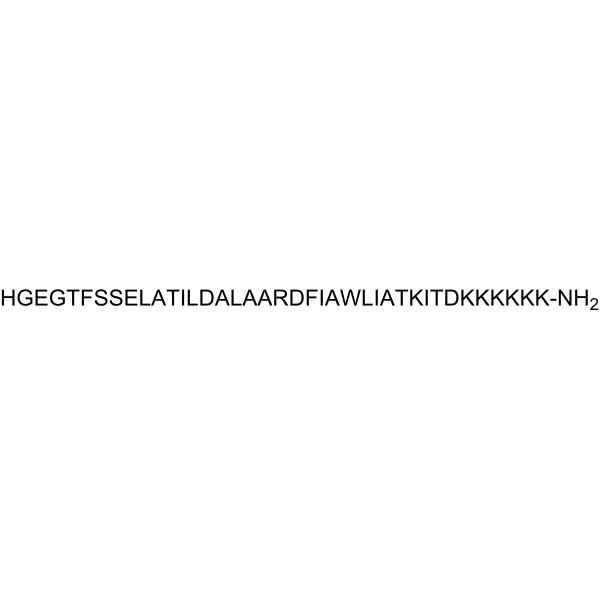
Glepaglutide (CAS 914009-86-2) | Long-Acting GLP-2 Analogue for IBD & Crohn’s Disease Research – GMP Manufacturer/Supplier
Original price was: $22.00.$18.00Current price is: $18.00.
Glepaglutide (ZP1848) is a synthetic long-acting GLP-2 analogue and potent GLP-2 receptor agonist. It reduces fecal output, enhances intestinal absorption, and alleviates small intestinal inflammation, making it a valuable tool for preclinical research in IBD, Crohn’s disease, and gastrointestinal physiology.
Description
Product Description
Glepaglutide (CAS 914009-86-2, ZP1848) is a synthetic long-acting glucagon-like peptide-2 (GLP-2) analogue that functions as a potent GLP-2 receptor agonist. By specifically targeting GLP-2 receptors, Glepaglutide exerts multiple physiological effects on the gastrointestinal tract. Its primary mechanism involves promoting intestinal epithelial proliferation, enhancing nutrient absorption, and reducing fecal output in preclinical models. These effects make Glepaglutide an indispensable tool for laboratory research on inflammatory bowel disease (IBD), Crohn’s disease, and related gastrointestinal disorders.
The compound’s long-acting nature ensures sustained receptor activation, allowing extended periods of intestinal mucosal regeneration and barrier restoration. This property is particularly valuable for preclinical studies examining intestinal morphology, villus height, crypt depth, and epithelial cell turnover. Furthermore, Glepaglutide has been shown to alleviate small intestinal inflammation by modulating immune responses, including downregulation of pro-inflammatory cytokines such as TNF-? and IL-6, while upregulating anti-inflammatory mediators.
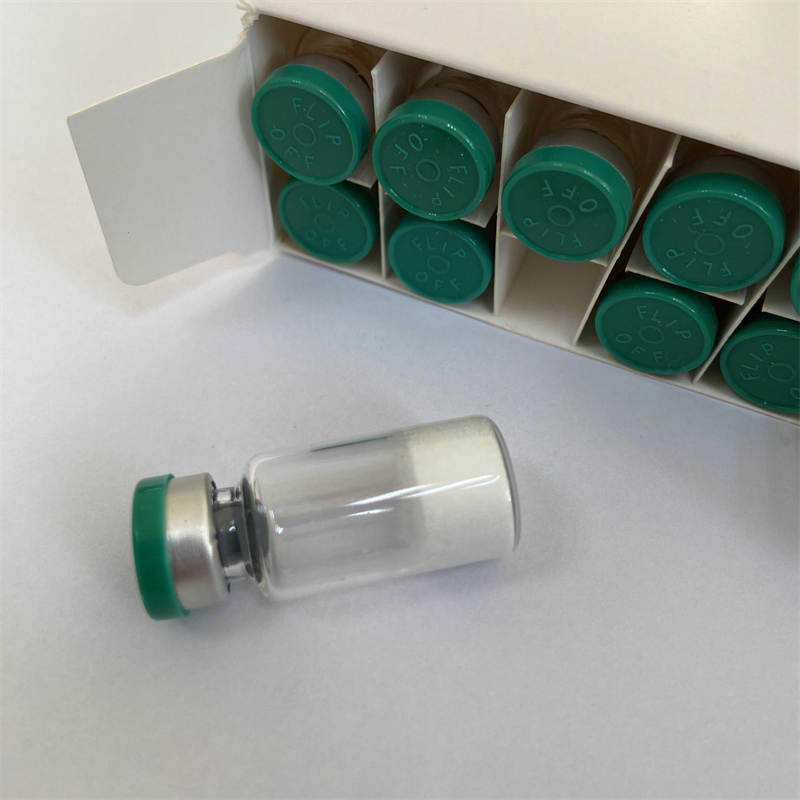
Manufactured under GMP-certified conditions, Glepaglutide offers high purity (99.28%), ensuring batch-to-batch consistency and reliability for both wholesale and retail laboratory applications. The lyophilized powder maintains structural integrity during storage and transport, facilitating reproducible experimental results across research institutions.
Researchers employ Glepaglutide in a wide range of experimental contexts, including preclinical pharmacology, intestinal physiology, nutrient absorption studies, and mechanistic research on gastrointestinal disease progression. Its application extends to testing therapeutic hypotheses, evaluating combination treatments, and exploring the effects of GLP-2 receptor agonism on epithelial repair, barrier integrity, and inflammatory modulation.
By leveraging Glepaglutide, laboratories can investigate critical pathways involved in intestinal regeneration, immune modulation, and chronic gastrointestinal inflammation, advancing our understanding of IBD pathophysiology and informing the development of novel therapeutic strategies.
Disclaimer: For laboratory research use only, not for human or veterinary use.
Product Specifications
| Parameter | Details |
|---|---|
| Product Name | Glepaglutide (ZP1848) |
| Synonyms | ZP1848, Glepaglutide |
| CAS Number | 914009-86-2 |
| Molecular Type | Synthetic peptide |
| Purity | 99.28% (HPLC) |
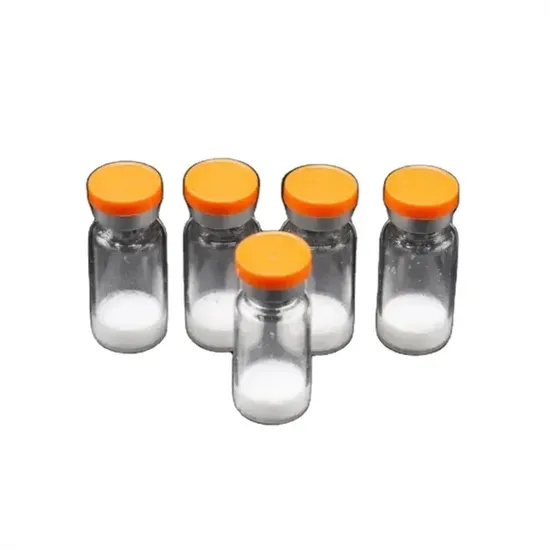
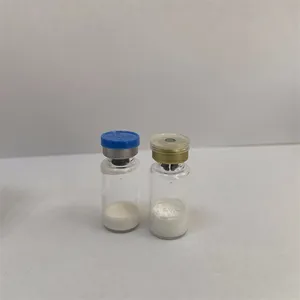
| Appearance | Lyophilized white to off-white peptide powder |
| Mechanism | Long-acting GLP-2 receptor agonist |
| Stability | Stable at -20°C; avoid repeated freeze-thaw cycles |
| Storage Conditions | Store at -20°C under inert atmosphere, protected from light and moisture |
| GMP Compliance | Produced in GMP-certified facility for high purity and reproducibility |
| Application | Laboratory research in IBD, Crohn’s disease, intestinal absorption, small intestinal inflammation, and epithelial regeneration studies |
| Availability | Wholesale & retail supply |
| Solubility | Soluble in standard aqueous buffers used for peptide research |
| Recommended Form | Lyophilized powder for stability and experimental reproducibility |
| Half-Life | Long-acting analogue for sustained GLP-2R activation |
| Research Models | Rodent IBD models, intestinal inflammation models, epithelial regeneration assays |
Mechanism of Action & Research Applications
Mechanism of Action
Glepaglutide functions as a long-acting GLP-2 analogue that specifically activates the GLP-2 receptor (GLP-2R) on intestinal epithelial cells. Its key mechanisms include:
Promotion of intestinal epithelial proliferation: Increases villus height, crypt depth, and epithelial turnover.
Enhanced nutrient absorption: Improves macronutrient and micronutrient uptake by reducing fecal output and prolonging intestinal transit time.
Anti-inflammatory activity: Modulates inflammatory pathways by downregulating pro-inflammatory cytokines (e.g., TNF-?, IL-6) and upregulating anti-inflammatory mediators.
Mucosal barrier restoration: Enhances tight junction integrity and epithelial repair mechanisms, reducing intestinal permeability.
Long-acting receptor activation: Sustains GLP-2R signaling for extended biological effects, enabling studies of chronic intestinal regeneration.
These mechanisms render Glepaglutide ideal for studying gastrointestinal physiology, disease mechanisms, and preclinical therapeutic interventions in inflammatory bowel disease and Crohn’s disease.
Research Applications
Inflammatory Bowel Disease (IBD) Studies: Assess mucosal healing, epithelial regeneration, and inflammatory cytokine modulation in experimental IBD models.
Crohn’s Disease Research: Model small intestinal inflammation, study therapeutic efficacy, and evaluate GLP-2-mediated repair mechanisms.
Intestinal Absorption Studies: Quantify improvements in nutrient uptake, fecal output, and intestinal transit in preclinical models.
Small Intestinal Inflammation Research: Investigate molecular pathways of immune modulation, tissue repair, and mucosal recovery.
Pharmacodynamics and Pharmacokinetics: Study dose-response relationships, receptor activation kinetics, and long-acting peptide behavior.
Combination Therapy Models: Examine synergistic effects with other experimental peptides, anti-inflammatory compounds, or biologics.
Epithelial Barrier Function Studies: Assess tight junction proteins, mucosal integrity, and regenerative capacity after injury.
Molecular Mechanism Research: Explore GLP-2 receptor signaling, downstream intracellular pathways, and gene expression regulation.
Preclinical Gastrointestinal Physiology: Investigate villus morphology, crypt architecture, and epithelial turnover in normal and diseased states.
Translational Research Models: Evaluate potential interventions for human gastrointestinal disorders based on preclinical insights.
Glepaglutide’s versatility allows researchers to simulate clinical gastrointestinal disorders, examine therapeutic pathways, and generate mechanistic insights into intestinal regeneration and inflammation.

Side Effects (For Reference in Research Models)
In laboratory settings, Glepaglutide may demonstrate the following experimental effects:
Altered intestinal motility: Reduced fecal output and modified transit time.
Enhanced epithelial proliferation: Increased villus height, crypt depth, and mucosal regeneration.
Immune modulation: Dose-dependent effects on pro-inflammatory and anti-inflammatory cytokine profiles.
Morphological changes: Tissue remodeling and mucosal thickening observed in preclinical models.
Dose-dependent receptor activation: Biological effects increase with higher concentrations in vitro or in vivo.
Gastrointestinal physiology modulation: Changes in nutrient absorption, epithelial permeability, and barrier function.
Note: These effects are strictly for laboratory research and are not indicative of clinical safety or efficacy.
Disclaimer
Glepaglutide is supplied exclusively for laboratory research purposes. For laboratory research use only, not for human or veterinary use. It is not a dietary supplement or therapeutic agent. Proper laboratory safety protocols must always be followed.
Keywords
Glepaglutide
ZP1848 peptide
Long-acting GLP-2 analogue
GLP-2 receptor agonist
IBD research peptide
Crohn’s disease laboratory research
GMP peptide supplier Glepaglutide
Intestinal absorption research
Small intestine inflammation studies
Additional information
| Weight | 0.8 kg |
|---|---|
| Dimensions | 63 × 25 × 63 cm |
What is Glepaglutide?
A long-acting GLP-2 analogue and GLP-2 receptor agonist for laboratory research.
What is the CAS number of Glepaglutide?
CAS 914009-86-2.
How does Glepaglutide work?
It activates GLP-2 receptors to reduce fecal output, increase intestinal absorption, and alleviate small intestinal inflammation.
What research applications is it used for?
Inflammatory bowel disease (IBD), Crohn’s disease, intestinal absorption studies, and small intestinal inflammation research.
Is Glepaglutide GMP-certified?
Yes, supplied by a GMP-certified manufacturer to ensure high purity and reproducibility.
What is the purity of Glepaglutide?
99.28% as determined by HPLC.
Can it be purchased in bulk?
Yes, available for both wholesale and retail laboratory use.
How should Glepaglutide be stored?
Store lyophilized powder at -20°C under inert atmosphere; avoid repeated freeze-thaw cycles.
Is Glepaglutide safe for human use?
No, it is strictly for laboratory research only.
Does it reduce fecal output?
Yes, it decreases fecal output in preclinical models by enhancing nutrient absorption.
Can it alleviate intestinal inflammation?
Yes, experimental studies show anti-inflammatory effects in the small intestine.
Is it suitable for Crohn’s disease research?
Yes, widely used in preclinical Crohn’s disease models.
Does Glepaglutide enhance nutrient absorption?
Yes, by promoting intestinal epithelial regeneration and villus growth.
Can it be combined with other experimental compounds?
Yes, often used in combination therapy or mechanistic studies.
What is its mechanism of action?
Long-acting GLP-2 analogue activating GLP-2R to improve intestinal function.
Is Glepaglutide water-soluble?
Lyophilized powder is soluble in standard laboratory buffers.
Does it have a long half-life?
Yes, it is designed as a long-acting GLP-2 analogue for sustained receptor activation.
Can it be used in pharmacological studies?
Yes, suitable for preclinical pharmacodynamics and pharmacokinetics research.
Why choose GMP-supplied Glepaglutide?
Ensures high purity, reproducibility, and reliability for laboratory experiments.
Can it be used to study intestinal barrier function?
Yes, it is ideal for investigating epithelial integrity, villus regeneration, and mucosal repair.
Related products
Wholesales Weight Loss Peptides Raw Powder CAS 129954-34-3 with Safe Delivery
$2.00Function Weight Loss Peptides Color White Purity 99%OverRetatrutide | CAS 2381089-83-2 | Dual GLP-1/GIP/Glucagon Receptor Agonist
Retatrutide (CAS 2381089-83-2) is a high-purity research-grade peptide optimized for in vitro mechanistic studies. It supports investigations into signal transduction, receptor interactions, and molecular pathway modulation. Supplied as a lyophilized powder, it ensures stability and reproducibility for laboratory research applications. Original price was: $14.00.$12.00Current price is: $12.00.Tesamorelin Raw Material Factory: Low-Price Wholesale for High-Purity Peptides
Tesamorelin Egrifta; Tesamorelin; 218949-48-5; 804475-66-9; TH9507; ... Compound CID: 16137828 MF: C221H366N72O67S Original price was: $38.00.$23.00Current price is: $23.00.High Purity Weight Loss Peptide Reta, Trutide, GHK-Cu, Epitalon Peptide – The Ultimate Solution for Effective Weight Loss and Anti-Aging
Weight Loss Peptide Function Dose 2mg 5mg 10mg 15mg 20mg Higher Original price was: $36.00.$25.00Current price is: $25.00.
Reviews
There are no reviews yet.