
No products in the cart.
Sale

Glutathione Oxidized Disodium (CAS No. 103239-24-3) | GMP-Grade
Original price was: $28.00.$23.00Current price is: $23.00.
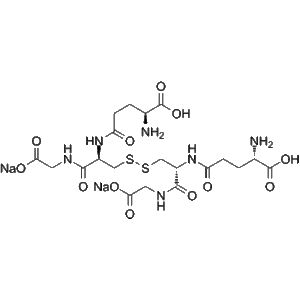
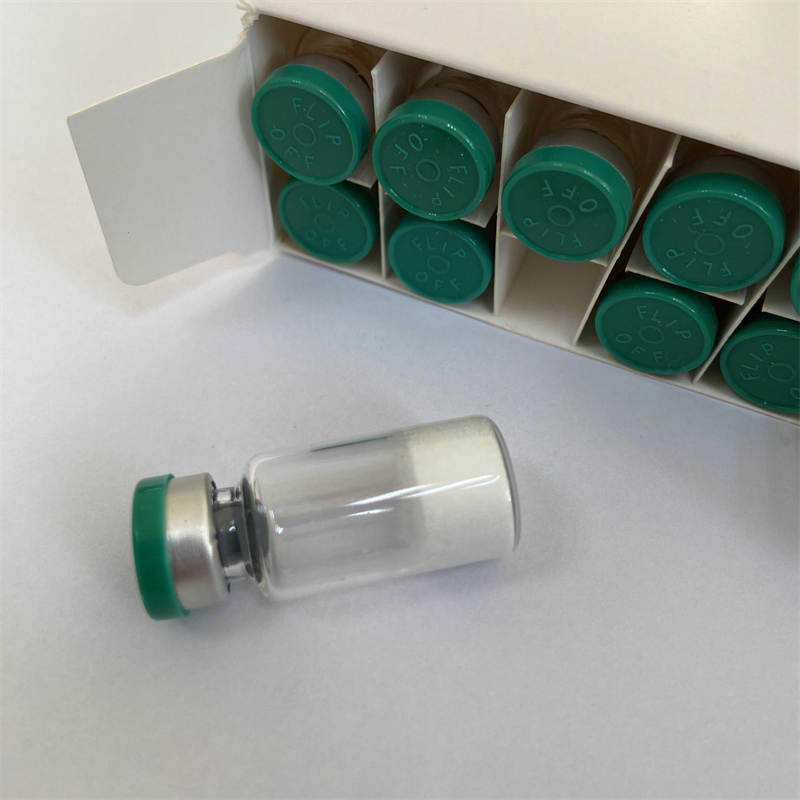
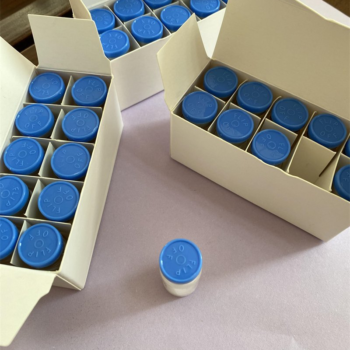
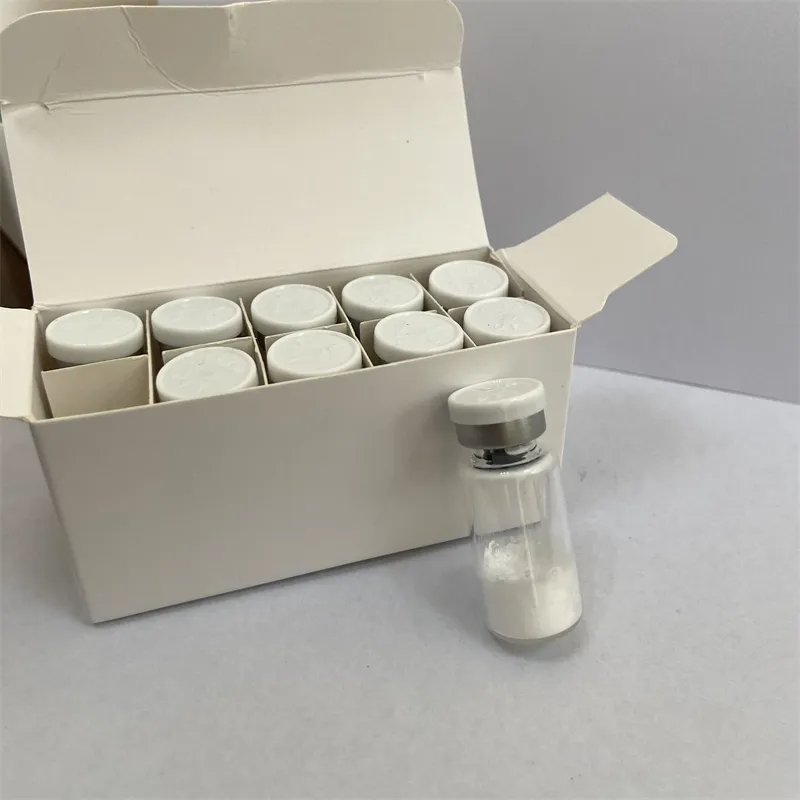
Glutathione Oxidized Disodium (GSSG disodium salt) is derived from the oxidation of glutathione, one of the most essential intracellular antioxidants and detoxifying agents. It plays a vital role in redox signaling, oxidative stress studies, and detoxification pathways. Supplied in GMP-grade form, ensuring purity and reproducibility for laboratory research.
Description
Product Description
Glutathione Oxidized Disodium (CAS No. 103239-24-3) is the disodium salt form of oxidized glutathione (GSSG), produced by the oxidation of reduced glutathione (GSH). As one of the most crucial antioxidants in living cells, glutathione maintains cellular redox balance, detoxifies xenobiotics, and protects biomolecules against oxidative damage.
The oxidized disodium form (GSSG-Na?) is particularly valuable for laboratory applications where solubility and stability are required. It serves as a research standard for studying redox homeostasis, oxidative stress, detoxification mechanisms, and cellular adaptive responses.
Biological Importance
Redox Buffer: GSSG is central in maintaining the cellular redox state through its reversible interconversion with GSH via glutathione reductase.
Oxidative Stress Marker: The GSH/GSSG ratio is widely used as a biomarker for oxidative stress in cells and tissues.
Detoxification: Glutathione conjugates with electrophilic compounds, aiding in xenobiotic clearance.
Signal Transduction: GSSG and GSH influence redox-sensitive signaling pathways, transcription factors, and protein thiol modifications.
Research Applications
Redox Biology: Study of GSH/GSSG cycling and oxidative damage.
Oxidative Stress: Experimental models for aging, neurodegeneration, and cardiovascular diseases.
Detoxification Pathways: Investigation of glutathione-dependent enzyme systems.
Oncology: Cancer metabolism and drug resistance research.
Neuroprotection: Protective mechanisms against excitotoxicity and oxidative damage in neurons.
Supplied in GMP-compliant quality, Glutathione Oxidized Disodium guarantees high purity, consistent activity, and reproducibility, essential for cellular, biochemical, and translational studies.
Disclaimer: For laboratory research use only. Not for human or veterinary use.
Product Specifications
| Parameter | Details |
|---|---|
| Product Name | Glutathione Oxidized Disodium |
| CAS Number | 103239-24-3 |
| Synonyms | GSSG disodium salt, Oxidized Glutathione disodium |
| Molecular Type | Oxidized glutathione salt form |
| Biological Role | Antioxidant, detoxification agent, redox regulator |
| Appearance | White to off-white powder |
| Purity | 98% (HPLC) |
| Solubility | Highly soluble in aqueous buffers |
| Stability | Stable 24 months (lyophilized form) |
| Storage Conditions | Store at –20 °C; avoid repeated freeze-thaw cycles |
| Mechanism of Action | Maintains redox balance via GSH/GSSG cycling |
| GMP Compliance | Manufactured in GMP-certified facility |
| Applications | Redox biology, oxidative stress, detoxification, oncology, neuroprotection |
| Availability | Wholesale & retail supply |
| Safety Considerations | Laboratory research use only |
Mechanism of Action & Research Applications
Mechanism of Action
Glutathione Oxidized Disodium functions through the GSH/GSSG redox cycle:
Electron Carrier – GSSG forms when two GSH molecules donate electrons to neutralize reactive oxygen species (ROS).
Glutathione Reductase Recycling – GSSG is recycled back to GSH by glutathione reductase using NADPH.
Signal Transduction – Alters protein thiol states and redox-sensitive transcription factors (e.g., NF-?B, Nrf2).
Research Applications
Oxidative Stress Models: Understanding redox imbalance in neurodegenerative, cardiovascular, and metabolic diseases.
Cellular Defense Mechanisms: Studying detoxification via glutathione peroxidase and glutathione S-transferase.
Oncology Studies: Investigating tumor cell resistance to chemotherapy via glutathione-dependent pathways.
Neuroprotection Research: Exploring glutathione-based defense in Parkinson’s, Alzheimer’s, and excitotoxicity.
Aging Biology: Modeling age-related oxidative stress and redox imbalance.

Side Effects (For Reference in Research Models)
In preclinical and laboratory models, Glutathione Oxidized Disodium may exhibit:
Dose-dependent redox shifts affecting cell signaling.
Altered antioxidant defenses at supraphysiological concentrations.
Potential cytotoxicity under excessive oxidative or reductive stress conditions.
These effects are observed only in experimental contexts and do not apply to clinical use.
Disclaimer
For laboratory research use only. Not for human or veterinary use.
Keywords
Glutathione Oxidized Disodium
GSSG disodium salt
Oxidized glutathione peptide
Intracellular antioxidant research
GMP supplier oxidized glutathione
Redox biology compound
Oxidative stress research peptide
Cellular detoxification research
Neuroprotection and oncology redox compound

Additional information
| Weight | 0.8 kg |
|---|---|
| Dimensions | 53 × 26 × 53 cm |
1. What is Glutathione Oxidized Disodium?
It is the disodium salt form of oxidized glutathione (GSSG), a central antioxidant and detoxifying molecule.
2. What is its CAS number?
103239-24-3.
3. How is it produced?
By oxidation of reduced glutathione (GSH).
4. What is its role in cells?
Maintains redox homeostasis, detoxifies compounds, and regulates signaling.
5. Is it soluble in water?
Yes, highly soluble in aqueous buffers.
Related products
Semaglutide finished product (lyophilized powder) wholesale Supplier
Semaglutide finished product (lyophilized powder) wholesale $1.00Retatrutide | CAS 2381089-83-2 | Dual GLP-1/GIP/Glucagon Receptor Agonist
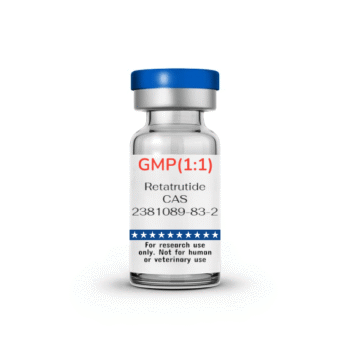
Retatrutide (CAS 2381089-83-2) is a high-purity research-grade peptide optimized for in vitro mechanistic studies. It supports investigations into signal transduction, receptor interactions, and molecular pathway modulation. Supplied as a lyophilized powder, it ensures stability and reproducibility for laboratory research applications. Original price was: $14.00.$12.00Current price is: $12.00.Semaglutide Raw Material Factory: Low-Price Wholesale for High-Purity Peptides
Semaglutide Compound CID: 56843331 MF: C187H291N45O59Purity: 99%
Form: Lyophilized powder
Dosage Options: 5mg, 10mg, 15mg per vial
Packaging: Secure box packaging
Shelf Life: 2 years (store in a cool, dry place)
MOQ: 1 box
Retatrutide cost with insurance
Retatrutide cost with insurance Original price was: $38.00.$26.00Current price is: $26.00.

Reviews
There are no reviews yet.