
No products in the cart.
Sale
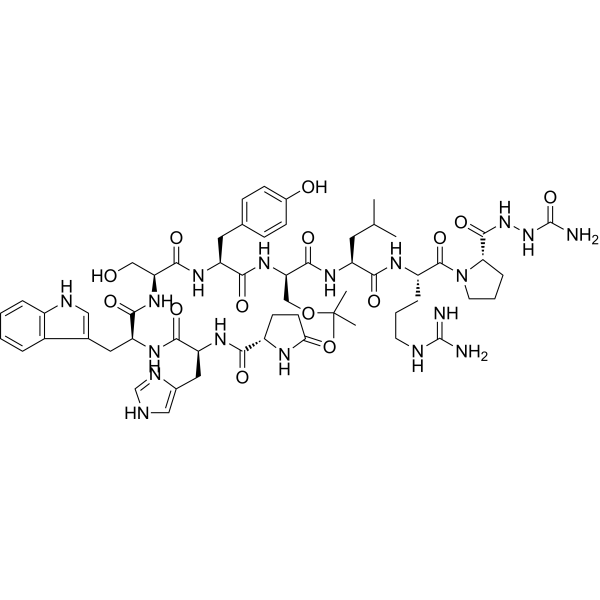
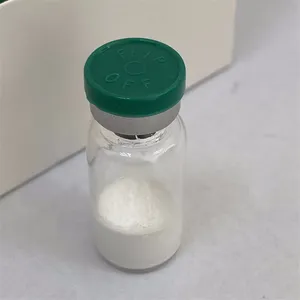
Goserelin – GnRH Agonist Decapeptide for Cancer Research
Original price was: $23.00.$18.00Current price is: $18.00.
Goserelin is a synthetic decapeptide analogue of gonadotropin-releasing hormone (GnRH/LHRH), acting as a GnRH agonist. Goserelin is widely used in preclinical research of hormone-dependent cancers, including breast, ovarian, and prostate cancer. Produced under GMP conditions, this high-purity peptide is intended exclusively for laboratory research and experimental studies.?If you need to place an order or inquire about wholesale product prices, specifications and uses, please contact our staff?
Description
Goserelin (ICI 118630) is a highly specific decapeptide analogue of gonadotropin-releasing hormone (GnRH), also known as luteinizing hormone-releasing hormone (LHRH). As a synthetic analogue, Goserelin exhibits potent agonist activity at the GnRH receptor, mimicking the natural action of GnRH while exhibiting prolonged activity and stability, making it a valuable compound for experimental oncology and endocrinology research.
The peptide sequence of Goserelin has been optimized to resist enzymatic degradation in vivo, prolonging receptor binding and enhancing biological effects relative to the native GnRH peptide. This property allows researchers to achieve sustained receptor stimulation in preclinical models of hormone-dependent cancers, including breast cancer, epithelial ovarian cancer, and prostate cancer. The ability to modulate the hypothalamic-pituitary-gonadal (HPG) axis in experimental studies makes Goserelin a cornerstone molecule for investigating endocrine regulation, hormone suppression strategies, and tumor growth modulation.
In breast cancer research, Goserelin is used to model hormone-dependent tumor growth, providing insights into estrogen receptor (ER) signaling, receptor crosstalk, and therapeutic response mechanisms. In combination with other cytotoxic agents or endocrine therapies, Goserelin facilitates investigations into synergistic effects and resistance mechanisms. Similarly, in prostate cancer models, Goserelin serves as a tool to study androgen deprivation therapy (ADT), enabling researchers to explore cellular, molecular, and physiological responses to GnRH agonist treatment.
Goserelin is produced under stringent GMP-compliant conditions to ensure high purity, consistency, and reproducibility across research studies. Laboratory-grade Goserelin allows for dose-controlled experiments, reproducible pharmacokinetics, and reliable biochemical analyses. Researchers may use this peptide to study tumor progression, hormone receptor modulation, or endocrine feedback loops in both in vitro and in vivo systems.
Beyond oncology, Goserelin is also applied in reproductive endocrinology research, such as studies of fertility, ovulation suppression, and pituitary-gonadal regulation. Its precise action on GnRH receptors makes it a model compound for evaluating novel drug candidates targeting hormonal pathways. Its decapeptide structure allows for experimental modifications or labeling, supporting mechanistic studies of receptor dynamics, downstream signaling pathways, and hormone biosynthesis in mammalian systems.
The use of in laboratory research is strictly for experimental purposes. It is not intended for human or veterinary administration. Researchers should follow standard laboratory safety protocols when handling this peptide.
Product Specifications
| Parameter | Details |
|---|---|
| Product Name | Goserelin (ICI 118630) |
| Synonyms | LHRH agonist, GnRH agonist decapeptide |
| CAS Number | 65807-02-5 |
| Molecular Type | Decapeptide |
| Purity | ?98% (HPLC) |
| Appearance | Lyophilized peptide powder |
| Stability | Stable at -20°C, avoid repeated freeze-thaw cycles |
| Storage | Store at -20°C under inert atmosphere |
| GMP Compliance | Produced in GMP-certified facility |
| Application | Laboratory research in oncology, endocrinology, and hormone-dependent cancer models |
| Availability | Wholesale & retail supply |
Mechanism of Action & Research Applications
Goserelin functions as a potent agonist of the gonadotropin-releasing hormone receptor (GnRHR), initiating a cascade of endocrine responses by stimulating the hypothalamic-pituitary-gonadal axis. Initially, Goserelin induces a transient surge of luteinizing hormone (LH) and follicle-stimulating hormone (FSH) secretion, which can result in temporary elevation of downstream sex steroid hormones. Continued exposure, however, leads to desensitization of GnRH receptors in the pituitary, downregulation of LH and FSH release, and subsequent suppression of testosterone or estrogen production, depending on the biological model.
This biphasic mechanism is central to Goserelin’s application in hormone-dependent cancer research. In breast and ovarian cancer models, suppression of circulating estrogens allows researchers to study estrogen deprivation effects on tumor proliferation, apoptosis, and metastasis. In prostate cancer studies, androgen suppression models facilitated by Goserelin enable investigations into androgen receptor signaling, castration-resistant prostate cancer (CRPC) mechanisms, and combination therapy strategies.
At the cellular level, Goserelin-mediated GnRH receptor activation triggers intracellular signaling pathways involving G-protein coupled receptors, second messengers such as cAMP, and downstream transcription factors that regulate steroidogenesis and gonadotropin synthesis. By experimentally controlling these pathways, researchers can dissect mechanisms of receptor desensitization, intracellular signaling feedback loops, and cross-talk with growth factor pathways relevant to cancer progression.
In addition to endocrine and oncological studies, Goserelin is used as a tool in reproductive biology research. It serves as a model for fertility modulation, ovulation suppression, and experimental investigation of reproductive cycles in mammalian systems. Researchers may explore the pharmacodynamics of novel GnRH analogues, test combinatorial drug therapies, or develop animal models for endocrine disorders.
Furthermore, Goserelin is utilized in translational research for combination therapies, where its hormone-suppressing properties are combined with cytotoxic chemotherapy or targeted biologics to evaluate synergistic anti-tumor effects. Preclinical studies often employ Goserelin to investigate pharmacokinetics, receptor binding kinetics, and long-term endocrine modulation, providing foundational data for drug development pipelines.
The experimental use of Goserelin is critical for understanding endocrine oncology, hormone-dependent tumor biology, and potential therapeutic interventions. Its predictable and reproducible effects on the HPG axis make it a reliable tool for high-quality, mechanistic research. Researchers should note that Goserelin is strictly for laboratory research purposes and should be handled in compliance with safety and regulatory guidelines.
Side Effects (For Reference in Models)
In preclinical studies, Goserelin can induce predictable pharmacodynamic effects consistent with GnRH receptor agonism. Initial administration may produce a transient rise in LH, FSH, and sex steroid hormones, known as a “flare effect,” which is relevant when modeling hormone-dependent tumor growth. Prolonged exposure results in suppression of gonadotropins and sex steroids. In animal models, potential observations include temporary changes in reproductive tissue size, hormonal fluctuations, or modulation of secondary sexual characteristics.
While these effects are well-characterized in experimental contexts, Goserelin should be handled as a research-grade peptide. Toxicity, bioavailability, and pharmacodynamic responses can vary depending on species, dosage, and experimental design. Researchers are advised to use appropriate safety measures and containment protocols.
Disclaimer
is intended only for laboratory research. It is not for human or veterinary use, nor for diagnostic or therapeutic purposes. Researchers must follow applicable local regulations and safety protocols.
Keywords
decapeptide LHRH, breast cancer research peptide, prostate cancer research peptide, ovarian cancer research peptide, experimental endocrinology peptide, hormone-dependent cancer research,CAS 65807-02-5
Additional information
| Weight | 0.5 kg |
|---|---|
| Dimensions | 53 × 62 × 53 cm |
Related products
Semaglutide Raw Material Factory: Low-Price Wholesale for High-Purity Peptides
Semaglutide Compound CID: 56843331 MF: C187H291N45O59Purity: 99%
Form: Lyophilized powder
Dosage Options: 5mg, 10mg, 15mg per vial
Packaging: Secure box packaging
Shelf Life: 2 years (store in a cool, dry place)
MOQ: 1 box
High Purity Weight Loss Peptide Reta, Trutide, GHK-Cu, Epitalon Peptide – The Ultimate Solution for Effective Weight Loss and Anti-Aging
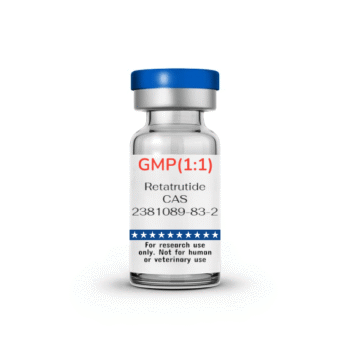
Weight Loss Peptide Function Dose 2mg 5mg 10mg 15mg 20mg Higher Original price was: $36.00.$25.00Current price is: $25.00.Retatrutide | CAS 2381089-83-2 | Dual GLP-1/GIP/Glucagon Receptor Agonist
Retatrutide (CAS 2381089-83-2) is a high-purity research-grade peptide optimized for in vitro mechanistic studies. It supports investigations into signal transduction, receptor interactions, and molecular pathway modulation. Supplied as a lyophilized powder, it ensures stability and reproducibility for laboratory research applications. Original price was: $14.00.$12.00Current price is: $12.00.Anti-Aging Peptide Raw Powder CAS 307297-39-8 Epitalon – Low Price Wholesale
Anti-Aging Moq:10 vials per box Appearance:Lyophilized powder Purity:99% Original price was: $29.00.$23.00Current price is: $23.00.

Reviews
There are no reviews yet.