
No products in the cart.
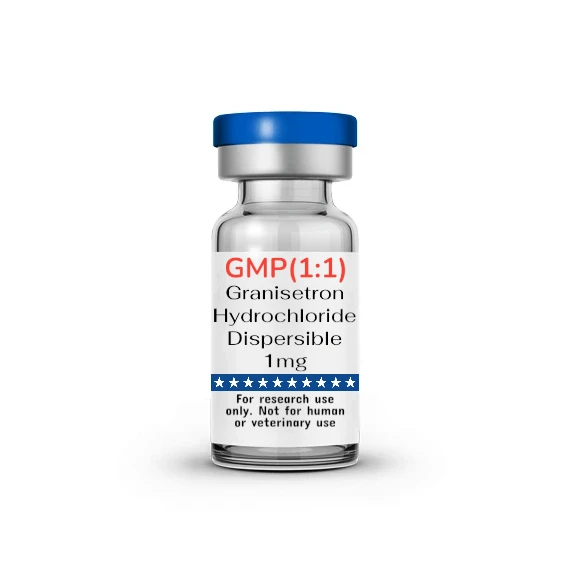

Granisetron Hydrochloride Dispersible 1mg
$1.00
High-purity Granisetron Hydrochloride Dispersible is a factory-manufactured research reagent optimized for in vitro receptor binding studies, 5-HT3 receptor mechanistic analysis, and molecular signaling research. Available for bulk and wholesale laboratory use with batch-verified purity and reproducible performance.
Description
Product Description
Granisetron Hydrochloride Dispersible is a high-purity, research-grade compound widely used in in vitro studies of 5-HT3 receptor function and serotonin-mediated signaling pathways. Manufactured under strict factory quality control, this dispersible form is optimized for laboratory assays that require rapid solubilization and precise concentration control in experimental models.
In mechanistic studies, Granisetron Hydrochloride serves as a selective 5-HT3 receptor antagonist, enabling researchers to probe receptor-ligand interactions, ion channel modulation, and downstream signaling pathways without interference from non-target receptors. Its dispersible form facilitates consistent preparation in aqueous and buffer solutions, supporting reproducibility across multiple in vitro experiments.
The compound allows detailed analysis of 5-HT3 receptor-mediated ionic currents, receptor desensitization kinetics, and intracellular signaling cascades, including pathways involved in cation channel regulation, signal transduction, and receptor internalization. These applications make it a valuable tool for studying serotonin receptor pharmacology, receptor-ligand binding dynamics, and downstream mechanistic responses in controlled laboratory systems.
Granisetron Hydrochloride Dispersible supports high-throughput screening (HTS), electrophysiological assays, and receptor binding studies, providing reproducible data suitable for multi-lab collaborations and integrated mechanistic research projects. Its high purity and stable formulation make it suitable for mechanistic research, structure-activity relationship (SAR) studies, and exploratory signaling investigations.
Factory-manufactured batches are verified via HPLC and identity testing to ensure consistent performance and reliable use in laboratory research. This compound is strictly intended for in vitro mechanistic research, including receptor pharmacology, signal transduction, and computational modeling studies.
By utilizing Granisetron Hydrochloride Dispersible, researchers can systematically dissect serotonin-mediated cellular mechanisms, characterize receptor-specific responses, and explore downstream signaling networks under standardized laboratory conditions. Its stable, dispersible formulation and high-purity profile make it a robust reagent for laboratories focused on mechanistic molecular research, receptor characterization, and in vitro pharmacology studies.
Product Specifications
| Parameter | Details |
|---|---|
| Product Name | Granisetron Hydrochloride Dispersible |
| Alternative Names | Granisetron HCl, 5-HT3 receptor antagonist |
| Form | Dispersible powder |
| Purity | ≥ 98% (HPLC verified; batch-tested) |
| Grade | Laboratory research grade |
| Molecular Type | Small-molecule receptor antagonist |
| Target (Research Context) | 5-HT3 receptor (serotonin receptor subtype) |
| Mechanistic Category | Competitive antagonist; receptor-ligand interaction studies |
| Appearance | White to off-white dispersible solid |
| Solubility | Rapidly dispersible in aqueous buffers and compatible solvents; suitable for in vitro assays |
| Stability | Stable under recommended storage; suitable for long-term laboratory research |
| Storage Conditions | Store in a sealed container, protected from light and moisture, at 2–8°C or as specified in COA |
| Handling Requirements | Standard laboratory PPE required; avoid inhalation or contact with skin/eyes |
| Recommended Applications | 5-HT3 receptor mechanistic studies, electrophysiology, binding assays, SAR analysis, signal transduction research |
| Manufacturing Standard | Factory-manufactured with strict quality control |
| Batch Consistency | Verified batch-to-batch reproducibility |
| Packaging Options | Laboratory vials, bulk packaging for wholesale supply |
| Customization | Bulk quantity, labeling, and packaging customization available |
| Intended Use | Research use only; strictly in vitro and mechanistic studies |
Structural & Documentation Notes
Certificate of Analysis (COA) available upon request
Analytical data includes HPLC purity, identity confirmation, and batch traceability
Compatible with high-throughput receptor assays and electrophysiological studies
Mechanism of Action
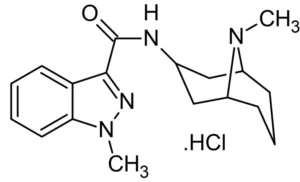
Granisetron Hydrochloride Dispersible is a selective 5-HT3 receptor antagonist widely used in laboratory research to investigate serotonin-mediated signaling pathways in vitro. Its mechanism is centered on competitive inhibition of the 5-HT3 receptor, a ligand-gated ion channel that mediates cation flux in response to serotonin (5-hydroxytryptamine, 5-HT) binding.
At the molecular level, Granisetron binds to the receptor’s extracellular domain, preventing serotonin from activating the ion channel. This blockade inhibits receptor-mediated depolarization events, intracellular calcium flux, and downstream signaling cascades. In controlled laboratory assays, this allows researchers to dissect receptor-specific signaling mechanisms, ion channel modulation, and ligand-binding dynamics.
In in vitro cellular models, Granisetron facilitates investigation of 5-HT3 receptor desensitization, conformational dynamics, and pharmacological selectivity. The compound is ideal for mechanistic studies involving receptor-ligand interactions, electrophysiological measurements, and signal transduction mapping. Its high selectivity for 5-HT3 receptors enables differentiation from other serotonin receptor subtypes and minimizes confounding effects in receptor-specific assays.
Granisetron Hydrochloride Dispersible also supports structure-activity relationship (SAR) studies, providing insight into how chemical modifications influence receptor binding and functional inhibition. Researchers can use it to evaluate ligand affinity, binding kinetics, and conformational stabilization of the receptor in biochemical or cell-free assay systems.
Additionally, this dispersible form enhances reproducibility in high-throughput screening (HTS) and receptor pharmacology experiments, allowing accurate preparation and rapid solubilization. Experimental data generated using Granisetron can be integrated into computational modeling, molecular docking, and multi-omic analyses to provide deeper mechanistic insights into 5-HT3 receptor-mediated pathways.
Overall, Granisetron Hydrochloride Dispersible is a robust tool for in vitro mechanistic research involving serotonin receptor function, ion channel modulation, and signal transduction studies, offering high specificity, reproducibility, and molecular precision for laboratory-based investigations.
Applications
Granisetron Hydrochloride Dispersible is widely used as a laboratory research reagent for in vitro mechanistic studies of serotonin receptor function, ion channel activity, and downstream signaling. Its high purity and selective 5-HT3 receptor antagonism make it ideal for controlled experimental models.
5-HT3 Receptor Signaling Studies
Granisetron allows researchers to investigate serotonin-mediated signal transduction in cellular or cell-free systems. By blocking the 5-HT3 receptor, it enables analysis of ion channel gating, cation flux, receptor desensitization, and downstream biochemical events without interference from other serotonin receptor subtypes.
Electrophysiology and Ion Channel Assays
In electrophysiological research, Granisetron is used to study receptor-mediated depolarization, calcium signaling, and channel kinetics. Its selective inhibition supports mechanistic experiments examining ligand-gated ion channel function under controlled in vitro conditions.
Protein–Ligand Interaction and SAR Studies
Granisetron serves as a tool for structure-activity relationship (SAR) research by providing a reference antagonist to probe ligand-receptor interactions, binding kinetics, and conformational changes. Comparative studies with related compounds can elucidate determinants of receptor affinity and specificity.
High-Throughput Screening (HTS) Applications
The dispersible formulation supports high-throughput screening assays, facilitating reproducible compound preparation and rapid solubilization. Granisetron can act as a benchmark or control in receptor-targeted screening workflows.
Integration with Multi-Omic Approaches
Data derived from Granisetron-based experiments can be combined with transcriptomic, proteomic, or computational studies to investigate broader effects of 5-HT3 receptor modulation on cellular pathways, molecular networks, and signaling adaptation.
Mechanistic Pathway Dissection
Granisetron enables researchers to map serotonin receptor-specific pathways and study feedback regulation, receptor crosstalk, and downstream effectors. Its reproducible activity supports mechanistic interrogation of receptor-dependent signaling in vitro.
Research Models
Granisetron Hydrochloride Dispersible is suitable for a variety of in vitro and mechanistic research models focused on 5-HT3 receptor function, ion channel regulation, and serotonin-mediated signaling. Its high-purity dispersible form allows precise dosing and reproducible experimental outcomes in laboratory research.
Cell-Free Biochemical Models
Granisetron can be applied in cell-free receptor assays using purified 5-HT3 protein or receptor fragments. These systems facilitate investigation of ligand-binding kinetics, competitive inhibition, and receptor conformational dynamics under controlled conditions. Techniques such as surface plasmon resonance (SPR), radioligand binding assays, and fluorescence-based interaction studies are commonly employed.
In Vitro Cellular Models
In cultured cell models expressing 5-HT3 receptors, Granisetron allows researchers to study receptor-mediated ionic currents, depolarization events, and downstream signaling. Comparing treated versus untreated cells provides mechanistic insight into receptor-specific responses and functional inhibition.
Electrophysiology and Imaging Models
Granisetron is widely used in patch-clamp and calcium imaging experiments to quantify receptor-mediated ion flux and visualize changes in intracellular signaling. High-content imaging supports observation of receptor localization, internalization, and dynamics following antagonist treatment.
Reporter-Based Assays
Reporter systems, including fluorescence or luminescence reporters linked to 5-HT3 receptor pathways, can be used with Granisetron to monitor real-time pathway modulation. This allows detailed kinetic and dose-response studies in in vitro settings.
Comparative Receptor Models
Granisetron can be applied in comparative studies involving multiple serotonin receptor subtypes or receptor mutants. This supports mechanistic research on receptor selectivity, signaling specificity, and potential cross-talk in controlled laboratory environments.
Integrated Systems and Computational Models
Data from Granisetron-based experiments can be incorporated into computational models, molecular docking studies, and multi-omic analyses. This integration enables prediction of receptor-ligand interactions, network effects, and pathway adaptations in in vitro mechanistic research.
Overall, Granisetron Hydrochloride Dispersible is a versatile research tool for laboratories studying 5-HT3 receptor pharmacology, molecular signaling, and mechanistic receptor biology, providing reproducible and high-quality data in controlled experimental systems.
Experimental Design Considerations
When using Granisetron Hydrochloride Dispersible in in vitro and mechanistic studies, careful experimental design is essential to ensure reliable, reproducible, and interpretable results. The following considerations provide guidance for laboratory research:
Model Selection
Choose experimental systems appropriate for 5-HT3 receptor studies, such as purified receptor preparations, recombinant cell lines, or native cell models expressing 5-HT3 subtypes. Validation of receptor expression and baseline activity ensures observed effects are specifically mediated by the target receptor.
Concentration and Dosing
Determine compound concentrations empirically within each assay context. Pilot experiments help identify effective antagonist concentrations that block receptor activity without nonspecific effects. Consistency across replicates is crucial for reproducibility.
Assay Controls
Include negative controls (untreated samples) and positive reference compounds to validate assay performance. Granisetron can serve as a benchmark antagonist in competitive binding or functional assays.
Time Course Studies
Conduct time-dependent studies to evaluate the kinetics of receptor inhibition, desensitization, and downstream signaling changes. Multiple time points allow detailed analysis of mechanistic dynamics.
Multiparametric Readouts
Use multiple readouts, such as electrophysiology, calcium imaging, or biochemical markers, to strengthen mechanistic conclusions. Multiparametric designs improve confidence and reduce reliance on single endpoints.
Reproducibility and Documentation
Use batch-consistent material and maintain standardized protocols. Document compound handling, preparation methods, and experimental conditions to ensure reproducibility and traceability across studies.
Data Interpretation
Interpret findings in the context of 5-HT3 receptor signaling networks, including potential feedback regulation and cross-talk with other pathways. Consider integrating mechanistic data with computational or multi-omic analyses for comprehensive insight.
Laboratory Safety & Handling Guidelines
Granisetron Hydrochloride Dispersible is supplied for laboratory research use only. Safe handling and storage are essential for maintaining chemical integrity and ensuring researcher safety during in vitro experiments.
General Laboratory Handling
Handle the compound in a controlled laboratory environment using appropriate PPE, including gloves, lab coats, and safety goggles.
Avoid inhalation, ingestion, or direct contact with skin and eyes.
Preparation and Transfer
Use clean, dry tools and containers to prevent contamination.
Prepare stock solutions or dispersions in compatible aqueous buffers according to experimental requirements.
Limit repeated handling by preparing single-use or small aliquots when possible.
Storage Conditions
Store Granisetron Hydrochloride Dispersible in a sealed container, protected from light and moisture.
Recommended storage temperature: 2–8°C or as specified in the Certificate of Analysis (COA).
Environmental Controls
Work in well-ventilated areas or use a chemical fume hood when handling powder to minimize exposure.
Maintain clean workspaces and follow laboratory chemical hygiene standards.
Spill and Waste Management
In case of spills, follow standard laboratory spill response procedures.
Collect and dispose of waste according to local regulations for chemical research materials.
Do not release the compound into the environment.
Documentation and Traceability
Maintain accurate records of receipt, storage, and usage.
Traceability supports reproducibility, quality assurance, and compliance with laboratory safety standards.

Granisetron Hydrochloride Dispersible 1mg
Integration with Multi-Omic & Computational Studies
Granisetron Hydrochloride Dispersible can be integrated into multi-omic and computational research frameworks to study 5-HT3 receptor-mediated signaling pathways under controlled in vitro conditions. Its high purity and selective receptor antagonism allow researchers to generate reproducible datasets suitable for systems-level analyses.
Transcriptomic Studies
Granisetron can be applied in gene expression profiling to investigate downstream transcriptional responses triggered by 5-HT3 receptor modulation. RNA sequencing or microarray analysis can reveal changes in gene networks associated with receptor inhibition and help map serotonin-dependent regulatory pathways.
Proteomic and Phosphoproteomic Integration
In proteomic workflows, Granisetron enables analysis of protein abundance, post-translational modifications, and phosphorylation dynamics related to 5-HT3 receptor activity. Data can identify downstream effectors, compensatory signaling, and molecular network adaptations in response to receptor antagonism.
Metabolomic Correlation
Although primarily used for signaling studies, Granisetron-generated data can be combined with metabolomic profiles to explore the broader cellular impact of 5-HT3 receptor inhibition. This allows in vitro assessment of pathway-driven metabolic changes under controlled experimental conditions.
Computational Modeling
Experimental results can be incorporated into molecular docking, dynamics simulations, and network modeling to predict receptor-ligand interactions, binding affinities, and downstream signaling effects. Computational approaches complement mechanistic insights obtained from laboratory assays.
Data Integration and Network Analysis
Combining multi-omic datasets derived from Granisetron studies enables network-level analyses, identifying key regulatory nodes, signaling bottlenecks, and pathway adaptations. Such integrative studies enhance understanding of receptor-specific mechanisms in vitro.
Reproducible Research Pipelines
Factory-manufactured Granisetron ensures batch-consistent activity, supporting reproducible experimental outcomes across multiple assays and laboratories. This consistency is crucial for comparative mechanistic studies, computational modeling validation, and systems biology research.
Things to Note
Granisetron Hydrochloride Dispersible is provided exclusively for laboratory research and in vitro mechanistic studies. It is not intended for human or veterinary use, nor for diagnostic or therapeutic applications. Researchers should strictly adhere to standard laboratory safety protocols when handling this compound to prevent accidental exposure or contamination. Appropriate personal protective equipment (PPE), including gloves, lab coats, and safety goggles, should always be worn, and handling should occur in well-ventilated areas or chemical fume hoods to minimize inhalation of powder or aerosols.
Careful attention should be paid to storage conditions. The dispersible powder must be kept in a tightly sealed container, protected from light, moisture, and temperature fluctuations, generally at 2–8°C, to preserve chemical integrity and batch consistency. When preparing stock solutions or dispersions for experiments, use clean, dry tools and compatible solvents, and consider preparing small aliquots to reduce repeated handling and potential degradation.
Researchers should also follow proper spill response and waste disposal protocols. Any residues, contaminated consumables, or leftover material should be collected and disposed of in accordance with local chemical safety regulations to avoid environmental contamination or accidental exposure. Documentation of compound handling, storage, and experimental use is recommended to ensure traceability, reproducibility, and compliance with laboratory standards.
Finally, although Granisetron is highly stable under recommended conditions, it is important to inspect each batch visually and verify purity via analytical methods, such as HPLC, prior to experimental use to guarantee reproducibility and reliable mechanistic research outcomes.
Keywords
Granisetron Hydrochloride Dispersible, 5-HT3 receptor antagonist, high-purity research compound, dispersible powder, in vitro mechanistic studies, serotonin receptor signaling, ion channel modulation, receptor-ligand interaction research, structure-activity relationship (SAR), electrophysiology research reagent, high-throughput screening (HTS), multi-omic integration, computational modeling, laboratory research chemical, factory manufactured compound, wholesale supply, batch-consistent research reagent, Tumor (compound) Research, molecular pharmacology, receptor-specific mechanistic studies
Shipping Guarantee
Factory-manufactured Granisetron Hydrochloride Dispersible is packaged to maintain chemical integrity, purity, and stability during transport. Both standard and bulk shipments are supported with secure packaging and tracking options, ensuring reliable delivery for laboratory research use.
Trade Assurance
Direct factory supply with low-price wholesale options
Consistent batch-to-batch quality verified through analytical testing
Bulk orders supported with customizable packaging and labeling
Long-term supply available for ongoing research projects
Payment Support
Multiple secure payment methods are accepted to facilitate international research procurement, including PayPal, credit cards, bank transfer (T/T), and selected cryptocurrency payments. Transactions are processed through verified channels to ensure safety and transparency.
Disclaimer
Granisetron Hydrochloride Dispersible is intended strictly for laboratory research use only. It is not for human or veterinary use, diagnostic applications, or therapeutic purposes. Handling and experimentation should be performed by trained personnel in appropriate research environments and in compliance with applicable regulations.
References
PubChem – Granisetron Hydrochloride: Comprehensive chemical and molecular data including receptor binding and pharmacological profiles. PubChem Granisetron HCl
Selleck Chemicals – Granisetron Hydrochloride Dispersible: Research reagent information, purity specifications, and in vitro assay compatibility. Selleck Granisetron HCl
TargetMol – Granisetron Hydrochloride: Mechanistic and in vitro research data for serotonin receptor studies. TargetMol Granisetron
NCBI Bookshelf – Serotonin Receptors and Mechanisms: Authoritative review of 5-HT3 receptor function and antagonist mechanisms. Serotonin Receptors
Journal of Pharmacology and Experimental Therapeutics – Granisetron Mechanism Studies: Peer-reviewed research on 5-HT3 receptor antagonism in mechanistic assays. JPET Granisetron
Additional information
| Weight | 1.1 kg |
|---|---|
| Dimensions | 18 × 16 × 18 cm |
1 review for Granisetron Hydrochloride Dispersible 1mg
Q1: What is Granisetron Hydrochloride Dispersible primarily used for in research?
It is used for in vitro studies of 5-HT3 receptor function, ion channel modulation, and downstream signaling pathways.
Q2: Can this compound be used in clinical or in vivo research?
No. It is strictly for laboratory and mechanistic in vitro studies.
Q3: What purity level is provided?
Purity is ≥98% as verified by HPLC and supported by batch-specific Certificate of Analysis (COA).
Q4: Are bulk and wholesale orders available?
Yes. Factory-manufactured batches support bulk research orders with customizable packaging.
Q5: How should it be stored?
Store in a sealed container, protected from light and moisture, at 2–8°C or per COA instructions.
Q6: Can this compound be used in multi-omic studies?
Yes. It is compatible with transcriptomic, proteomic, and computational research workflows.
Q7: Is this suitable for high-throughput screening (HTS)?
Yes. The dispersible form allows rapid solubilization and reproducible use in HTS assays.
Q8: Are safety and handling guidelines provided?
Yes. Standard laboratory safety practices apply, and documentation is available with purchase.
Q9: Is customization available for labeling or packaging?
Yes. Bulk orders can be customized for laboratory or research use.
Q10: Does it support computational modeling studies?
Yes. Data from Granisetron-based experiments can be used for docking, dynamics simulations, and network modeling.
Q11: Is international shipping supported?
Yes. Secure logistics and tracking are provided for global laboratory shipments.
Q12: Can it serve as a reference compound in mechanistic studies?
Yes. It is ideal as a benchmark 5-HT3 receptor antagonist in receptor pharmacology assays.
Related products
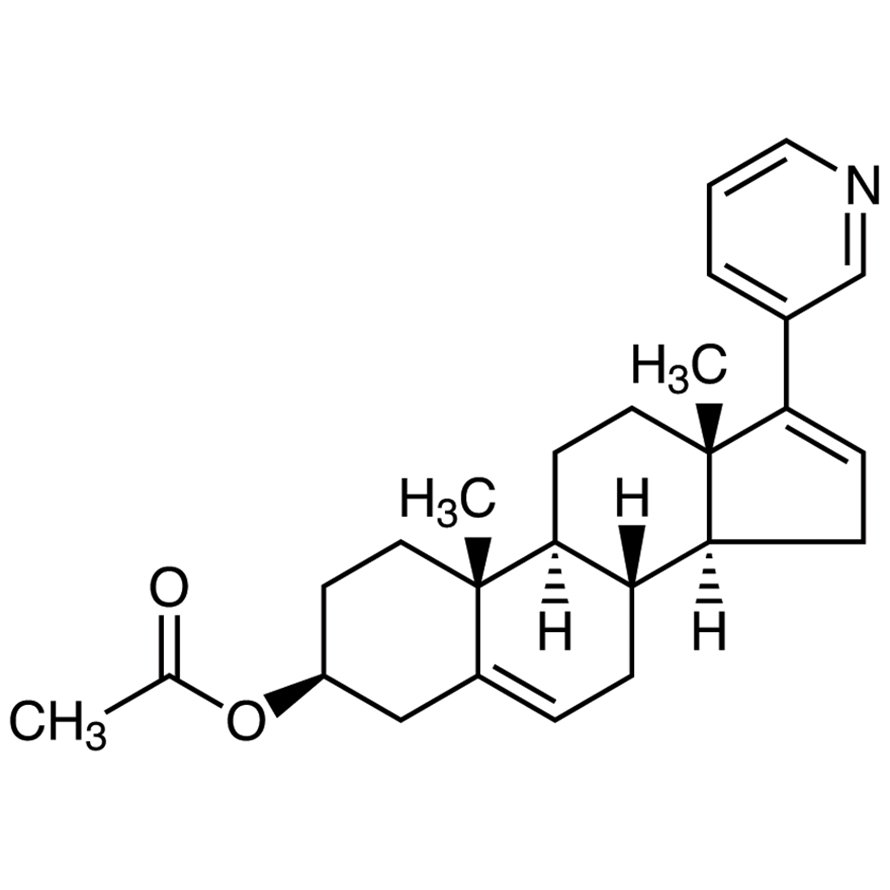
Abiraterone Acetate 250 mg – High Purity | Factory Manufactured
High-purity Abiraterone Acetate 250 mg, manufactured under strict quality control for in vitro receptor studies, enzymatic pathway research, and molecular mechanism analysis. Available for bulk, wholesale, and customized laboratory supply with consistent batch-to-batch purity. $2.00Irinotecan Hydrochloride Liposome 43mg for scientific research
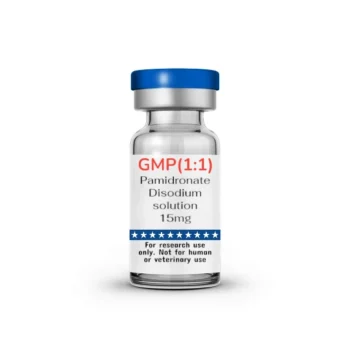
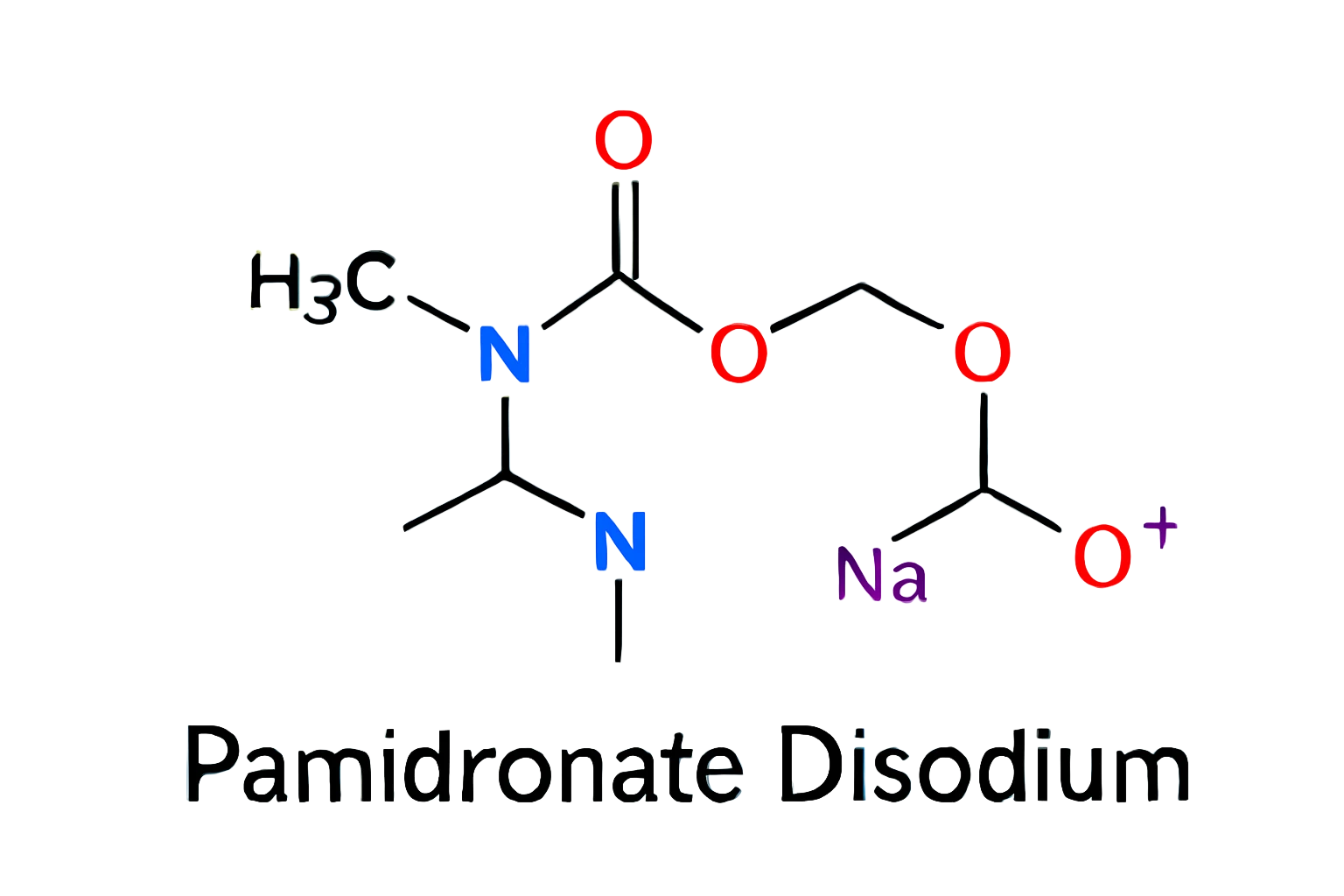
High-purity Irinotecan Hydrochloride Liposome Solution, factory-manufactured for in vitro molecular mechanism studies and controlled biochemical pathway research. Supplied as a stable liposomal solution suitable for laboratories requiring bulk, wholesale, or customized research-grade supply. Original price was: $2.00.$1.00Current price is: $1.00.Pamidronate Disodium solution 15mg — Laboratory Research Grade Reagent
Pamidronate Disodium is a high-purity bisphosphonate reagent designed for in vitro mechanistic studies. It enables research into bone-related biochemical pathways, protein-ligand interactions, and molecular signaling mechanisms under controlled laboratory conditions. Supplied in a laboratory-ready format, it is ideal for mechanistic assays and protein interaction studies. Original price was: $6.00.$2.00Current price is: $2.00.Lenalidomide 25mg High Purity | Factory Manufactured
High-purity Lenalidomide Tablets designed for laboratory research, in vitro mechanistic studies, and multi-omic pathway analysis. Factory-manufactured with consistent quality for bulk and wholesale supply, these tablets provide reliable receptor-modulation and molecular mechanism research capabilities. Original price was: $3.00.$2.00Current price is: $2.00.




lovrenc –
I will introduce other friends to you, thank you