
No products in the cart.
Sale
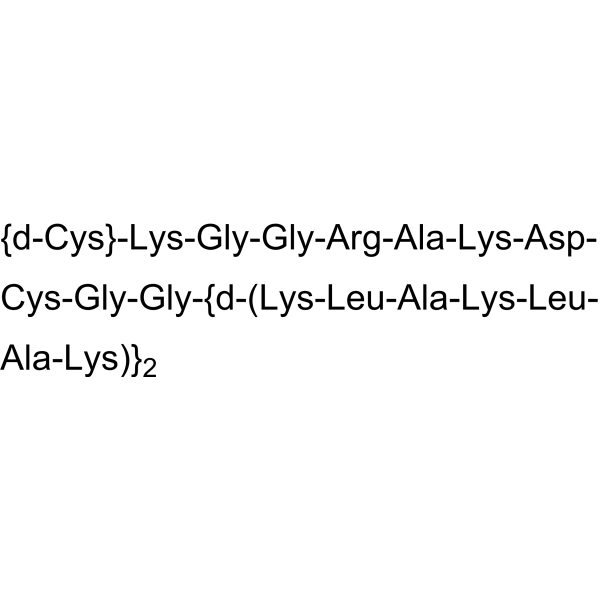
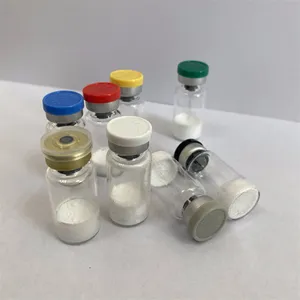
HKPao | CAS 859216-15-2 | Hunter-Killer Peptide Freeze-dried powder raw material supply
Original price was: $42.00.$36.00Current price is: $36.00.
HKPao (Hunter-Killer Peptide ao) is a bioactive peptide exhibiting anti-obesity and antitumor effects. It induces mitochondrial cytochrome c release, triggering apoptosis in cancer cells, while also influencing lipid metabolism and energy regulation. HKPao is a promising molecule for research into metabolic and oncologic disorders.
Description
Contents
hide
Product Description
HKPao, also known as Hunter-Killer Peptide ao, is a synthetic biologically active peptide designed for targeted apoptosis induction in tumor cells and modulation of metabolic pathways associated with obesity. It represents a novel dual-function research tool that bridges the gap between oncology and metabolic disease research.
The Hunter-Killer peptide family is characterized by sequences engineered to selectively target specific receptors or membrane components of diseased cells—such as cancer or adipose tissue—while sparing healthy cells. HKPao exhibits pro-apoptotic activity through the mitochondrial pathway, involving cytochrome c release and caspase activation, leading to programmed cell death.
In addition to its pro-apoptotic effects, HKPao has demonstrated anti-obesity properties, possibly through modulation of adipocyte metabolism, lipolysis regulation, and mitochondrial bioenergetics. By affecting the energy balance and promoting apoptosis in hypertrophic or dysfunctional adipocytes, HKPao contributes to metabolic remodeling in experimental systems.
Research Significance
Antitumor agent: HKPao induces apoptosis selectively in cancer cells through cytochrome c release.
Anti-obesity peptide: Regulates lipid metabolism and adipocyte turnover.
Mitochondrial modulator: Promotes mitochondrial permeability transition and caspase cascade activation.
Dual-function research compound: Integrates metabolic and apoptotic signaling insights for advanced biomedical research.
The dual biological activities of HKPao make it an exceptional peptide tool for investigating the intersection of mitochondrial function, cell death, and metabolic regulation, offering new perspectives for drug discovery in cancer and metabolic diseases.
Product Specifications
| Parameter | Details |
|---|---|
| Product Name | HKPao |
| Synonyms | Hunter-Killer Peptide ao; HKP-ao; Pro-apoptotic peptide HKPao |
| CAS Number | 859216-15-2 |
| Chemical Formula | CₓHᵧN_zOₙ (sequence-specific) |
| Molecular Weight | Approx. 1500–2500 Da (sequence-dependent) |
| Sequence Type | Synthetic peptide |
| Form | Lyophilized powder |
| Purity | ≥98% (HPLC) |
| Solubility | Soluble in water, PBS, and DMSO |
| Storage Conditions | -20°C, desiccated, protected from light |
| Stability | Stable for 24 months under recommended conditions |
| Applications | Cancer research, apoptosis studies, obesity and metabolism research |
Mechanism of Action
HKPao exerts its biological effects primarily through mitochondrial-mediated apoptosis and metabolic pathway regulation.
1. Mitochondrial Cytochrome c Release
HKPao directly interacts with mitochondrial membranes, inducing permeabilization and cytochrome c release, which subsequently triggers caspase activation (particularly caspase-9 and caspase-3), leading to programmed cell death in cancer cells.
2. Apoptotic Pathway Activation
Once cytochrome c is released into the cytosol, it binds to Apaf-1 and procaspase-9, forming the apoptosome complex, which activates downstream caspases and leads to cellular disassembly. This targeted apoptotic effect is beneficial in tumor models exhibiting mitochondrial dysregulation.
3. Selective Targeting of Diseased Cells
As a member of the “Hunter-Killer” peptide family, HKPao can selectively bind to overexpressed receptors or phosphatidylserine-rich membranes on cancer cells, ensuring tumor-specific cytotoxicity and minimized off-target toxicity.
4. Anti-Obesity Mechanism
HKPao may influence adipocyte biology through modulation of mitochondrial respiration, AMPK signaling, and lipid oxidation, promoting adipocyte apoptosis or differentiation into metabolically active beige cells. These effects collectively lead to reduced lipid accumulation and enhanced energy expenditure in experimental settings.
5. Molecular Crosstalk Between Tumor and Metabolic Pathways
Emerging research indicates that obesity and cancer share overlapping pathways involving inflammation, mitochondrial stress, and metabolic reprogramming. HKPao serves as a unique research tool to dissect this crosstalk, as it targets both tumor cells and metabolically dysregulated tissues.

Side Effects
HKPao is intended for research use only and has not been evaluated for safety in humans or animals. Based on in vitro and animal data from similar peptides, possible experimental observations may include:
Mitochondrial stress in non-target cells at high concentrations.
Mild cytotoxicity in highly metabolic tissues.
Transient oxidative response following mitochondrial depolarization.
No genotoxic or mutagenic potential observed in peptide analogs.
Proper handling with personal protective equipment (PPE) is recommended during all experimental procedures.
Disclaimer
HKPao (Hunter-Killer Peptide ao) is supplied for laboratory research use only. Not intended for human consumption, medical treatment, or diagnostic applications. The data provided are for research and educational purposes only.
Keywords
Hunter-Killer Peptide ao, CAS 859216-15-2, antitumor peptide, apoptosis-inducing peptide, cytochrome c release peptide, anti-obesity peptide, mitochondrial peptide, metabolic disease research, cancer apoptosis modulator.
Shipping Guarantee
Products are shipped under controlled temperature conditions with complete documentation (HPLC, MS) to ensure purity and integrity. Global logistics partners maintain compliance with peptide handling standards.
Transaction Guarantee
We provide verified analytical data, secure global delivery, and full refund assurance for damaged or compromised shipments. Each batch is validated with COA and MSDS documentation.
Additional information
| Weight | 0.8 kg |
|---|---|
| Dimensions | 56 × 36 × 56 cm |
What is HKPao?
HKPao (Hunter-Killer Peptide ao) is a synthetic peptide with antitumor and anti-obesity properties used in apoptosis and metabolism research.
What is the CAS number for HKPao?
The CAS number is 859216-15-2.
How does HKPao induce apoptosis?
It promotes mitochondrial cytochrome c release, activating caspase-dependent cell death pathways.
What is the significance of cytochrome c release?
Cytochrome c release is a key event in intrinsic apoptosis, signaling mitochondrial membrane permeabilization and caspase activation.
Is HKPao selective for cancer cells?
Yes, HKPao selectively targets tumor cells through receptor-mediated binding and mitochondrial activation.
Can HKPao be used in obesity research?
Yes, HKPao modulates adipocyte metabolism and energy balance, useful in obesity and metabolic studies.
What are the solubility properties of HKPao?
It is soluble in aqueous buffers and DMSO for in vitro and in vivo research applications.
Is HKPao safe for human use?
No. It is intended for laboratory research only.
How should HKPao be stored?
Store at -20°C, protected from light and moisture.
What documentation accompanies HKPao shipments?
Each shipment includes a Certificate of Analysis (COA) and HPLC purity report.
Related products
Semaglutide Raw Material Factory: Low-Price Wholesale for High-Purity Peptides
Semaglutide Compound CID: 56843331 MF: C187H291N45O59Purity: 99%
Form: Lyophilized powder
Dosage Options: 5mg, 10mg, 15mg per vial
Packaging: Secure box packaging
Shelf Life: 2 years (store in a cool, dry place)
MOQ: 1 box
Tirzepatide Raw Material Factory: Low-Price Wholesale for High-Purity Peptides
Tirzepatide Compound CID: 163285897 MF: C225H348N48O68 diabetes [9][13][14][15] and for weight loss Original price was: $38.00.$23.00Current price is: $23.00.High Purity 99.9% Weight Loss Peptide – Raw Material Factory Wholesale at Low Price
Weight Loss Peptide Appearance:Lyophilized powder Grade Standard:Top Quality Original price was: $12.00.$9.80Current price is: $9.80.Wholesales Weight Loss Peptides Raw Powder CAS 129954-34-3 with Safe Delivery
$2.00Function Weight Loss Peptides Color White Purity 99%Over




Reviews
There are no reviews yet.