
No products in the cart.
Sale
Human Growth Hormone-Releasing Factor (GHRF)
Original price was: $16.00.$13.00Current price is: $13.00.
Human Growth Hormone-Releasing Factor (CAS 83930-13-6) is a hypothalamic polypeptide that stimulates growth hormone production via the GHRH receptor. Manufactured by a GMP-certified supplier. For laboratory research only. Supports wholesale and retail supply.?If you need to place an order or inquire about wholesale product prices, specifications and uses, please contact our staff?
Description
Human Growth Hormone-Releasing Factor (also known as GHRF, GHRH, or Growth Hormone Releasing Factor human) is a hypothalamic polypeptide that plays a central role in the regulation of growth hormone (GH) secretion. This peptide binds directly to Growth Hormone-Releasing Hormone Receptors (GHRHR) located on the cells of the anterior pituitary gland, initiating a cascade of intracellular events that lead to increased synthesis and release of GH. Through this mechanism, Human Growth Hormone-Releasing Factor influences a wide array of biological processes, including growth, metabolism, and cellular regeneration.
In research environments, Human Growth Hormone-Releasing Factor is used extensively to investigate endocrine system function, pituitary regulation, and metabolic signaling pathways. It is particularly valuable in models studying growth hormone deficiencies, metabolic disorders, and the underlying molecular mechanisms of growth regulation. Researchers rely on this peptide to mimic the natural physiological stimulation of GH release, providing insights into how endocrine imbalances affect health and disease.
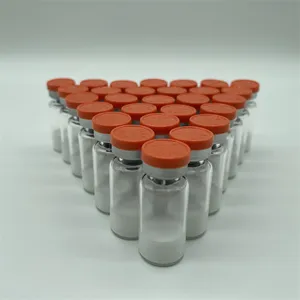
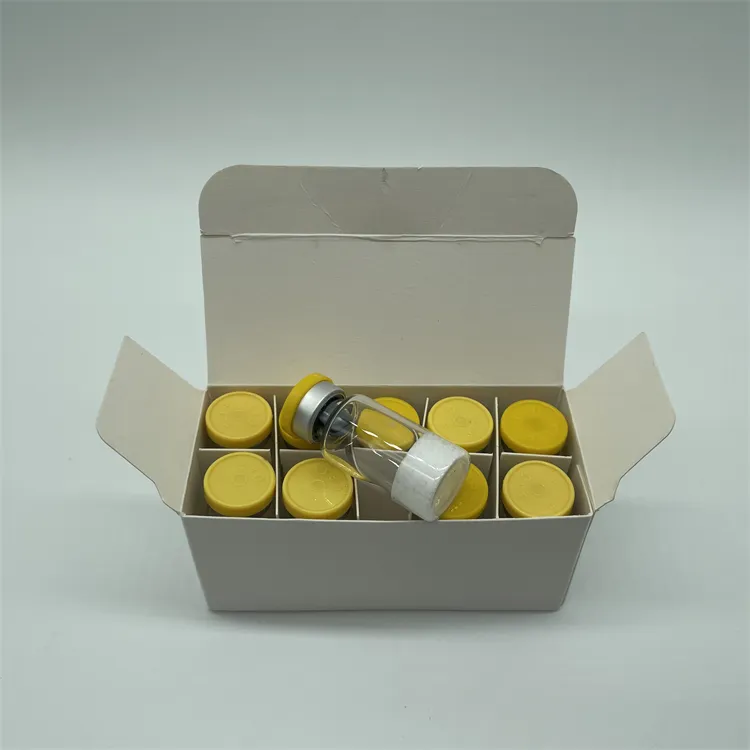
This product is produced under strict Good Manufacturing Practice (GMP) standards, ensuring high purity, reproducibility, and consistency across batches. It is provided in lyophilized form for stable long-term storage and can be reconstituted under appropriate laboratory conditions. With a purity of ?98% (HPLC verified), Human Growth Hormone-Releasing Factor is suitable for advanced peptide research applications requiring precision and reliability.
Available in bulk wholesale quantities as well as smaller retail packages, this peptide supports the needs of both large-scale laboratories and specialized research teams. Its widespread use in academic and pharmaceutical research highlights its importance in studying growth-related pathways and advancing new therapeutic concepts.
Note: Supplied strictly for laboratory research use only. Not intended for human consumption, medical treatment, or diagnostic applications.
Product Specifications
| Parameter | Description |
|---|---|
| Name | Human Growth Hormone-Releasing Factor (GHRF) |
| CAS Number | 83930-13-6 |
| Synonyms | Growth Hormone Releasing Factor human, GHRH, GHRF |
| Molecular Formula | Polypeptide sequence (hypothalamic origin) |
| Molecular Weight | Varies depending on isoform (typically 5–6 kDa range) |
| Purity | ? 98% (HPLC verified) |
| Source | Recombinant or synthetic peptide production |
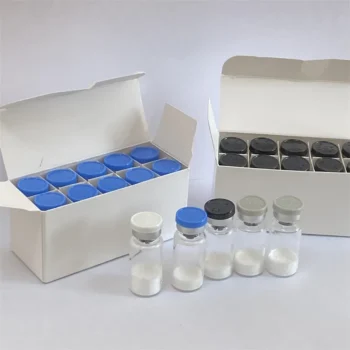
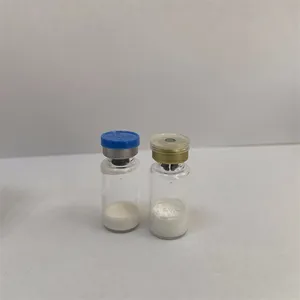
| Appearance | White to off-white lyophilized powder |
| Solubility | Soluble in sterile water or suitable aqueous buffers |
| Storage | Store at -20°C in a sealed container, protected from light and moisture |
| Stability | Stable for ? 24 months when stored under recommended conditions |
| GMP Compliance | Manufactured by a GMP-certified supplier to ensure quality |
| Applications | Endocrinology research, pituitary signaling studies, GH deficiency models, peptide receptor analysis |
| Packaging | Available in bulk quantities for wholesale or smaller vials for retail laboratory use |
These specifications highlight the suitability of Human Growth Hormone-Releasing Factor for precision laboratory studies, offering a reliable tool for investigating peptide signaling and hormonal regulation in controlled environments.
Mechanism of Action & Research Applications
The mechanism of action of Human Growth Hormone-Releasing Factor involves interaction with the GHRH receptor (GHRHR), a G-protein coupled receptor located on the surface of anterior pituitary somatotroph cells. Upon binding, GHRF activates adenylate cyclase, which elevates cyclic AMP (cAMP) levels. This signaling cascade enhances the transcription of growth hormone genes, leading to both synthesis and secretion of GH into the bloodstream.
In a research setting, this makes Human Growth Hormone-Releasing Factor a powerful experimental tool for dissecting the regulation of the hypothalamic-pituitary axis. Its applications include:
Growth Hormone Deficiency Studies: Researchers use GHRF to model GH deficiency conditions, helping to identify potential therapeutic approaches for endocrine disorders.
Endocrine System Investigations: By mimicking natural hypothalamic stimulation, GHRF provides insight into how the pituitary gland responds to regulatory peptides.
Metabolic Regulation Research: Growth hormone plays a crucial role in metabolism, particularly in glucose utilization, lipid breakdown, and protein synthesis. GHRF enables researchers to study how GH contributes to energy balance and tissue growth.
Drug Discovery and Development: GHRF is utilized to test the efficacy of experimental compounds designed to modulate GH release, offering valuable data in preclinical models.
Signal Transduction Pathway Analysis: The peptide helps researchers explore cAMP-mediated pathways, receptor-ligand interactions, and cellular responses to endocrine signals.
Because of its targeted action and strong physiological relevance, Human Growth Hormone-Releasing Factor has become an indispensable peptide in endocrinology and molecular biology research, where understanding GH regulation remains a cornerstone for multiple fields.
Side Effects (For Reference in Models)
Although Human Growth Hormone-Releasing Factor is not intended for human use, certain effects have been observed in laboratory models and experimental systems. These references help researchers better understand its potential biological impacts:
Endocrine Effects: Overstimulation of the pituitary in models may lead to excessive growth hormone release, which could alter growth patterns or tissue development.
Metabolic Shifts: Changes in glucose metabolism and insulin sensitivity have been noted in experimental settings where GH levels are significantly modified.
Cellular Proliferation: Elevated GH stimulation can increase protein synthesis and cell proliferation, which may complicate certain model outcomes if not carefully controlled.
Pituitary Stress: Prolonged or repeated stimulation may affect pituitary gland function in animal studies, suggesting the need for controlled dosing in research designs.
Species-Specific Responses: Different animal models exhibit varying responses to GHRF, underlining the importance of species consideration in experimental planning.
These observations are strictly derived from controlled laboratory studies and serve as reference points only. They do not imply clinical safety or efficacy. Researchers should always handle Human Growth Hormone-Releasing Factor under established laboratory protocols and maintain awareness of its potent endocrine activity.
Disclaimer
Human Growth Hormone-Releasing Factor (CAS 83930-13-6) is provided exclusively for laboratory research use. It is not intended for human consumption, medical treatment, or diagnostic purposes. Wholesale and retail supply are available for qualified laboratories under GMP-certified production standards.
Keywords
Human Growth Hormone-Releasing Factor
GHRF peptide supplier
Growth Hormone Releasing Factor CAS 83930-13-6
GHRH laboratory research peptide
GMP GHRF polypeptide manufacturer
Growth hormone regulation research peptide
Buy Human Growth Hormone-Releasing Factor wholesale
Endocrinology peptide research supply
GHRF pituitary signaling studies
Laboratory use only peptide GHRF
Additional information
| Weight | 0.8 kg |
|---|---|
| Dimensions | 26 × 62 × 26 cm |
Related products
GLP-1 Retatrutide Weight Loss Slimming low price wholesale
GLP-1 peptide slimming product, 5mg 10mg 15mg vials, metabolic health- Application: Health Care Supplement
- Form: Disposable vials
- Dosages: 5mg, 10mg, 15mg
- Purity: >99%
Top Quality Peptides Lyophilized Powder – Reta Trutide Fitness and Weight Loss Peptide in Stock | Factory Wholesale
Peptides Function Weight Loss Peptides Moq:10 vials per box Original price was: $38.00.$22.00Current price is: $22.00.GLP-1/GIP/glucagon combination therapy The Future of Metabolic Treatment (Wholesale Supplier Guide)
GLP-1/GIP/glucagon combination therapy Original price was: $38.00.$23.00Current price is: $23.00.High Purity Weight Loss Peptide Reta, Trutide, GHK-Cu, Epitalon Peptide – The Ultimate Solution for Effective Weight Loss and Anti-Aging
Weight Loss Peptide Function Dose 2mg 5mg 10mg 15mg 20mg Higher Original price was: $36.00.$25.00Current price is: $25.00.
Reviews
There are no reviews yet.